 Editorials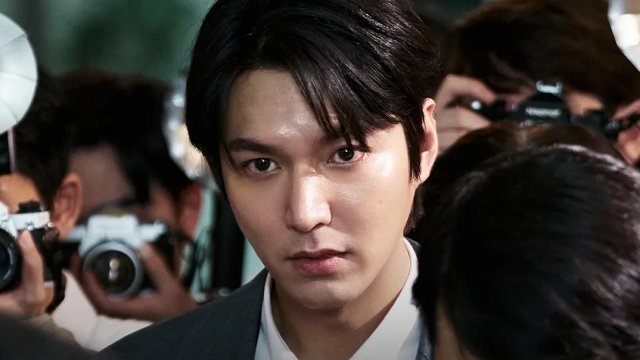
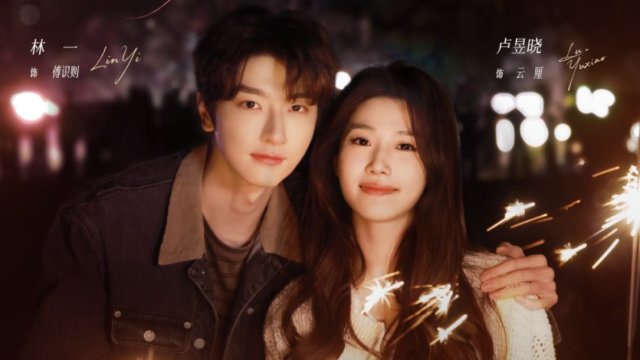
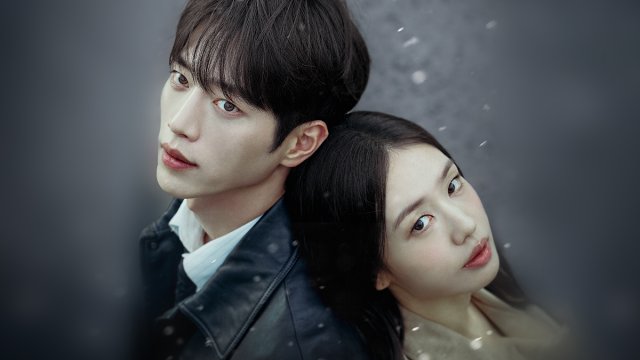
These are both lovely and melodramatic dramas about love and how it changes you. They both feature different but very dynamic lead males and are written and acted.
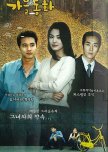
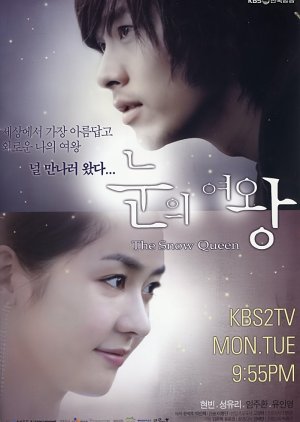
"Autumn in My Heart" and "The Snow Queen" both explore intense romantic dramas marked by emotional depth and tragedy. Each series features complex love stories where the protagonists face significant personal and relational obstacles, leading to profound emotional experiences. Both dramas are characterized by their melodramatic elements and focus on characters undergoing substantial emotional growth and personal sacrifice.



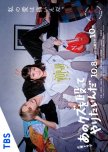
Sato Hokomi is a 29-year-old single woman with a sincere and honest personality. On her presumed wedding day, her boyfriend runs away and they break up. She finds out that her ex-boyfriend was cheating on her. Sato Hokomi decides to avoid men who are trashy and will make her cry. At that time, she meets Kuzuya Kairi, who is kind and friendly. She feels like it is fate to meet him. Kuzuya Kairi works as a photographer by day and a bartender at night. He is a mysterious person, who experienced big trauma in his past. Being influenced by Kairi Kuzuya and also determined that she wants to change herself, Sato Hokomi takes up boxing.

Inagaki Sakura is a dedicate girlfriend, supporting her infamous actor boyfriend, Yokota Kohei, on a low pay rate. But as he became famous, her dumped her for the influencer, Inoue Madoka. Sakura plans revenge, and the millionaire, Ichinose Keita, offers help, but in return, signs a contract with the devil. Sakura doesn't hesitate to accept and starts her revenge.
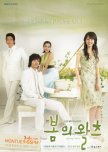
The Snow Queen and Spring Waltz are often compared not because they share the same scenery, but because they tell emotionally parallel stories. Where Spring Waltz uses a quiet island and the sea to express loneliness and longing, The Snow Queen replaces that isolation with winter landscapes, ice rinks, and closed urban spaces. In both dramas, the setting functions as an emotional mirror rather than a backdrop — nature and environment reflect the characters’ inner wounds.
The male leads in both series are shaped by childhood trauma and guilt, growing into emotionally withdrawn adults who struggle to accept love. They express pain indirectly — through music in Spring Waltz and physical endurance in The Snow Queen. The female leads are gentle yet fragile, carrying both emotional and physical vulnerability, and serve as sources of warmth and connection in otherwise cold emotional worlds.
Both dramas favor slow pacing, restrained dialogue, and heavy reliance on mood, silence, and music. Romance unfolds quietly and feels fate-driven, marked more by longing than by overt passion. While Spring Waltz leans into nostalgia and natural beauty, The Snow Queen embraces a colder, more enclosed atmosphere, but the emotional core remains similar: two wounded people finding brief healing through love, even when happiness feels fragile and uncertain.
The male leads in both series are shaped by childhood trauma and guilt, growing into emotionally withdrawn adults who struggle to accept love. They express pain indirectly — through music in Spring Waltz and physical endurance in The Snow Queen. The female leads are gentle yet fragile, carrying both emotional and physical vulnerability, and serve as sources of warmth and connection in otherwise cold emotional worlds.
Both dramas favor slow pacing, restrained dialogue, and heavy reliance on mood, silence, and music. Romance unfolds quietly and feels fate-driven, marked more by longing than by overt passion. While Spring Waltz leans into nostalgia and natural beauty, The Snow Queen embraces a colder, more enclosed atmosphere, but the emotional core remains similar: two wounded people finding brief healing through love, even when happiness feels fragile and uncertain.