
 K-Drama

 152
152 449
449 17
17 2
2 6
6 3
3 8
8 10
10 3
3 14
14 1
1 1
1 1
1 2
2 1
1 2
2 7
7 14
14 9
9 10
10


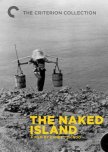
"A deep indigo blue...we're children of the sea"
The Naked Island was a 1960 black and white film with almost zero dialogue, save for a couple of “heave-ho’s.” Without the spoken word, Director Shindo Kaneto had to build his film frame by frame in such a way as to convey the meaning behind the characters’ actions. This slice of life centered on a small family living in poverty on an island without fresh water was compelling, if flawed.
Senta's small family are the only inhabitants on a tiny island offshore. They are largely subsistence farmers and must travel to the larger island in order to obtain fresh water for themselves and irrigation. Several times a day, they row, refill their four buckets, and return to their island to water their plants. Their two small boys tend the home and animals, find firewood, fish, cook, whatever is needed.
The family didn’t talk or touch. On rare occasions, Toyo would allow a contented smile to escape. Mostly, they worked from waking until sleep. Lugging the heavy buckets up the narrow, rocky mountain path caused Toyo's legs and arms to quake, but she doggedly kept to her repetitive routine. Toyo and Senta exhibited unemotional stoicism most of the time. No gentle camaraderie and affectionate support slipped through regardless of circumstances except in one moment of joyful laughter. Only after the unthinkable happened did Toyo break, the grudging acceptance in her eyes turned to lifeless automaton. Despite living together, a bitter loneliness filled the quiet spaces.
Shindo did an excellent job of making a Groundhog Day scenario where every day was the same engrossing. The adult actors let their faces and body language tell the story. Otowa Nobuku conveyed a world of information in every flicker of her eyes and tired shrug of her shoulders. Even without dialogue--tension, urgency, desperation, joy, despair, heartbreak, and wounded resignation came across clearly. Hayashi Hikaru’s splendid score never overwhelmed the scenes, in fact, in the most dramatic scenes, Shindo often scored the moments in silence. One scene held my score back, I couldn't let it go. Senta had a violent response when Toyo made a mistake out of sheer exhaustion. I kept hoping she’d push him off the mountain, but she never did. There were also times it felt like they could have developed a few systems to make their daily grind a smidge less soullessly taxing.
Poverty can drive people to extremes in order to survive. Watching Toyo and Senta haul water up the mountain day after day with no end in sight reminded me of Sisyphus, only with knee buckling buckets instead of a huge stone. The weather, exhaustion, and a mind-numbing grind could not thwart their labor. Even when life felt like it shouldn’t go on, couldn't go on, the water must still be drawn and poured out on parched plants.
12 February 2026
Senta's small family are the only inhabitants on a tiny island offshore. They are largely subsistence farmers and must travel to the larger island in order to obtain fresh water for themselves and irrigation. Several times a day, they row, refill their four buckets, and return to their island to water their plants. Their two small boys tend the home and animals, find firewood, fish, cook, whatever is needed.
The family didn’t talk or touch. On rare occasions, Toyo would allow a contented smile to escape. Mostly, they worked from waking until sleep. Lugging the heavy buckets up the narrow, rocky mountain path caused Toyo's legs and arms to quake, but she doggedly kept to her repetitive routine. Toyo and Senta exhibited unemotional stoicism most of the time. No gentle camaraderie and affectionate support slipped through regardless of circumstances except in one moment of joyful laughter. Only after the unthinkable happened did Toyo break, the grudging acceptance in her eyes turned to lifeless automaton. Despite living together, a bitter loneliness filled the quiet spaces.
Shindo did an excellent job of making a Groundhog Day scenario where every day was the same engrossing. The adult actors let their faces and body language tell the story. Otowa Nobuku conveyed a world of information in every flicker of her eyes and tired shrug of her shoulders. Even without dialogue--tension, urgency, desperation, joy, despair, heartbreak, and wounded resignation came across clearly. Hayashi Hikaru’s splendid score never overwhelmed the scenes, in fact, in the most dramatic scenes, Shindo often scored the moments in silence. One scene held my score back, I couldn't let it go. Senta had a violent response when Toyo made a mistake out of sheer exhaustion. I kept hoping she’d push him off the mountain, but she never did. There were also times it felt like they could have developed a few systems to make their daily grind a smidge less soullessly taxing.
Poverty can drive people to extremes in order to survive. Watching Toyo and Senta haul water up the mountain day after day with no end in sight reminded me of Sisyphus, only with knee buckling buckets instead of a huge stone. The weather, exhaustion, and a mind-numbing grind could not thwart their labor. Even when life felt like it shouldn’t go on, couldn't go on, the water must still be drawn and poured out on parched plants.
12 February 2026
Was this review helpful to you?


