Editorials


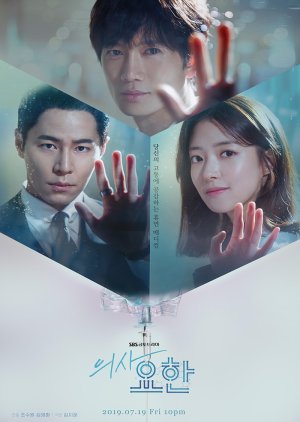
"Doctor John" is a medical drama centered on pain management specialists. It offers a unique perspective, treating the doctors' quest for the source of their patients' enigmatic pain as an exhilarating pursuit, akin to a detective unraveling an unsolved mystery.
Cha Yo Han, a prodigious anesthesiologist and the youngest professor at his medical institution, is known as "10 Seconds" due to his remarkable ability to diagnose patients within the first 10 seconds of their consultation.
Kang Shi Young, a renowned anesthesiologist, consistently ranked at the top of her class in medical school. Her exceptional skills come from her composed, logical mother, while her compassion, attentive nature, and warm patient interactions are traits inherited from her father.

Both are emotional medical dramas that focus not only on treating patients, but also on the people behind each medical case. The patient stories often go beyond the illnesses themselves, exploring their lives, families and personal struggles.
Both follow teams of doctors handling different cases, with plenty of emotional and heartbreaking stories along the way. They also explore doctor-patient relationships, personal growth, difficult medical decisions and what it means to be a good doctor.
They're quite different in focus though. Kids' Lives Matter centers on pediatrics and tells many of its stories through children and their families, while Doctor John focuses mainly on pain management, death and medical ethics, with a stronger focus on romance. Kids' Lives Matter also has more of an ensemble cast, with all the doctors getting plenty of screen time to explore their own storylines and personal struggles.
Despite the heavier themes, both have plenty of warm and healing moments.

Both are emotional dramas about people whose jobs revolve around saving lives. They tell many of their stories through different patients and emergency cases, exploring their lives, families and personal struggles. Both also explore loss, personal growth and the emotional side of saving lives, with plenty of touching and healing moments.
They're quite different in focus and tone though. Life on the Line follows paramedics and is more of an ensemble drama, with multiple characters getting their own stories. Doctor John follows doctors specializing in pain management and focuses more heavily on its ML and his personal journey.
Life on the Line has a lighter and more comedic tone, balancing serious cases with everyday life and workplace moments. Doctor John is more serious, with a stronger focus on pain, death, medical ethics and romance.
Both are romantic medical dramas dealing with comforting people in pain and during the end stages of their lives. In both dramas, the male and female leads have experienced life-altering tragic events, which they feel guilt-ridden about. Both male leads have a nemesis who is hell-bent on destroying them do to misplaced anger and beliefs.


Both are emotional medical dramas that explore death, loss and the lives behind each case. Both use individual cases to tell stories about the patients or people who have died, as well as their families and loved ones.
Both focus heavily on a central lead, with an FL in Unnatural and an ML in Doctor John. Both explore difficult questions about life and death, with plenty of heartbreaking, warm and healing moments.
They're quite different in focus though. Unnatural follows a forensic pathologist investigating unnatural deaths and uncovering the truth behind them. Doctor John follows a doctor specializing in pain management and focuses on patients living with pain and illness. Doctor John also has some mystery elements, though they are less prominent than in Unnatural. It has a stronger focus on romance and medical ethics.
Apesar de ser temas diferentes e um ser mais realista o outra fantasioso, ambos instigam pensamentos sobre diferentes posicionamentos e decisões.
Os dois não criam regras do que se deve segui ou tem posições firmes. Fazendo assim quem assiste ter seu próprio posicionamento sobre o que é certo ou errado.
Os dois não criam regras do que se deve segui ou tem posições firmes. Fazendo assim quem assiste ter seu próprio posicionamento sobre o que é certo ou errado.