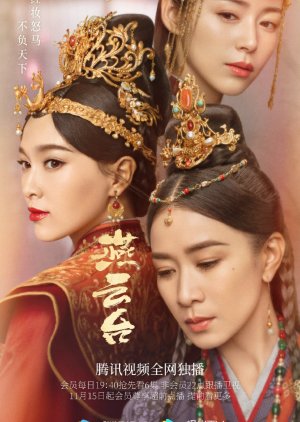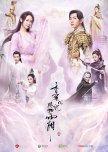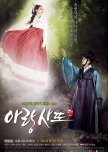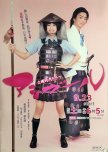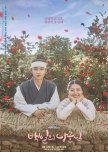
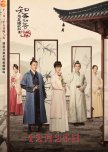
-Both of the female leads loved a man but was taken by the emperor.
- Both of the male leads worked for the emperor.
- There is a sweet/ bitter sweet ending.
- Both of the female leads helped the emperor in the palace.
-Both of the female leads are smart.
On a personal note both had me raging on certain episodes. There are some lessons you could learn from watching these dramas....
- Don't wait.
-Small decisions can change your life.
-Don't lose yourself.
-Don't put yourself in a position where other people have control over your life.
-You never really know a person.
-You don't always have to put other people before you. (be selfish sometimes)
-The closest people can turn on you in an instant.
- Both of the male leads worked for the emperor.
- There is a sweet/ bitter sweet ending.
- Both of the female leads helped the emperor in the palace.
-Both of the female leads are smart.
On a personal note both had me raging on certain episodes. There are some lessons you could learn from watching these dramas....
- Don't wait.
-Small decisions can change your life.
-Don't lose yourself.
-Don't put yourself in a position where other people have control over your life.
-You never really know a person.
-You don't always have to put other people before you. (be selfish sometimes)
-The closest people can turn on you in an instant.
Although the dramas are set during very different time periods and in different parts of China, both are historical dramas that follow the story of a strong female character over time who become elevated to a status they didn’t initially seek, during a time when there is major transition in who is ruling the country. Both dramas very nicely showcase the entanglement of family and politics, and the complicated relationships between sisters. In both, the romance is present and important but still ultimately feels incidental to the growth of the main female lead, her development as an individual, and the broader storyline about stabilizing a country during a time of turmoil.
Ming Lan is a bit more slice of life and has more melodrama between wives and concubines, while Xiao Chuo focuses on life during the Liao Dynasty, the dynamics between the Khitans and the Hans.