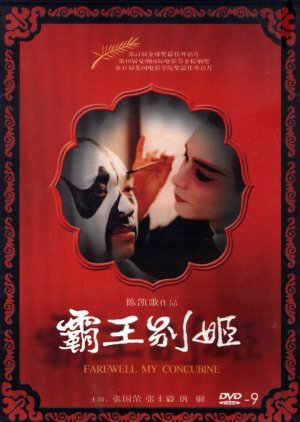
both set in the same time period and about chinese opera. tragedy lurks in the shadows, but the censorship hatchet cut every controversial theme
Both films are centered around traditional performance arts of their respective countries (JPN - kabuki, CHN - Chinese Opera), which are performed exclusively by men. The two main characters in their historical settings, face many challenges both by the art itself, and from their own inner struggles. The finale aspects is that both films are incredibly compelling, and have stunning costuming and production details.
If you liked the Peking Opera in Farewell My Concubine, there is a minor story arch in Story of Yanxi Palace that covers it. They mention a few of the opera pieces by name (including Farewell My Concubine), play out some of the scenes, and even explain a few of the stories briefly. Peking Opera is later banned from the palace though, so it only shows up in the first 1/3 of the show.
Jeong Nyeon: The Star is Born talks about yeoseong gukgeuk an artform in South Korea that incorporates pansori and stage performances that features all-women casts and some of them needs to portray a male role. Farewell My Concubine it talks about the Peking opera and some men portray dan (female) roles.
Both stories have implied same sex romance between the characters: Hyerang and Okgyeong, Jeong Nyeon and Juran for Jeong Nyeon: The Star is Born. Cheng Die Yi and Duan Xiao Lu on Farewell My Concubine
Both stories have implied same sex romance between the characters: Hyerang and Okgyeong, Jeong Nyeon and Juran for Jeong Nyeon: The Star is Born. Cheng Die Yi and Duan Xiao Lu on Farewell My Concubine
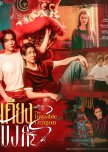
even though the invisible dragon and farewell my concubine come from very different cultures and tones, they do share some deeper thematic parallels
1. both are centered around traditional performance arts (dragon dance and peking opera) that deeply influence how characters see themselves
2. in FMC, their roles on stage literally shape who they are and in TID, the dragon dance is tied to identity, pride, and self-worth.
3. a core theme in FMC is,
"the uncertainty of identity" and not knowing where they belong. in TID, earn struggles w being adopted and lacking "dragon blood" (symbolic identity crisis)
4. cultural heritage as the main context
5. tradition vs personal desire
6. emotional intensity and melodrama
7. imbalance of power within relationships
8. external pressures affecting relationships
9. metaphorical symbolism tied to performance
10. classism
even tho both are from very different timelines and have a different plot but they share the core idea that love, identity, and performance are inseparable and often destructive
1. both are centered around traditional performance arts (dragon dance and peking opera) that deeply influence how characters see themselves
2. in FMC, their roles on stage literally shape who they are and in TID, the dragon dance is tied to identity, pride, and self-worth.
3. a core theme in FMC is,
"the uncertainty of identity" and not knowing where they belong. in TID, earn struggles w being adopted and lacking "dragon blood" (symbolic identity crisis)
4. cultural heritage as the main context
5. tradition vs personal desire
6. emotional intensity and melodrama
7. imbalance of power within relationships
8. external pressures affecting relationships
9. metaphorical symbolism tied to performance
10. classism
even tho both are from very different timelines and have a different plot but they share the core idea that love, identity, and performance are inseparable and often destructive
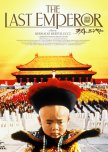
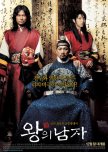
Both movies feature a pair of men, one more manly, and one very effeminate, that are actors together. In both, they start out poor, but climb the social ladder by performing for the high society. They achieve this mostly through the unusual charm of the effeminate character, who is torn between his ambiguous relationship with the other male lead, and the advances he receives from rich and powerful men. Although they are very different eras (and countries!), both take place in difficult political contexts in which the characters become entangled, but that their theatre plays reenact metaphorically. Both characters cross-dress and play woman characters on stage. However, The King and the Clown is more comical, whereas Farewell My Concubine is more thoughtful, artistic and tragic.
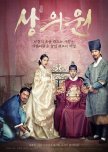
both chinese movies from the 90s have a chinese opera element (Farewell my Concubine revolves heavily around Chinese opera and in Raise the Red Lantern one of the characters was an opera singer) and that connection to opera also shows in the osts. The stories start in the 1920s where our main protagonists get send off by their mothers, have a kind of betrayal element and dont end happily. Also Dong Li stars in both films.