K-Drama

- Español
- English
- magyar / magyar nyelv
- עברית / עִבְרִית
- Native Title: Beauty Queens
- Also Known As:
- Director: Joel Lamangan
- Genres: Drama, Family
Where to Watch Beauty Queens

Subscription (sub)
Cast & Credits
-
") Gloria DiazDahlia Rodriguez-De VeyraMain Role
Gloria DiazDahlia Rodriguez-De VeyraMain Role -
") Maris RacalTarsila ZamoraMain Role
Maris RacalTarsila ZamoraMain Role -
") Ross PesiganRico "Rica" De VeyraMain Role
Ross PesiganRico "Rica" De VeyraMain Role -
") Winwyn MarquezCristina De Veyra / "Tingting"Main Role
Winwyn MarquezCristina De Veyra / "Tingting"Main Role -
") Lotlot de LeonPrecySupport Role
Lotlot de LeonPrecySupport Role -
") James BlancoRogerSupport Role
James BlancoRogerSupport Role




Photos
Reviews

This review may contain spoilers
Crowns, Family Secrets and a Whole Lot of Drama
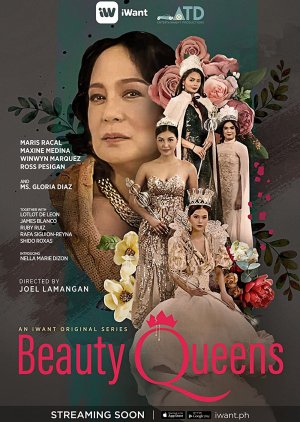
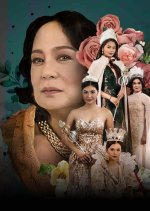
I finally got around to watching Beauty Queens, a 2020 six-part iWant Original series that had been sitting on my ever-growing watchlist for far too long. I happened to get home early from work, was waiting for my rice to cook, and casually stumbled across the first episode on YouTube. I recognised it immediately and decided this was finally my sign to watch it, especially since I’m a fan of Ross Pesigan and Shido Roxas.Directed by Joel Lamangan, written by Eric Ramos and produced by ATD Entertainment Productions, Beauty Queens uses the glamorous world of Filipino pageantry to tell a much heavier story about family, motherhood, expectations, identity, sexuality, ambition, resentment and acceptance. The story revolves around Dahlia Rodriguez-De Veyra, a former Miss Universe winner who is determined to preserve her family’s multi-generational beauty-queen legacy, a tradition passed down from her mother Tarsila, Manila’s last Carnival Queen in 1939.
The problem is that Dahlia wants her children to continue a legacy they never necessarily asked for. Her eldest daughter Daisy wants to become a nun, Tingting becomes an activist and gets pregnant, while her youngest child and only son Rico becomes Miss Gay Universe. The conflict comes from the gap between what Dahlia believes is best for her children and what her children actually want for themselves.
I really enjoyed the way the series handles its non-linear-ish storytelling. The flashbacks aren't simply there for exposition; they gradually fill in the missing pieces and give the present-day conflicts more context. The different visual treatments for each era also work nicely. The 1939-to-1950s scenes have a sepia treatment, while young Dahlia’s 1969-to-1980s storyline has a faded, scratchy look with bright red details standing out against the muted palette. The recreation of Gloria Diaz’s actual 1969 Miss Universe styling was a particularly nice touch.
The 1939 storyline was probably my favourite. I genuinely wish Filipino television and film explored the Manila Carnival Queens era more often. Maris Racal plays Tarsila as a miserable trophy wife trapped in an abusive marriage to an ambitious politician played by Rafa Siguion-Reyna. It is definitely familiar Filipino melodrama territory, but the historical setting makes it fascinating.
Gloria Diaz is excellent as Dahlia, although Dahlia herself drove me absolutely mad. She is condescending, matapobre, arrogant, judgmental, mean, sharp-tongued, hurtful and hypocritical. Whenever she says something completely out of line, she tends to retreat behind “I was only joking” when someone calls her out. Her comments about the Miss International pageant were particularly hilariously tactless. But that reaction is also a credit to Diaz. She makes Dahlia so convincing that I genuinely wanted someone to tell this woman off.
Maxine Medina and Winwyn Marquez are also very convincing, and their real-life beauty-pageant backgrounds add another layer of authenticity. Medina plays Daisy, while Marquez plays Tingting. But Ross Pesigan was my clear standout. He completely captured Rico’s flamboyant and indignant personality while making him sympathetic enough that I found myself firmly taking his side throughout the series.
The supporting cast is strong as well. Lotlot De Leon, Ruby Ruiz, Shido Roxas and Maris Racal all make an impression, and there really isn't anyone who feels like they were wasted in their role.
The melodrama can get wonderfully excessive. The dinner-party scenes are packed with outrageous behaviour, uncomfortable confrontations and dramatic fireworks, including inappropriate necking at the dinner table and even someone being forced to change into a ballgown in front of everyone. Some of it is certainly exaggerated, but the heightened drama is clearly intended to shock and make the viewer uncomfortable—and it works.
What surprised me most was how depressing the story could become. I went in expecting something centred on beauty queens and pageantry, but the series digs much deeper into family dysfunction and generational expectations. There were also a few twists I genuinely didn't see coming.
I also loved that the series shows the glamorous and gaudy side of beauty pageants while simultaneously exposing the mess underneath the crowns and gowns. It’s a small series, but there’s quite a lot packed into those six episodes.
Beauty Queens is not difficult to watch because it is bad. It’s difficult because it feels like a strong, potent drink: intense, sometimes bitter, occasionally overwhelming, but ultimately satisfying. Short, dramatic, melodramatic and surprisingly heavy, it’s definitely worth checking out if you enjoy Filipino family dramas with a bit of pageant glamour and plenty of emotional chaos.
Was this review helpful to you?
Recommendations
There have been no recommendations submitted. Be the first and add one.