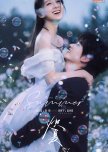


Chae Yong Ju, a former special forces member, is a dedicated salesperson for a liquor company, but her branch is about to close. To prevent this, she takes on a mission to sell a new beer created by Yun Min Ju, a sensitive brewmaster and CEO. Min Ju, who lives in a quiet rural area to focus on brewing, finds his life changing when Yong Ju enters it.


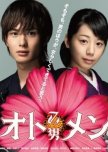
Takenouchi plays an aquarium employee named Kengo, who seems ordinary at first glance but actually possesses a secret that he would sacrifice everything in order to protect. Meanwhile, Ueto plays Risa, a young woman working in the sex trade in order to pay off her brother's debt, though her situation has led her to contemplate suicide. These two characters, both full of despair, meet each other and end up entering a contract marriage purely for its benefits. However, as they overcome various troubles, their relationship begins turning into true love

While watching "Welcome to Samdalri", I was reminded of "Call it Love" because the male lead's father in Welcome to Samdalri was against his relationship with the female lead because of the grievance he had with the female lead's family while in Call it Love, the female lead's family was against her relationship because of the grievance they had with the male lead's family. So, in both dramas the main leads had to struggle through these family issues and heal to finally be together.
However, "Welcome to Samdalri" is lighter and more heartwarming, whereas "Call it Love" has a more serious tone.
So, if you enjoyed the healing aspects of "Welcome to Samdalri," you might find "Call it Love" enjoyable despite its more serious tone.
However, "Welcome to Samdalri" is lighter and more heartwarming, whereas "Call it Love" has a more serious tone.
So, if you enjoyed the healing aspects of "Welcome to Samdalri," you might find "Call it Love" enjoyable despite its more serious tone.


Although completely different genres and contexts, the dynamics between the leads are similar (slow burn, enemies to lovers). FMC in Call it Love and MMC in LoN both seem "unhinged" and cold hearted at the start. Both are also intent on their revenge above all else, but gradually open up their hearts to love. Both series are angsty in their own way, but relative to each other, I would recommend watching Call it Love after LoN as a comfort watch. Also, the male leads are those tragic, miserable type characters that audiences can't help but want to pity.