
 Celebrity


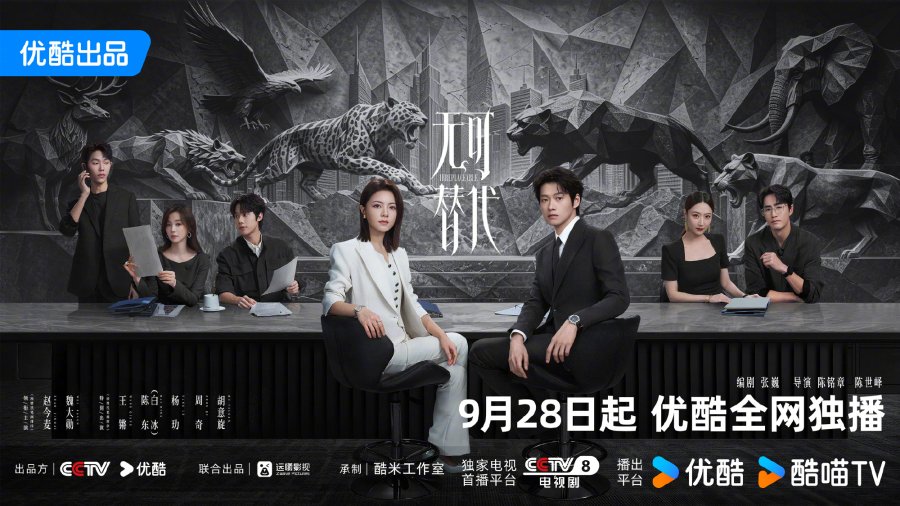 I will try to keep this new Companion Piece less lengthy than the e one I did for The Early Spring, while addingd pictures and some maps along the way.
TABLE OF CONTENTS(The titles are linked to the relevant posts)
Pictures are screenshots or linked to their sources; information is linked to sources from Baidu, Wikipedia, Sohu or other. My other Companion pieces are listed here |
- o O o -
Where to check for more.
The "filming location check-in" (取景地打卡) articles that appear on Visit Běijīng (visitbeijing.com.cn), local Weibo accounts, and tourism media typically publish 2–6 weeks after a drama's premiere, once the production team or the district's film office releases the information. For comparison, All the Way to the Sun's 80+ location list appeared roughly a month after its 2023 run, and Love's Ambition's guide came out in December 2025 (a few months after its September premiere).
The drama's official Weibo page (无可替代) — often posts BTS location photos
Last updated October 2, 2026
edited

Thank you both! There's actually perhaps more than just basics to write here, so I will, for length reasons, split the stuff above into a new mini (hopefully, since it takes time) Companion piece. below, linked to a clickable Table above, editing again first post, to find the infos next. I'll probably not be done before we reach the end of first release ;)
GENERAL INFORMATION AND CAST |
This drama was filmed from August 11, to October 24, 2025 in Běijīng. It was a featured project in CCTV’s 2026 Premium Drama lineup and a #Youku S+ tier production.
Irreplaceable (original Chinese title 无可替代 Wú kě tìdài) was broadcast on CCTV-8 and Youku from September 28. It has 20 episodes off 45 minutes . Before the broadcast, Youku's reservations exceeded 3 million.
|
|
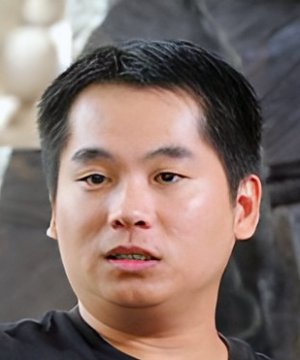
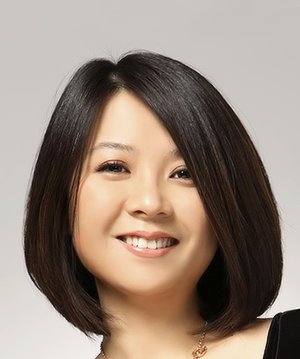
Born: September 29, 2002 (24 years old) Graduate from Central Academy of Drama 2024 | Born: April 12, 1989 (37 years old) Graduate from Central Academy of Drama 2007 | ||||
Born in Wēnzhōu, Zhèjiāng province, he butterflied between various education interests, before graduating in design. Being noticed on Weibo and introduced by his agent, he debuted more formally in acting in a 2019 movie, after a small role in a drama in 2015. |
Born in Yīchūn, Hēilóngjiāng,, he graduated from the National Academy of Chinese Theatre Arts and debuted in dramas in 2012. |


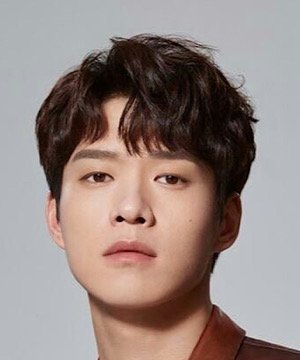

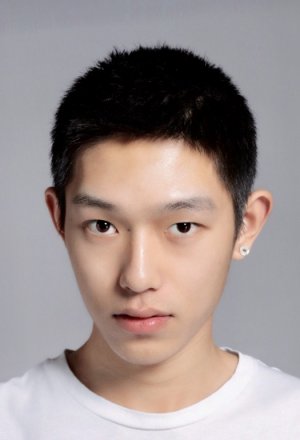

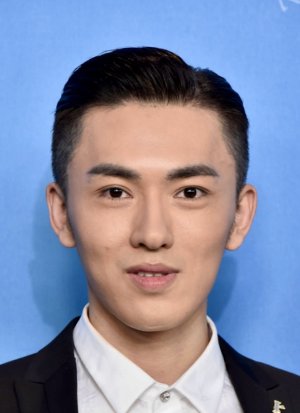
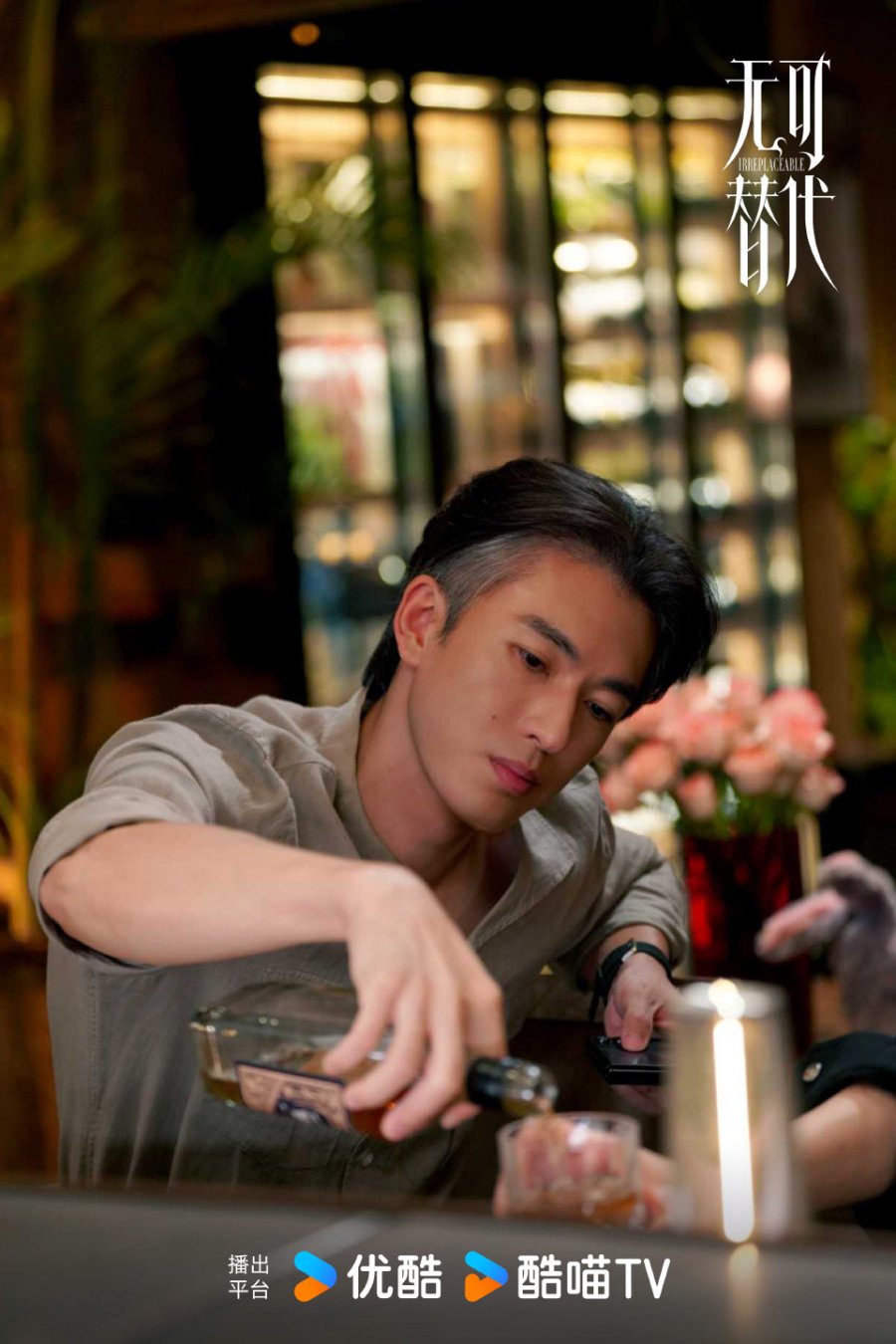
" Together, they captured the high-pressure daily life of the consulting industry in a completely realistic way. There are no clichéd plots of naive newcomers achieving instant success, nor are there any artificially sweet stories of domineering CEOs pursuing love. Workplace scenes make up over 60% of the story, depicting the daily frustrations we encounter at work: having proposals stolen, credit taken away, clients turning their backs, and being manipulated by superiors—all realistically portrayed in the series. (Sohu info) The series creates three non-repeating lines of female dilemmas: Xú Chí's upward struggle, Bù Tiānnà's succession dilemma, and Lín Lóng's career and family reconstruction. The entire series focuses on showing the real relationship between working women that is both competitive and supportive of each other, conveys the warm core “what is truly irreplaceable is the experience of working together with partners”. (Sohu info).
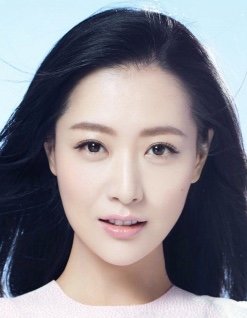
Michelle Bai / Bái Bīng 白冰 was noticed for her role as Lín Lóng , 林珑 the hypocritical mentor who experiences personal disaster. |
Hú Yìxuán .胡意旋 played as the rich friend of Xú Chí. | ||||
Yáng Lè 杨玏 is a drama graduate of Duke Uiversity, USA. He debuted acting in China in 2009. Also a singer, he released the promotional song for a series, Dream / 梦 in 2017. |
Zhōu Qí 周奇 is an actor, singer and voice actor who graduated from Běijīng Film Academy. He is also a singer, who released the song Metaphor * 隐喻 on 2025-05-05. |
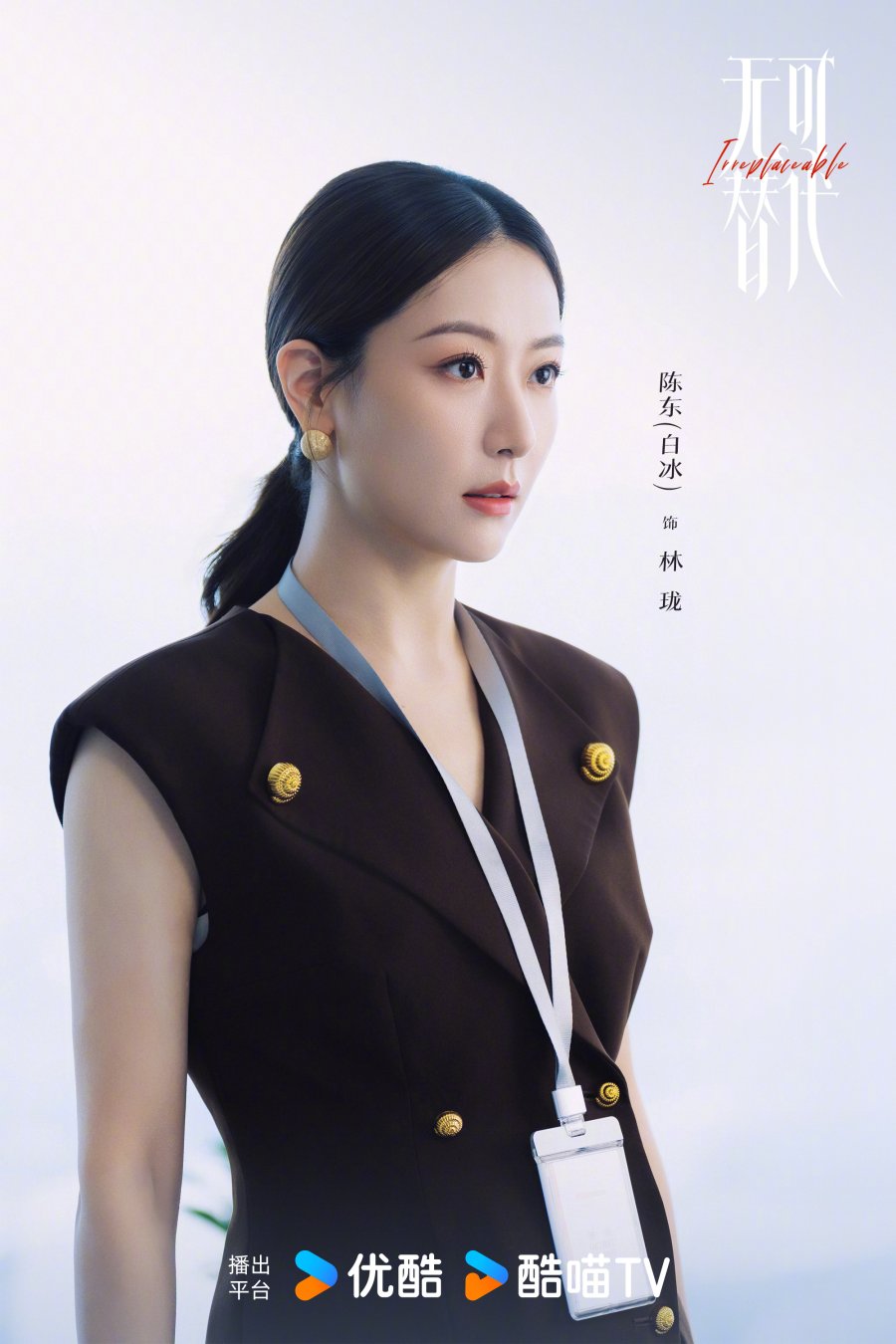






The popularity of Wèi Dàxūn 's character exceeded 300 million in the first 10 minutes of the broadcast. on Youku. (Sohu info).
Translated character chart (original in Chinese linked, use zoom options on computer or hand held to view more comfortably) :
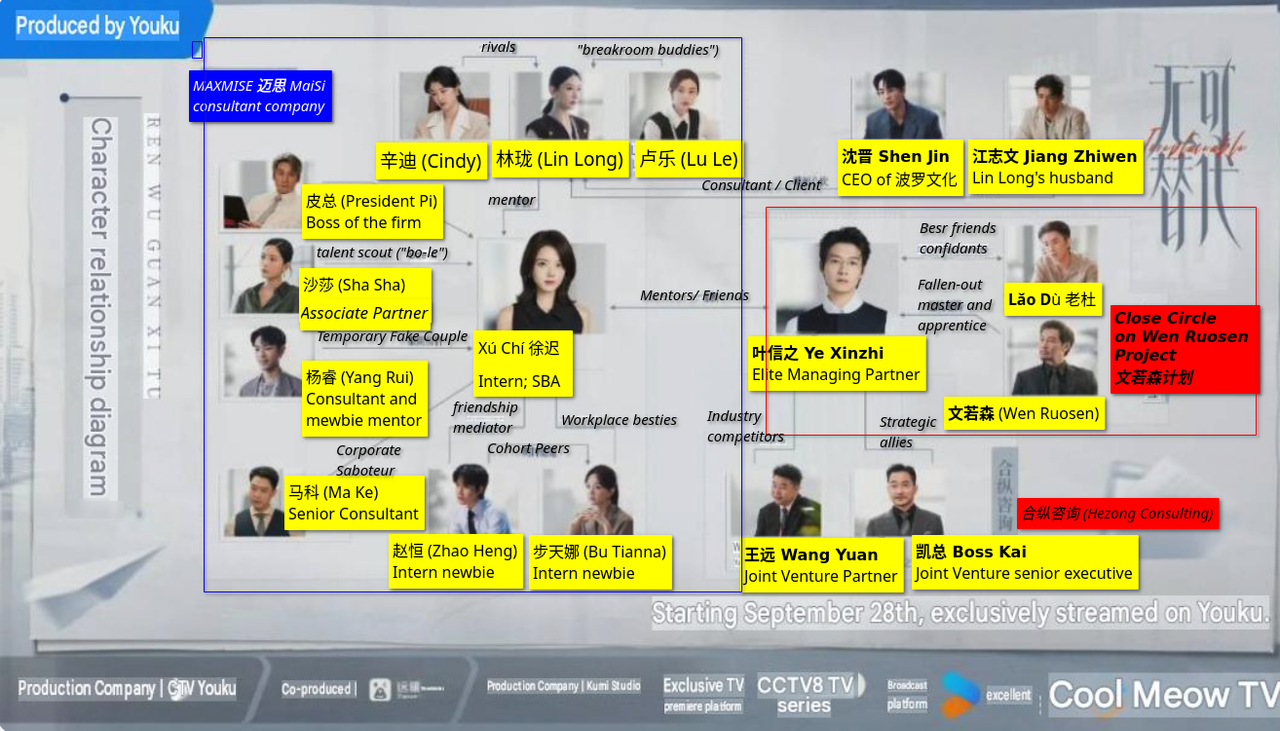
Links to drama pages : Baidu Baike ; Douban ; Weibo
Last updated October 3, 2026
edited
Maps and location of some of the places seen inn the drama |
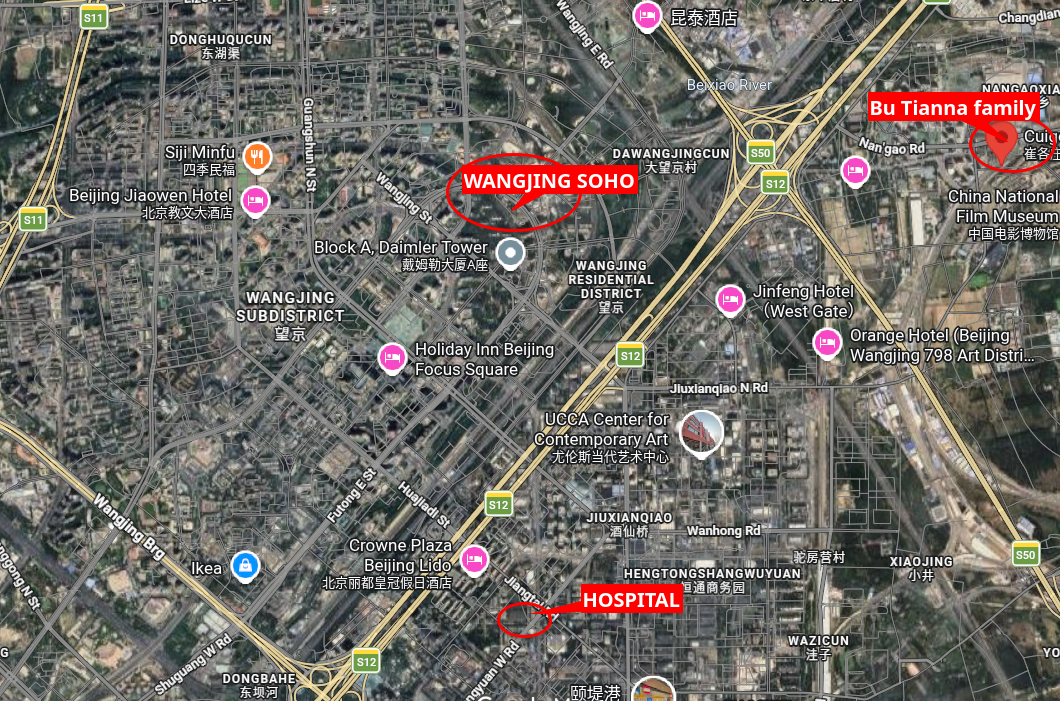
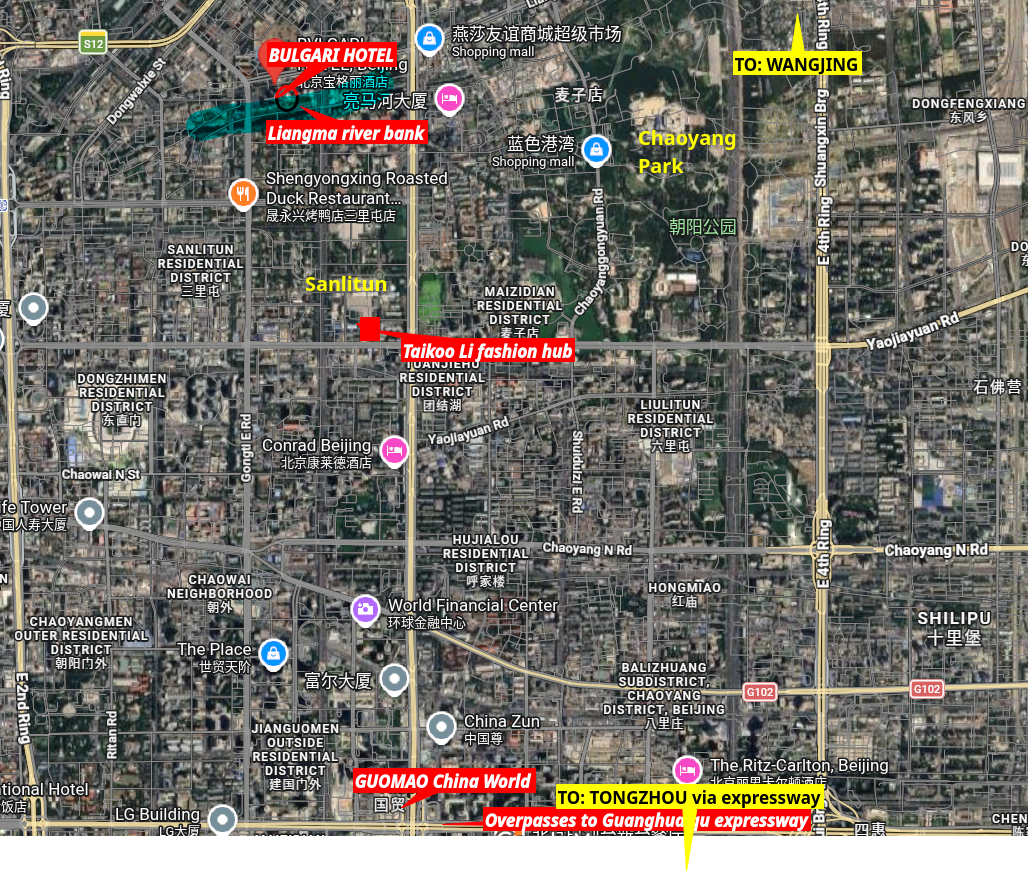 Map sources ; Google
Last updated October 3, 2026
edited
WANGJING HUB OF THE CONSULTING COMPANY |
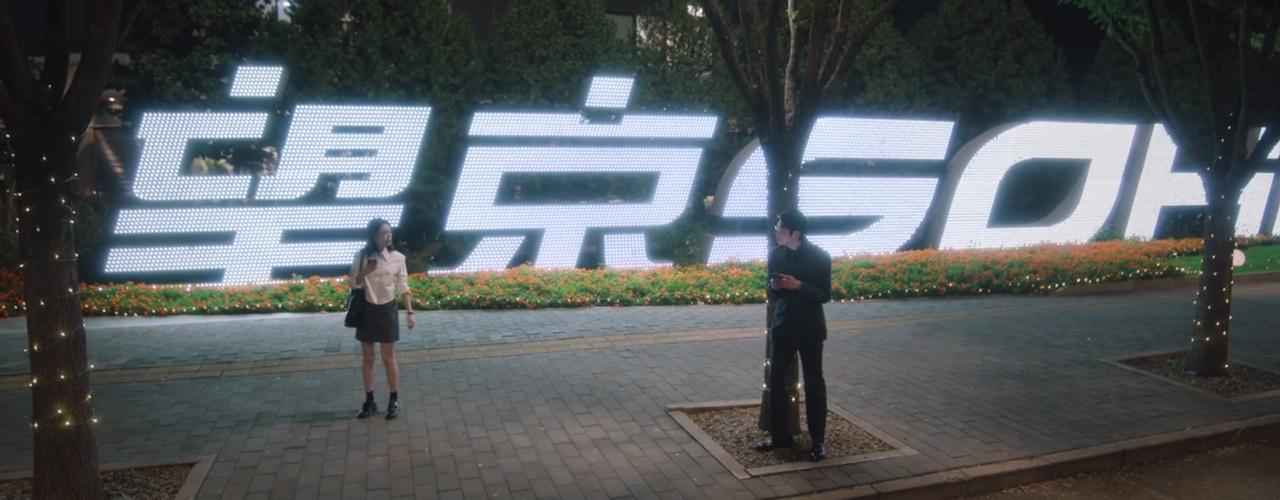
The drama is set mostly in the Wàngjīng 望京 Poly International Plaza (保利国际广场 Bǎolì guójì guǎngchǎng) corporate offices. Wàngjīng is where the production company built the primary consulting firm interior sets. The crew primarily shot the outdoor tracking sequences very late at night or during the earliest hours of the morning to manage the massive flow of local tech workers and corporate employees around Wàngjīng Soho. "Director Chén Míngzhāng deliberately chose Wàngjīng SOHO’s distinctive curves to emphasize the futuristic, high-stakes nature of the consulting world. The lighting crews specifically enhanced the tree-wrapped string lights along the peripheral sidewalks to construct a highly romantic, visually cinematic contrast against the heavy corporate background" '(Ep.4 screenshot below)
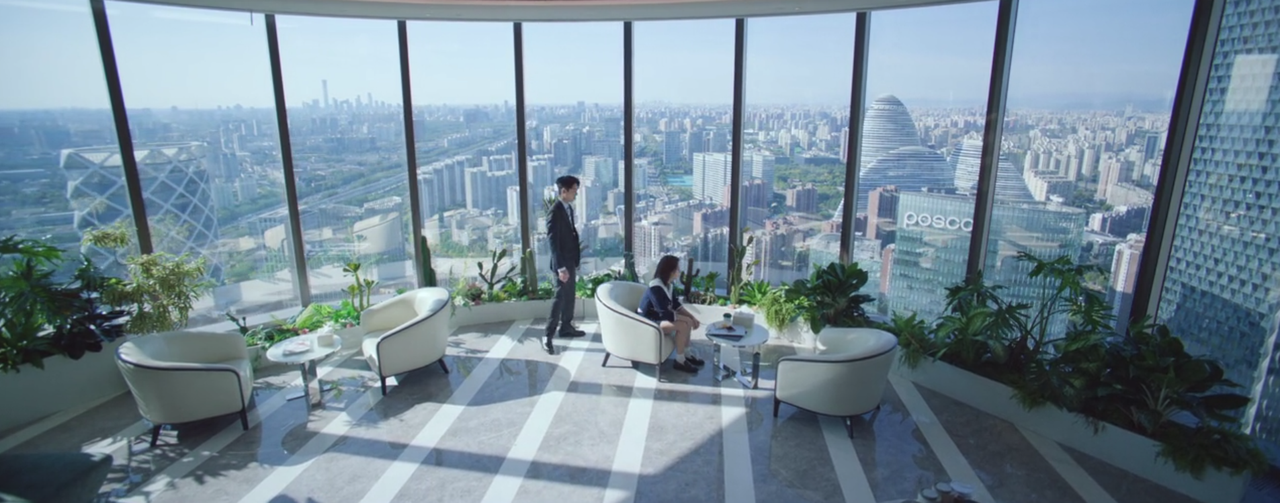 Screenshot from ep.9: View over the rounded towers of Wàngjīng SOHO, over POSCO building to the right, and in the distance, the iconic CBD skyline with the CCTV arch tower and the Zūn tower. The interior uses the Intercontinental Hotel (Sānlǐtún) rounded room with floor to ceiling glass, but the view itself has to be digitally superimposed from drone shots, since no taller building than the Wàngjīng SOHO three towers themselves stand from the viewpoint. Furthermore, the iconic honeycomb shape of the Poly International tower(39 m shorter than the Wàngjīng SOHO towers) appears through the left windows when the hotel should be 4-6 miles away from Wàngjīng ! Nevertheless, the Poly tower does have a good view, especially if assisted by a drone launched from it.
(Note that since June 2026, drone flying has been further restricted and will be totally banned in Běijīng, Tiānjīn, Héběi and Inner Mongolia from November 1, 2026, because of the small aircraft crash in June (mentioned in the column about tall towers and CBD, of the Companion piece for The Early Spring drama).
Wàngjīng SOHO was designed by Zaha Hadid Architects and completed in 2014. The development consists of three curvilinear towers measuring 118, 127, and 200 meters in height, which are designed to resemble interweaving mountains or dancing Chinese fans, but also from aerial view to look like three swimming fishs. The complex features a shimmering metallic skin made of aluminum and glass, and is surrounded by 60,000 square meters of public parks and landscaped gardens. Located in the Wàngjīng district between the Fourth and Fifth Ring Roads, it serves as a prominent landmark visible from the highway connecting to Běijīng Capital International Airport.
- o O o -
Poly International Plaza in Wàngjīng :
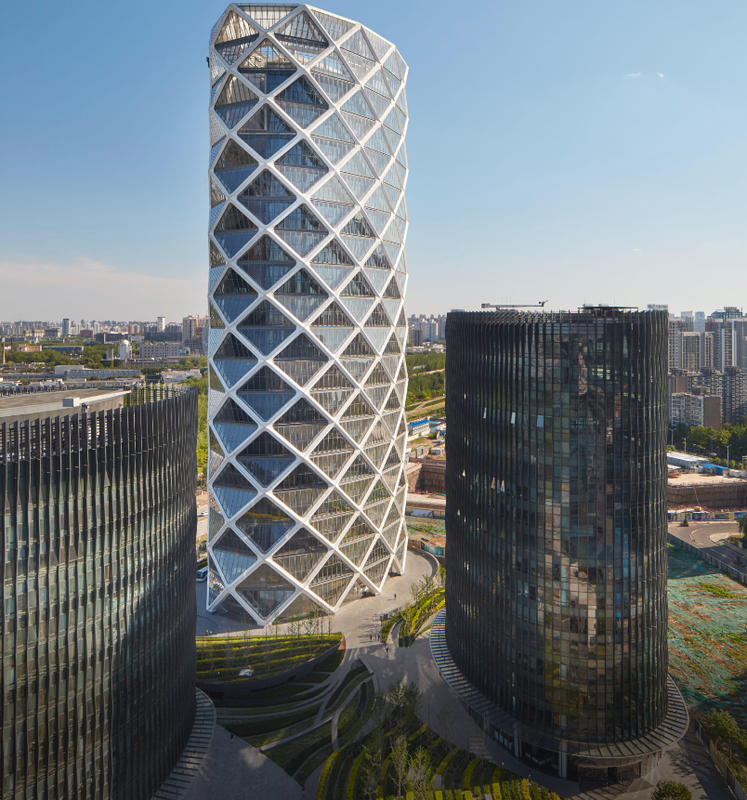 "Located midway between the Forbidden City and the Běijīng Capital Airport, Poly International Plaza is envisioned as a landmark with an innovative design focused on the user experience and environmental impact." "Designed by SOM (Skidmore, Owings & Merrill) , the project consists of three towers with a total gross floor area of approximately 116,000 square meters". Completed in 2017, its tallest central tower (nicknamed the "Diamond Lantern") stands at 161 meters (529 feet) tall, with 31 tall floors, just to the northeast of Wàngjīng SOHO. (source)
It features a distinctive diagrid exoskeleton inspired by traditional Chinese paper lanterns. This structural system allows for column-free interior spaces and supports a double-skin glass facade that reduces energy consumption by 23% and carbon emissions by 18%. The complex also includes two smaller supporting towers (16 and 12 stories) and is certified for LEED Gold and China Green Label 2 Star sustainability standards. It is primarily an office complex — all three towers are classified as office buildings, and the main office tenants include Hyundai Capital (floors 19–26, the anchor tenant), Westinghouse (Swiss), and Howell Furniture.
- o O o -
More information about Poly Group and its museum
China Poly Group (中国保利集团公司; Zhōngguó Bǎolì Jítuán Gōngsī) is one of China's largest central state-owned enterprises, directly supervised by SASAC (State-owned Assets Supervision and Administration Commission of the State Council). It was established in February 1992 with the approval of the State Council and the Central Military Commission, on the basis of its predecessor Poly Technologies Inc., founded in 1984 as a subsidiary of CITIC (China International Trust and Investment Corporation).
Although it maintains a tie with the PLA through Poly Technologies, which is the state's exclusive authorized channel for defense equipment import/export. , most of its operations are civilian. Mostly in real estate which amounts to ~90% of revenue. Flagship subsidiary Poly Developments and Holdings (SHA: 600048) is the No. 1 residential developer in China by contracted sales for three consecutive years (2025: RMB 253 billion). Also Poly Property Group (HK: 00119) for overseas/HK operations.
The Poly Culture Group branch - deals with art auctions (Poly Auction), theater management, cinema operations, film/TV production.
The Poly Art Museum (保利艺术博物馆),is housed in the 23 storey New Poly Building (新保利大厦), the current headquarters of China Poly Group, built by same architects team as the DàWàngjīng complex. It transferred its collections from the old Poly Building, which stands across the street at No. 14 Dōngzhímén South Street, where the museum originally opened in December 1999. Since 2007, however, it is housed in New Poly Building 9th and 10th floors, housed in a distinctive suspended "lantern" structure — an 8-storey glass-walled volume hung from the atrium ceiling by two parallel cable-stay bridge cables. The design is inspired by a traditional Chinese paper lantern.
The collections include about 100+ bronze vessels (Shāng Dynasty through Táng), 40+ stone Buddhist sculptures, and four of the looted zodiac fountain heads from the Old Summer Palace (Yuánmíng Yuán) — the most famous pieces ((pig, monkey, tiger, and ox), repatriated from overseas auctions by the company. It is a nutshell of Chinese History and art concentrated in well lit and labeled in Chinese + English displays, well worth the visit for those who feel that the bigger museums (with their hordes of visitors and miles to walk on tired feet) is daunting ! It is a quiet place, where 60 to 90 minutes are well spent admiring the pieces on display and imagining what it must have been like listening to the grand set of graduated bells musical instruments ringing.
|
|
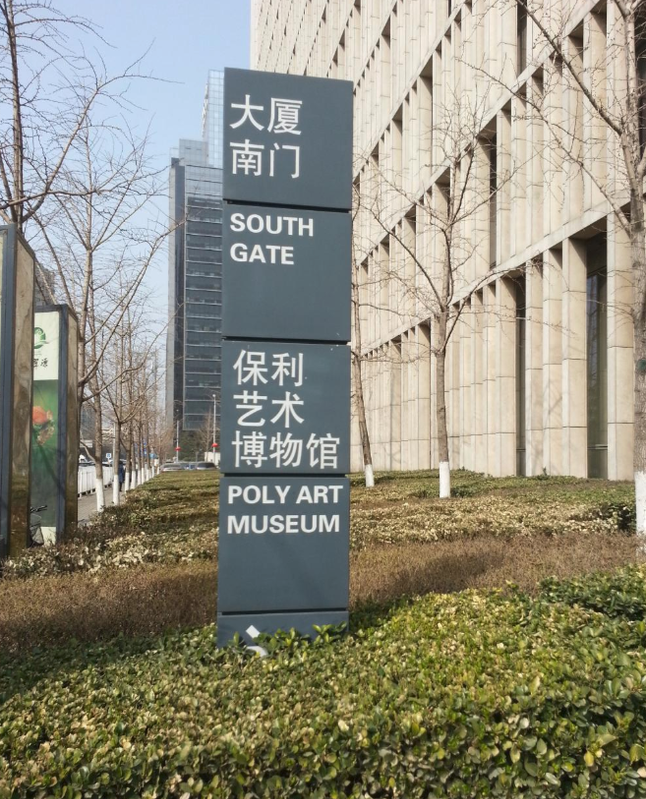
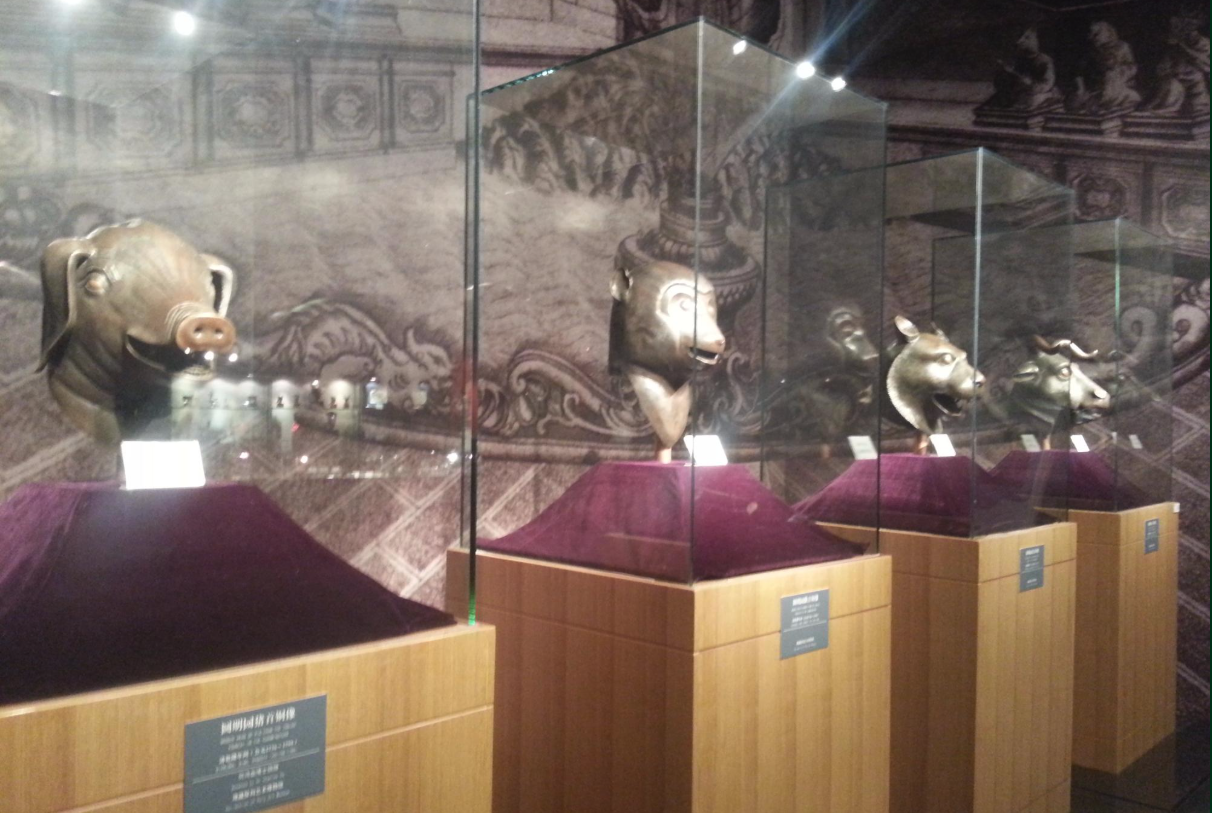

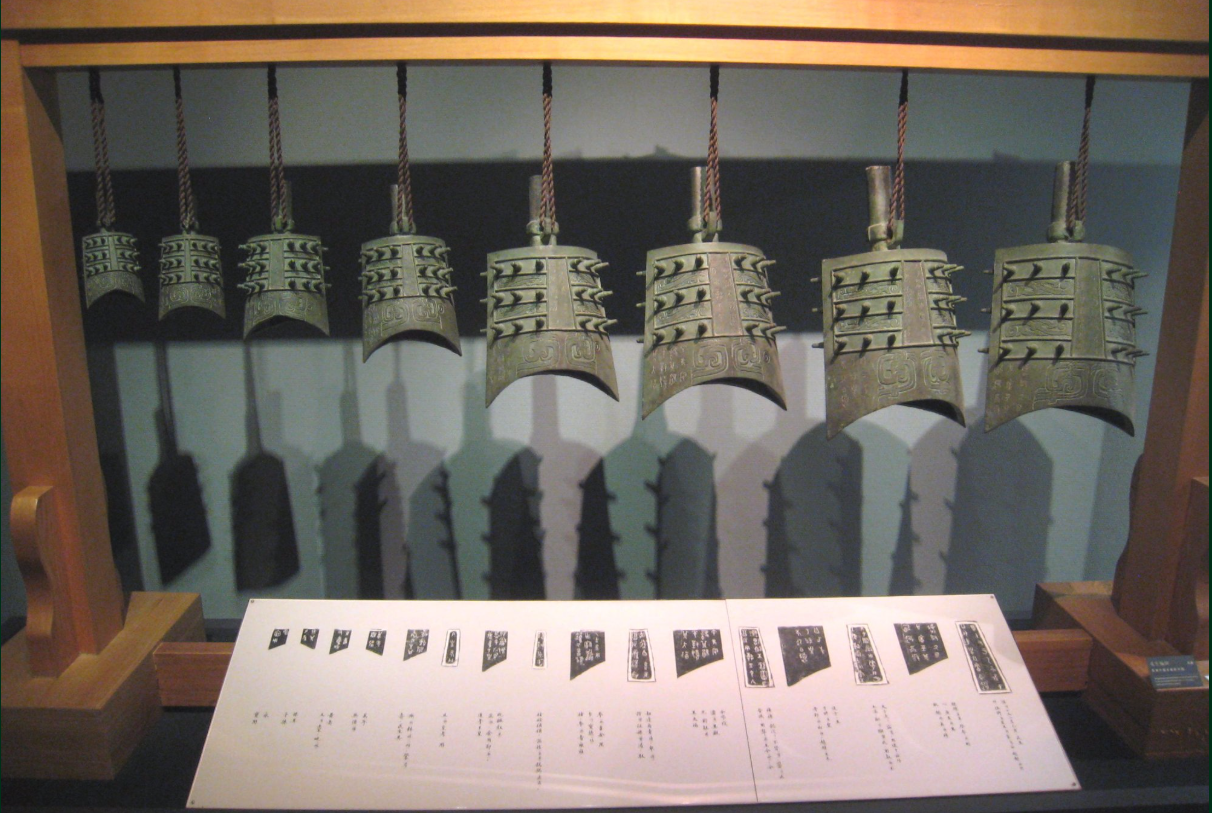
Open Mon–Sat 9:30–16:30, ¥20 admission. Access via 东四十条 Dōngsì Shítiáo Station (Metro Line 2), Exit D.
Last updated October 3, 2026
edited
DRIVING AND CARE |
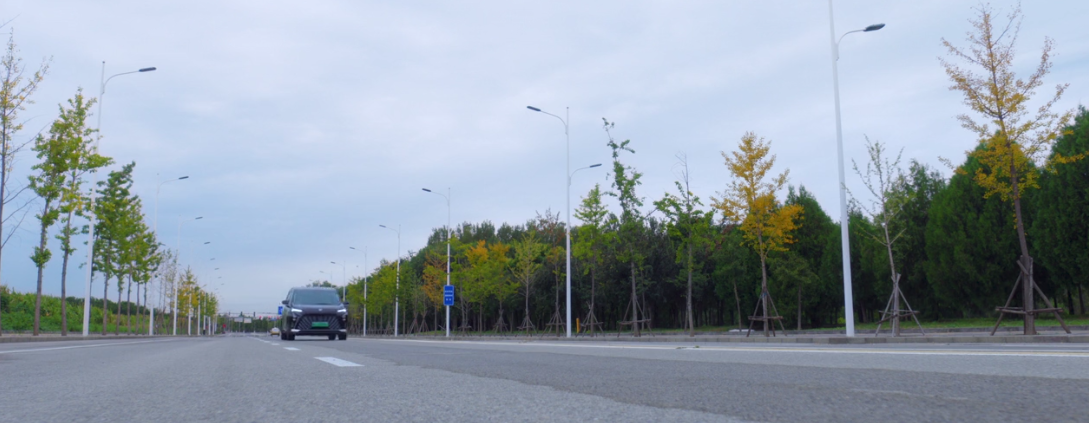 Ep.1 screenshot : There were drives to and from Capital Airport Terminal 3 (up north-east after Cuīgèzhuāng) : The small, rectangular blue sign visible in the median greenery is a standard Chinese traffic marker indicating lane regulations or kilometers. It was not digitally added or modified for the show, meaning you will spot the exact same sign structure if you drive down that specific corridor of the Beijing airport expressway system.
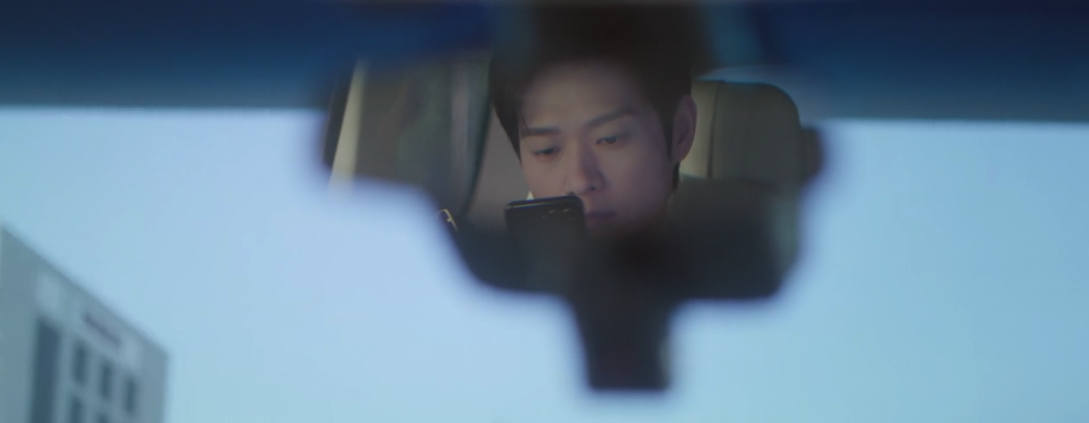
Ep.1 screenshot : The elite consulting partner Yè Xìnzhī (叶信之), is shown in the rear view mirror handling high-stakes business communications on his phone while navigating his return to the airport where Xú Chí had mistakenly picked him up instead of a guest of the consulting company Maxmise (麦克米西 Màikè mǐ xī).
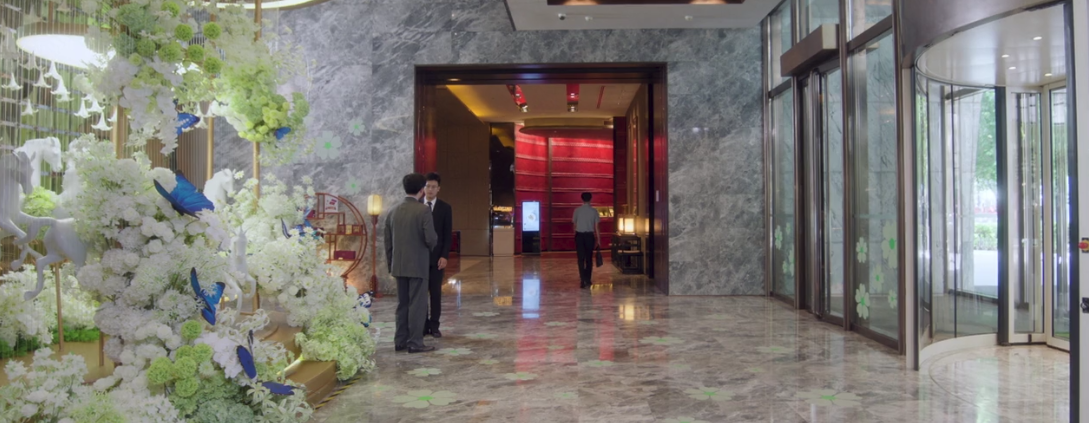 Ep.1 screenshot : Xú Chí next brought her passenger to the "Dōngfēng hotel" where she had been doing "grunt work" on orders from Lín Lóng. She crossed path again with Yè Xìnzhī who coincidentally stayed there too.
But the picture is puzzling,, since there is no hotel with such specific green leaf clover design on the tiles in Běijīng, whereas it fits totally the pictures from polished beige marble floors uniquely inlaid with green four-leaf clover/flower petal shapes— a custom architectural signature belonging exclusively to the Wǔděng (5 star) Grand Hotel (Chóngqìng). Because Irreplaceable is a major television production, the crew might have traveled outside of Běijīng to utilize this particular grand lobby for the premiere episode's luxury hotel scenes, even though the story itself takes place entirely in Běijīng. While top luxury hotels in Běijīng like the China World Summit Wing or the New World Beijing Hotel utilize similar deep red geometric pillars and grand glass entries, none of them feature the distinct clover pattern on the floor. Since production stated the drama was all filmed in Běijīng : another possibility is that these two scenes were created in the studio of Zuìkù International Cultural Creative Park, using footage from the Wǔděng Grand Hotel.
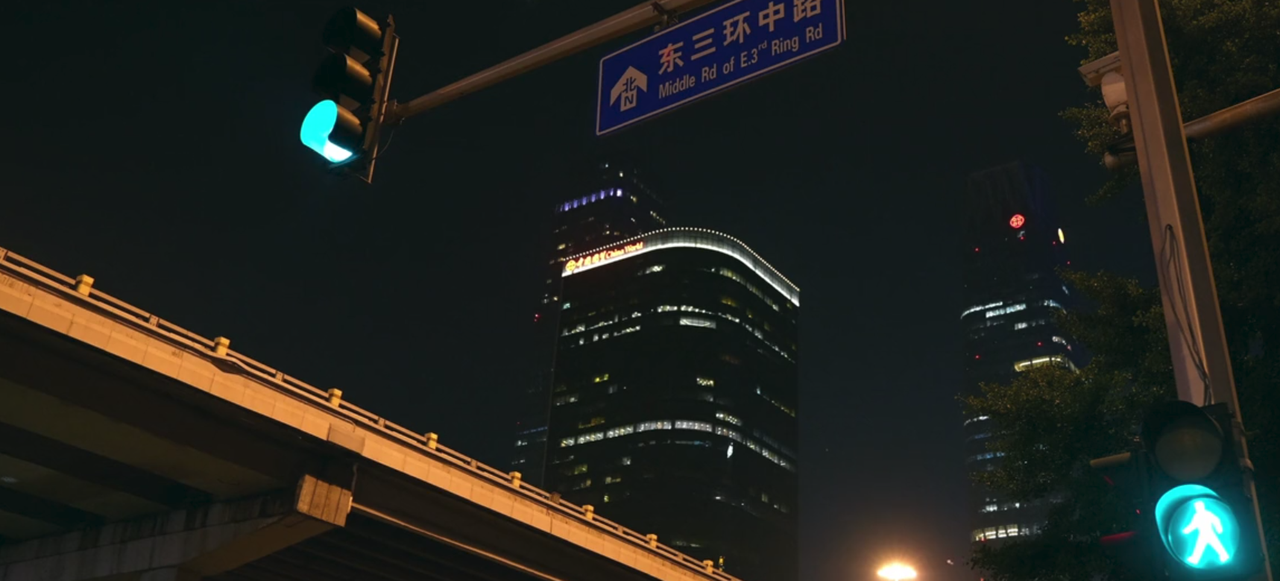
 Ep. 7 screenshots : The dramatic night scene where Xú Chí 's strict idol/mentor Yè Xìnzhī drives brutally while aggressively lecturing her about corporate accountability and the ruthless nature of the consulting industry was filmed on the Guǎngqú Expressway Elevated Road (广渠高架路 Guǎng qú gāojiàlù), which runs all the way east to the 6th Ring in Tōngzhōu suburb, from 3rd Ring Shuāngjǐng Bridge (which is a road bridge on Běijīng's 3rd Ring Road, located between Guómào Bridge and Jìnsōng Bridge in the Cháoyáng district). It also used the East Third Ring Road overpasses. The production team intentionally utilized these high-speed elevated loops at night to visually mirror the suffocating pressure and fast pace Xú Chí was experiencing in her struggle to become a senior analyst despite her mentor's backstabbing and her rich friend pulling the rug from under her feet.
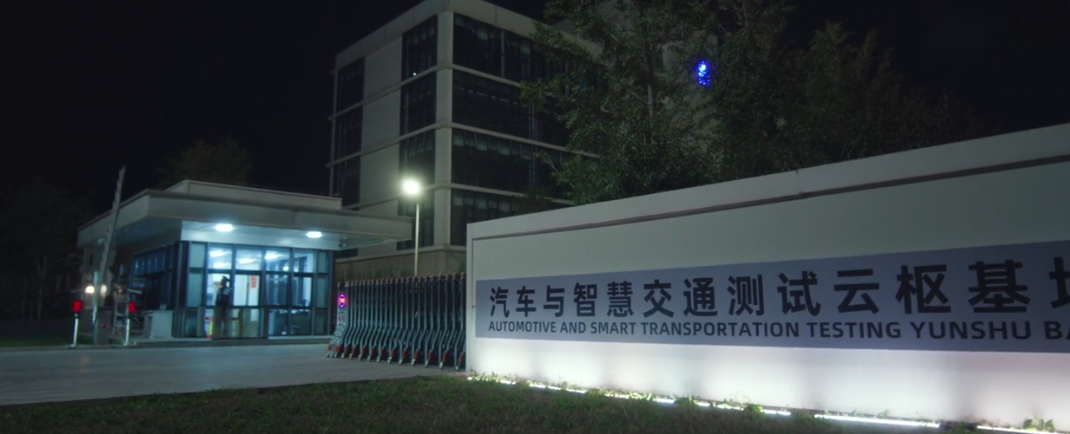
The sign and layout look similar to the Automotive and Smart Transportation Testing Yúnshū Base (汽车与智慧交通测试云枢基地) in Shēnzhèn, but since production cast and crew stayed in the capital, they used a similar test drive base instead. That place is like a giant driving school, it also tests autonomous cars. There were several options to choose from: one in Hǎidiàn which could be accessed by the north ring roads, but quite far away, and the roads are often busy, even congested, in daytime. The closest one was that of Běijīng E-Town (Yìzhuāng (亦庄) about 1/2 hour from Guómào by the G2 Expressway at night when traffic is very light. Yè Xìnzhī could take Xú Chí on the "therapeutic crazy drive" there, to snap her out of her depression.
Běijīng E-Town : the Běijīng Economic-Technological Development Area (北京经济技术开发区;Běijīng Jīngjì Jìshù Kāifāqū) is a high-level autonomous zone developed since 1994, in the Dàxīng District of Běijīng, outside 5th south-east ring-road: pillar industries include pharmaceuticals, information technology, mechanic & electronic products, and new materials. It also has started to attract tourism for events at festival times.
- o O o -
.png) Ep.7 screenshot : The hospital chosen for Lín Lóng for her hospital care after her dramatic incident in ep.6 was the Měizhōng Yíhé 美中宜和 (US China harmony) private hospital, aka Běijīng měi zhōng yí hé fu'er yīyuàn 北京美中宜和妇儿医院 . This is a famous private hospital which used to be the one favored by expats in the Lido area, north of Lido Park (丽都公园 Lìdū Gōngyuán) close to Wàngjīng. It is internationally recognized as Amcare Women's & Children's Hospital.
Ep.7 screenshot : The hospital chosen for Lín Lóng for her hospital care after her dramatic incident in ep.6 was the Měizhōng Yíhé 美中宜和 (US China harmony) private hospital, aka Běijīng měi zhōng yí hé fu'er yīyuàn 北京美中宜和妇儿医院 . This is a famous private hospital which used to be the one favored by expats in the Lido area, north of Lido Park (丽都公园 Lìdū Gōngyuán) close to Wàngjīng. It is internationally recognized as Amcare Women's & Children's Hospital.
Address : No. 9 FāngyuánWest Road / Jiangtai West Road, Cháoyáng District,Běijīng. 北京市朝阳区芳园西路9号.
"According to market observations in early 2026, with the establishment of International Departments within top-tier public hospitals such as Běijīng Children's Hospital, the supply in the high-end pediatric healthcare market has become more diverse. Běijīng United Family Maternity and Children's Hospital, as one of the other private hospitals specializing in or known for its Pediatrics Department", enjoys similar trust (and crises within the high-end pediatric market, involving complaints related to 'Poor Service Attitude,' 'Overtreatment,' and other aspects). Thus, Měizhōng Yíhé is now officially rated 'second level' ; still, "compared to the International Departments of Public Hospitals, Private Hospitals still hold advantages in Emergency Services, Drug Accessibility, and Bed Supply. " (source)
The hospital was founded in 2006 by Lan Hu (Hú Lán 胡澜), after she registered the company in 2004. She was a graduate of Peking University Medical School who later earned a Ph.D. from Ohio State University and an MBA from the University of Michigan and set her mission goal as "creating an international high-end medical brand for women and children, focusing on providing high-quality gynecology, obstetrics and pediatric medical services to meet the medical needs of Chinese high-end families." The group was co-invested by Warburg Pincus, China Everbright Group, and Aerospace Fund, financed through shareholding. |
Since then, the group has expanded to Běijīng Yàyùncūn & Tiānjīn (2012), Hángzhōu, Shēnzhèn (2013), and Hǎidiàn District (2015). In 2022, ByteDance acquired full ownership of Měizhōng Yíhé group through its subsidiary Songguo Medical. |

The "Wànliǔ campus" in Hǎidiàn District opened in 2015 (after the company got registered on May 26, 2014), located near the Summer Palace and about 1km from the Bāgōu Station (巴沟站) on Line 10 of the subway, at 万柳中路7号. This hospital has become the group's largest flagship hospital in Běijīng, covering about 21,000 m². It's a second-level specialty hospital focused on women's and children's healthcare, with 60 inpatient wards and 5 operating rooms (3 laminar-flow ORs + 2 outpatient ORs). While focusing on women's and children's pre- and post-natal care, including ordinary or difficult childbirth, it also provides related services in medical aesthetics, dentistry, ophthalmology, orthopedics, psychology, etc. It furthermore maintains a green referral channel with Peking University Third Hospital (北医三院), whose experts regularly see patients at the campus.
Last updated October 3, 2026
edited
OLD HOMES (AND STUDIOS) |
.png) The former home of Xú Chí real location was filmed on-site in Běijīng, at an actual, older residential neighborhood in Běijīng—likely a preserved multi-family housing block or an old institutional compound—to get the realistic look of a modest, weathered apartment building . However, the "Yǒng'ān Road No. 1" (永安路1号) sign itself is a prop added by the production team, to avoid having fans flocking to the real location (kept secret) and disturbing real life residents.
The former home of Xú Chí real location was filmed on-site in Běijīng, at an actual, older residential neighborhood in Běijīng—likely a preserved multi-family housing block or an old institutional compound—to get the realistic look of a modest, weathered apartment building . However, the "Yǒng'ān Road No. 1" (永安路1号) sign itself is a prop added by the production team, to avoid having fans flocking to the real location (kept secret) and disturbing real life residents.
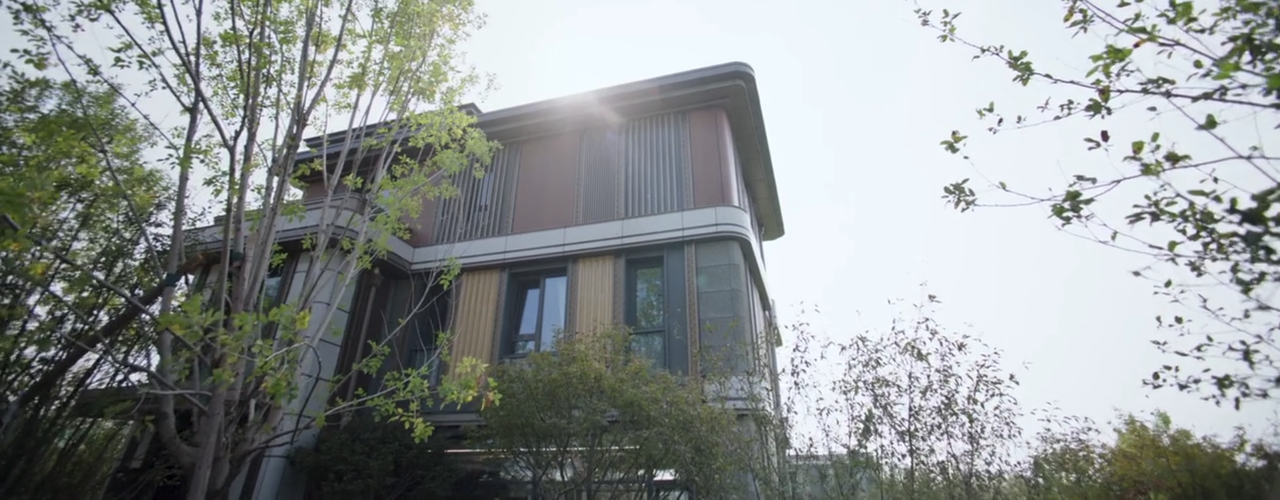 The building used fior Bù Tiānnà parents' home was a building in Cǎochǎngdì, down the street from the famous Three Shadows Photographic Art Gallery. The Zuìkù International Cultural Creative Park (醉库国际文化创意园) shooting base is located at No. 8 jiǎ, Cǎochǎngdì, 北京市朝阳区草场地8甲8号 which sits right in the heart of the Cǎochǎngdì Art District in Běijīng. While parts of the broader Cǎochǎngdì village area have undergone demolition and redevelopment over the years, this specific cluster of art blocks and creative studio bases remains heavily used for filming high-end modern dramas like Irreplaceable.
-o O o -
|
|
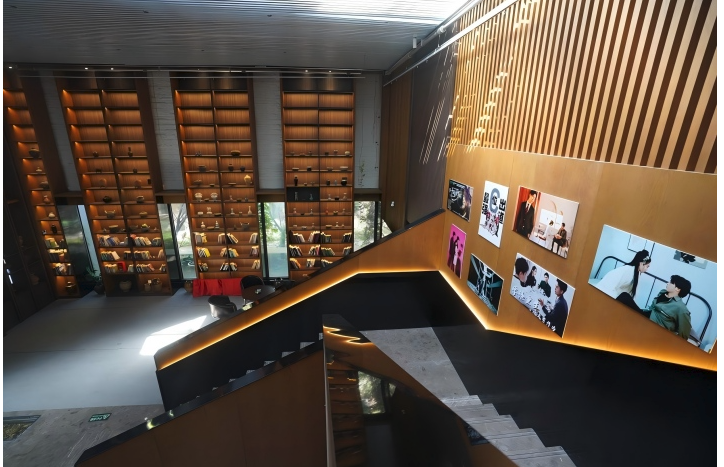
Zuìkù International Cultural Creative Park is also where the sets of interior office scenes were created. The area is home to Straw Bear Entertainment (稻草熊娱乐) company which has cooperation with Youku, iQIYI, Youku, Tencent Video, Mango TV and satellite TV channels. They work with occasional long form but increasingly with short form drama, for which the Zuiyingchang (see article) part of the base is pushing "Micro Dramas + Cultural Tourism" Integration.
Last updated October 3, 2026
edited
TEMPORARY RESIDENCES |
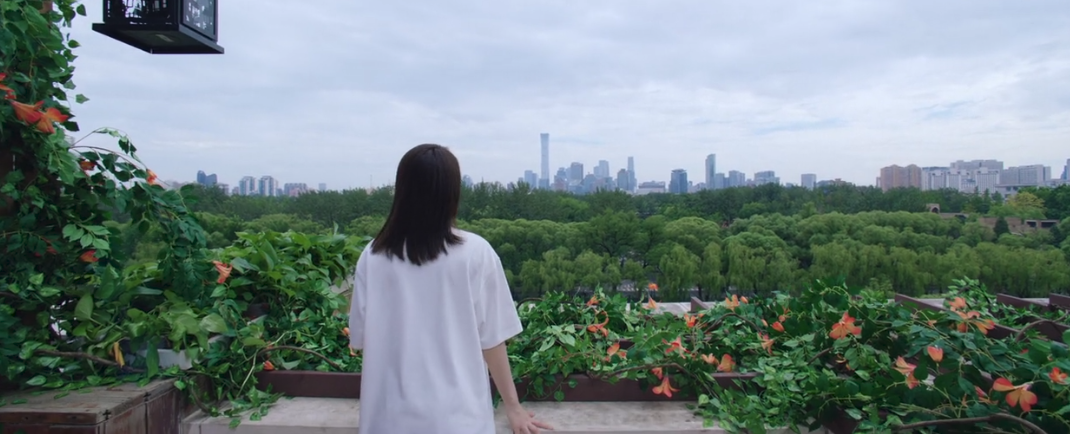 Ep.4 screenshot : the rooftop terrace breakfast scene at the hotel (looking directly at the CBD skyline from across the massive Cháoyáng park) was filmed from the high floors of The Bulgari Hotel Běijīng which stands on the banks of the Liàngmǎ river near the embassy quarter. The boardwalks and willow-lined paths paths along the Liàngmǎ river are where Xú Chí and Yè Xìnzhī went jogging.
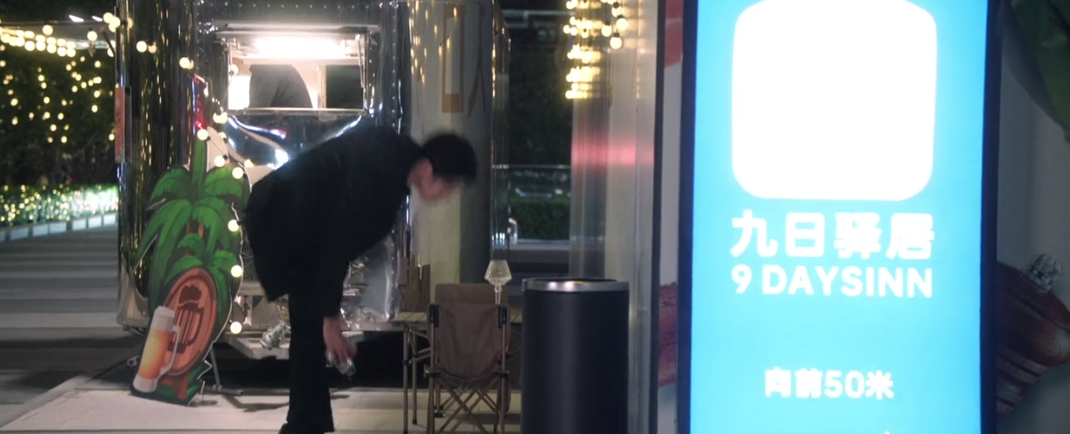 Ep.9 screenshot : Xú Chí had chosen to live in an inexpensive guesthouse close to work and to Yè Xìnzhī 's hotel, coincidentally. But there are nos such guest houses in the real area: the sign is a prop, as is the food truck and the lights installed near the entrance of an underground garage of Poly International Plaza (保利国际广场), which serves as the principal building backdrop for the corporate consultation firm in the show. The boardwalk is real.
 Nevertheless, the pictures (gif from screenshots in ep.10) above does match the Yi Stack Hotel in Building 6, Courtyard 30, Xiàguānglǐ, Xiǎoyún Road,霄云路 Cháoyáng District (in the Yànshā 燕莎 Business District, near the Embassy Area and the Sānyuán Bridge on the East Third Ring Road). This was likely used for Xú Chí's "inexpensive guesthouse" close to work, but in reality, Yè Xìnzhī could hardly have observed her on her balcony from his hotel windows.
- o O o -
But this area is the one of the most expensive one in the capital : "The Yànshā area sits at the intersection of the East Third Ring Road and the Capital Airport Expressway, making it a key commercial node between the Běijīng CBD to the west and the airport to the northeast. It's one of the most expensive residential and commercial zones in the city, with average property prices around 69,000 yuan/m² as of 2026."
The famous Lufthansa Youyi Shopping centre 燕莎友谊商城 opened in June 1992 and becoming China's first Sino-foreign joint venture retail enterprise in April 1993, approved by the State Council. Starred hotels were built nearby : the Hilton the Kempinski Hotel (on Liàngmǎ Qiao lu, almost at the crossroads with the Third Ring Road) and serviced apartments towers flanked them (Landmark towers opened in 1990 and renovated in 2008, etc), the "Lucky Street" at the end of Cháoyáng Gongyuan Xilu, already famous for its strip of restaurants (German Bakery, Italian pizzeria, Korean and Japanese restaurants, American style bars with music at night etc) was adorned with a new low rise shopping village called the Solana (which featured malls and a large cinema, an ice skating rink, fountains sending water up to refresh visitors in hot summers, many restaurants including a branch of the Lebanese 1001 Nights with belly-dancing, and ice-cream parlors, a waterfront on the edge of the lake shared with Cháoyáng park and connecting to the Liàngmǎ canal.
Across the large avenue connecting the third ring-road to the fourth ring road, the area was long left under development from sleepy suburb-like drive-in cinema, invaluably useful garage for maintenance and cleaning of car, and aging buildings that got torn down to make way for the new glitzy embassy quarter where the Japanese one had long stood, magnet for the "Japan-Town" expats who dined around Lucky Street ,and lived in old "Japanese" residences (like the historic Guāngmíng Apartments 光明公寓 (a hidden 164 Japanese style town houses residence launched in 1985), featuring quirky hip baths in the bathrooms. (But since the Japanese school settled up in Jiāngtái area near the Art zone 798 already in 1988, the Japanese temporary residents community drifted increasingly to residences near to that area.)
Among the casualties in the mid 2010s were the Nürenjie 女人街 "flea market" hall, and its adjoining LaiTai Flower Market (莱太花卉市场) where many residents could choose all sort of stuff, curios, carved wood furniture, inexpensive clothes, plants and fish for their aquariums.... But times must change. The Yànshā area had ceded its glamour as window to the luxury and imports to Taikoo Li in nearby Sānlǐtún. Faced with the challenge, the Yànshā area was again rejuvenated with the Liàngmǎ River evolving from a quiet canal into Běijīng most polished nighttime destination, blending AR-enhanced cruises, light art, waterfront dining, and live performance into a single continuous experience.The roads in the quarter are increasingly lined with new slick award-winning designed towers like the No.33 Xiǎoyún Road office building (awarded in 2017).
燕莎友谊商城
|
|
|
|
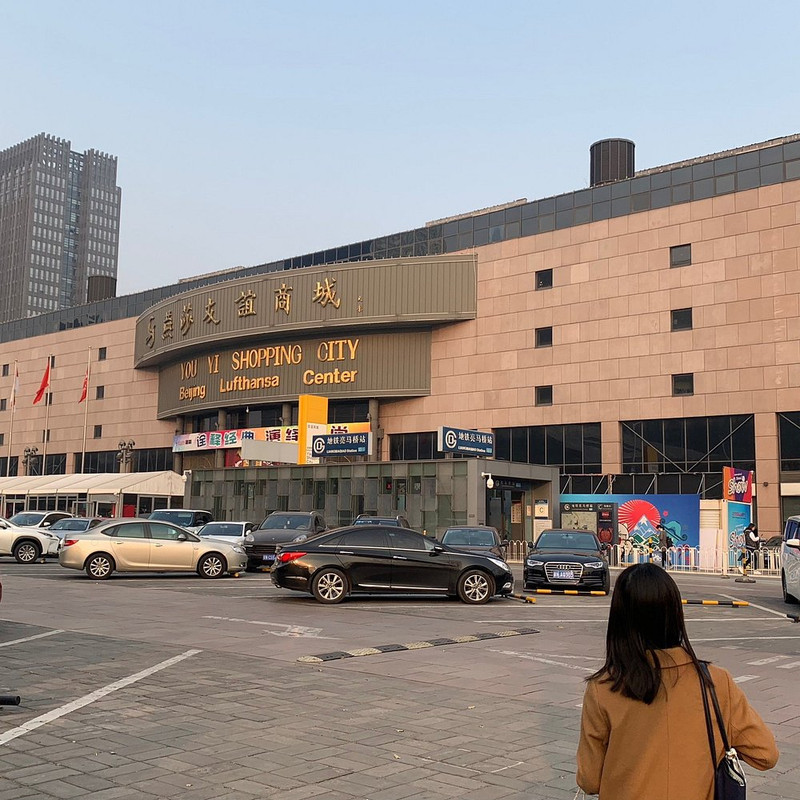
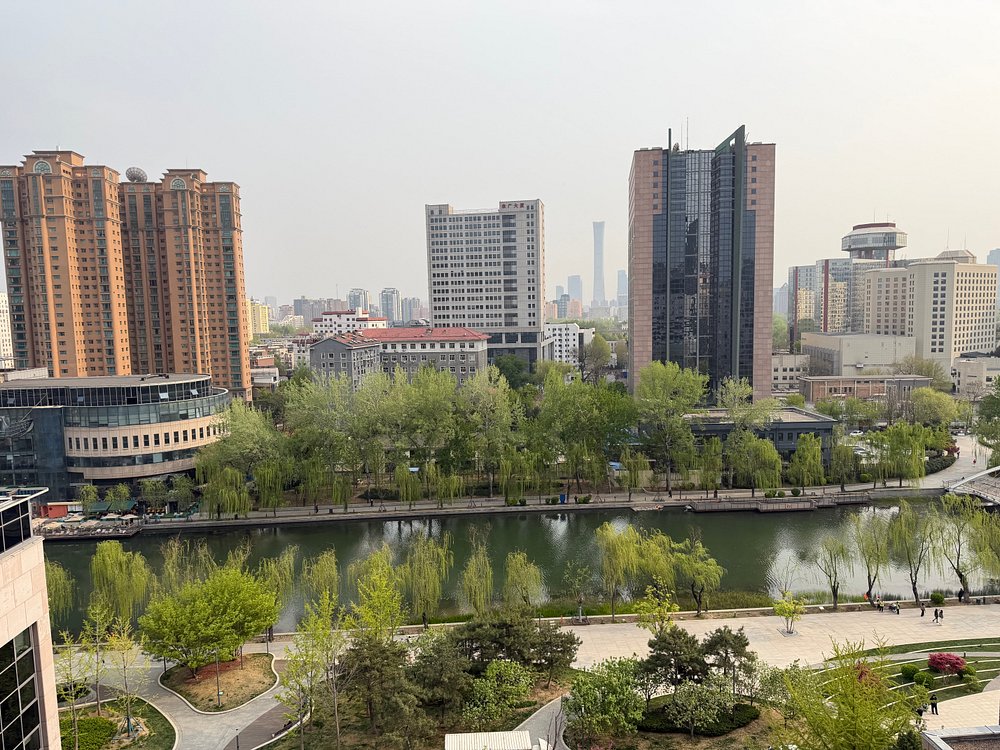
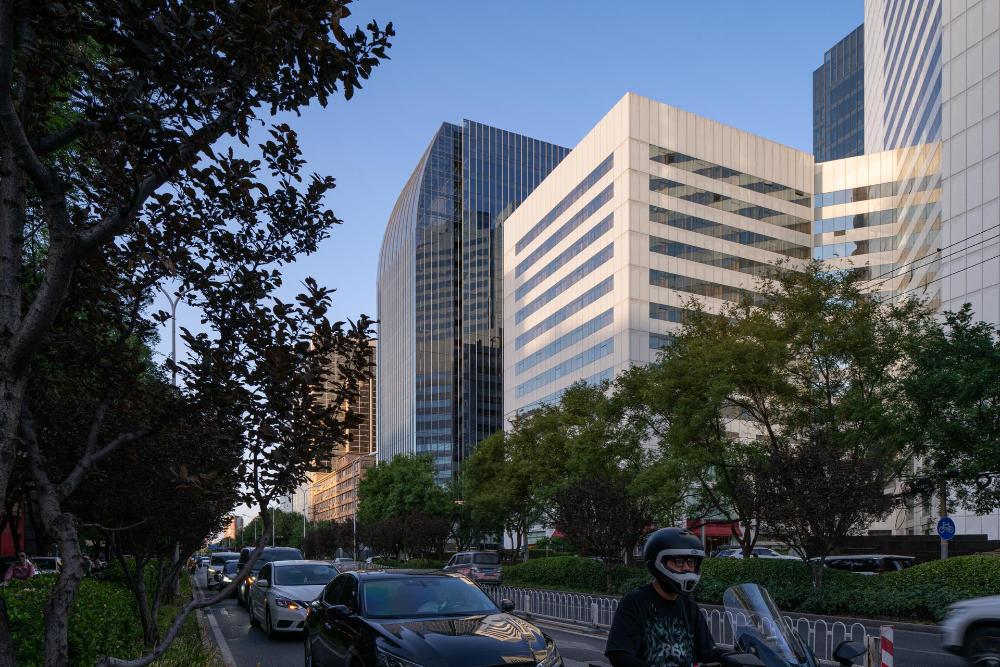
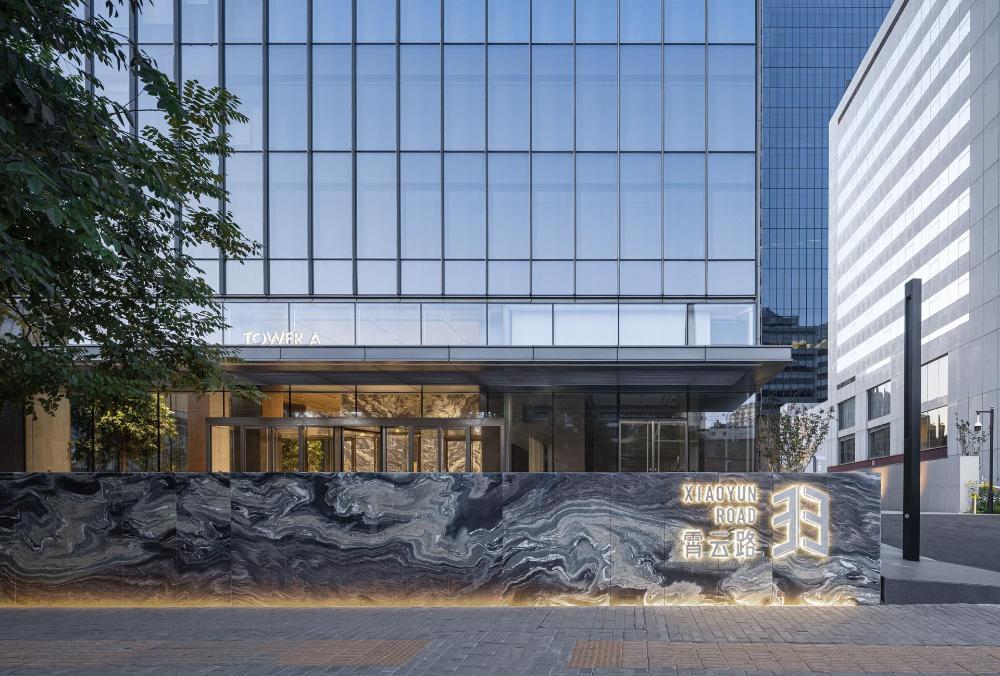
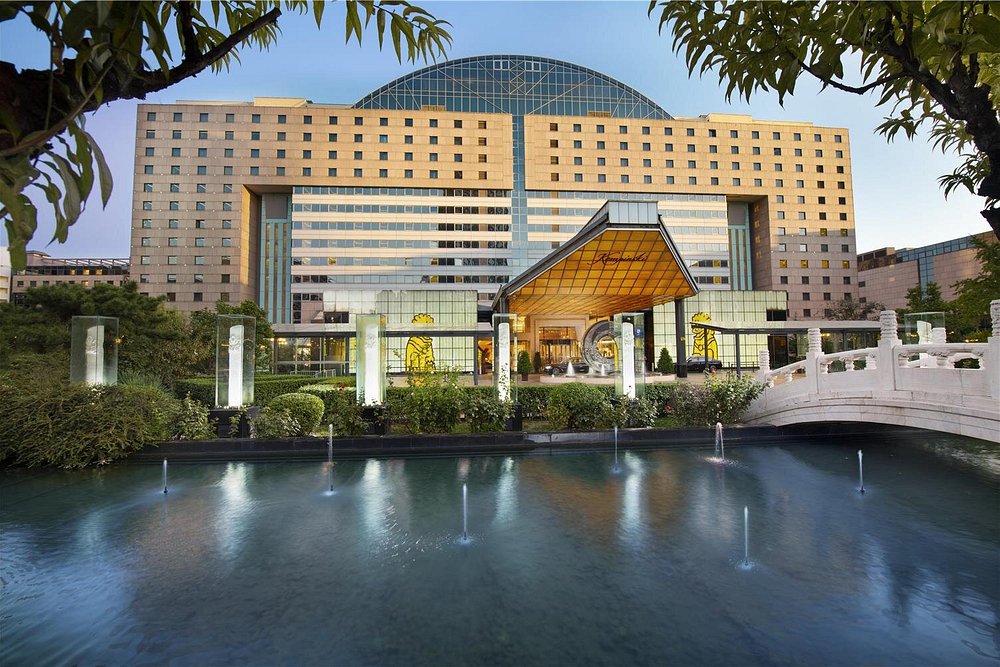
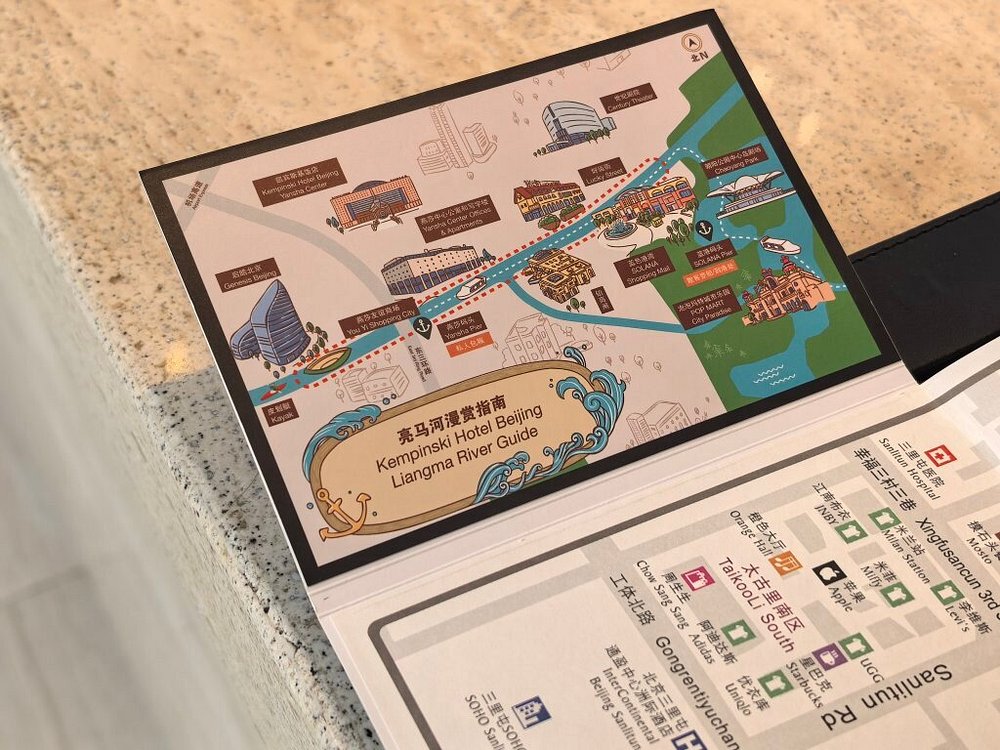
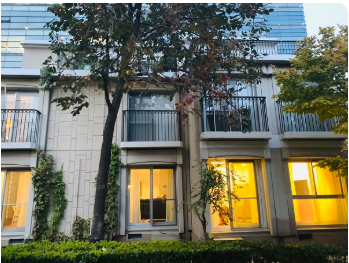
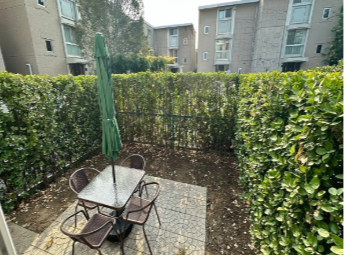
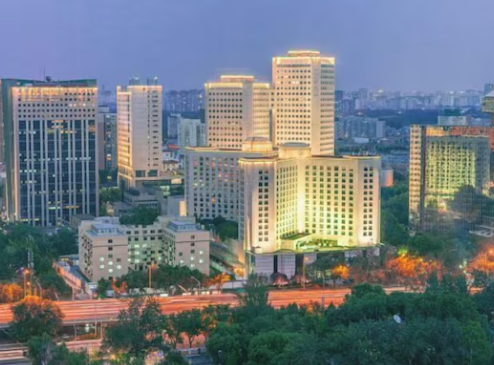
Běijīng is forever a vibrant city where the ground trembles from hammer drills, heavy traffic (even though softened by the switch to EVs) or loud wild music, and what was familiar often changes or disappears to make way for new excitement : the paradise of architects, developers and consultants and the survival test for artists ! Despite some choose to stay, born and bred there or not, even long-term residents are often going to move, either around or out of the city where they belong temporarily.
- o O o -
 Episode 9 screenshot gif : Bù Tiānnà's residence in " Bairui No.1 Apartments" (佰瑞景壹号公寓) This is of course a fictitious address, but the views from the windows piece together an interesting puzzle of how to show backgrounds stitched together, while looking somewhat realistic. The living room is L shaped with the long comfy couch and the low table sit with floor to ceiling bay windows behind, bringing in sunlight. To the left of the couch, stands a short pillar-wall before the short side of the L at right angle. This short recessed part has a three- panes similar floor to ceiling panoramic bay window which appears to overlook a Summer Palace impression vast leafy park with lakes and bridges in the distance, and further away, very far, a wall of ochre buildings. (The corresponding interior L shape part opens in front of the couch to a short corridor to the apartment door, and on the left side of the couch, to a closed door which leads to Tiānnà's bedroom which we see in other linked scenes of this "going home to rest after she fainted in the office".) The long side of the exterior L is split by a round white pillar and a potted big leafy and high plant, behind a short wall tapested in burl wood style, below which stands a wooden cabinet on which knick knack is on display under a rectangular non figurative color-dash painting hung in the middle of that wall. The remainder of the long L is a dining/breakfast nook barely glimpsed, with only a row of chairs, also lit by the continuing window panes.
The overall impression is slightly jarring, mixing modern interior minimalism with clutter and cushions and expensive looking but inconsistent furnishing. The bay windows in the short side recess of the L have white thin curtains drawn to the side, while the other ones on the long side seem to have none despite the view is toward buildings and a street glimpsed far down in between the nearby high rises. In one frame, a darkened recess opening suddenly on left side, gives away that the apartment is unreal, and is a studio construct (also revealed by the bizarre square area, perhaps meant as an impression of a recess towards elevators) in front of which Tiānnà folded down on her knees, after entering the vast and deserted lobby of the building once she got out of the taxi with Xú Chí) .
Using a long conversation with an AI supported by a series of documents for the suggestions, and my personal experience of the area, here is an explanation :
"The production team shot this apartment location at the Poly International Plaza (保利国际广场) complex in Wàngjīng. The scene uses one of the high-rise luxury residential showrooms or private penthouses bordering the North 4th Ring Road, facing back toward the park.
[Note : the link leads to an article in Chinese with interesting BTS views of the shoot of the drama in Wàngjīng.]
Here is how the visual pieces puzzle together for the "park" view:
The Lake and "Bridges": The body of water visible through the right window is the northernmost lake section of Cháoyáng Park (specifically the wetlands and boating areas near the East 4th Ring). The "bridges" you see are the walking paths and stone bridges dividing the park's internal lakes. Because it's a tight angle over the trees, it heavily mimics the lake-and-bridge layout of the Summer Palace!
The "Partly Developed" Look: If you look out the window to the left, you see a thick, unmanicured canopy of trees. This is the wilder, densely forested northern ecological buffer of Cháoyáng Park. Unlike the highly manicured lakeside walks down by Màizidiàn or Lufthansa, the north end transitions directly into highway overpasses and urban greenbelts, which creates that rugged, flat, untidy look right on the horizon.
The Distant High-Rises: The high-rises you can see peeking out far into the distance on the left are the luxury corporate and residential complexes of the CBD skyline and the southern edge of the park (like Palm Springs residence), completely compressed by the camera's telephoto lens.
It's a fantastic real-world perspective of Běijīng: the crew managed to find a high-rise far enough north to capture the entire expanse of the park's greenery!"
Boiling down to ; production made use of drone shots for views stitched together. What we are seeing is not a continuous, real-world panoramic window view. Instead, it is an industry-classic digital composite background plate.
The production team shot the indoor apartment scenes using a curved, floor-to-ceiling glass layout—specifically styled like the signature rounded penthouses or luxury hospitality suites (such as the InterContinental Sānlǐtún). However, the view outside the glass is a composite created from high-altitude camera pans filmed miles apart.
Analyzing further 4 frames from the living room, this revealed :

 The Far Right Window views left side (Frames 1 & 2 below): The Tight Urban Grid
What you see: A compressed view of dense office towers, lower commercial roofing, and a prominent white, ribbed skyscraper structure rising directly outside.
The Location: This background plate is captured from Wàngjīng, looking toward the commercial core near the Poly International Plaza and the surrounding high-tech office parks. This explains the "less manicured" commercial grid feeling—it is a functional business district rather than a pristine residential green zone.

 2. The Mid-Left views Transition (Frames 2 & 3): The Walled-In Glare
What you see: A sharp transition where the ground details are blurred out by heavy window reflection, framing a grey mid-rise residential compound and an inner access street.
The Location: This slice represents the actual location aesthetics of the newer luxury developments and showroom complexes built along the East 5th Ring Road / Baiziwan / Dongba fringe zones. These areas frequently feature modern, sleek architectural lines right up against quieter, newly laid roads that don't have the heavy traffic or mature, tree-lined tidiness of Lufthansa or Maizidian.
BUT : the left side of the 4th frame is a real-world architectural landmark. It belongs to Wàngjīng SOHO—the landmark office complex designed by the world-famous architect Zaha Hadid.
The strange, protruding "tongues" on the building are layered aesthetics come down to two interesting factors:
The Signature Deconstructivist Style: Those stark, white horizontal bands curving around the exterior are Zaha Hadid's signature. The three towers are famously built to resemble interweaving mountains or dancing Chinese fans. When you look out a regular window directly facing them, the steep, fluid, non-vertical ribbing creates a dizzying, futuristic shape that looks completely unnatural compared to standard rectangular grid architecture.
The Layered Composite Angle: Because this background plate is a digital composite pasted into the window pane, the editing team layered it to sit unnaturally close to the fictional apartment building. In reality, you wouldn't have a direct, unobstructed eye-level view into the middle tiers of Wàngjīng SOHO's towers alongside the other exact lake view frame. The compressed digital layout emphasizes the curved lines, making it look more like a conceptual sci-fi drawing than a real concrete building.
 3. The Angle recess view Left and Right side view through the Window Panes (Frame 4): The "Summer Palace" Illusion
What you see: A massive curved window looking down onto a sprawling canopy of wild greenery, a wide park lake, and distinct walking paths that look like long bridges, backed by a distant cluster of high-rises in the upper-left corner.
The Location: This is the northern ecological edge of Cháoyáng Park, compressed by a telephoto drone shot looking southwest. The distant skyline peeking out on the left is the residential south border of the park with the CBD towers cluster (including the China Zūn and CCTV arch, indistinguishable behind the wall of high rises), which are pushed deep into the background by the camera lens.
Why the View Felt Jarring : Because this is a visual patch-up, it breaks real Běijīng geography. A real living room window cannot look straight down into the wild northern woods of Cháoyáng Park while simultaneously framing the specific corporate angles of Wàngjīng right next to it.
The crew combined the high-end industrial aesthetics of a Wàngjīng corporate hub with the green expanse of Cháoyáng Park to give the characters in the scene (Tiānnà, and her guests Xú Chí and later, Zhào Héng) an impossibly massive, ultra-luxury vantage point over the city.
Perhaps it also served to emphasize the "fake", "insecure", and "fragile" impressions of would-be industry heiress Tiānnà, whose reliance on family influence is easily shattered despite the facade of appearance and certainties. Her "homes" are only temporary, be it her apartment or the room in her parents' house.
Last updated October 4, 2026
edited
CITY BUZZ PLACES |
Other noticeable places were the Sānlǐtún Taikoo Li fashion hub and the honeycomb glass structure of the nearby InterContinental Běijīng Sānlǐtún, : that's where Xú Chí and Yè Xìnzhī went to meet people and relax after work (bar, restaurant).
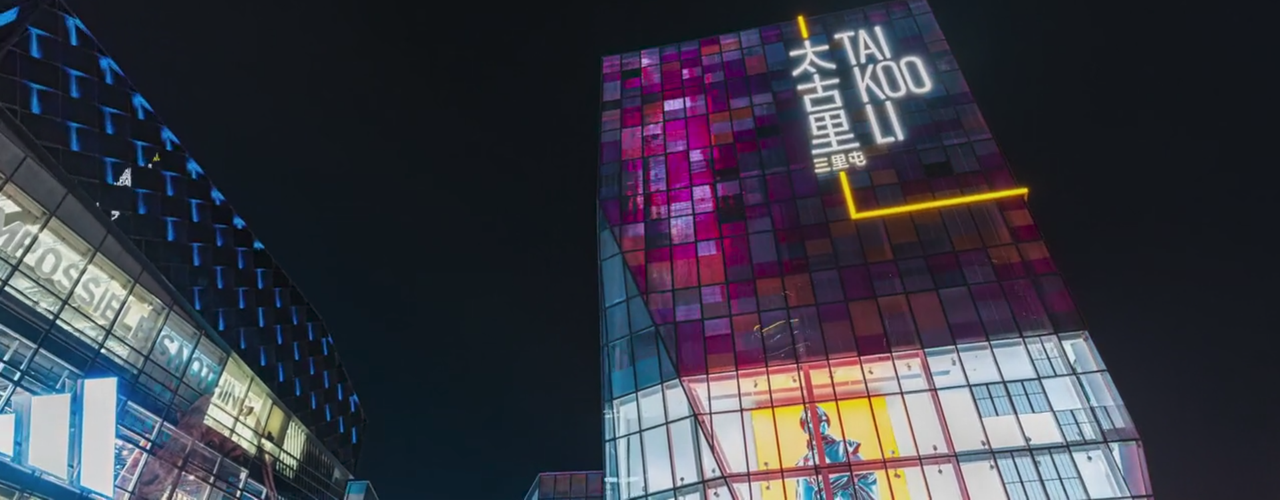
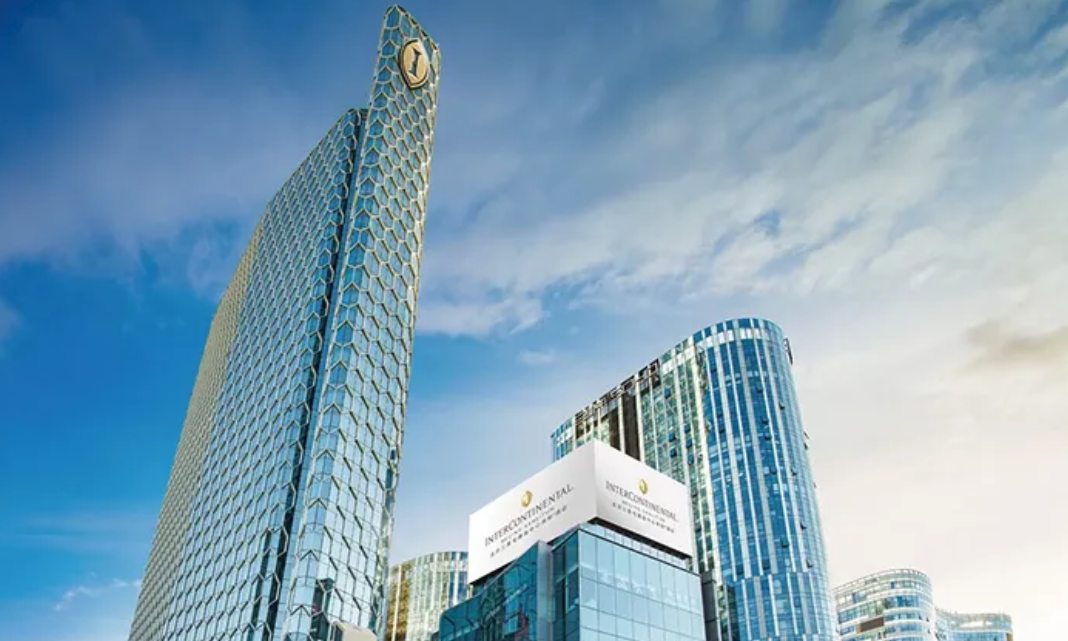
Although the exact location of the bars and restaurants have not (yet) been disclosed, they should be in the vicinity of Sānlǐtún / Liángmǎ or Guómào quarters which have ample cosmopolitan, high-end formal, glitzy, or casual venues to explore.
Yè Xìnzhī 's "restaurant rules". In episode 2 he told Xú Chí that, based on efficiency, culture, and professional boundaries, she should :
Avoid Japanese Restaurants: Cultural differences can inadvertently alienate a client, potentially impacting their trust and comfort level from the start.
Avoid French Dining: French courses are notoriously time-consuming. A professional networking or introductory meeting shouldn't trap both parties in a multi-hour commitment.
Avoid Chinese Restaurants: Traditional multi-dish Chinese dining poses too many risks regarding personal dietary restrictions, food preferences, and complex social etiquette.
The Golden Choice — The Coffee Shop: Yè Xìnzhī strongly advocated for a simple coffee shop. It is fast, efficient, eliminates the expectation of picking up or dropping off the client, and allows you to "talk and leave" (谈完即走) as soon as business is concluded.
This scene has widely gone viral on social media as a piece of practical workplace methodology, highlighting Yè Xìnzhī's character as a realistic, "no-nonsense" mentor who uses logic over flashy corporate tropes.
Yet, for more formal , intimate or confidentiality reasons, Yè Xìnzhī did choose some of the options he did not recommend. Thus :
 Ep.5 gif from screnshots : the regularly scheduled meeting of the Consulring Industry Chapter, through which Yè Xìnzhī introduced Xú Chí to his "business circle" as his "junior/mentee" (师妹)" protégé (having her bite the bullet to choose nepotism rumors over sexual or spy ones, to salvage part of her reputation and gain a beautiful foothold among industry elites as a legitimate professional!).
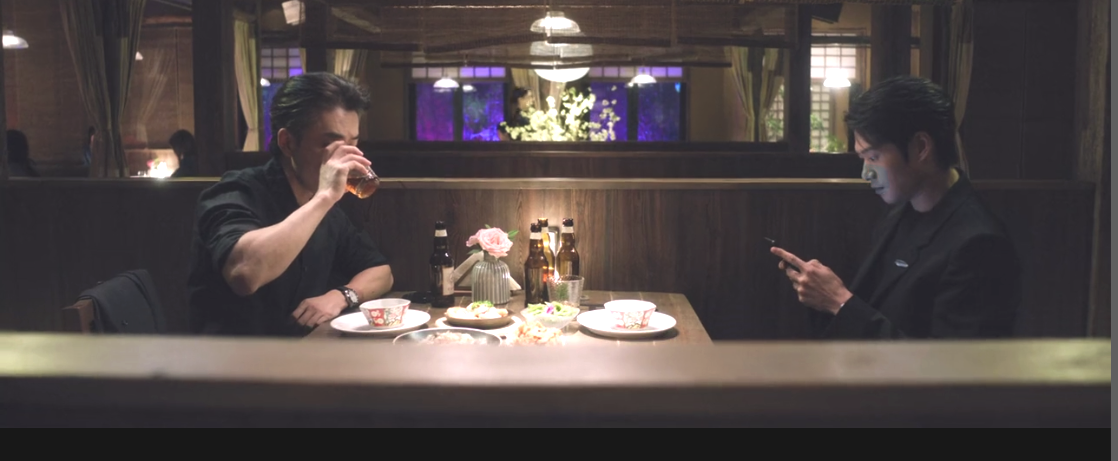 Ep.9 screenshot : Yè Xìnzhī went with with his close associate and confidant Lǎo Dù 老杜, to chat and discuss strategy, in their preferred Japanese "izakaya" bar and eatery. But that meeting was disrupted, when he noticed Xú Chí having a date with her colleague Yáng Ruì 杨睿 in another booth.
There are many good izakaya restaurants in Běijīng ;, although the most famous is HATSUNE (Kerry Center basement level(B1/B31) of the Kerry Centre Mall) favored for business meetings, or the more glitzy branch in Taikoo Li Sānlǐtún. Another option with perfect reviews is LIDAO ERDINGMU 豊岛二丁目居酒屋 Izakaya on East 3rd Ring North Road, (3号层303 邮政编码) close to Tuánjiéhú quarter and subway station (down the street from exit D).
Last updated October 3, 2026
edited
SHUNYI AND SUBURBAN ACTIVITIES |
SHUNYI
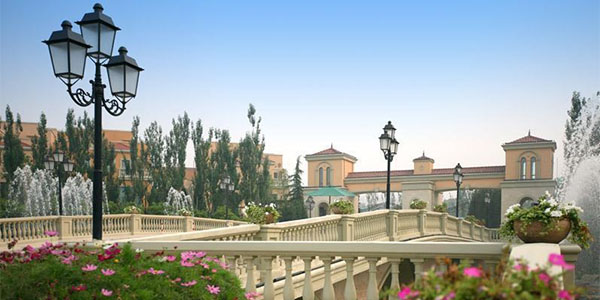
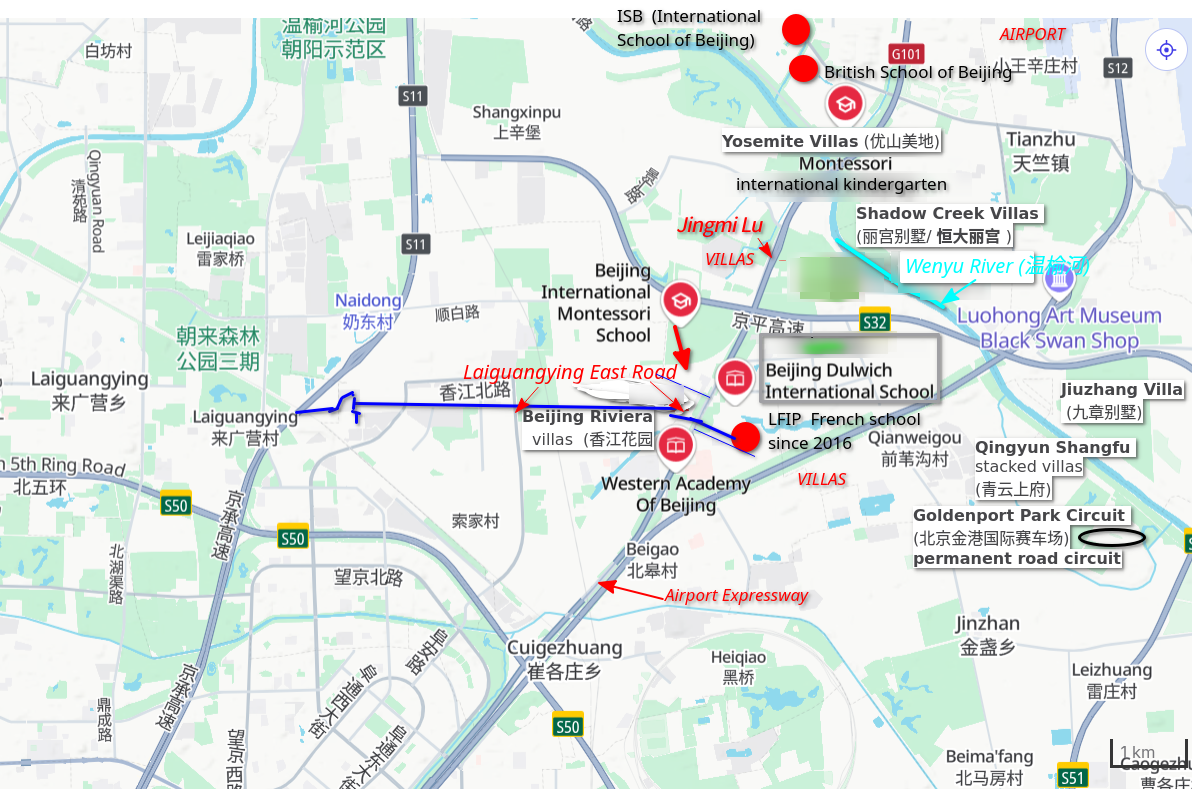
The modern, high-end villa communities featured during the executive-level scenes were primarily filmed in the Cháoyáng District (朝阳区) and the Shùnyì District (顺义区). These areas are renowned for hosting Běijīng's premium contemporary architecture, luxury low-rise villas, and corporate consulting compounds, as well as the most famous international school clusters (see some on the map below with well-known villa compounds, there are many there). While Láiguǎngyíng 来广营 has the more established compounds that have been popular with expat families for longr, the Jīnzhǎn 金盏 side is the newer, more exclusive cluster (often called the "Sūnhé–Jīnzhǎn villa belt") developed in the 2020s, close to the car race circuit.
|
|

Last updated October 3, 2026
edited
Details
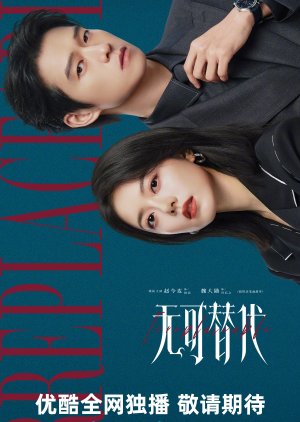
- Title: Irreplaceable
- Type: Drama
- Format: Standard Series
- Country: China
- Episodes: 20
- Aired: Sep 28, 2026 - ?
- Aired On: Monday, Tuesday, Wednesday, Thursday, Friday, Saturday, Sunday
- Original Network: CCTV, Youku
- Duration: 45 min.
- Genres: Business, Romance, Melodrama
- Tags: Mentor-Mentee Relationship, Co-workers' Relationship, Workplace Setting, Death Of A Mother, Consultant Female Lead, Age Gap [Real Life], Death, Boss-Employee Relationship, Revenge
- Content Rating: 13+ - Teens 13 or older
Statistics
- Score: 8.2 (scored by 759 users)
- Ranked: #1645
- Popularity: #3330
- Watchers: 7,033
- Favorites: 0


Popular Lists
Related lists from users



Chinese Dramas That Aren't Out Yet
237 titles 784 loves 69


Which C-Drama Are We Watching Next?
735 titles 312 loves 37
My Most Anticipated
1083 titles 220 loves 8
Recently Watched By


