 Lee Je Hoon to possibly return to the big screen with a horror thriller
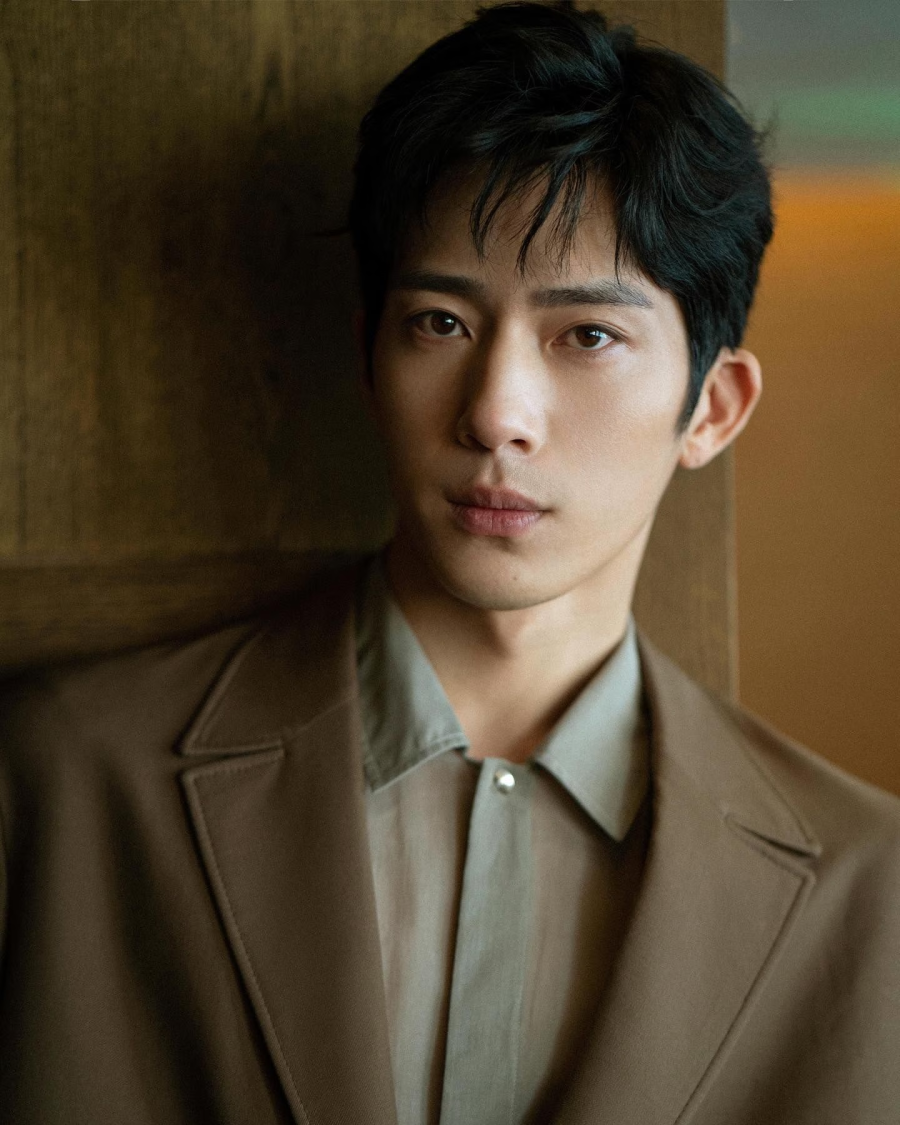
There is a quiet sense of steadiness in Jing Bo Ran's (37) journey as an actor. He rarely pursues anything actively; more often, he waits for a true encounter. When he meets someone who trusts him, he gives it his all; when he comes across a role that captures his heart at first sight, he commits himself to it. Being noticed when he was young was an unexpected twist of fate; being understood later on became a conscious realization that came with growth. He moves when the wind comes and remains still when it stops. He does not struggle to cross the waters; his path home will reveal itself.
On an ordinary evening, the set's hustle and bustle had finally subsided. A group of people sat in a private room at a Northeast Chinese restaurant — the warmth of steam and the soft murmur of voices filled the room. The dishes on the table had been reheated again and again before the director finally hurried in. After just a couple of bites, he put down his phone and played the actors a scene that had been edited together.
Those who had spent several months alongside Jing Bo Ran and were as close as brothers stood up and gathered behind the director, watching with rapt attention.
Jing Bo Ran had already watched this footage and even cried alongside the director, so he sat quietly across from them, watching the scene. For the entire 20-minute clip, the director did not take a single bite of food, completely immersed in the footage and once again moved to tears alongside the cast. At that very moment, Jing Bo Ran was suddenly struck by a gentle yet powerful force.
"Director Liu Jiang moved me so deeply. A director like this is worth an actor working himself to the bone for."
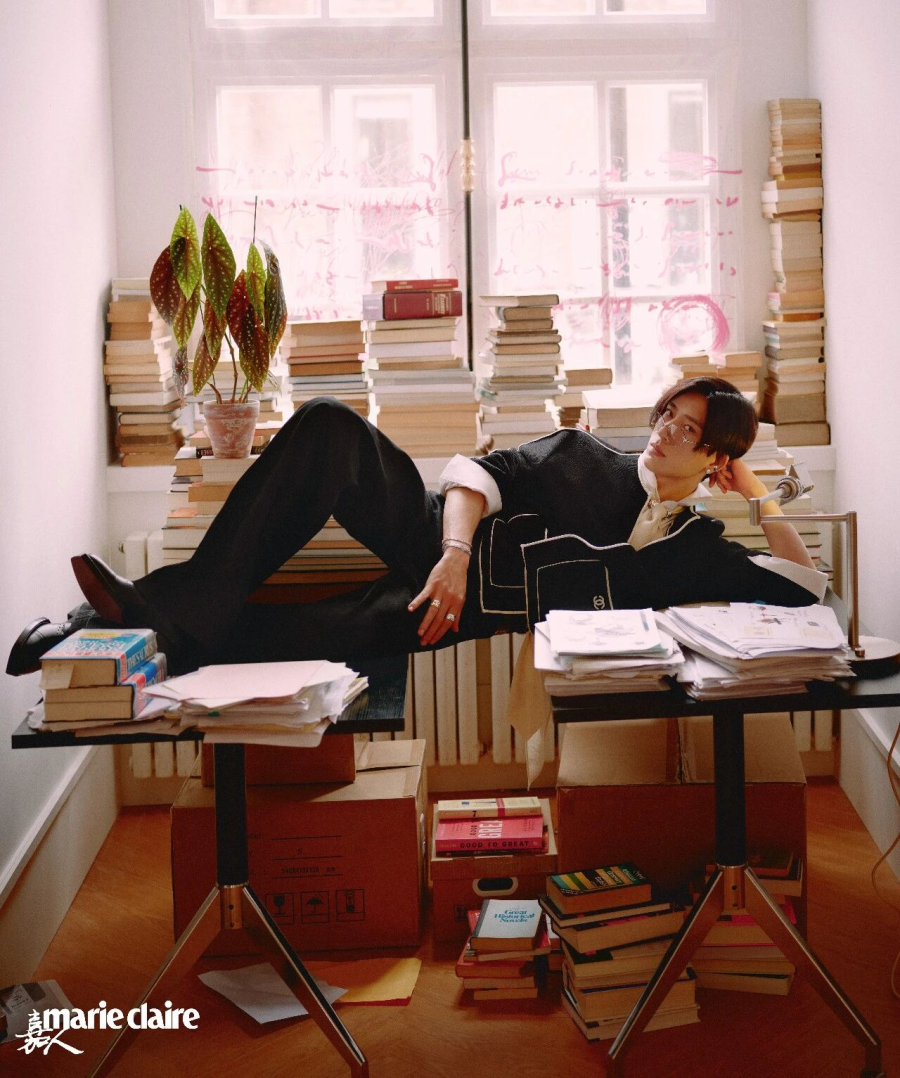
At that moment, Jing Bo Ran's unchanged approach to life over the years was affirmed once again. Since entering the industry, he has never sought work opportunities.
"I like to let things take their natural course. When I meet a director who thinks I'm right for the job, I give it everything I've got. If they think I'm not cut for it, I don't offer explanations either."
When he received the offer for The Seven Sons of the Family (literal translation), he was initially given the script for the first 20 episodes. As he read, Jing Bo Ran found himself laughing and crying, deeply moved by the shifting fates, the bonds between siblings, and the emotions of the era woven into the writing.
"Because I didn't have the scripts for later episodes yet, I also read the outline. I cried buckets reading it. It's rare for words to make me cry that much."
The story of The Seven Sons of the Family is set from the 1970s through the early 2000s, following seven brothers with very different personalities in a working-class family in northern China, as they experience over 40 years of life's ups and downs.
Jing Bo Ran plays the fourth son, Liang Dong Qiang, a taciturn but loyal and devoted man. Feeling indebted to his parents and family, he takes on the responsibility of caring for his brothers, spending his entire life working and struggling for the family and never truly living for himself.
From the start of filming to the wrap, Jing Bo Ran cried every single day. He told the director that the crying scenes in the first month of this drama were more than all the crying scenes he had done over the past decade combined.
"I cried so much that I got eye bags. They kept drooping lower and lower, almost all the way down to the ground." The director wasn't much better either. He cried when the actors cried and laughed when the actors laughed. "People of that era carried heavy emotions and responsibilities. There are no filler scenes in this drama — the characters are richly developed, and the emotions run deep."
Jing Bo Ran said, "The director deeply loves and understands actors. He often shares clips with us, and with every scene, whatever you give him, he can understand it. It's rare to come across a director who is completely on the same wavelength as the actors. He's like the father figure in the drama — a head to the whole team."
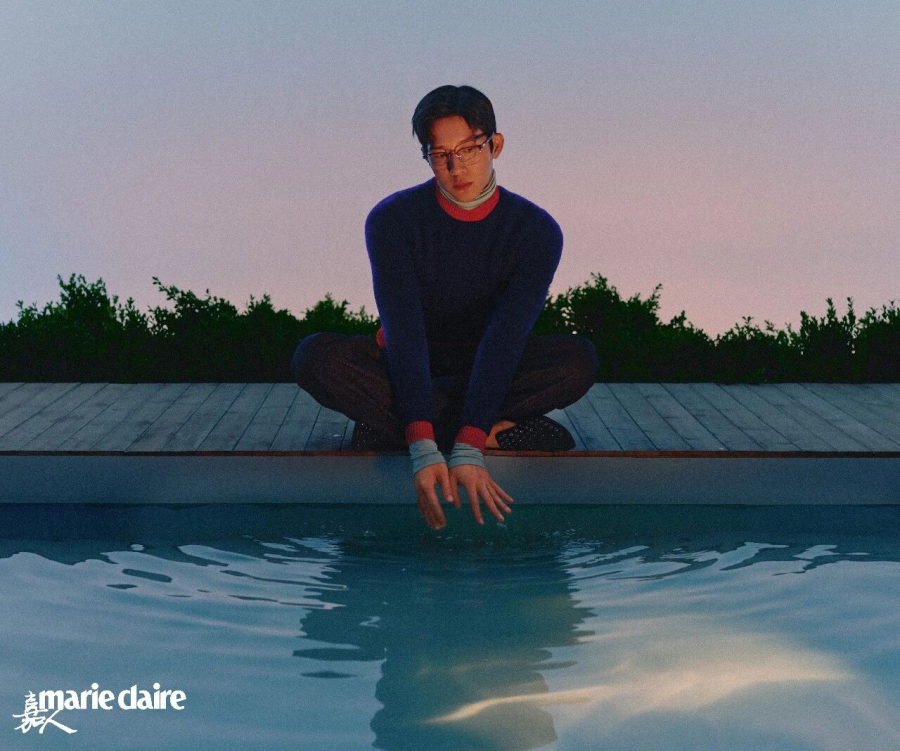
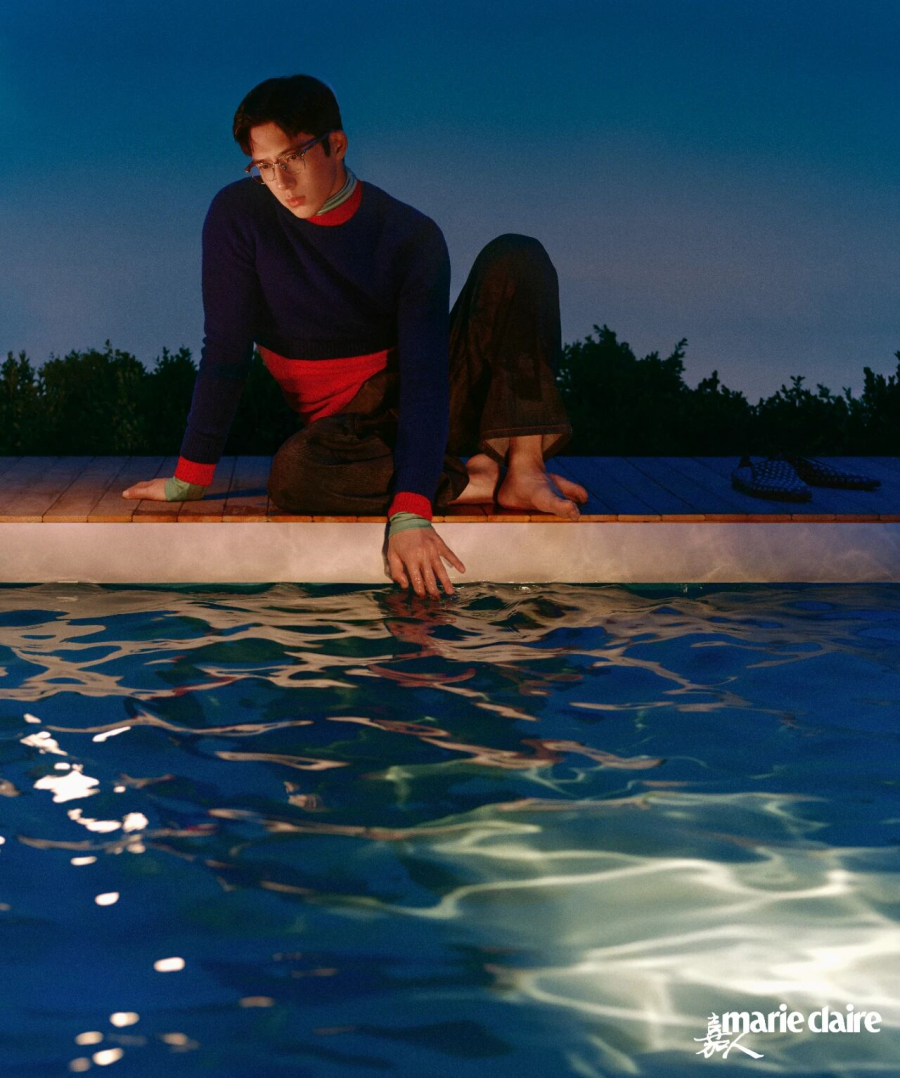
The Seven Sons of the Family marks Jing Bo Ran's first foray into the period family drama genre. On set, he often wore a navy blue coat and gray workwear trousers, blending seamlessly into the vibe and looking so deliberately plain that he was almost unrecognizable.
Fans quipped that every time Jing Bo Ran plays an urban elite, he then rewards himself by taking on a role that has him looking rough and disheveled. He shook his head: "It really isn’t like that. I just happened to come across a good story and a good character."
People often assume that Jing Bo Ran, with his refined features and sophisticated aura, must naturally excel at playing elite characters. In reality, he hasn't taken on this type of role all that often. Fei Ke in Regeneration and Jiang Han Sheng in Sunsets Secrets Regrets are both multidimensional characters who conceal darker sides and inner struggles beneath their intelligent, emotionally detached exteriors.
"The Early Spring is the first true 'idol drama' I've filmed since entering the industry."
He says this because the drama demanded far more time and effort from him than his previous projects. To embody the professional persona of Luan Nian, an executive at a top advertising agency — refined, restrained, and possessing a sense of fashion — and to explore new aesthetic possibilities for this type of domestic drama, Jing Bo Ran drew on the fashion resources he had built up over the years to create a wardrobe specifically for the character.
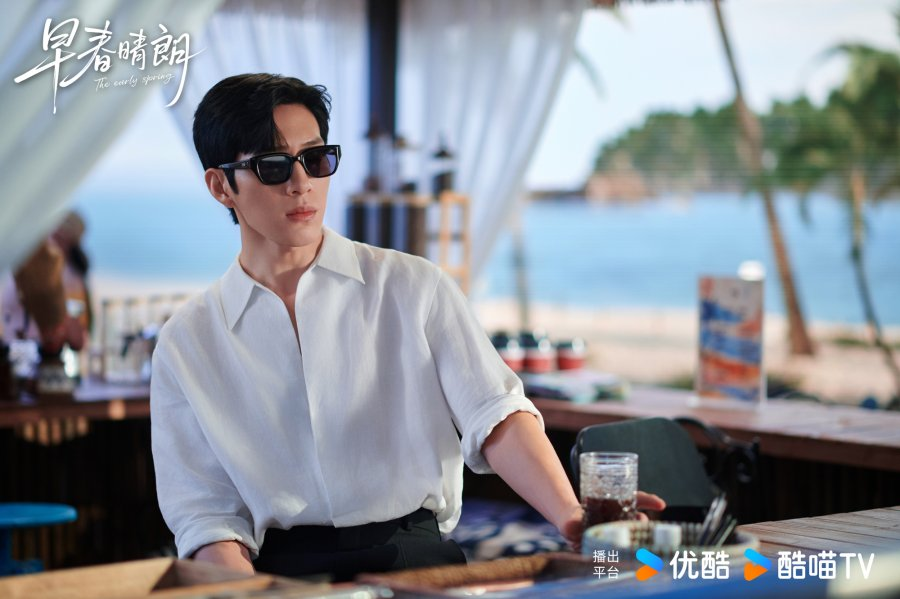
"Luan Nian has over 120 outfits. Some were pieces from my own wardrobe, and some were current-season runway looks from top brands." He had to wear more than a dozen outfits every day, often changing into a different one immediately after filming just a few scenes. As filming went on, new batches of clothes arrived, and he had to keep trying them on — keeping the ones that worked and sending away those that didn't.
Chanel gave him tremendous support, almost like family, providing assistance with clothing and accessories. "I picked out some accessories with a minimalist, sophisticated style that were suitable for the workplace and styled Luan Nian with them."
The crew began filming in Beijing, then moved to Harbin. In late autumn and early winter, the wind along the Songhua River carried a biting chill, and fingers would go numb within minutes of exposure. At night, temperatures dropped well below freezing, yet Jing Bo Ran would wear a dark blue cashmere coat and spend hours filming.
"I wore thermal clothing underneath, along with a down vest and a small vest, all hidden beneath the costume. But it was still cold — really cold." After finishing the drama, he thought to himself, idol dramas really aren't that simple.
He poured an extraordinary amount of effort simply because he was deeply drawn to Luan Nian, a controversial yet realistic character. "He is successful and arrogant, with a sophisticated soul. He takes the world lightly, treats relationships indifferently, and allows himself to wander freely in the realm of emotions."
Until he meets the female lead, Shang Zhi Tao, who disrupts the established order of his life, brings new excitement and an intense possessiveness, and makes Luan Nian, who is accustomed to being in control of everything, experience the feeling of losing control for the first time.
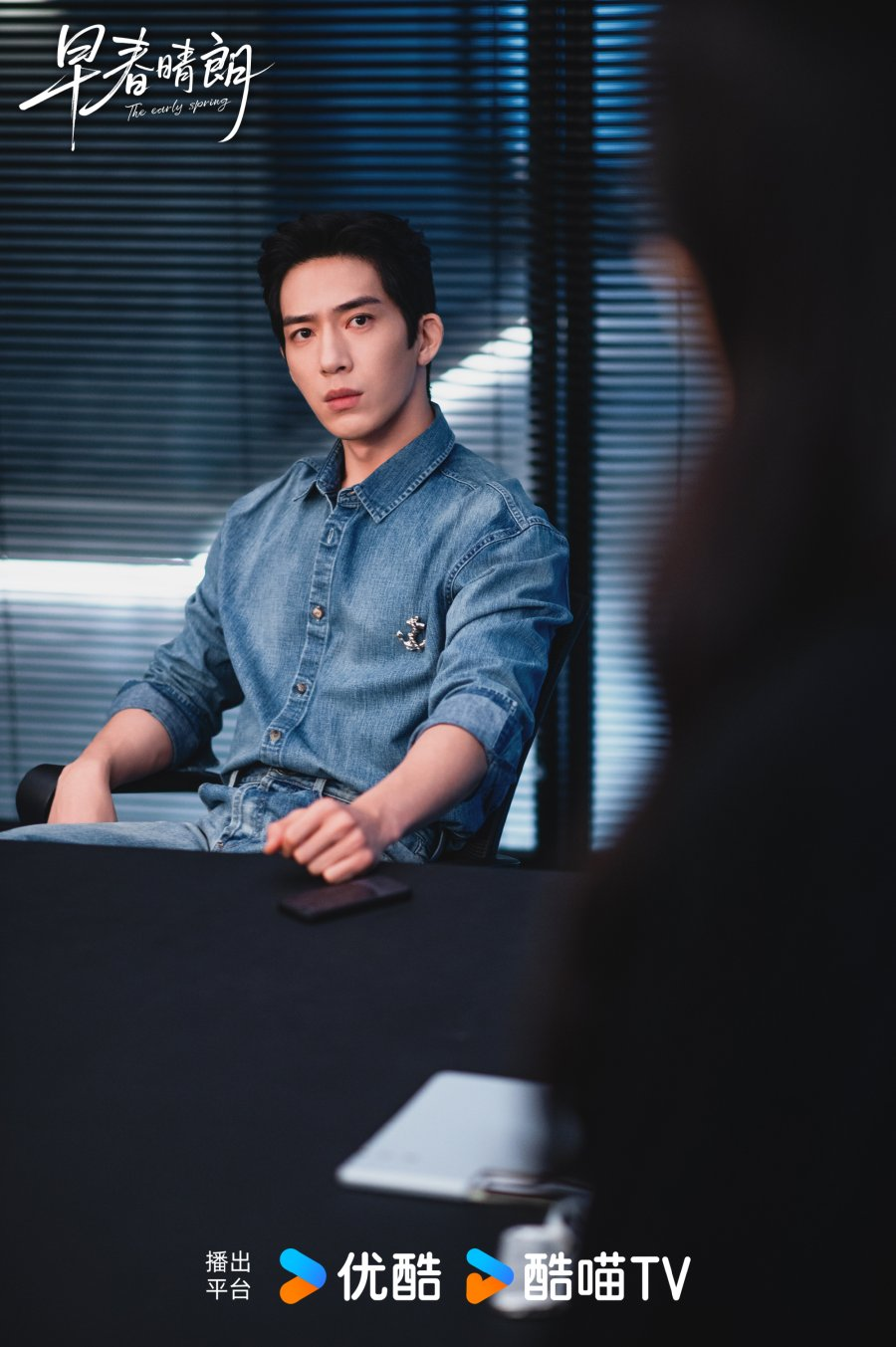
"When I first read the story, as an observer, I really didn't wish them well at all. They were just too awkward and too tiring. Whether in the workplace, in life, or in terms of their social status, they were unequal and mismatched. But from another perspective, I could understand them. I knew why they were so fussy, so stubborn. This kind of extreme emotional push and pull keeps 'itching' you, making it impossible to let go."
After years of a complicated relationship kept largely out of sight, the two end up together. After a reunion, the story reaches its conclusion, and Jing Bo Ran fully understands how the characters have grown and changed.
"People change. A man can be very strong, but he can also be vulnerable. He started to feel guilty toward Shang Zhi Tao — 'Why did I do so many hurtful things to someone who truly loved me? Why did I say so many hurtful things to her?' Because he has experienced losing [her], he began to learn to cherish her."
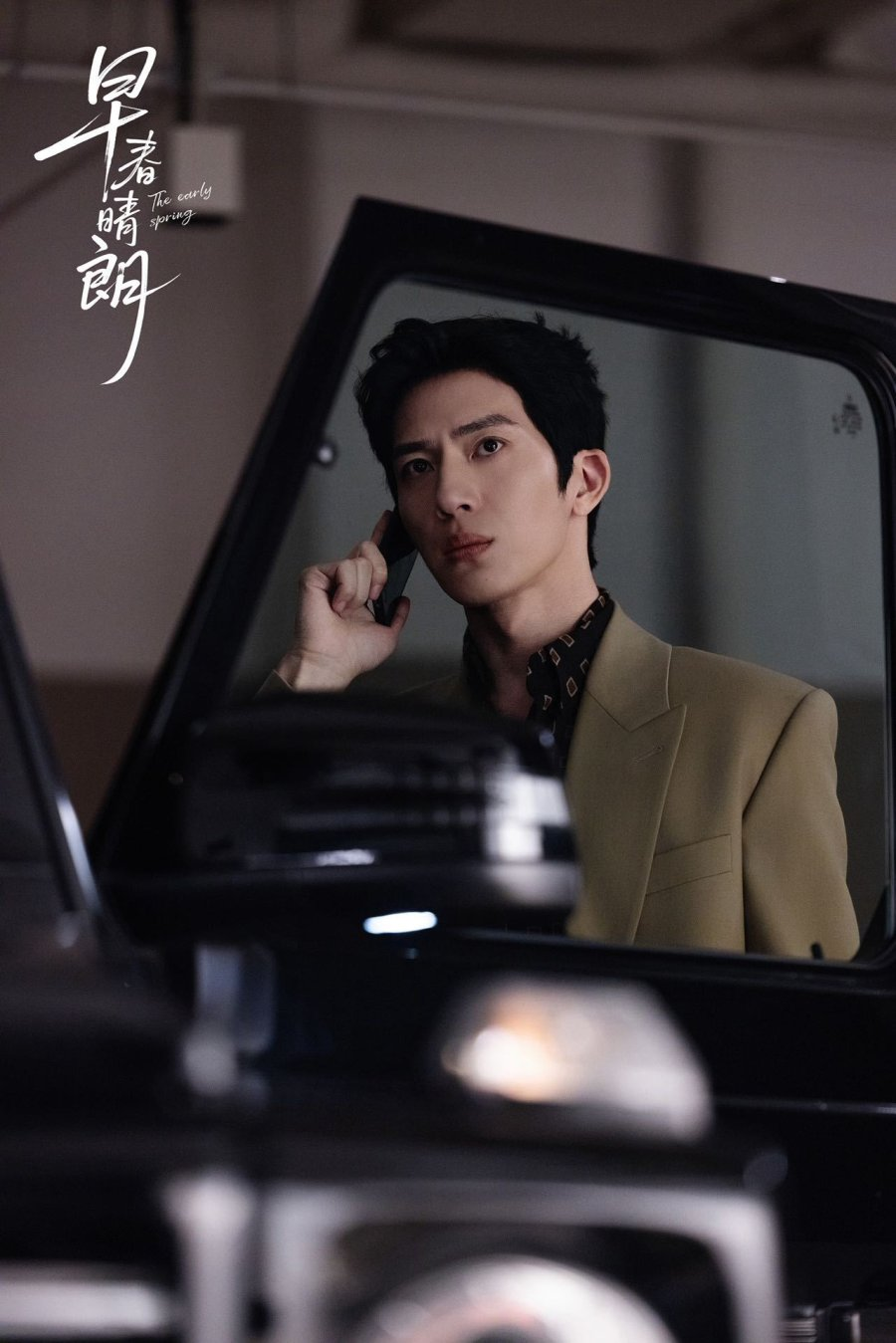
Grounded in his empathy for human nature and his understanding of emotional complexity, he is willing to give his all to portray a character whose flaws outweigh his virtues. There is none of the manufactured saccharine sweetness, only the stubbornness, guilt, self-reflection, and reconciliation of adults. He does not shy away from bringing out the sharp expressions of human nature in his performances, all to make his characters vivid, multidimensional, and firmly rooted in reality.
There is a view that Jing Bo Ran is currently in the "prime time for appreciation" of his career as an actor. His refined features remain as handsome as ever, while his presence has grown increasingly distinguished. He is like a well-read book: the title page remains clean, while the pages within are filled with annotations.
Hearing such praise, Jing Bo Ran responded, "My journey as an actor has been rather 'rugged' and somewhat unconventional. At the age when I should have been doing melodramas and idol dramas, I didn't. Instead, I've ended up doing them now, at an age when I'm no longer embarrassed about it. This brings a sense of freshness to audiences. I present myself to everyone with a question mark [mystery], and everyone comes to watch me with a question mark [mystery], too. People used to say that I didn't have enough exposure, but looking at it now, I think it is right for an actor to maintain a sense of mystery."
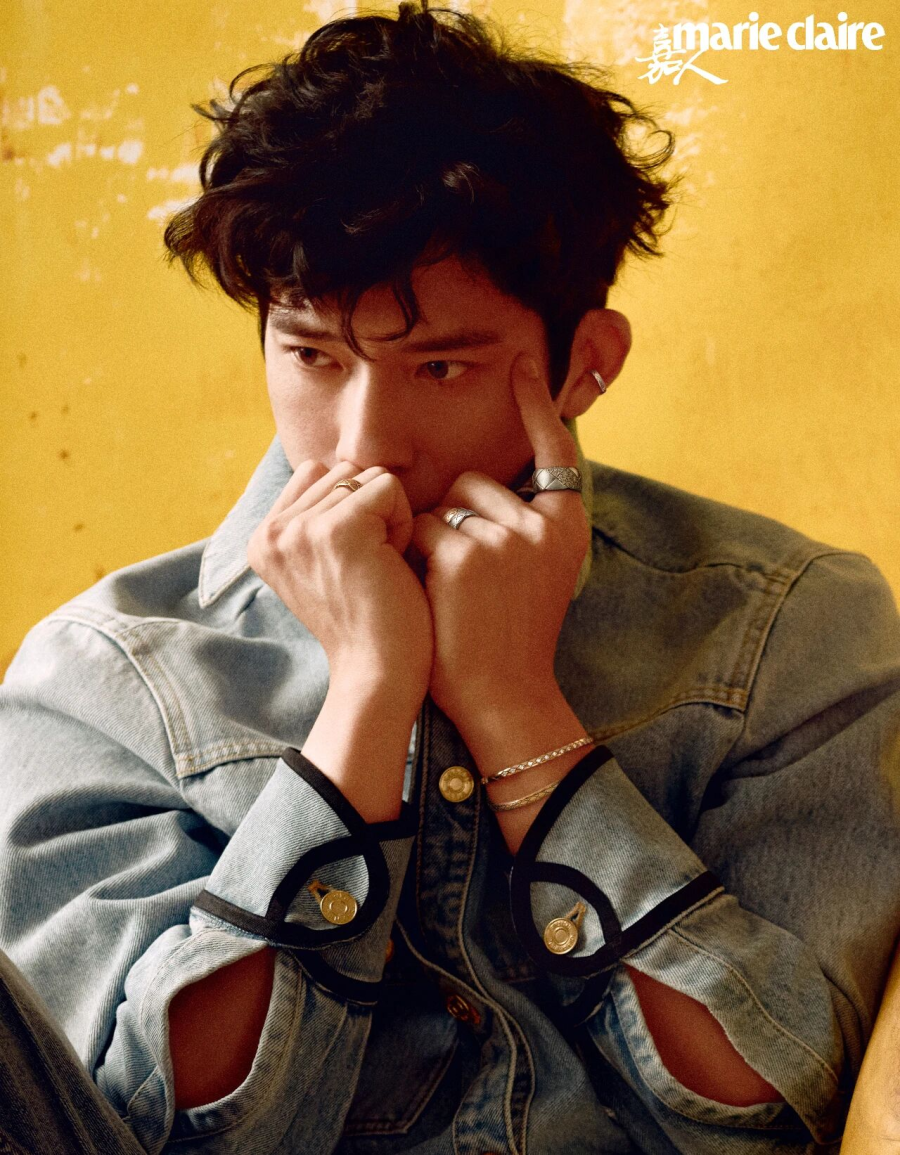
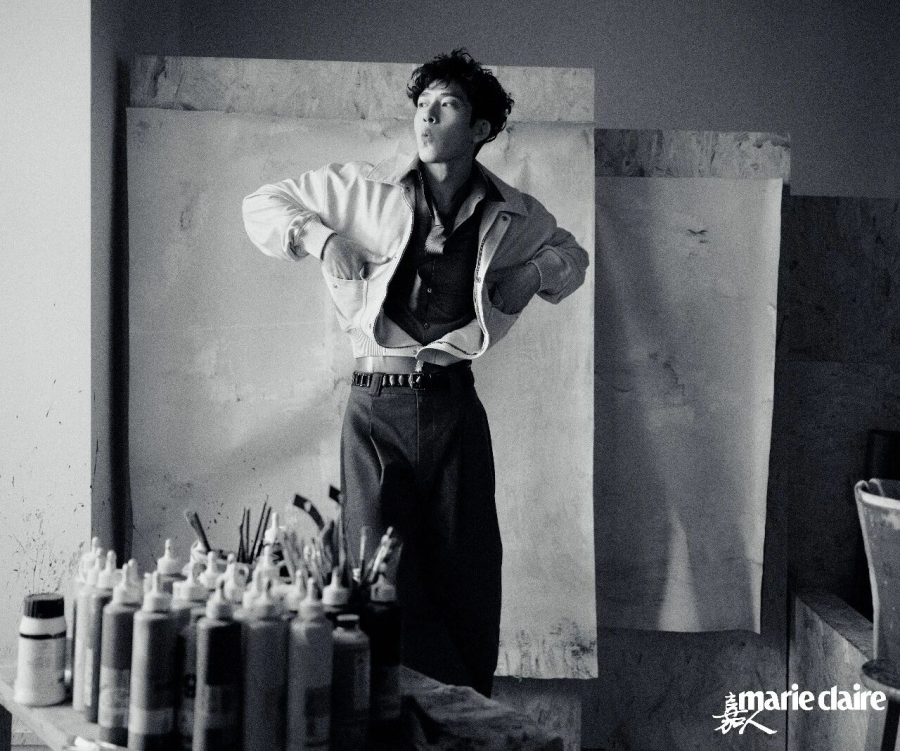
The stark contrast between the characters he is playing now and Jing Bo Ran's image in the past has sparked a wave of cross-generational digging, with his previous works, interviews, and variety show appearances being unearthed one by one. Jing Bo Ran has appeared on relatively few variety shows, so several of his memorable moments have been revisited and dissected repeatedly. The most interesting example is undoubtedly the 2015 film Monster Hunt. Younger viewers suddenly realized that their first encounter with Jing Bo Ran wasn't actually their first meeting at all — it was more like a reunion with an old friend.
Jing Boran himself finds the whole thing rather fascinating. All along, he has known that he has works he can be proud of, whether it's the well-received Regeneration or the critically acclaimed film Us and Them, and these have given him confidence as well as a sense of pride. But this wave of digging made him realize that: "Some people don't know you, while others have simply forgotten you. Then a certain role unlocks a memory, and they realize that they actually saw me when they were young."
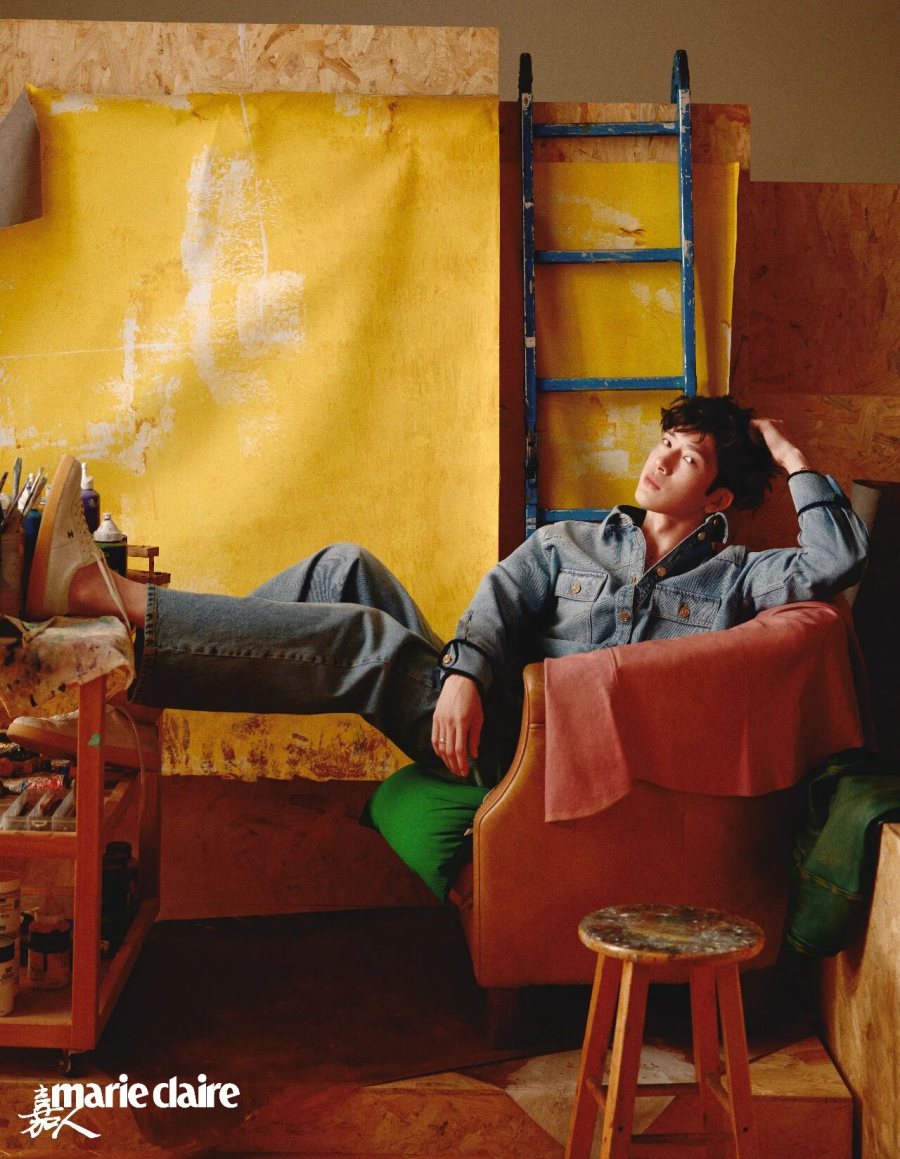
As an actor, he neither fears nor resists being forgotten. Instead, he feels that acting is a profession in which one moves in and out of the audience's field of vision; memories change, and tides rise and fall — that is simply the natural order of things.
"People will eventually leave one place or another, and ultimately return to an ordinary life. What I want is to let things take their natural course and to have freedom of the soul. Whether you leave or not is not important. What matters is that while you are still here, you hold on to a sense of composure, purity, and dignity."
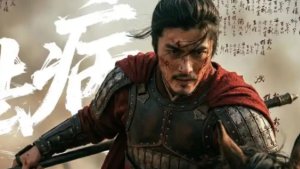
At present, Jing Bo Ran has several highly anticipated dramas awaiting release, spanning a wide range of genres. Win or Die is a historical story; The Silent Storm centers on a battle between good and evil; while The Seven Sons of the Family brings the warmth of a period family drama. Each character and story reflects the care he puts into his work. He has repeatedly earned industry recognition and continues to be awaited and anticipated by audiences.
His early fame was a gift of the times — bustling and exuberant. Being recognized after growing into a more mature actor comes from years of honing his craft — quiet, steady, and substantial. Taking things as they come and allowing room for growth, he has offered what may be his clearest and most moving answer to life.
Source: Marie Claire China