K-Drama

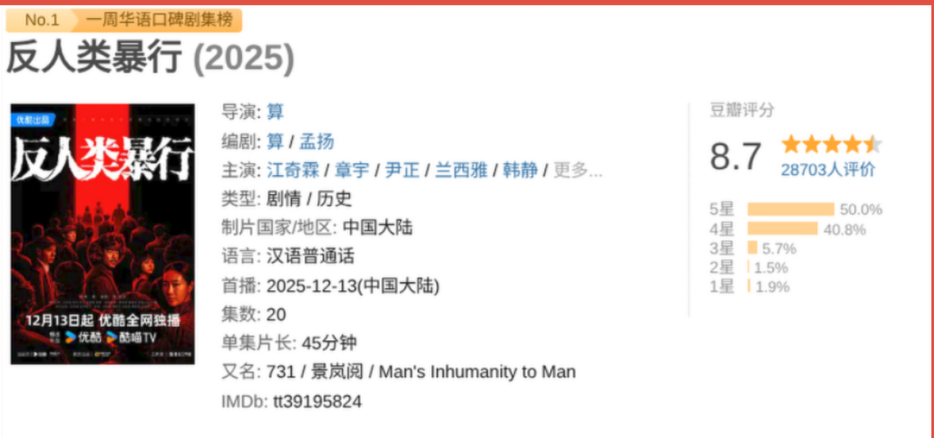
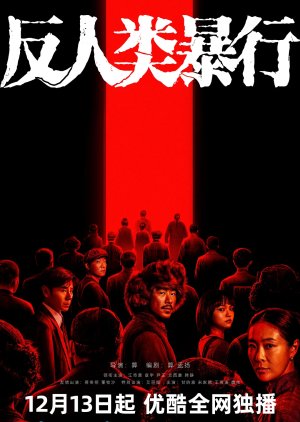
Man's Inhumanity to Man
反人类暴行 ‧ Drama ‧ 2025

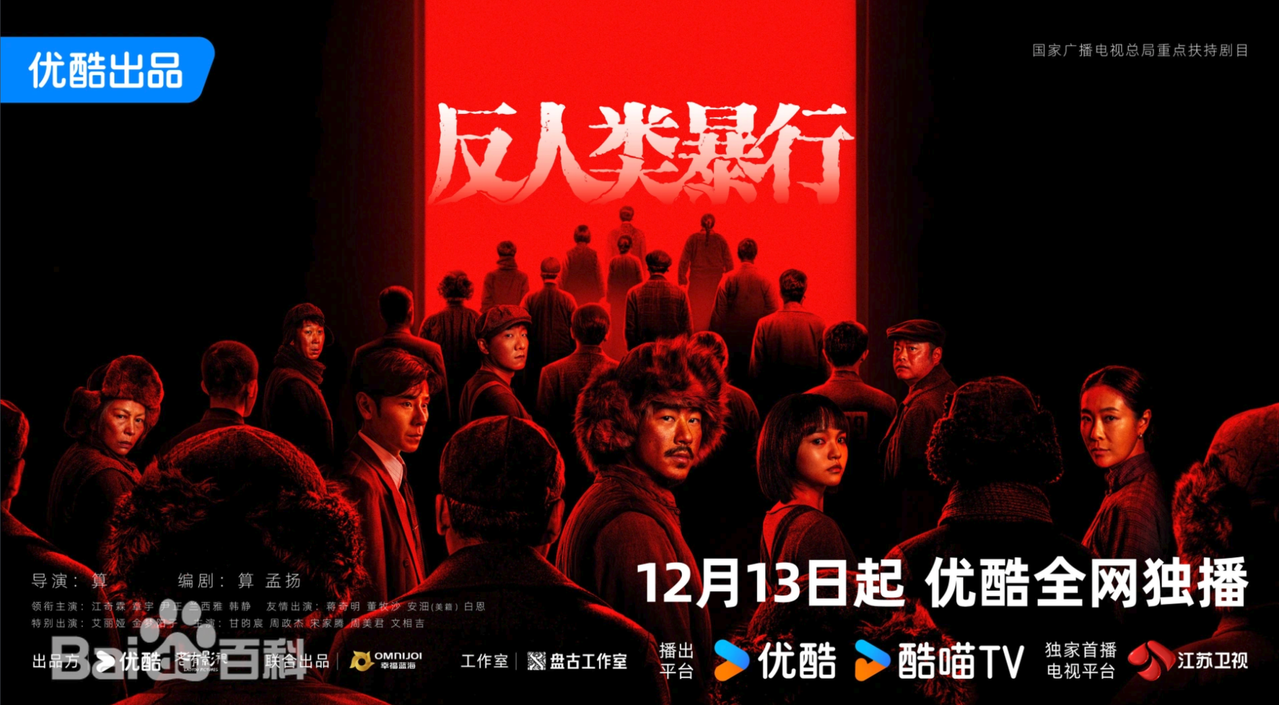
Table of contentsThe highlighted titles below link directly to relevant posts, from which it is possible to return to this table of contents by clicking on the link "Return to Table of Contents" at the end of the post.
8. Characters and cast gallery Sources : MDL, Sohu, Baidu, Weibo, Wikipedia and other articles. (highlighted texts lead to sources ; pictures lead to their source or further information, or are my screenshots from the drama.) Note: clickable highlighted words or sentences in the text link to sources or more information; pictures are linked to their sources. The posts in the table of contents are linked together: 1 to 7 in first General information post, the rest in other numbered posts. To view the list of my other drama companion pieces (with links to them), check : HERE. ---Warning : Some parts of the contents are still "in the works", until I mention "completed" here, and some parts earlier included as sub-parts are being moved to other posts. |
edited

There have been other movies and dramas touching the matter of the infamous 731 facility, both in China and in Korea. Among those, for instance, the most recent movie (but unrelated to the drama detailed in the Companion piece parts numbered 1 to 10 further down this thread of posts linked to Table of Contents) : 731, the movie (731: 生化启示录 , Biochemical Revelations ). These are part of a trend in historical movies and dramas which more or less fit with the controversies still raging, related to past and future warfare, and to "settled by treaties" conflicts that still have not been totally resolved and could flare up again, in the context of geopolitics of today. Wikipedia, in the "popular culture" segment of its article about Unit 731 lists a series of movies and television dramas that were made since 1988 Hongkong movie Men Behind the Sun ; it also lists print media items, music, and video games with some bearing about Unit 731.
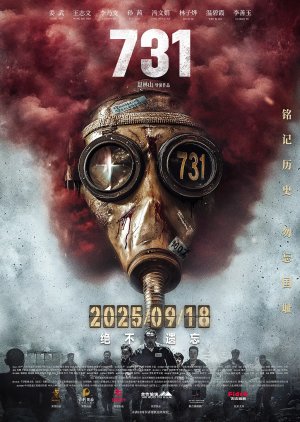
| "731" (also known as "Crazy 731" or "731: Biochemical Apocalypse" or "Evil Unbound") is a 125 minutes Chinese war thriller movie. It is about Unit 731, the Imperial Japanese Army’s biological & chemical warfare R&D unit during the Second Sino-Japanese War. It tells the story of the bacteriological experiments carried out by the Japanese Army's Unit 731 on the people of Northeast China, and the more than 3,000 Chinese and international victims being used as live experimental subjects. It takes the perspective of those who experienced the incident firsthand, revealing the dark history of . It shows the horrific atrocities committed by Unit 731 against civilians, such as frostbite experiments, poison gas experiments, and vivisections. It is directed by Zhào Línshān 赵林山 (b.1975), with Zhào Línshān and Liú Héng 刘恒 as screenwriters.The film stars Jiāng Wǔ 姜武, Wáng Zhìwén 王志文, Lǐ Nǎiwén 李乃文, Sūn Qiàn 孙茜, "Joyce" Féng Wénjuān 冯文娟, "Lester" Lín Zǐyè 林子烨, Wen Bixia and Li Shanyu The film was released in mainland China on September 18, 2025, the anniversary of the September 18 Incident (aka the Mukden Incident or the Manchurian Incident: a false flag event staged by Japanese military personnel on the night of September 18, 1931, as a pretext for the invasion of Manchuria). It can be watched here. (lots of fleas....) |
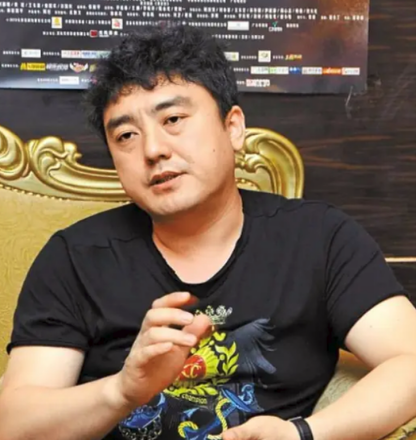
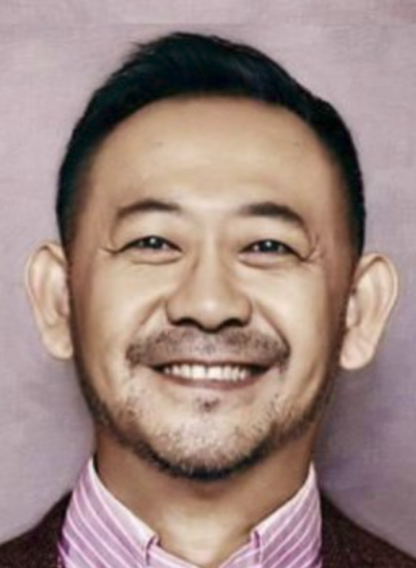 Jiāng Wǔ
 edited
General Information |
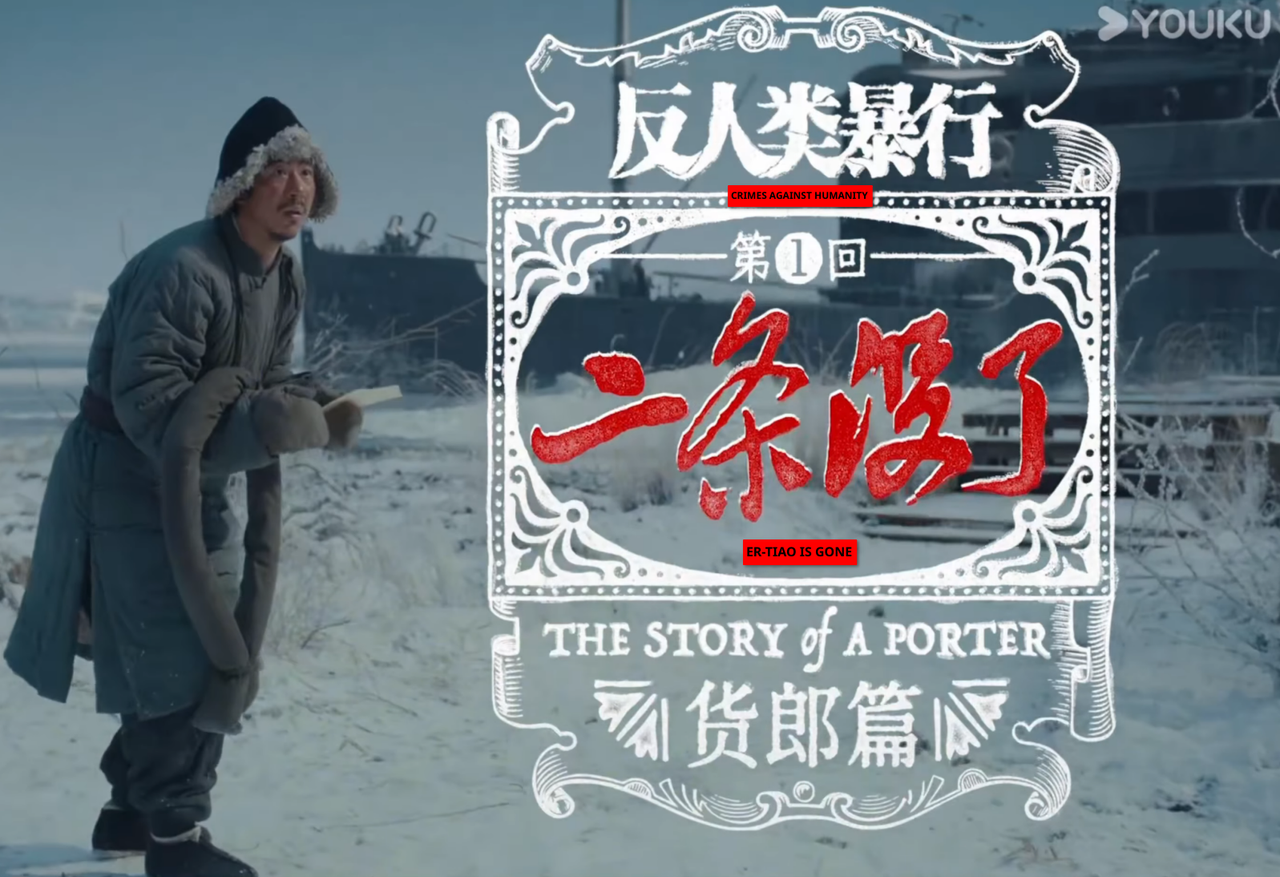
1. TITLES反人类暴行 / Fǎn rénlèi bàoxíng (Crimes against humanity) English Title : Man's Inhumanity to Man aka Inhuman Atrocities, is a 20 x45' (medium) episodes drama about the 731 death camp near Harbin, in Heilongjiang province of the PRC. (Some episodes are longer, over 60'.) |
2. Shooting dates and locations :In January 2025, the drama was filed.In May, the drama wrapped in Harbin, Heilongjiang.
Jin Chengmin had researched and interviewed over many years many experts and eyewitnesses at home and abroad, including Japanese military history expert Matsuno and Japanese lawyer Tan Tian, and obtained a large amount of first-hand information, laying a good foundation for script writing. Before joining the group, the lead actor team made a special trip to the Exhibition Hall of Evidence of Crimes of Unit 731 of the Japanese Invaders in China to visit and study historical materials, observe historical scenes, and truly feel the atmosphere of the times in which the characters live. |


3. DIRECTOR(Dǎoyǎn 导演) 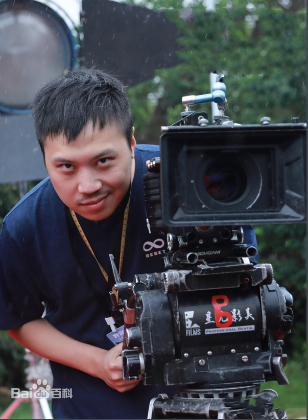 Lǎo Suàn filming Reset Lǎo Suàn filming ResetBaidu Douban | Directed by : Lǎo Suàn 老算 aka Passsee Mu born Móu Xīncén 牟芯岑 on July 9, 1989 in Dūjiāngyàn 都江堰 town of Chéngdū 成都, Sìchuān Province. He is married to Kǒng Gēzǐ 孔歌子. He is a graduate from the Animation School of Beijing Film Academy. Also did screenwriting (S) for several of the dramas listed below. He directed 6 dramas and a movie since 2016:
|
|

| ||
6. PLATFORMS TO WATCH THE SERIESReleased Dec 13, 2025 , broadcast on JSTV and Youku, one episode a day presumably till Dec.31, 2025. (20 episodes total) The drama can be watched with automatic English subtitles on YouTube ; fansubs are available on captionfly. (at least until episode 16) TRAILER (6minutes 29) : it was posted to YouTube on December 13, 2025 . |
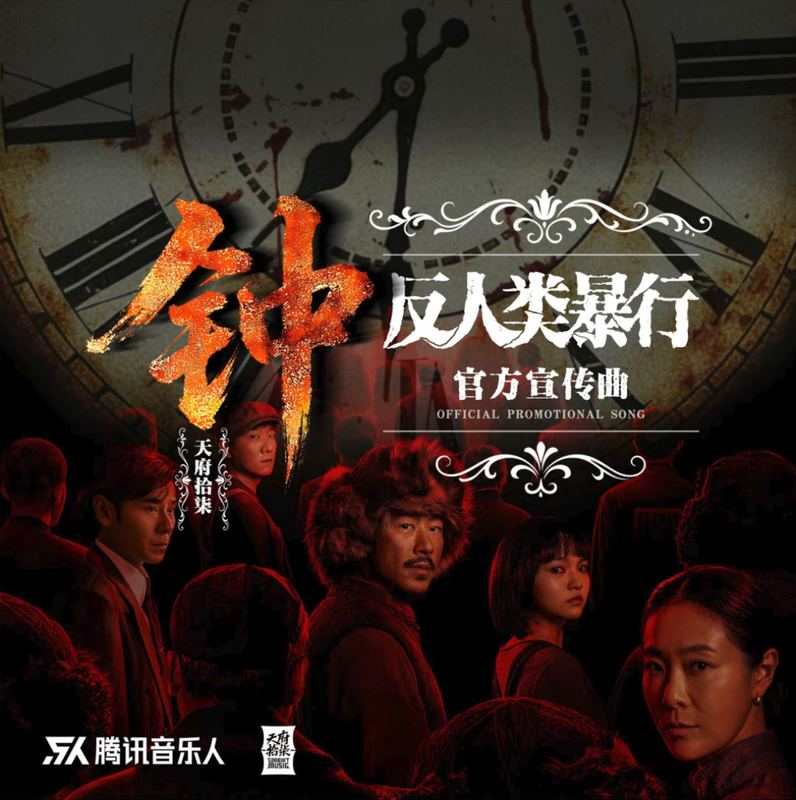
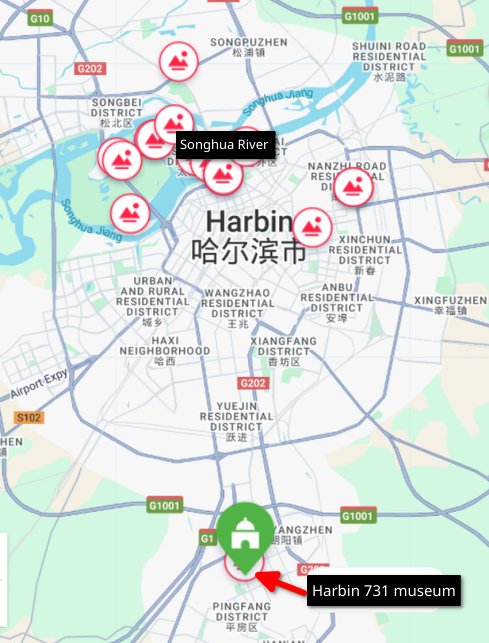
7. SYNOPSIS :In 1992, Jīn Chéngmíng, a staff member at the Harbin 731 Museum, discovered incomplete records while organizing historical materials. He embarked on a transnational journey to uncover the long-buried truth and is shown usually at the beginning of episodes, with the date when he investigated and interviewed the remaining witnesses : 1992... He encountered people who denied the past, but also some who honestly helped him to buy and authenticate artefacts such as Yukiko Yamabe, documents, or let him hear their painful memories. The entire series uses a dual-narrative structure, constantly shifting the viewer's perspective between historical scenes and modern investigations.
On the main timeline, back in the 1940s, the film returns to Harbin during the Japanese invasion of China, using the perspectives of multiple participants, mostly around the family of Tóng Chǎngfù, a peasant transporting apples. The focus is also on prisoners and escapees, on the staff of the facility including cartographer and sketch drawer Arakawa Ryohei (born Chén Rǔpíng 陈汝平 ), documentary director Kojima Yukio, and Yán Bǐngruì, a Chinese man whom he was at odds with. These characters profoundly expose the brutal human experiments and crimes against humanity committed by Unit 731, condemning the evils of militarism and highlighting the indomitable spirit of the Chinese people. There are also encounters with the guerilla freedom fighters who fought the occupying Kwantung army from makeshift bases hid in the forests and mountains, and glimpses of North Korean peasants harvesting apples. The drama is an original script. It is not supported by a novel, but based on real accounts and documentation, yet not meant as a documentary movie, portraying characters who embody the anonymous ordinary people of the historical period, with occasional ones based on historical ones such as the commander of Unit 731, Shiro Ishii, torturer "researchers" such as Yoshimura Hisato who managed to get away scot-free literally with murders. For a tolerably easy readable episodes by episodes synopsis, read on here (although there are some detail inaccuracies). |
Return to Table of Contents - NEXT : Characters and Cast gallery
edited
7. Character and cast gallery
Note: Chinese and Japanese family names are traditionally written before first names, hence "Jiāng Qílín"'s surname is Jiāng, Qílín his given name ; Yoshimura is the family name, Hisato is the given name. It can be more tricky to differentiate for some Japanese names that are registered in some databases in Western fashion (given name first, family names last), such as Seiji Hino, but Hino is his family name, so here I switched it to East-Asian standard order also in databases : "Hino Seiji". When there is a "Western style" name or known nickname, I also list the "aka" in Western form, such as Vivienne Tien. It is interesting to spot the number of actors who already worked with director Lǎo Suàn, who came to take on roles here in his new drama : Wèi Wěi from "Reset", Jiāng Qílín, Jiǎng Qímíng, Zhōu Zhèngjié, Qián Lěi, Dǒng Mùshā, Sòng Jiāténg from "Escape from the Trilateral Slopes". Also remarkable is the dedication to use native language speakers for the other than Chinese roles (Japanese, Koreans, Russians...), except from some skilled polyglot ones such as Zhāng Yǔ who despite being from southern province Guizhou, is capable of speaking with Dongbei (China North East) or even Japanese accents! (as for Manchu, see the remark in " Cinematography "). |
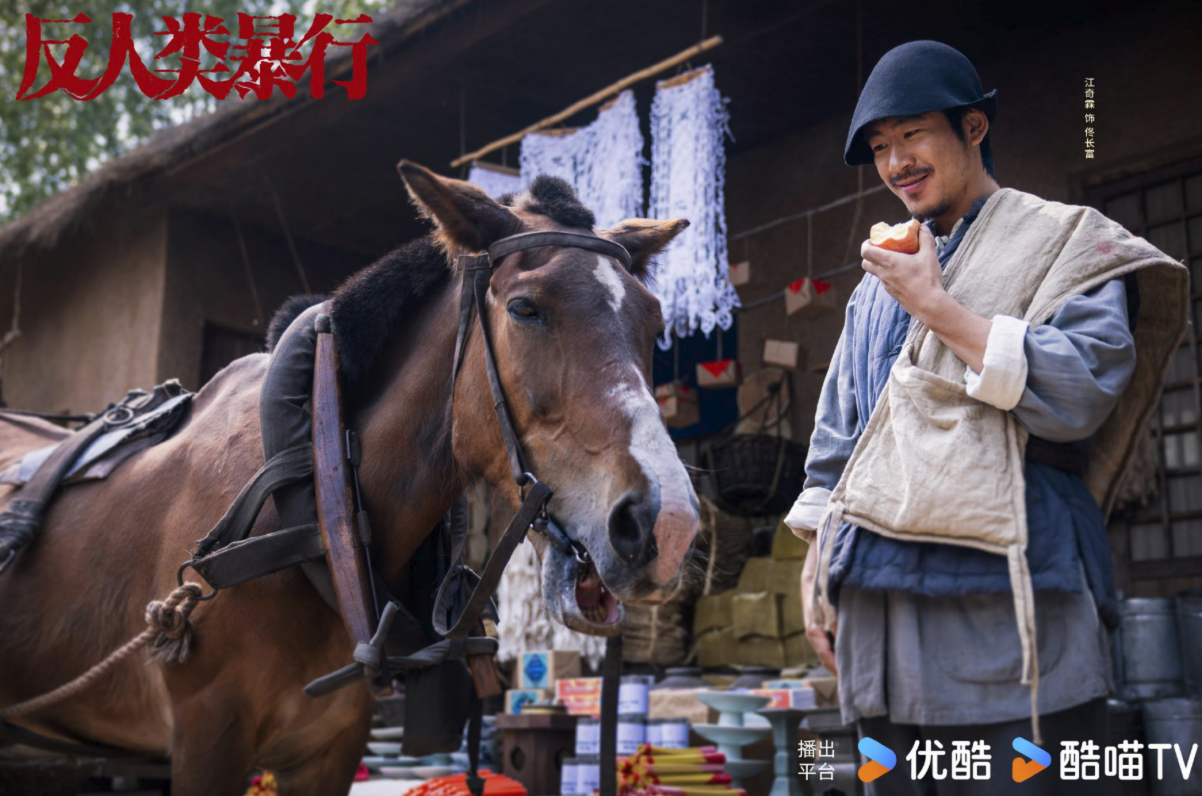
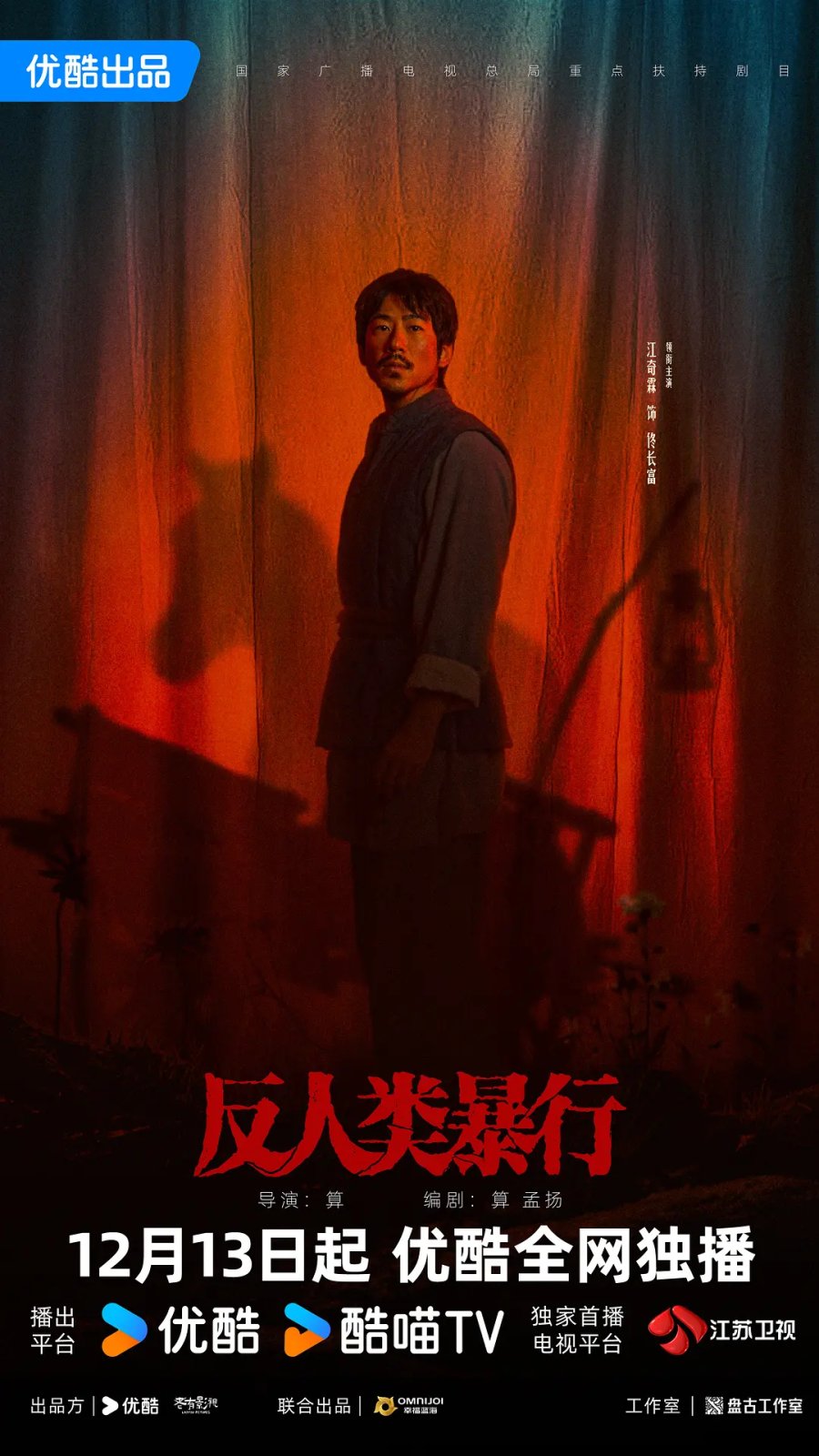 EP1,2 | Tóng Chǎngfù 佟长富 (ML) An ordinary farmer living in Harbin, he sold and transported goods such as apples for Jichuan Trading Company. During the Japanese invasion of China, his horse (Er-Tiao) was forcibly taken away in the winter of 1940-1941 by the Japanese army. He wanted to find it, and get the truth about the mysterious 731 facility. « Tong Changfu is a typical representative of the lower class of that era ; his role reflects the most basic understanding of good and evil among ordinary people.» |
Actor and singer of Yi ethnicity, married to actress Zhōu Qíqí 周奇奇. Former member of music duo "Blue Bird Flying Fish". He has appeared in more than 26 dramas and 7 movies since 2004 ; including 2024 Escape From The Trilateral Slopes (as Dàn Tùo 但拓 Uncle Cai’s right-hand man - see my Companion Piece). |
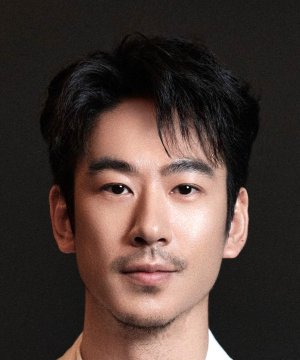
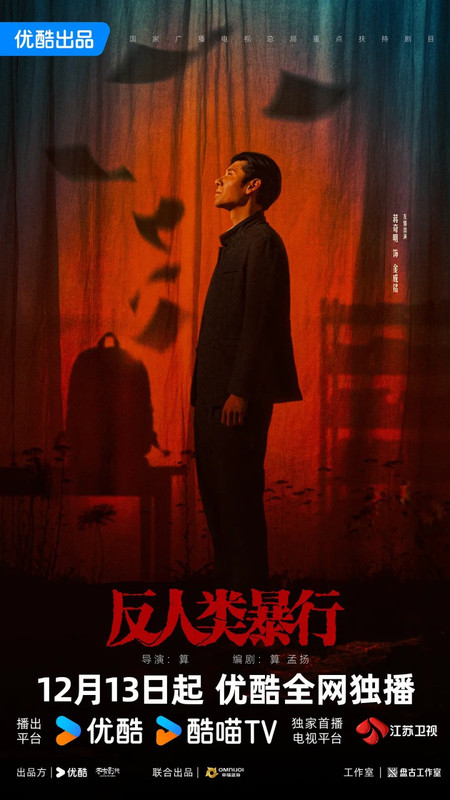 EP1 | Jīn Chéngmíng 金成铭(support) Kim Sung-myung / "Xiao Jin": the man who uncovered the true deeds of Unit 731 “Black Box” with “ironclad evidence”, serving as link between the episodes set in the 1990s. The curator of the Museum of Evidence of Crimes Committed by Unit 731 of the Japanese Imperial Army had been searching for evidence across multiple countries for more than 30 years from the 1990s. An extremely rigorous researcher, he paid attention to details, and examined in-depth alll pieces of evidence. His quest profoundly reveals the fragility of historical truth and how precious witness testimonies and artifacts are. |
Actor in movies, dramas, and on theater stage, graduated from the Central Academy of Drama. He played as Fu Weijun, Shen Mo's deaf younger brother, (a silent role that still made him famous) in 2023 The Long Season ; the antagonist in 8.9 Douban rated 2024 To the Wonder unusual mini drama, and as as Wáng ānquán , 王安全 the scammer in 2024 Escape From The Trilateral Slopes (see my Companion piece) |
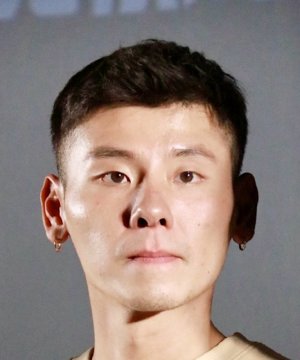
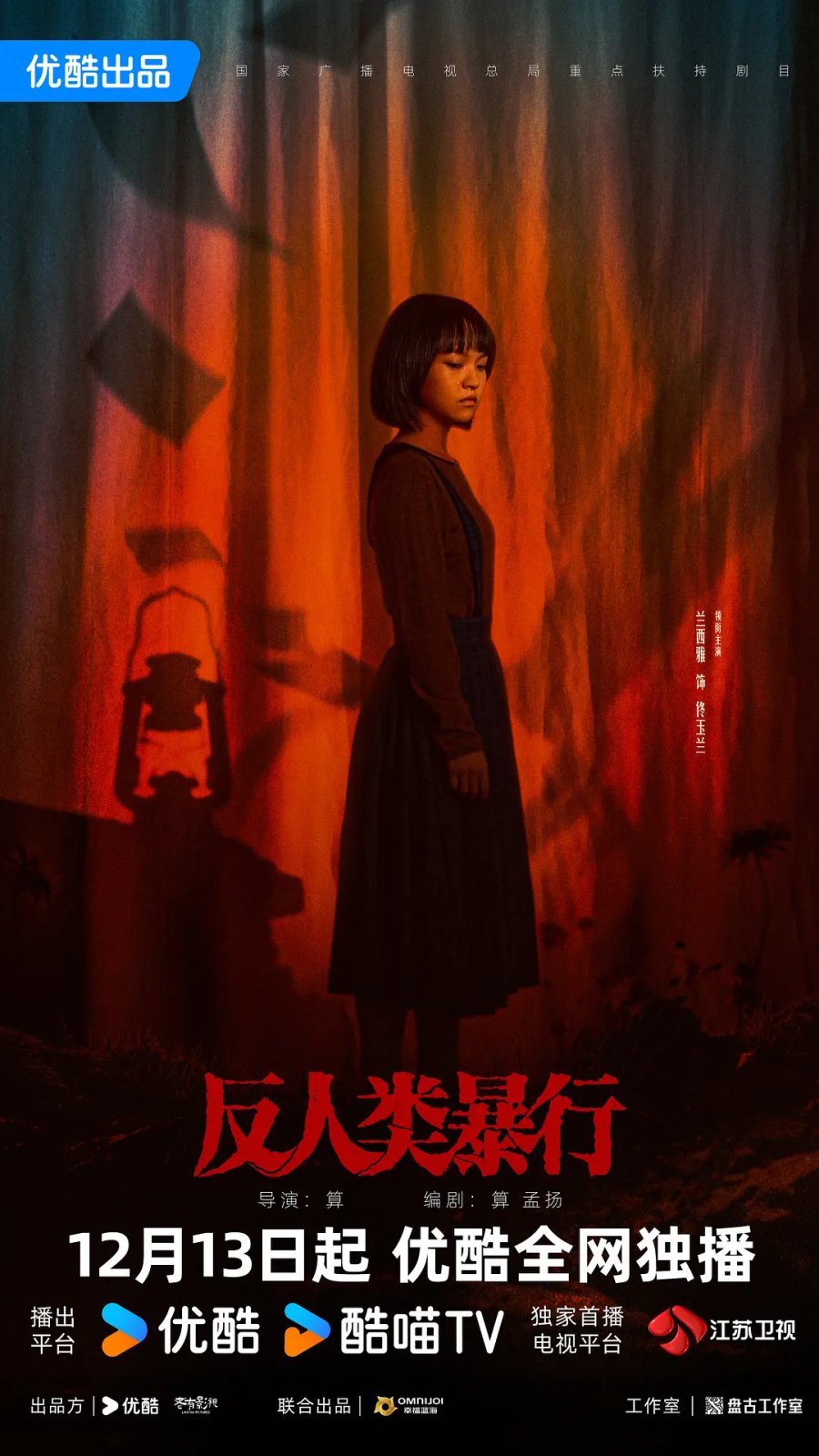 EP. 1 EP. 1 | Tóng Yùlán 佟玉兰 (support) The younger sister of Tóng Chǎngfù, she had received a basic education and could read. She was saved by guerillas and wanted to join the resistance in the wilderness, but was taken back home by her brother. |
She debuted in 2020 drama With You and played support roles in 2023 Till The End of the Moon , 2024 War of Faith and She And Her Girls ; she also played in a handful movies among which 2025 We Girls alongside Zhao Liying. |

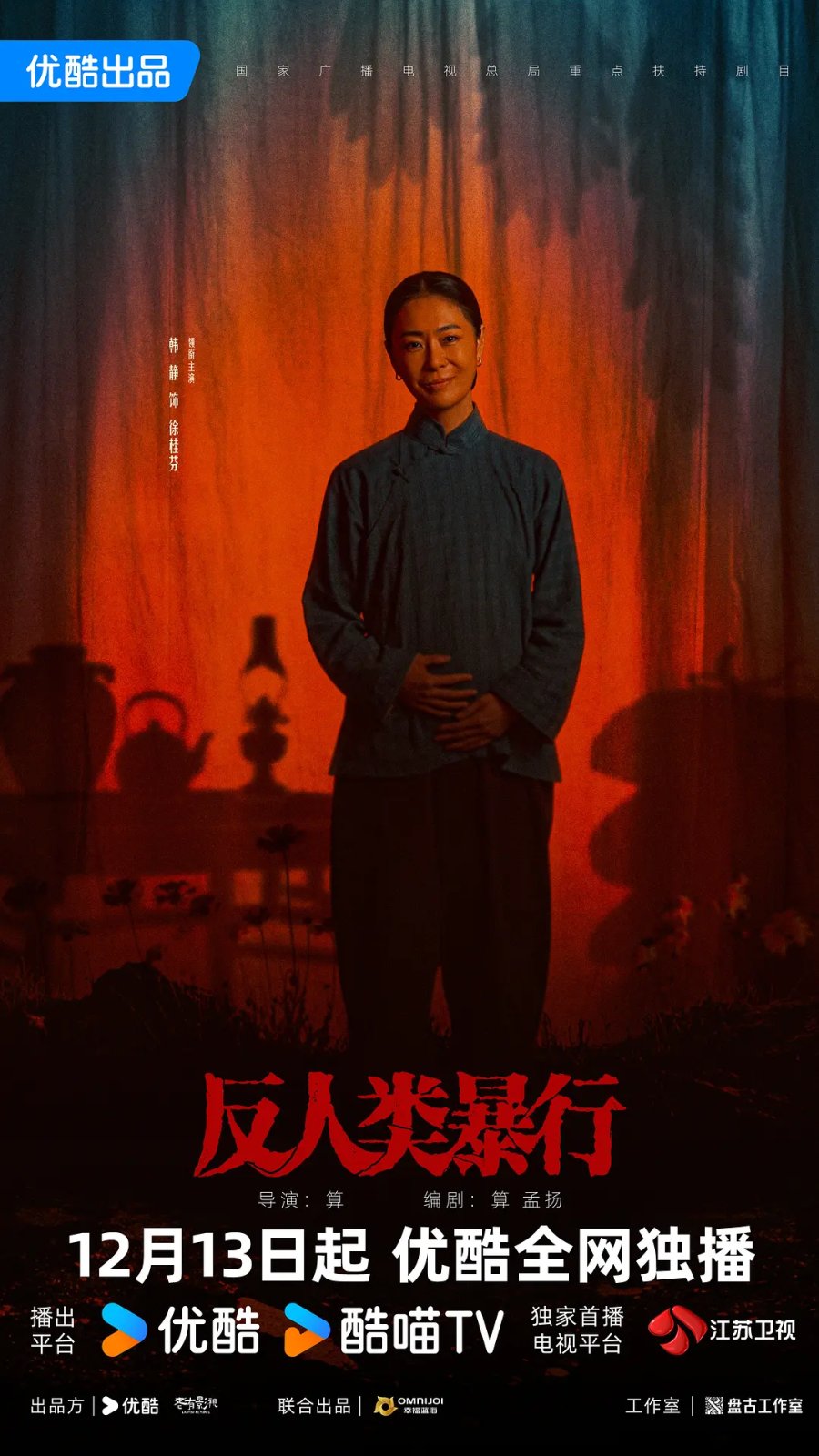
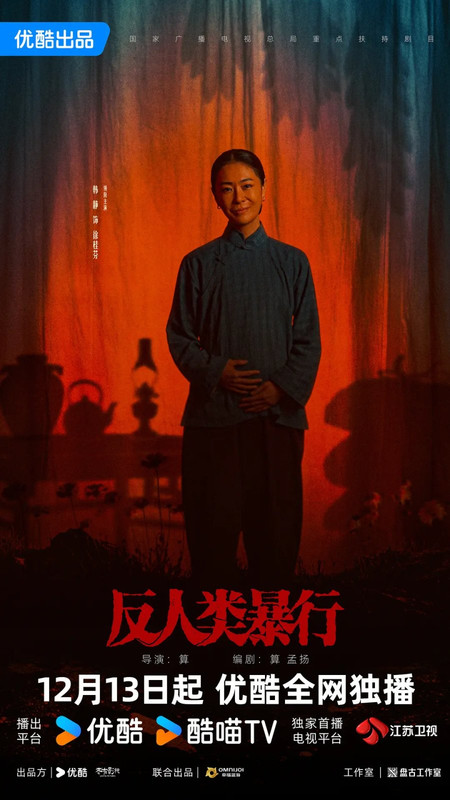 EP.1 EP.1 | Xú Guìfēn 徐桂芬 (FL) Tóng Chǎngfù’s wife and Tóng Yùlán’s sister-in-law. On the surface, she is a cleaner for the Japanese army, but in reality, she is a messenger for the anti-Japanese organization |
|

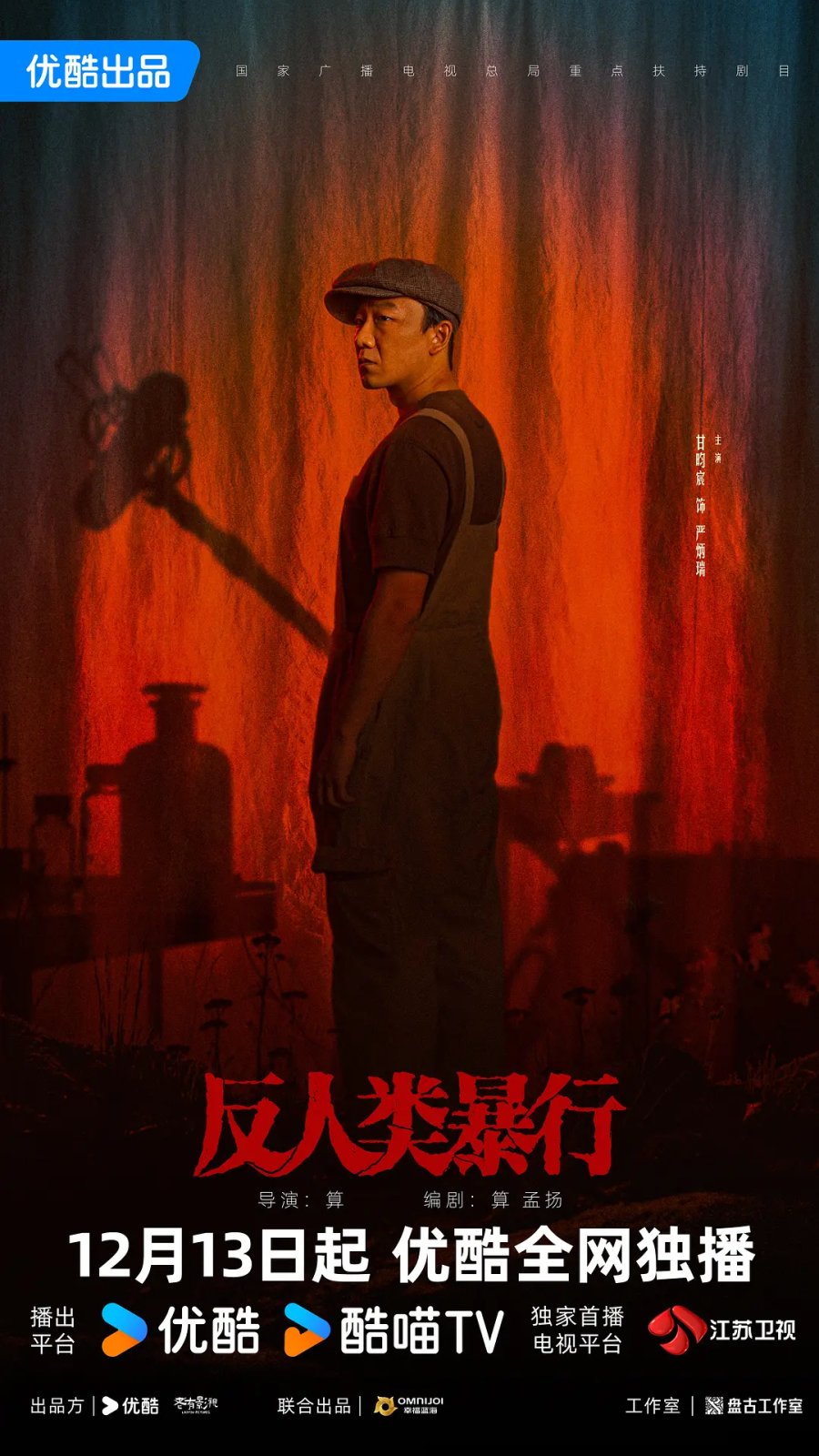 EP.3 EP.3 | Yán Bǐngruì 严炳瑞 (support) A Chinese man who had a dispute with Yukio Kojima over reporting the truth about the massacre of Chinese people. In Room 909 of Building 7 the prisoners had become expendable guinea pigs, being infected with germs and bacteria that killed them. He gradually saw through the fiction of the "East Asian Co-Prosperity Sphere" esp.when prisoner 909, went on a hunger strike in exchange for the release of imprisoned children. He.was later imprisoned in Unit 731. |
He entered c-ent in 2014, through a talent show and appeared in support roles in movies or dramas since 2018, including Dec 2025 movie Gezhi Town alongside Xiào Zhàn. |
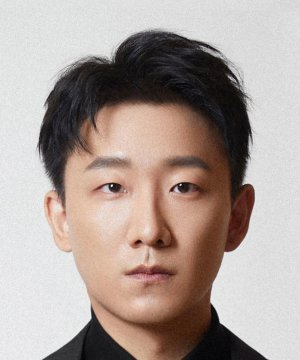
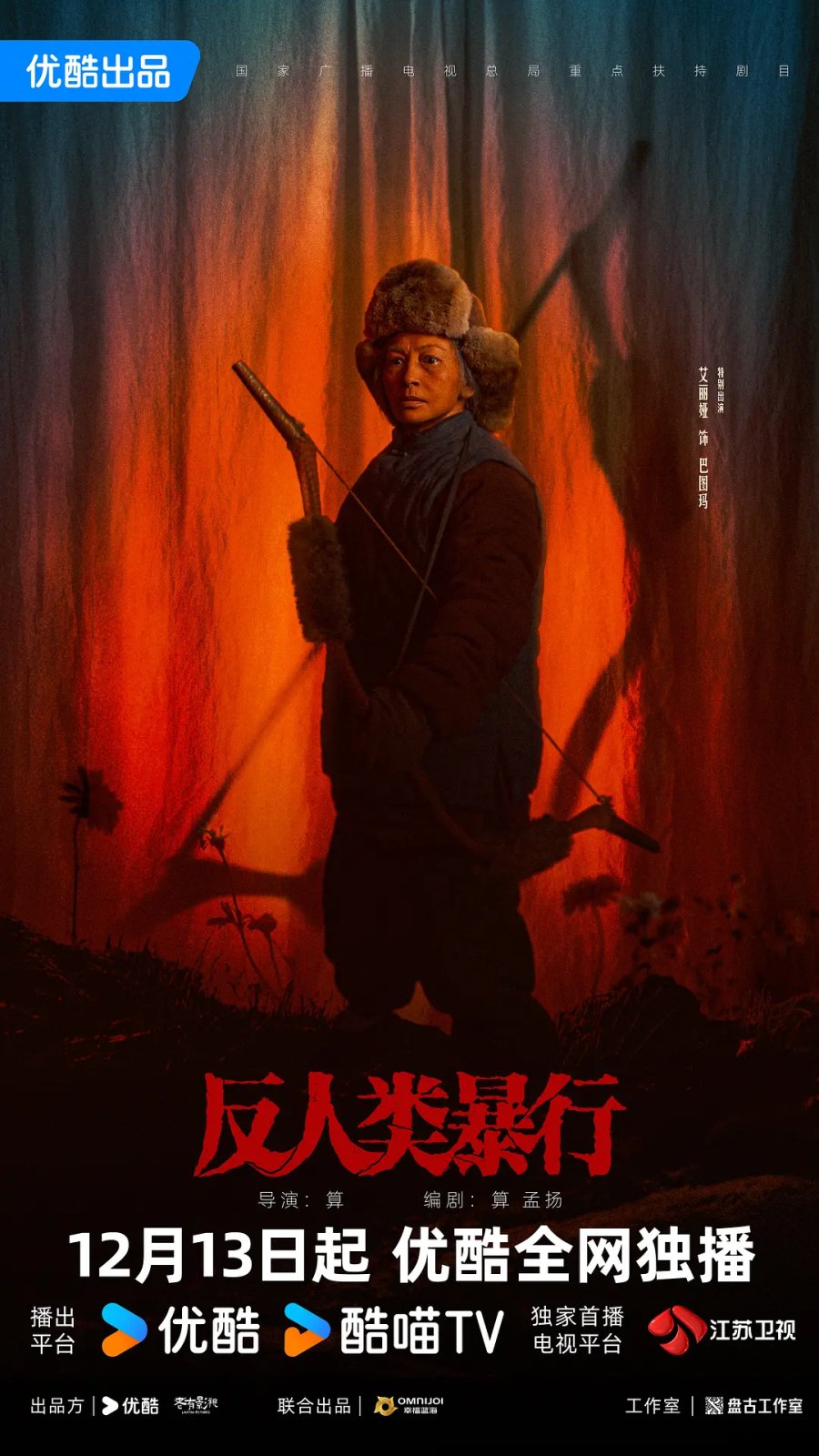
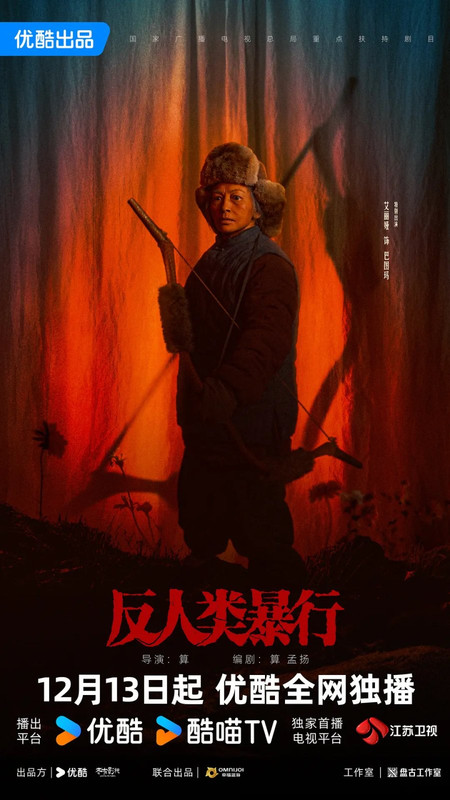 EP.1 EP.1 | Bātúmǎ 巴图玛 (2FL) An elder in the Tóng family. When her granddaughter Tóng Yùlán was about to be taken away by the Japanese, Bātúmǎ stood on the roof and shot at them. |
Of Mongolian descent, she won four of China's Best Actress Awards for her role in the 1994 movie Ermo, and has played in dozens of movies and dramas since then. |
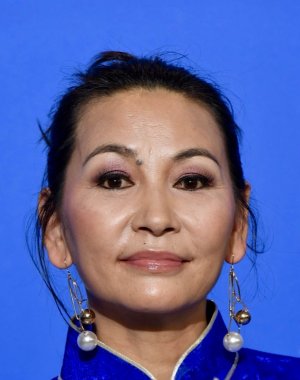
 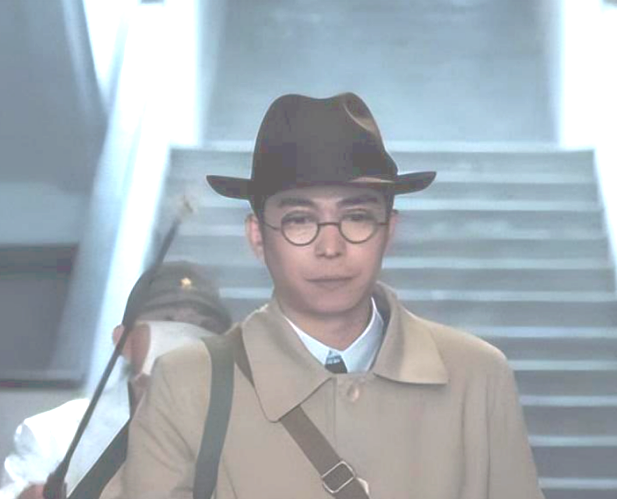 EP.1, 2 | Chén Rǔpíng 陈汝平 / Arakawa Ryohei (support) Born in Pingtung, Taiwan (Japanese occupied for 50 years) he had moved to Japan with his mother after she remarried, and received a Japanese education. He changed his name to Arakawa Ryohei. was an elementary school art teacher. He attempted to integrate into Japanese society through Japanization and longed to serve the Empire in order to wash away the stigma of "impure blood." In 731, he served as cartographer and color artist to document Dr. Yoshimura's frostbite experiments, and sketch drawer for arresting targets. |
Graduated from Art College of Guizhou University, he entered c-ent with a role in 2005 spy war drama Blood Dawn. He played in many movies since 2010, among which 2018 An Elephant Sitting Still (ML) and Dying To Survive (support, which got him a nomination as best supporting actor in the 55th Taiwan Film Golden Horse Award.). He also played in a handful dramas since 2012, incuding 2024 The First Shot alongside Johnny Huang/ Huáng Jǐngyú (see my Companion Piece) |
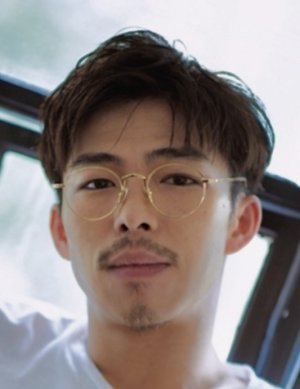
 EP.2, 3, 4 | Kojima Yukio aka Xiǎodǎo Xīn fū 小岛幸夫 (main role) He was a documentary director affiliated with the Japanese "Manchuria Film Association" (Man'ei -short for Kabushiki kaisha Manshū eiga kyōkai 株式會社滿洲映畫協會), established by the Kwantung Army in 1937. He was said to have studied cinema in Germany and even to have taken part in the production of the famous 1935 nazi propaganda film Triumph of the Will ! He had made a promotional movie for 满洲映画 Mǎnzhōu yìnghuà (Manchu Studios) about the South Manchuria Railway, shown in the Dàtóng 大同影戏院 cinema of Harbin, and was being approached for another about the Harbin Police, but was wary of being bossed around. He decided to document the fate of two Manchurian brides instead, but got caught in a land dispute which made him suspicious to the Japanese in charge. |
A graduate from Xinghai Conservatory Music in 2006 (bachelor's degree in pop music), he took part in 2011 Chinese version of the Mamma Mia musical. He entered c-ent with 2013 comedy drama Longmen Express and played either as support, guest or ML in dramas such as 2020 drama Winter Begonia (ML) and movies such as 2021 Be Somebody ML). | ||
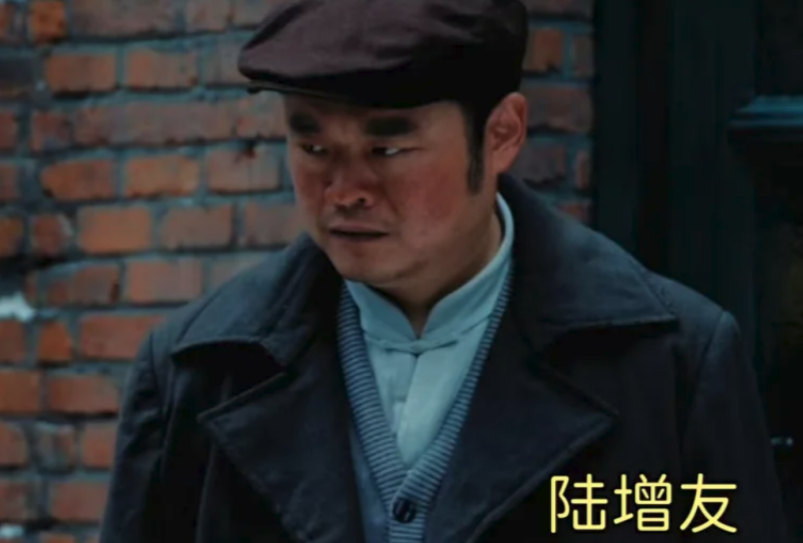 EP.1 | Lù Zēngyǒu 陆增有 He was a colleague and a truck driver of Tóng Chǎngfù at Jichuan Trading Company ; his uncle was a school principal who was arrested by the Japanese. |
Casting director since 2014 (notably for 2014 Nirvana in Fire), he also played as guest or support in many dramas since 2011, inclusing as the Bus company director in 2022 Reset, also directed by Lǎo Suàn. | ||
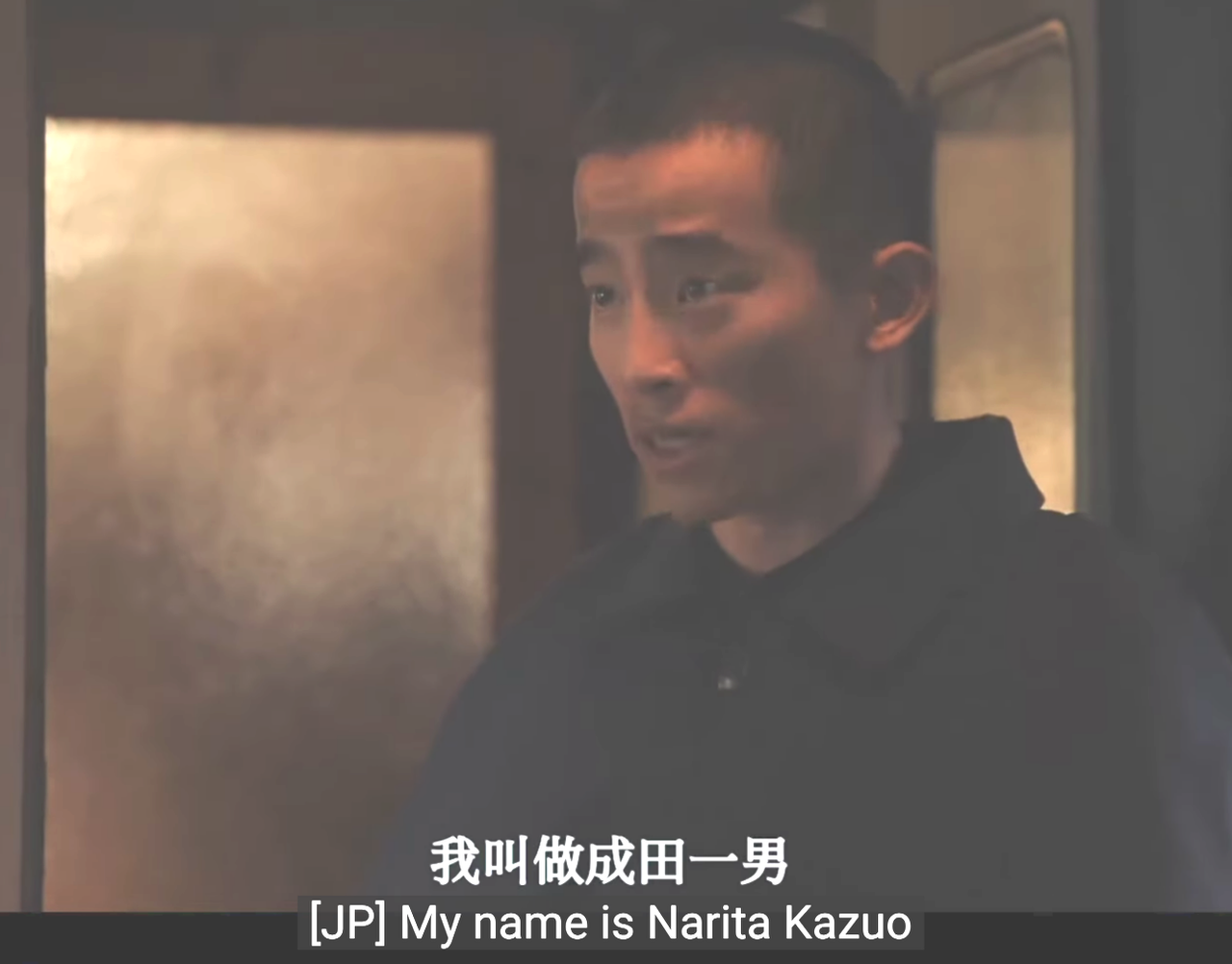 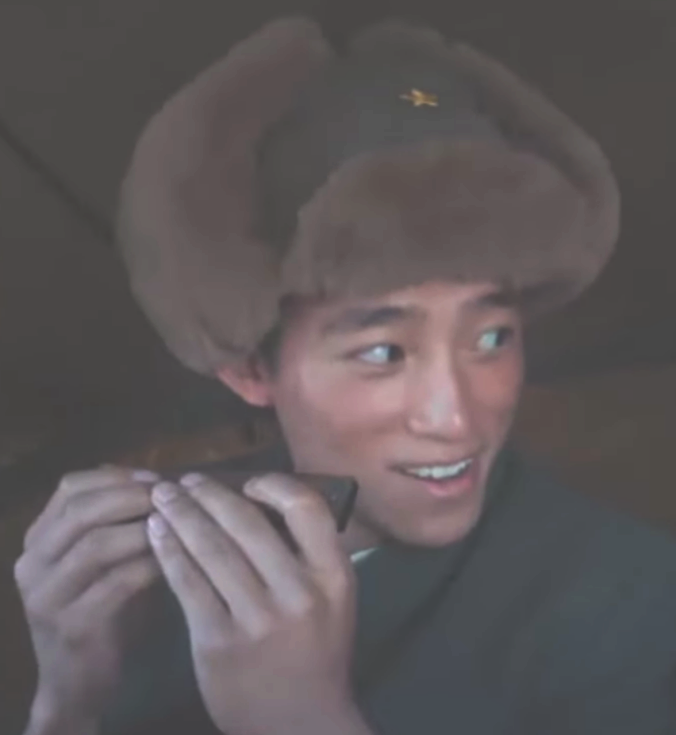 EP.2 | Narita Kazuo 做成田一男 A Youth Division recruit sent to Unit 731 to work as staff. He was the son of a soldier who died from leprosy, knew how to ride; he befriended Arakawa on the train before their arrival, hoping to improve his notions of Chinese language. Arakawa gave him a harmonica and showed him how to play the Red Dragonfly song on it. |
A graduate of the Central Academy of Drama, he entered c-ent through the 2019 youth sports entertainment crossover program " Supernova National Games Season 2 and has been playing both in movies and dramas since 2020, and played as Lan Bo ["Orphan Squad" leader] in 2024 Escape from the Trilateral Slopes also directed by Lǎo Suàn (see my Companion piece). | ||
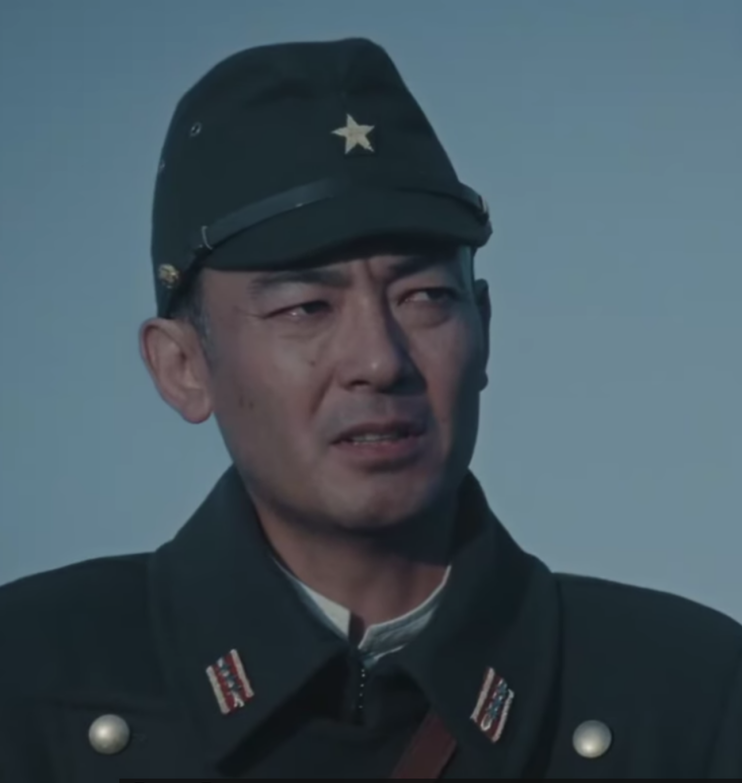 Ep.1 Ep.1 | Chief Yoshida 吉田 长官 The purchasing officer stopped the guards from killing Tóng Chǎngfù, and ordered him to supply apples to the Unit. |
He debuted in 1999 TV-Drama Love Chat, and has played many samurai roles for NHK Japanese TV. | ||
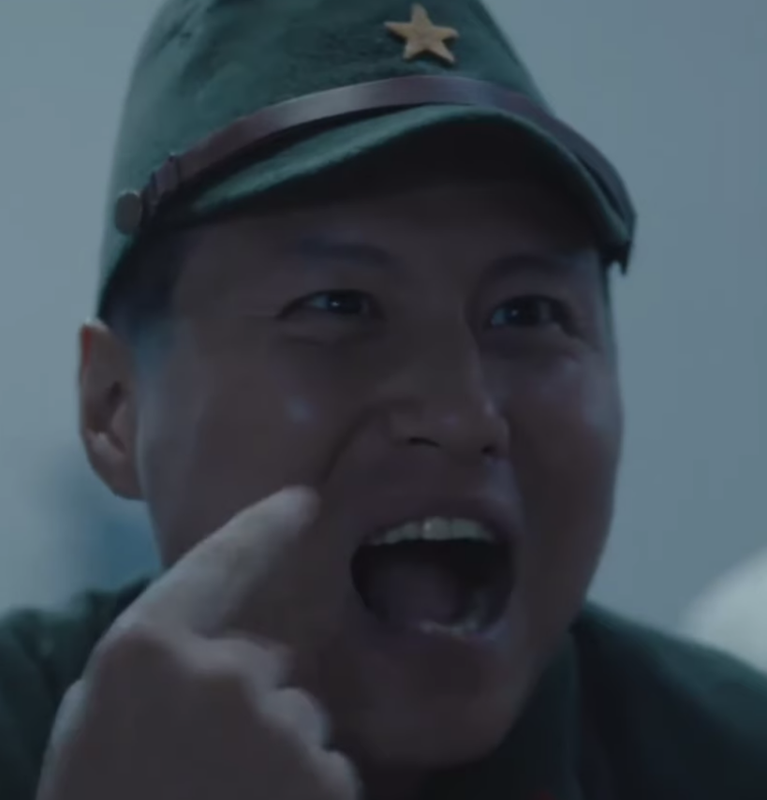 EP.2 | Takahashi Akira /Gao Qiaoming 高桥君 He had been assigned as room mate to Arakawa and filled him in with useful information, such as how to apply to get a Manchurian bride! Before proving to be just as murderously mad as Dr. Yoshimura, for whom he documented frostbite experiments on live people through black and white photographs. |
He started with playing a Japanese soldier in 2014 movie The Crossing, as guest role, and played in more dramas, including as the Gem stone purchaser in Escape from the Trilateral Slopes also directed by Lǎo Suàn (see my Companion piece). |


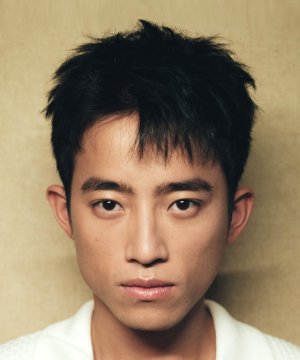
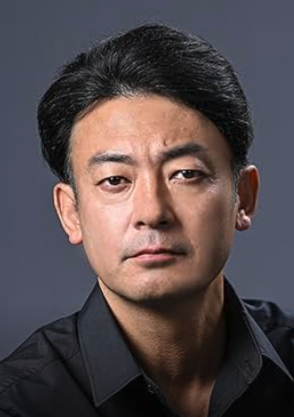
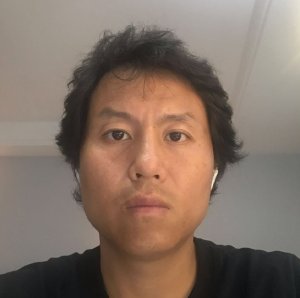
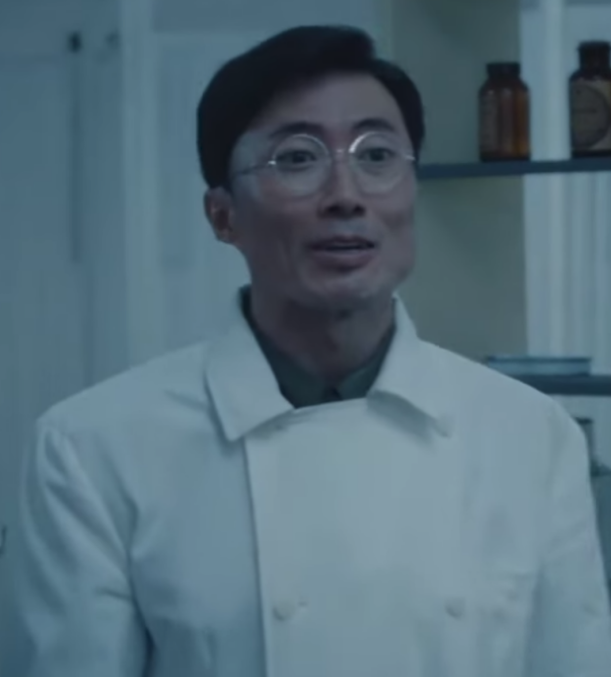 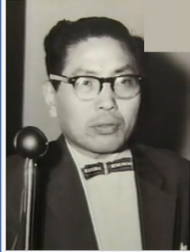 The real Yoshimura Hisato (1907-1990) The real Yoshimura Hisato (1907-1990)EP.2 | Yoshimura Hisato 吉村 寿人 He got an immunity deal in return for full disclosure of the results to the US government, lectured in Kyoto in 1941 and even published a series of articles about frostbite in 1951 and 1952. He became President of Kyoto Prefectural University of Medicine. In 1978, he got the Order of the Rising Sun- 3rd Class- for pioneering work in environmental adaptation science, by Emperor Hirohito. He died Nov.29, 1990, aged 83. |
Graduated in architecture from the Faculty of Science and Engineering , Meiji University, he also studied at the Central Academy of Drama's acting program in 2006. As a Japanese actor based in China, he played among other roles in the 2009 movie City of Life and Death (aka Nanjing! Nanjing!); he is known for his ability to portray complex and multifaceted villainous historical characters, although he would prefer to play comedy ! | ||
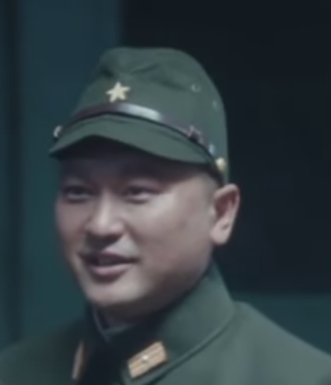 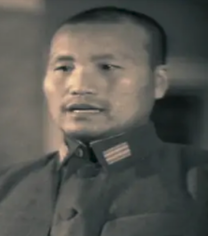 The real Jusano Ezawa (1911-1956) The real Jusano Ezawa (1911-1956)EP.2 | Karasawa Jusaburo 柄泽十三夫 [Bǐng zé shísānfū] aka Jusano Ezawa A former acquaintance of Arakawa who had studied anatomy in Tokyo, they had lost sight of each other for 13 years before being at Unit 731. |
| ||
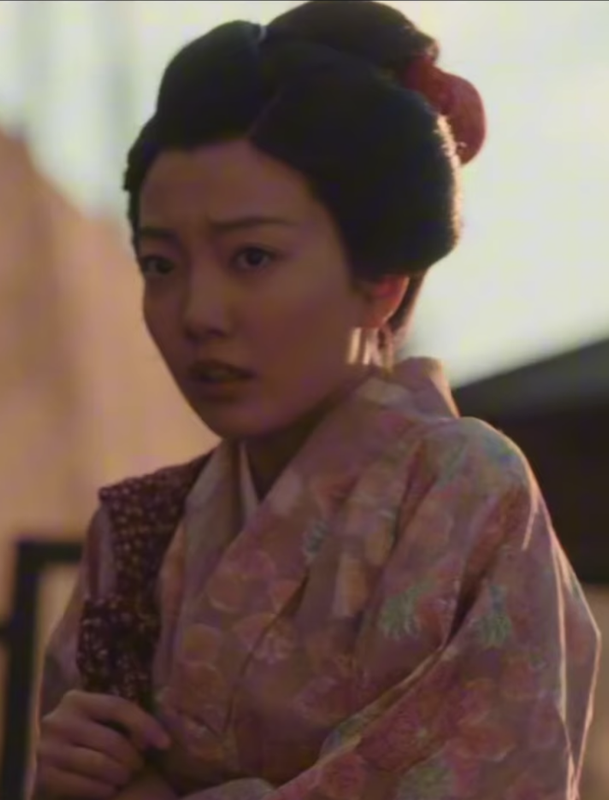 | Note: I think I confused two characters there - will check and change later. |
| ||
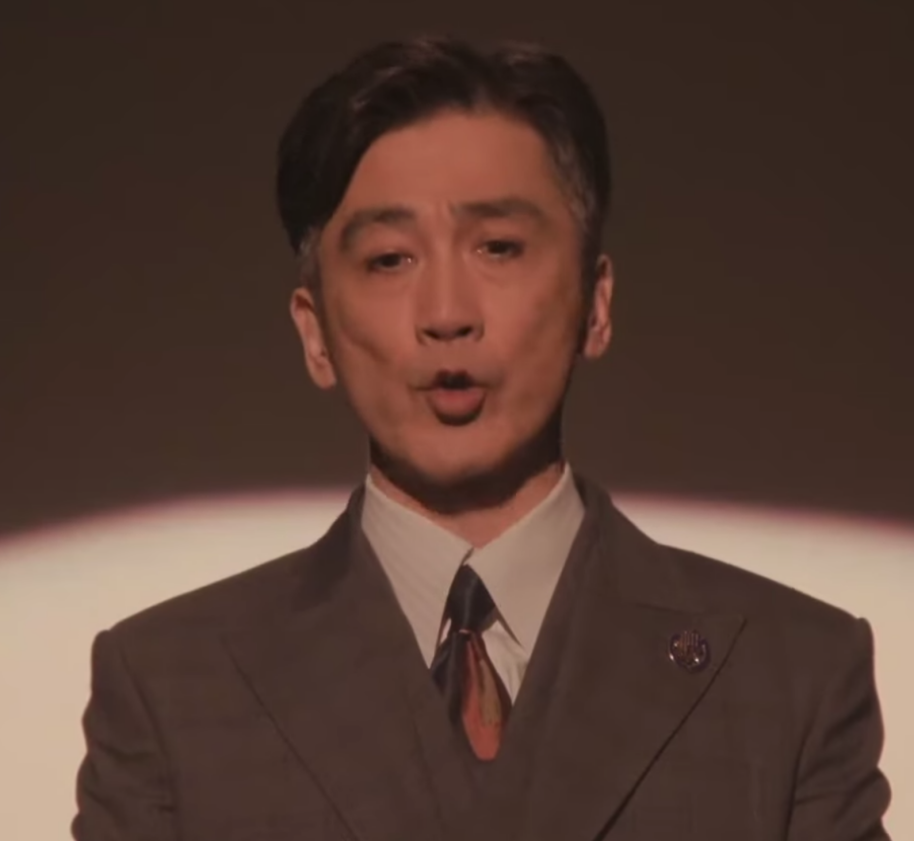 Ep. 3 Ep. 3 | Shiozawa Ryuchi 盐泽龙一 (Yán zé Lóng yī in Chinese) In charge of propaganda, he wanted Kojima to cooperate. |
| ||
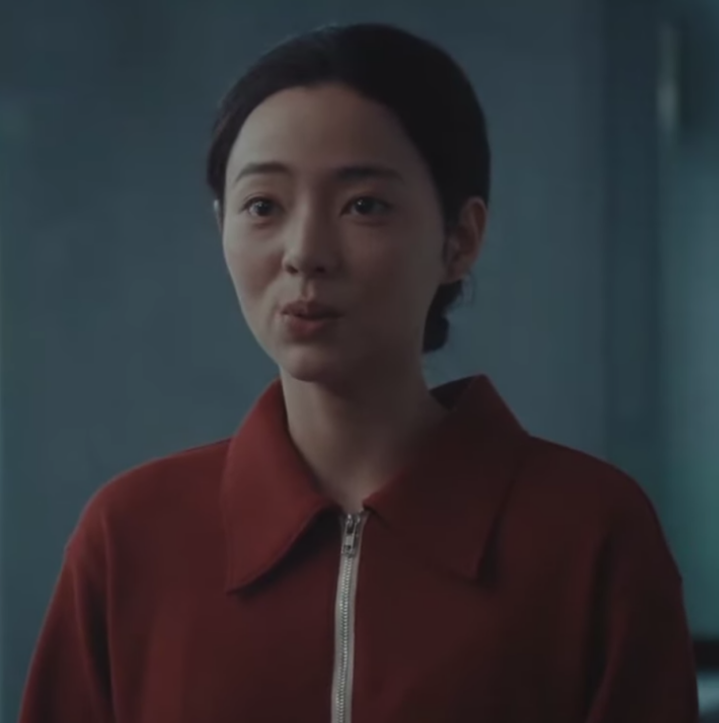 Ep. 3 Ep. 3 | Horiuchi Chiyoko 堀内千代子 was part of a group of Japanese "Manchurian brides" (Mǎnzhōu xīnniáng 满洲新娘)sent and trained as housewives to wed the pioneer troops, whom Kojima met on the train and decided to make a movie about. Kojima suspected they wented out of poverty this way, rather than for the ideals they proclaimed; he pushed for her to be assigned to Tianli village but this proved a bad choice. She was coveted by an old leader but disputed by a younger man, Iwasaki, who still gave out to the elder. |
| ||
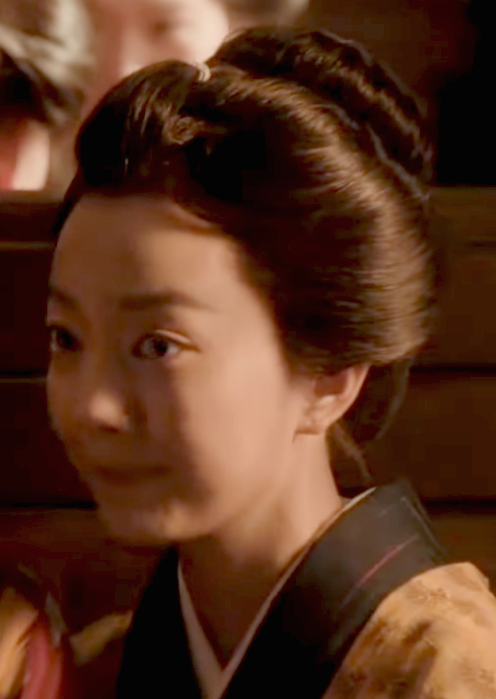 Ep. 3 Ep. 3 | Miyazaki Maiko 宫崎舞子 She was on the train with Chiyoko who said she was mute; on the ship, she seized the opportunity to assume the identity of a suicide, to hide her Korean identity. But she was assigned as the Manchurian bride of Chuankou Cong/Satoshi. She got bitten by a flea from a rodent escaping the forbidden area of Unit 731 and escaped to Zhao Village of Chinese in the hope of getting her infected leg treated. But in the wake of the attack by Tianli village (under a pretext to allow Tianli to annex Zhao land) she became the victim of a witch healing ceremony. |
| ||
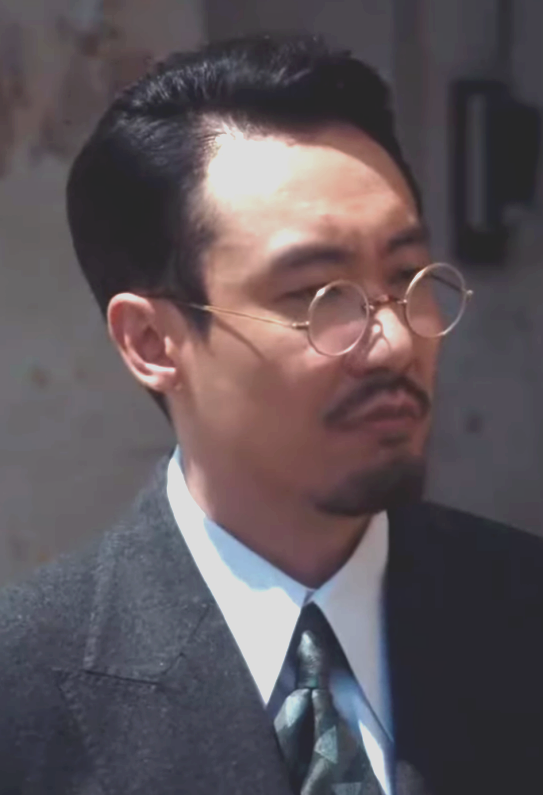 E. 3 E. 3 | Wèi Pǔ 魏浦 Cultural Advisor of the Bureau sent by the Ministry of Colonial Affairs. He supervised the choice of brides by soldiers and villagers in three villages near Unit 731. |
He has played in movies and since 2010 iPartment 1.5 in dramas, including as Cha Po in 2024 Escape from the Trilateral Slopes directed by Lǎo Suàn (see my Companion piece). | ||
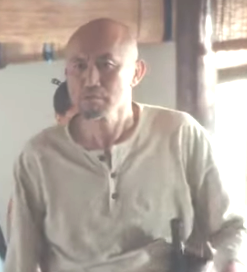 Ep. 3 Ep. 3 | Muto Katsu 武藤胜 Self defense battalion commander, retired. He got paired with Chiyoko but was challenged by Iwasaki. |
| ||
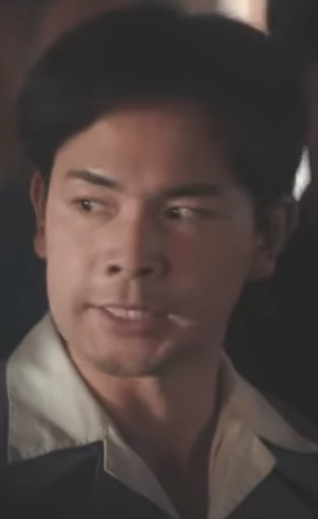 Ep. 3 | Iwasaki 岩崎 He wed Chiyoko but was forced to let Muto Katsu have first night right. Kojima thought he killed the commander not as revenge but as a set-up just before the severed head was hung at the Zhao family torii gate, triggering war between Tianli and Zhao Family villages. |
| ||
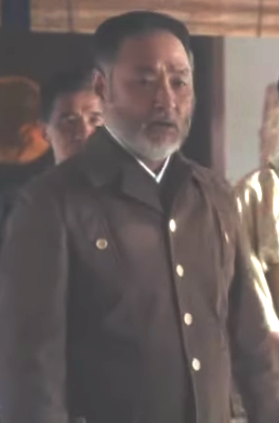 Ep. 4 Ep. 4 | Captain Ogasawara 小笠原 团长 He served as leader of Tianli village in religious fashion. Kojima begged him to let Maiko go before Narita disrupted the exorcism ceremony. |
| ||
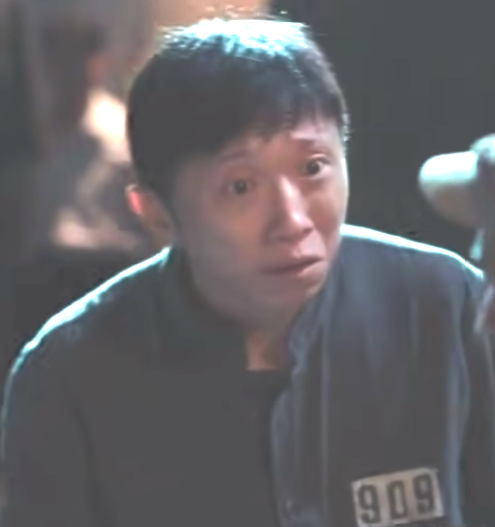 Ep. 4 Ep. 4 | "909" He was in charge of making new inmates enter willingly Unit 731, promising falsely foo and clean clothes. He got qualms when he saw a woman carrying a fat baby. |
With a long experience playing in dramas and movies since 2012 The Cliff, he played the role of Yan Baimei [Century Casino owner] in 2024 Escape from the Trilateral Slopes directed by Lǎo Suàn (see my Companion piece). | ||
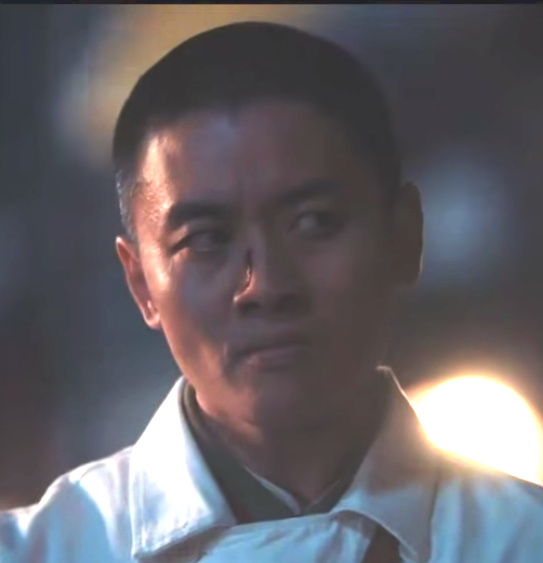 Ep. 4 Ep. 4 | Captain Oda 小田队长 He was in charge of the squad rounding up possible plague infected villagers, after Qīngfā and two others died from eatin Er-tiao's meat. He was shot by Bātúmǎ while Yùlán escaped, and struck her down in retaliation |
| ||
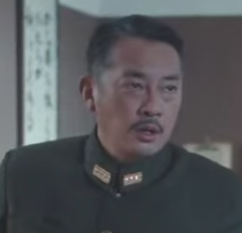 Ep.5 Ep.5 | He directed operations before Ishii's return | |||
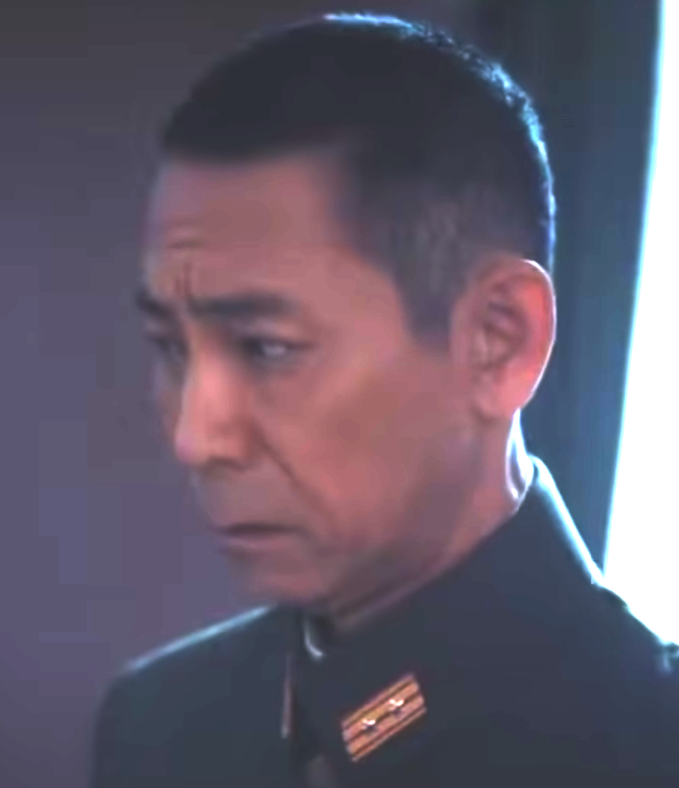 Ep.5 Ep.5 | Commander Sagaki 佐贺木大左 (Sagaki Daisaku) He informed his superior about the bubonic plague in Tianli village and the escaped mice that got caught. |
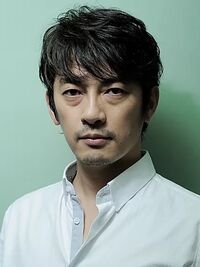
He debuted in 1997 and played in many Japanese movies and dramas, and also in the 2005 war film My Mother Zhao Yiman, based on her son Chen Yexian’s memories,directed by Sun Tie and co-starring Zhang Han, Jin Dong, etc. |
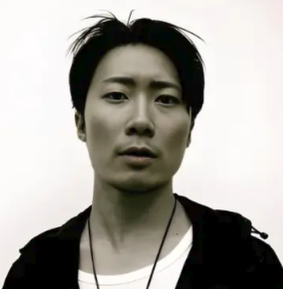
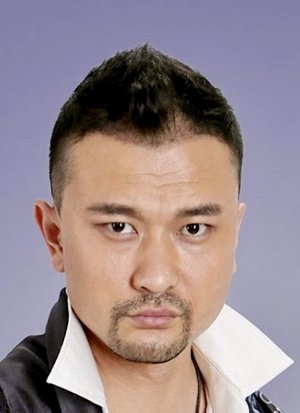

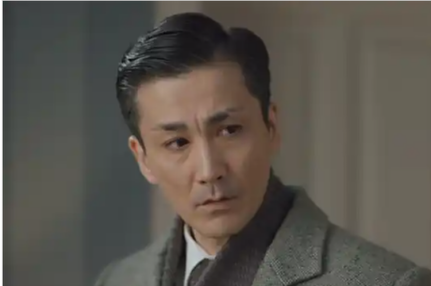


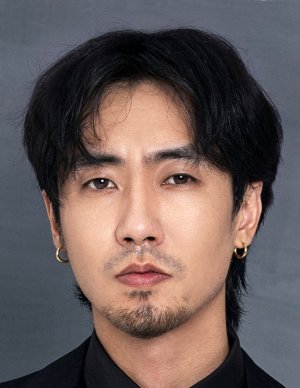
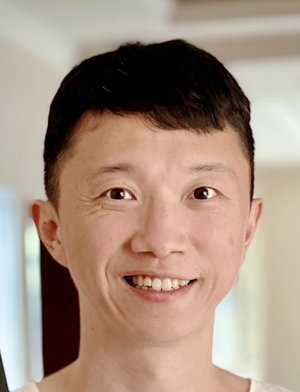
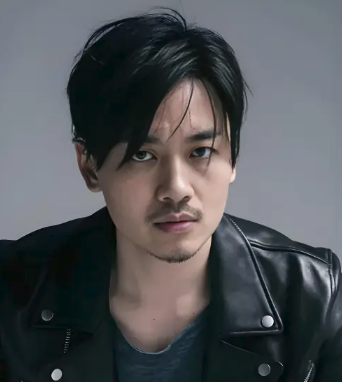
edited
8. BACKGROUNDManchus, warlords- Russians -Koreans- Japanese - A railway, ports, wars and invasions. Unit 731 and the other Units of research in germ and chemical weapons overseen by the Tokuo based " Epidemic Prevention and Water Purification Department." Note: clickable highlighted words or sentences in the text link to sources or more information; pictures are linked to their sources. |
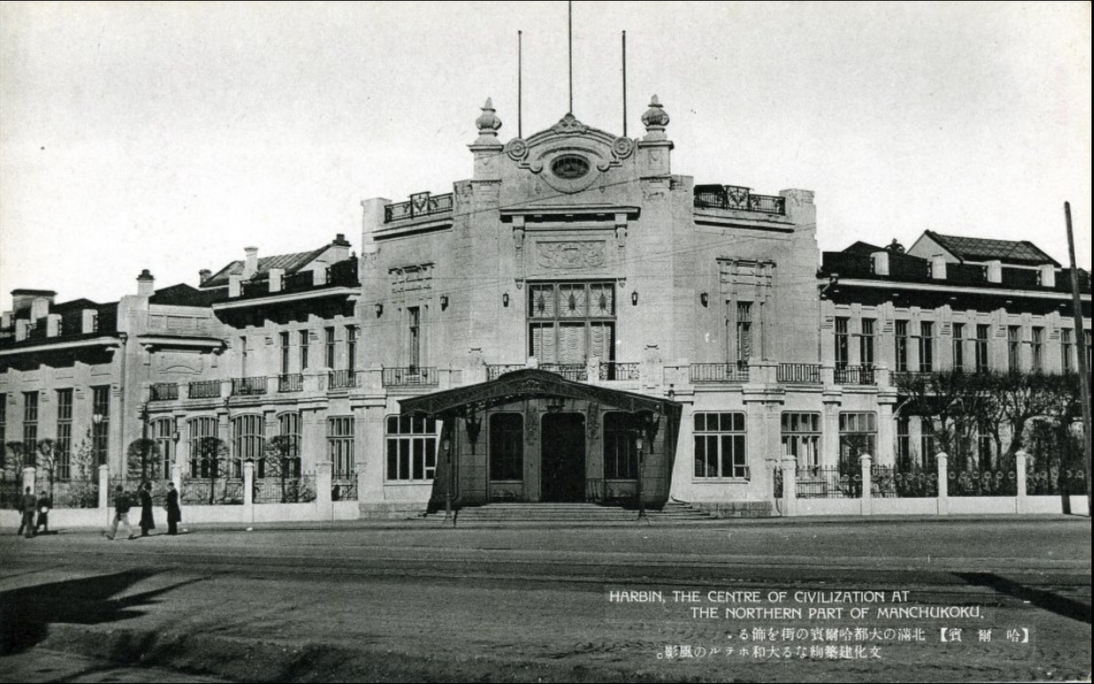
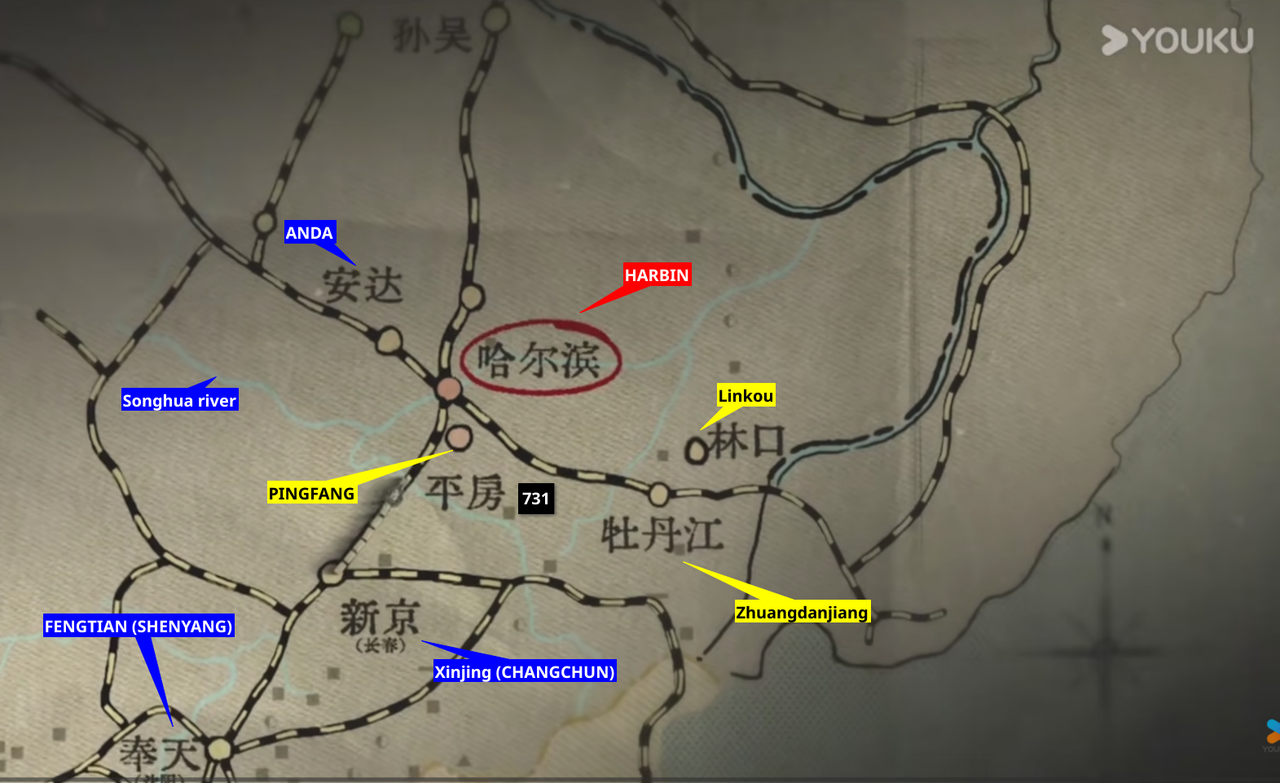
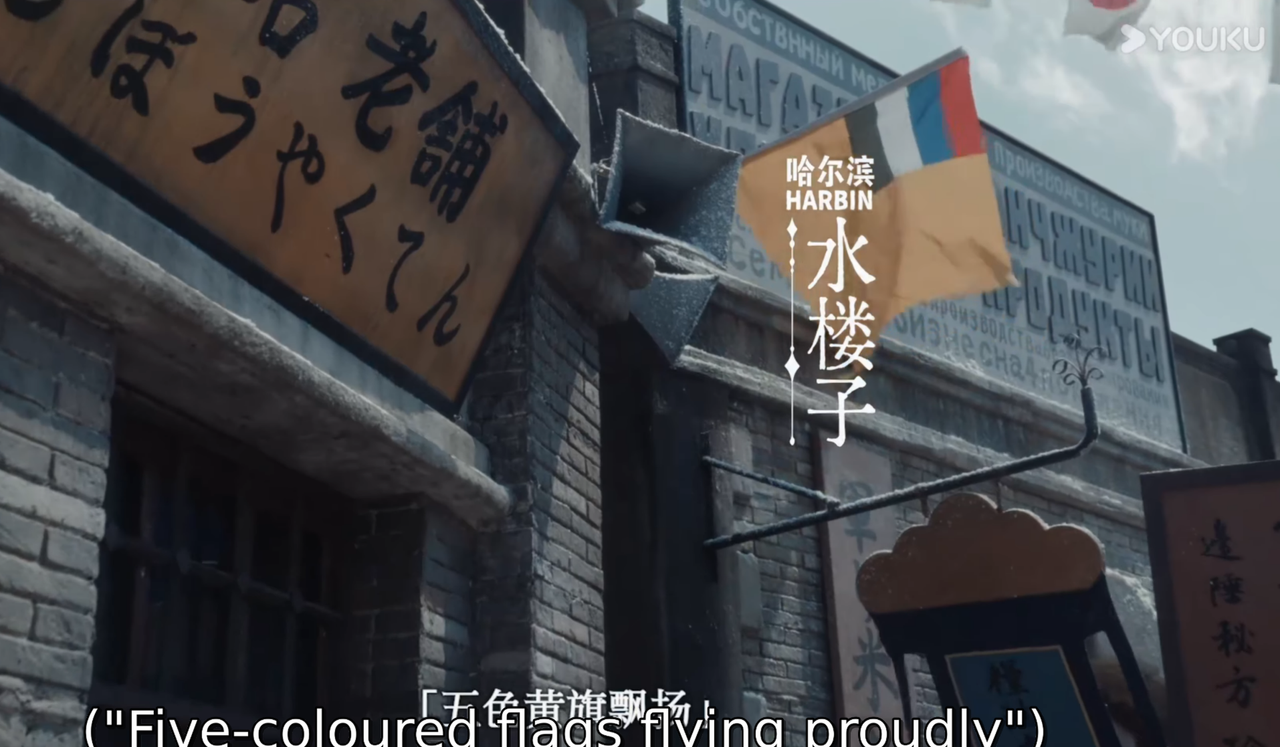
In 1940, Harbin 哈尔滨 (Hā'ěrbīn in pinyin) was a city with a diverse population and European looking buildings, at the heart of a region which had been torn by wars for centuries, in particular from the mid 19th century before becoming an important economic and transport hub on the CER (China Eastern Railway) linking many cities from Russia to Běipíng/Běijīng and in particular with the port cities . In the mid 19th century, the Russians had seized vast territories of Outer Manchuria, in particular the fishing port of Hǎishēnwǎi 海參崴 ("bay of sea cucumbers") where they built the port of Vladivostok ("defend the East" in Russian) created on July 2, 1860. It became the main Russian naval base on the Pacific Ocean in 1872, and a free commercial port about 1900. The Russians, despite expanding themselves, were wary of the growing Japanese expansionism which led to the First Sino-Japanese War (25 July 1894 – 17 April 1895), concluded by the treaty of Shimonoseki (in which the Qing empire was forced to cede control of Taiwan, which was occupied by the Japanese for 50 years after the treaty). Two years later, the Russians obtained a 25 year lease on the port of Lǚshùnkǒu 旅顺口 (now a district of Dàlián 大连) ; it had first been developed as a port for the Běiyáng army of the Qīng in the 1880s but was finally built into the crucial Russian Port Arthur. Not content with their first victory over the Qīng empire, the Japanese also eyed Korea (a tributary of Qīng empire), launching the Russo-Japanese War (8 February 1904 – 5 September 1905) during which they destroyed the Russian Pacific Fleet in a surprise attack at Port Arthur on 9 February 1904. The war was concluded with the Treaty of Portsmouth (5 September 1905), mediated by US President Theodore Roosevelt. At the time, the United States saw Japan as an ally in the U.S.'s quest to control the Pacific and maintain for the U.S. China's "Open Door Policy.". The treaty recognized Japanese interests in Korea, and awarded to Japan Russia's lease on the Liáodōng Bàndǎo 辽东半岛 / Liáodōng Peninsula, control of the Russian-built South Manchuria Railway, and the southern half of the island of Sakhalin (Karafuto). Japan also took over the leased to Russia territory and renamed Port Arthur to Ryojun. Next, the Japanese first seized the Korean emperor in 1905 before annexing Korea with the Japan–Korea Treaty of 1910. |
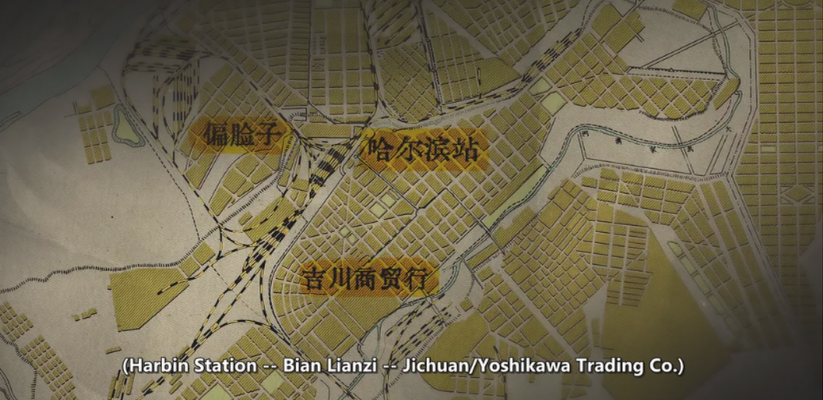

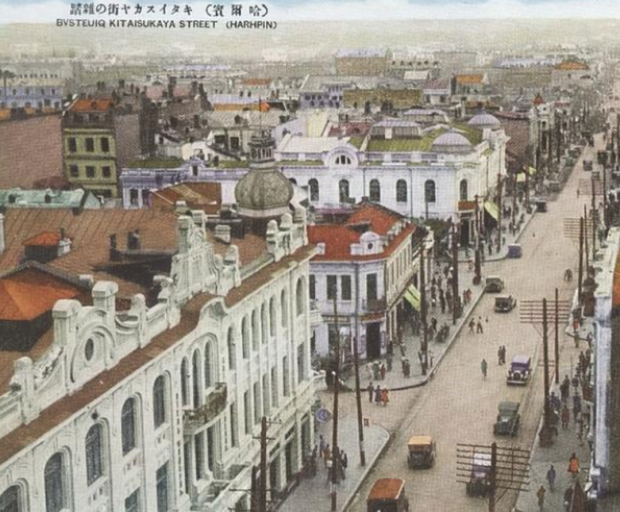
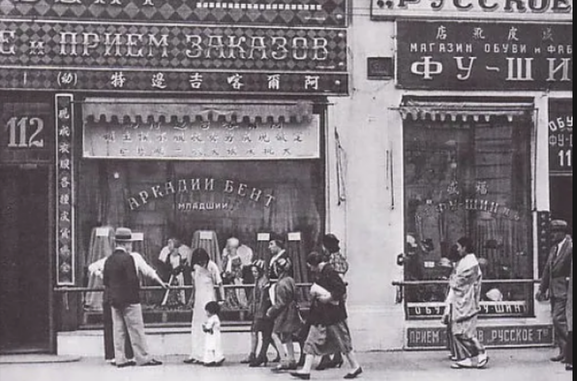
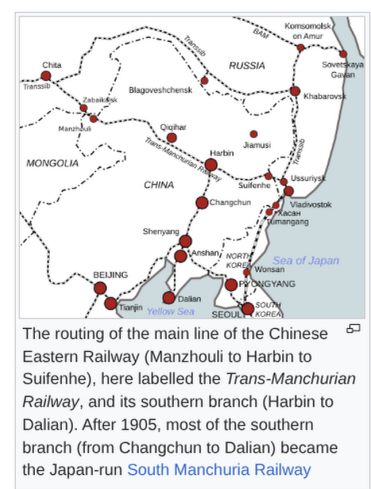 | Towards the end of the 19th century, the Russians secured territory along the railway which they were building from 1897 to 1902 in Manchuria. When the Amur River Line north of the Chinese border was completed in 1916, there was a continuous railway from Petrograd to Vladivostok that, to this day, is the world's second longest railway line. and it linked to the CER (Chinese Eastern Railroad) which extended to Beijing via Harbin, Chǎngchūn 长春 (renamed Xīnjīng 新京 under Manchukuo times), Shěnyáng 沈阳 and Tiānjīn , while a branch extended from 1898-1899, to link Port Arthur/Ryojun 旅順 (name when it fell to the Japanese in 1905) and close by Dàlián/Dairen 大連 to Harbin. |
After the Soviet retreated and the Japanese took over from the warlords of Shěnyáng (known as Mukden, its Manchu name until 1914), whom they had first supported because they helped their economic interests, Manchuria fell under Japanese control. The elder warlord Zhāng Zuòlín 張作霖 was betrayed and assassinated on June 2, 1928, by officers of the Japanese Kwantung Army. He was succeeded by his son, Zhāng Xuéliáng 張學良, who recognized the Guomindang Nationalist government. Over a couple of years, Zhāng achieved the reunification of China, eliminating the southern warlords; but he grew disillusioned by the Generalissimo Chiang Kai-shek (Jiang Jieshi in pinyin) who promoted nonresistance to the Japanese invasions of Manchuria in 1931 (this led him to organize the famous Xi'an incident in which he arrested Jiang and forced him to form a Second United Front with the Chinese Communist Party against the Japanese. |
THE MUKDEN INCIDENT OF September 18, 1931 : A Lieutenant of the 29th Japanese Infantry Regiment detonated a small quantity of dynamite close to the Japanese owned South Manchuria Railway. Despite it was so weak that it failed to destroy the track, the Imperial Japanese Army accused Chinese dissidents of the act and responded with a full invasion that led to the occupation of Manchuria. | 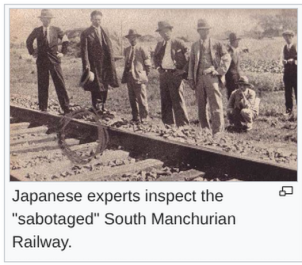 |
When Japan invaded Manchuria in 1931 and occupied the Soviet sphere of influence, the Soviet Union was still not strong enough in the East to oppose the Japanese. Stalin adopted a policy of strict neutrality, and the Soviet Union sold its rights to the Chinese Eastern Railway on 23 March 1935 to the government of the Manchukuo (the puppet state established in 1932 by the Japanese in Manchuria, with its capital in Chǎngchūn, where the last Qing emperor was half detained in a small palace). |

Manchuria itself is not a name that was used by the local people, the Qing viewed only One China, multi-ethnic, and stated explicitly in various edicts, as well as within the 1689 Treaty of Nerchinsk, that the Manchu home provinces belonged to China. The Manchu homeland was referred to as the 三東省; Sān dōngshěng; 'three eastern provinces' during the Qing, those provinces being Jílín, Hēilóngjiāng, and Liáoníng. These regions were first delineated in 1683, but would not become actual provinces until 1907. The name of the city of Harbin was originally Manchu from a word, which means “place for drying fish nets.” It was transliterated into Russian as Kharbin .The Japanese used another name as a synonym for Harbin: Pinkiang during the period of Manchukuo (1932–1945) but the city's name in Japanese is typically written as ハルビン (Harubin), derived from the Chinese pronunciation "Harbin". The term "Pinkiang" itself is a transliteration of the Chinese name 哈尔滨 (Hā'ěrbīn) into a different romanization system and does not have a direct hiragana equivalent. Whereas the Japanese Manchukuo official new name for its capital Chǎngchūn 长春 was transcribed as しんきょう in hiragana, and Xīnjīng 新京 in Chinese, romanized at the time as "Hsinking ". Another historical name of Manchuria was "Kwantung" ( 關東/关东 Guāndōng) that literally translates to "east of (Shanhai) Pass" (Manchuria was separated from the rest of China by the Great Wall, and Shanhai Pass was the main pass used to travel between the two). The peninsula extending from southern Manchuria (now called the Liáodōng Peninsula) was therefore often called the "Guāndōng (Kwantung) Peninsula". |
The Kwantung Army (Japanese: 関東軍, Kantō-gun) was a general army of the Imperial Japanese Army from 1919 to 1945. It was formed in 1906 as a security force for the Kwantung Leased Territory and South Manchurian Railway Zone after the Russo-Japanese Warof 1904–1905 and expanded into a prestigious army group to support Japanese interests in China, Manchuria, and Mongolia, to allow proxy control over Manchukuo, and become the main Japanese fighting forces during the 1937–1945 Second Sino-Japanese War. Many of its personnel won promotions to high positions in the Japanese military and civil government, including Hideki Tojo and Seishirō Itagaki. The Kwantung Army perpetrated several war crimes during World War II, sponsoring Unit 731, which both carried out acts of biological warfare and performed unethical human experimentation on civilians and Allied prisoners of war. The Kwantung army targeted opponents such as Chinese dissenters. Among the latter were famous Chinese revolutionaries and martyrs of the Dongbei, such as Zhào Shàngzhì 赵尚志 (1908-1942), Yáng Jìngyǔ (1905-1940), Lǐ Zhàolín (1911-1946), the heroine Zhào Yīmàn (1905-1936). These continued to struggle against the Japanese in Harbin and its administrative area, commanding the main anti-Japanese guerrilla army-Northeast Anti-Japanese United Army—which was originally organized by the Manchurian branch of the Chinese Communist Party (CCP). That army was supported by the Comintern after the CCP Manchurian Provincial Committee was dissolved in 1936. But many other people ended up as experimental subjects for the Kwantung army: Russians who were considered as invaders and spies, Jews, Mongolian, North Koreans who were considered as sub human slaves by the Japanese, and even Europeans or other people who had lived in cosmopolitan Harbin of the early 1930s. |
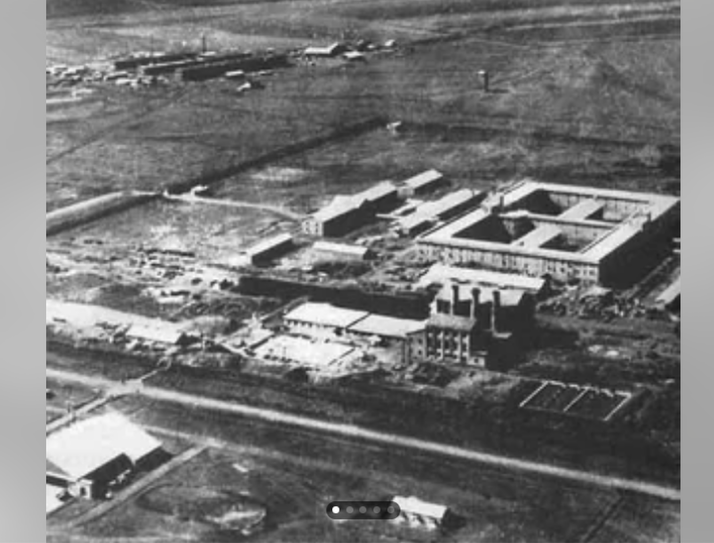
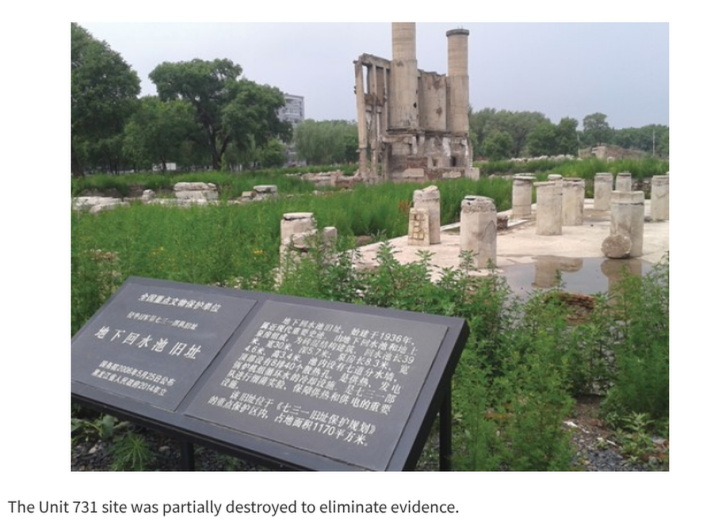
In exchange for results of the experiments, several war criminals were granted immunity by USA president Truman, the US army being interested in these secret results, so they escaped scot-free, while a fraction got tried and sentenced by the joint committee of Allied forces. But worse again, as the USA after dropping the nuclear bombs on Japan to end the war, remained staunchly opposed to the "communist countries", in particular the PRC, the evidence of the war crimes were hid, mentions of them downplayed as fiction both in the USA and in Japan (the Western world following suit), stipends were paid to former death camp personnel, some even became respected as professors and deans of universities! Unawares at first of the extent of the intentional evil, since all prisoners had been killed and few of the personnel dared to speak the truth, having been sworn to silence, the PRC had first destroyed part of the camps in Harbin and Chǎngchūn (Unit 731 was only the one which became the most famous) before turning the remaining buildings into other uses : the area of Unit731 was vast, almost 6 km2, s part of the buildings were later used for industrial purposes, apart the one which was reserved for the memorial museum to the victims.
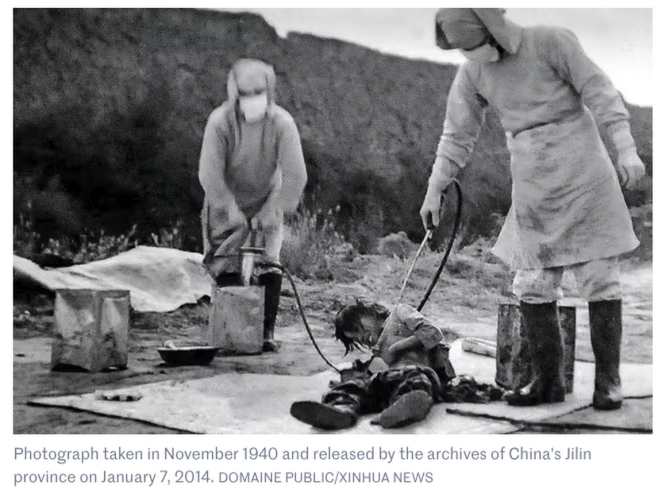
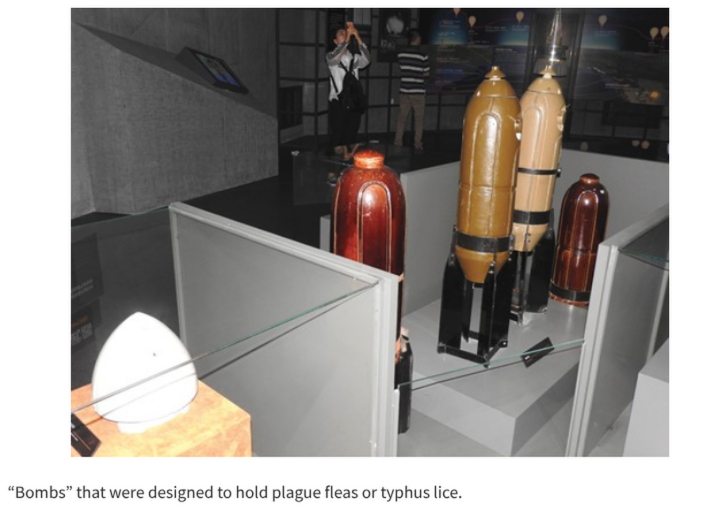
Today, it has surfaced that what at the time looked as a benign "prevention and control of epidemics and water purification unit" in Manchuria was in fact a large-scale biological and chemical warfare research base, which maintained multiple branches across mainland China and even Southeast Asia, and conducted genocidal operations as far away as Nánjīng 南京 and other locations.... Other secret units had been set up by the Japanese invaders in China as part of a network reaching far away in occupied China : Unit 100 in Chǎngchūn, Unit 731, Unit 1644 in Nánjīng, Unit 1855 in Běijīng, Unit 8,604 in Guǎngzhōu... Unit 731 employed approximately 3,000 personnel, including physicians, pathologists, pharmacists, engineers, and other skilled professionals, many of whom were recruited from Japan’s top medical institutions. All the Units were overseen, like infamous Unit 731, by the Tokyo-based Epidemic Prevention and Water Purification Department. The Japanese Army Ministry had promoted the relocation of the Epidemic Prevention Research Institute of the Japanese Medical School from Tokyo to Harbin in 1933, already known as Ishii Unit or Kamo Unit then. Their primary activity reportedly involved experimenting on humans to enable Japan to develop biological weapons, in violation of the 1925 Geneva treaty. All engaged in biomedical research and the production of biological weapons. In 1933, a human experimentation facility was established at Bèi īn River 背荫河 in Wǔcháng 五常, present-day Hēilóngjiāng province. That facility was built on land forcibly taken from 20 local households of Zhōngmǎ, a diffuse village of about 300 homes (which were burnt down burnt down, except for a large building suitable for use as a headquarters) to construct 中馬城— aka Zhōngmǎ Prison Camp or Unit Tōgō. Thousands of laborers and hundreds of horse-drawn carriages were used to construct the complex over a year. It featured high-voltage electrified barbed wire fences, gun towers, a two-meter-wide moat, and a suspension bridge with large black iron gates guarded by armed Japanese soldiers, all designed to prevent escapes and maintain secrecy. The average life expectancy of a prisoner at the camp was one month. Prisoners who survived the experiments, but who were deemed too weak for further tests, were killed. The facility was estimated to have held between 500-600 prisoners at any one time, with a capacity for over 1000. The site was connected by a special railway line and an airport, and all train passengers passing Bèiyīnhé 背荫河 Station were required to keep curtains closed to prevent observation. It operated until 1936, when a mass escape by 12 Chinese prisoners exposed the site’s vulnerabilities and prompted the Japanese military to demolish the fortress in 1937. The experimentation was next conducted in the more secure Units, such as Unit 731. The military personnel in the units developed early hazmat suits and conducted human experimentation and tested biological agents such as plague, cholera, and anthrax on prisoners and civilians, resulting in thousands of deaths. But the Units were not limited to experimentation; they also developed and deployed biological weapons, with documented attacks in cities like Níngbō and throughout Zhèjiāng province in 1941. There were also field operations, such as the release of plague-infected fleas and contamination of water supplies.
Unit 731 (Japanese: 731部隊, "Nana-san-ichi Butai"), officially known as the Manchu Detachment 731, was also referred to as the Kamo Detachment and the Ishii Unit (from the name of Lieutenant General Shirō Ishii, head of the Unit). Its activities included infecting prisoners with deadly diseases, conducting vivisection, performing organ harvesting, testing hypobaric chambers, amputating limbs, and exposing victims to chemical agents and explosives. But although this came as pretense "research", it was in fact only mostly unscientific, racist mass murder in the cruelest way, and contrary to nazi camps, where some survived, Unit 731 left no survivor except personnel. No documented survivors among inmates of Unit 731 are known. An estimated 14,000 people were killed inside the facility itself. In addition, biological weapons developed by Unit 731 caused the deaths of between 200,000 and 500,000 people in Chinese cities and villages, through deliberate contamination of water supplies, food, and agricultural land.
Traces of what was going on there were erased as much as possible when Japan lost the war, including the remains of the prisoners—often referred to as maruta ("wooden logs") by the staff. The dehumanizing term "maruta" was also used in the context of the unit's cover story, as the facility was disguised as a lumber mill. The prisoners were mainly Chinese civilians, but also included Russians, Koreans, and others, including children and pregnant women. treated like things to play with, since only the superior Japanese were "human" in their minds . Those Japanese personnel who disagreed could not easily leave and flee the Units, except through suicide, so the high turnover there shows that the Unit also took its toll on the more human minded Japanese, and only the worst held on; when the last "site sweepers" left, they were given cyanide pills so they would not be able to give testimony, and those who stayed alive were often cowed into silence. The silence was enforced also at government level, especially in Japan, and in the USA which people in charge could not be totally clueless, since they had bought documentation in exchange for immunity for many top criminals and even shipped some to safety abroad for a while. The International Military Tribunal for the Far East (IMTFE), targeted only 28 top criminals and convicted 25, with 7 death sentences and 16 life imprisonment (but many were liberated by 1953...). There were other less publicized trials, in Khabarovsk, of the Soviet Union. But the 12 members of Unit 731 captured by the Russian Army and put on trial from 25 to 31 December 1949 in Khabarovsk also negotiated clemency for information. Those 12 Japanese war criminals were eventually released and repatriated to Japan by 1956. Anyway, the Western powers dismissed the evidence of Unit 731 as Communist propaganda. Allied powers tribunals did try 5,600 Japanese military personnel in approximately 50 locations across the Asia-Pacific region: around 4,600 were found guilty, with about 920 sentenced to death and executed. But prison sentences were gradually reduced over time, and all surviving Japanese war criminals had been released by the end of 1958. "The issue of war crimes remains controversial in Japan, with some government officials visiting the Yasukuni Shrine in Tokyo, which honors all Japanese war dead—including convicted Class-A war criminals—drawing criticism from neighboring countries. While the Japanese government acknowledges the suffering caused during the war, debates continue over the sincerity of apologies and the portrayal of wartime events in history textbooks." --- About 731, also check out this comment (by MDL member roddib ) in the general comments section. Check out the Wikipedia detailed article about Unit 731 and this recent short video : |
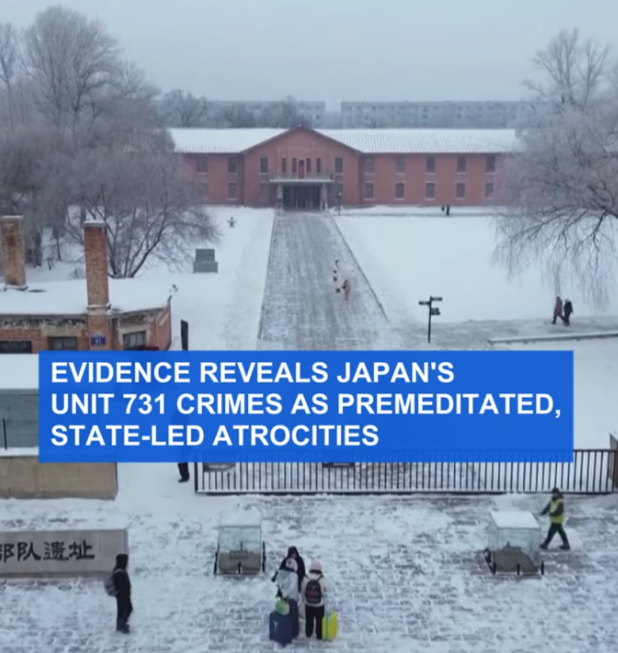 | 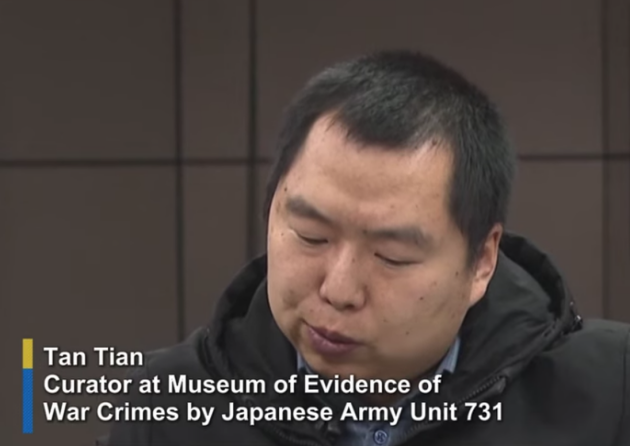 | 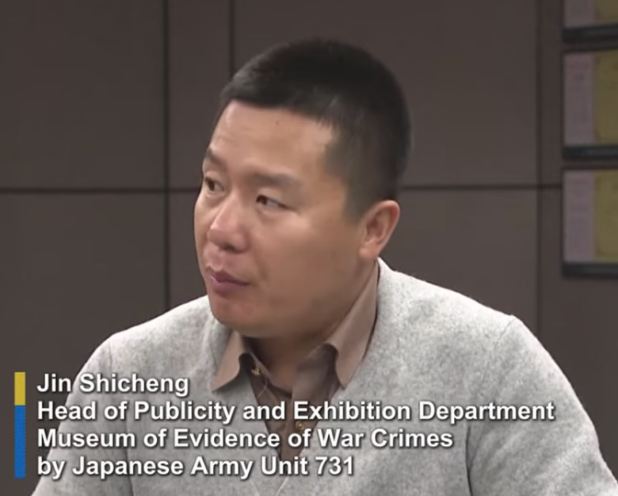 |
Sources : Wikipedia, Le Monde May 29, 2025, CGTN
edited
9. CINEMATOGRAPHY |

 | 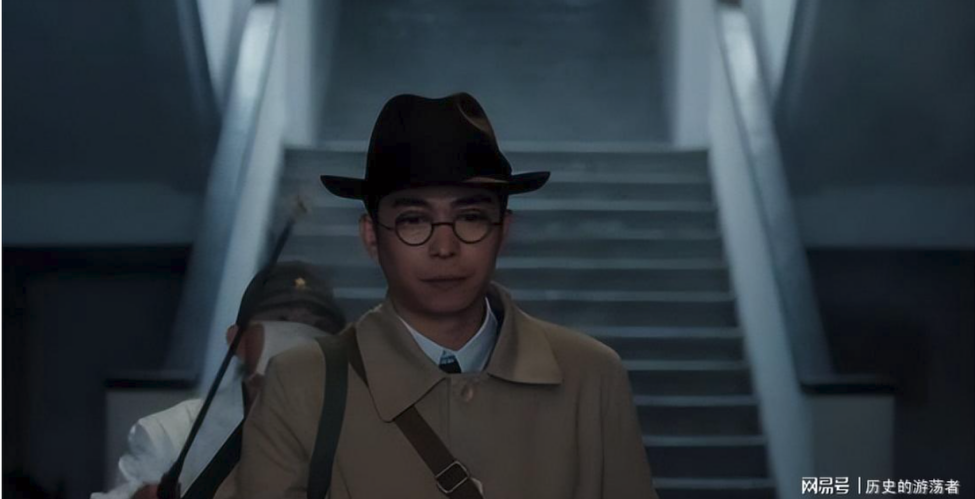 |
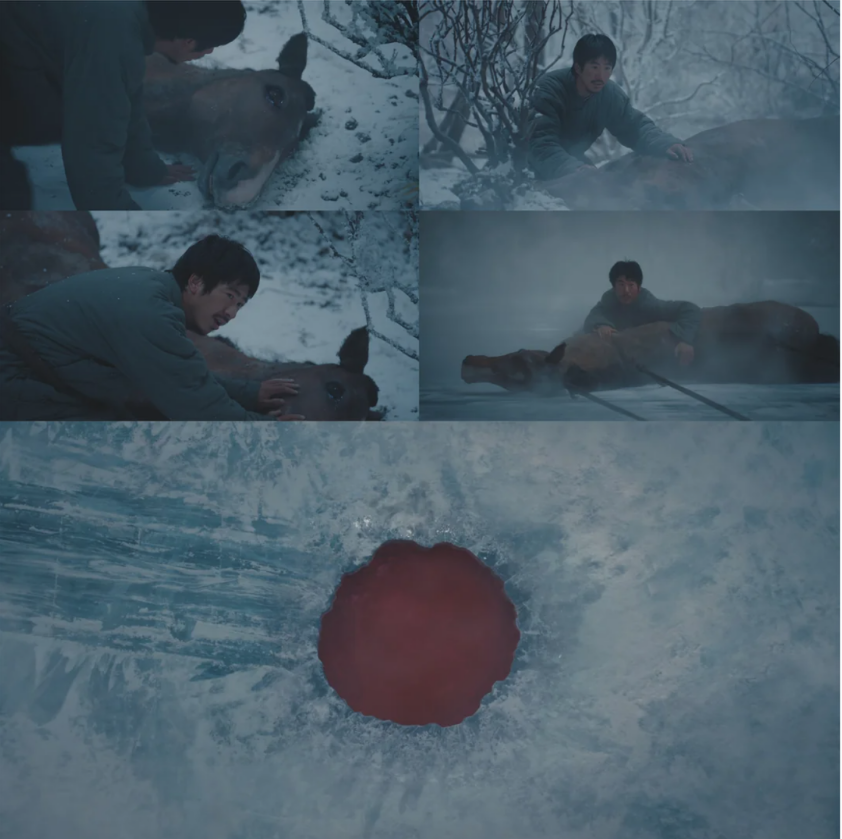
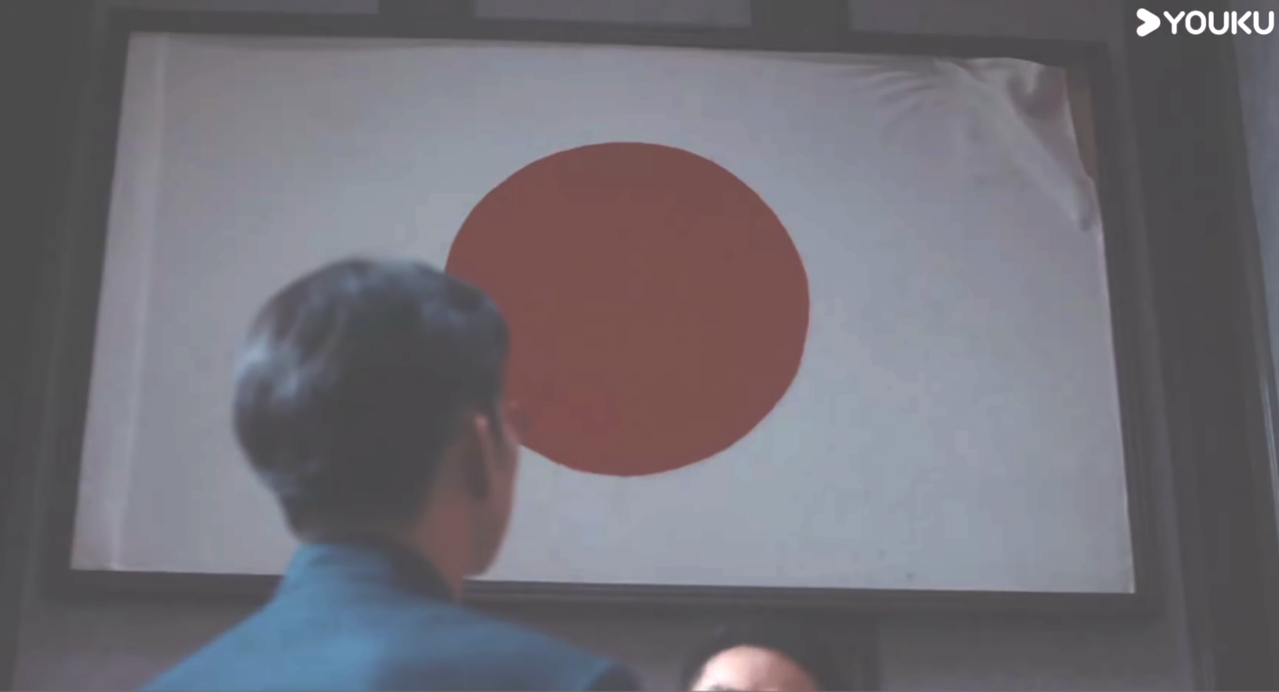
The cinematography in the drama is very clear, sharp, and can have symbolic meanings : the apple on the snow in the opening scene, partly hiding the date, evokes the Japanese flag of today, less the rising sun rays, but also the poison apple of fairy tales, in a grim way, since apples were indeed poisoned at 731... This motif is repeated in the fever dream of Tóng Chǎngfù, the main protagonist in the first episode: the horse has been harpooned and is suddenly drawn into a hole in the iced-over river, where the red water also evokes an evil eye, repeating the motif of the dying horse's bloodshot eye after the protagonist reaches its body. That surreal scene started with a memory of his grandmother instructing him in youth about hunting with a bow and arrow, but suddenly morphs into the ominous dragging of the horse's carcass to the bloody pool in the white ice. The farmer can't get himself to let go of the horse, until too late, and is thus propelled into the hellish pool, just like he will be dragged by circumstances to the as yet not identified as evil Unit 731, hidden from people's knowledge behind the cold walls in the midst of an icy wasteland. The date should be 1940, winter to 1941, but the unfinished date also both evokes the worst decade in the story of Unit 741 and the unifinished business of uncovering the truth. These few pictures hold so much meaning!
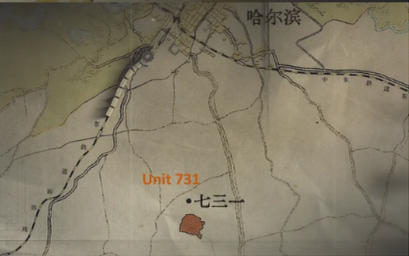
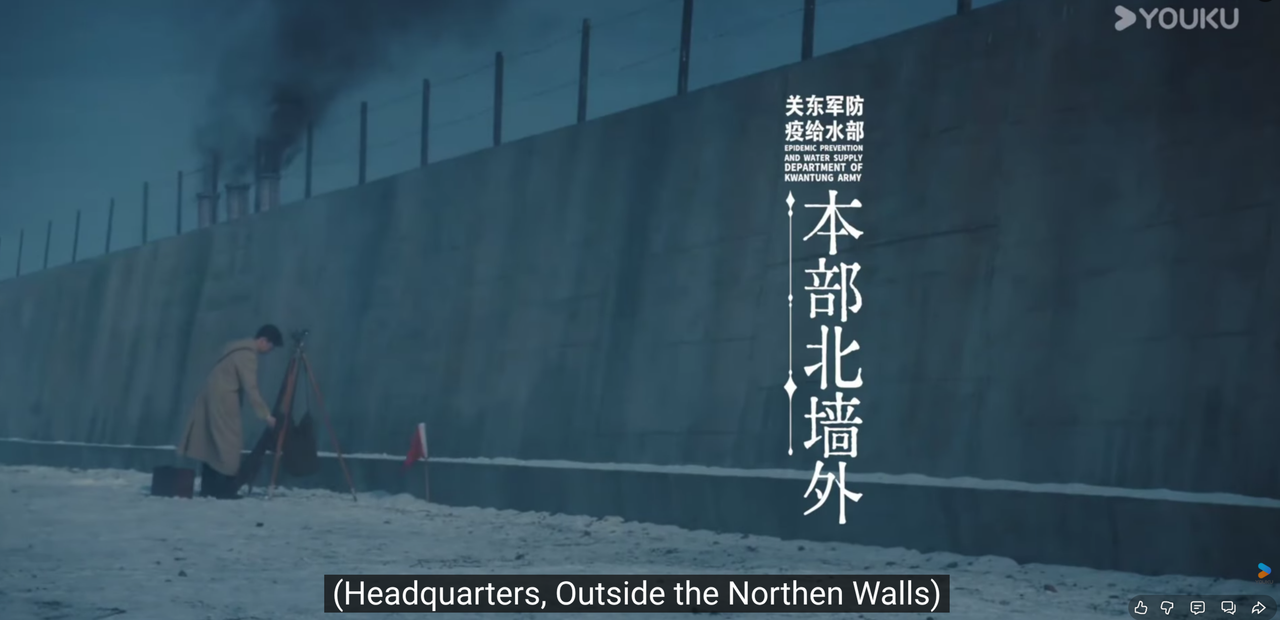
The "evil eye" motif starts i fact in opening credits, when the small train looking like a poisonous caterpillar proceeds on its tracks on the map where the location of Unit731 is shown by a jagged edge circular red stain, and in episode 2, when Arakawa is asked to help the soldier who lost an eye, and later opens the manhole near the forbidden area which he must measure from its outer walls circumference. The pictures show the outer icy fog, tainted with the faint reddish fumes from the chimneys inside the facility, contrasting with the eerie vapors from inside the hellish pit, the edges of which Arakawa clutched before descending into it. He would get a nightmare of what he found, despite he already had knowledge that the seemingly heathy horses he saw at the stables were sick and that the place is one giant "medical research base", which explained why he was "spray disinfected" on arrival to work at the base.
The images smoothly morph from foggy reality to the dream of what was to be found at the bottom of the manhole: a passage to a terrifying real horror. The visual storytelling is very shrewd, bringing unease with colors and carefully considered shocking "thrown into face" images. A commentator for episode 2 was reminded of memorable impressions from the 1979 science fantasy movie Stalker, by the acclaimed Russian director Andrei Tarkovski (1932-1986), writing: "The cinematic language of this episode reminds me a lot of Stalker by Tarkovsky. The cold, brutalist architecture coupled with the unforgiving cold exterior of the north gives me anxiety. This production is really good at creating claustrophobic scenes (I did not want him going down that manhole! But also, how convenient that it was there? lol) I'm sure it was not an accident to use something as refine as art to juxtapose it against lethal diseases... I really enjoy how avant-garde this drama is." There is a balance between the horror, the nightmares or hallucinations of Arakawa, and the reassuring peaceful routines, bringing the characters back to try to come to terms with reality and finding ways to interact cautiously with those who show some humanity (such as the Youth Divison recruit Narita Kazuo, who befriended Arakawa on the train: they met again briefly and the young man told Arakawa about his missing his father, a soldier who could not fulfill his promise to teach his son how to play the Akatombo (Red Dragonfly) chidren's song melody on the piano). In this oppressive world, Yùlán, the sister of the porter whose horse was confiscated, could still sleep in a bed with a nice pillowcase and comforter, under which could be noticed a book which she had no business to bring home (it was a revolutionary book, the image anticipating her future actions). At least sleep tight until she was woken by her brother before the neighbor who had eaten the infected horse stumbled into the house and vomited blood drops on her arm...
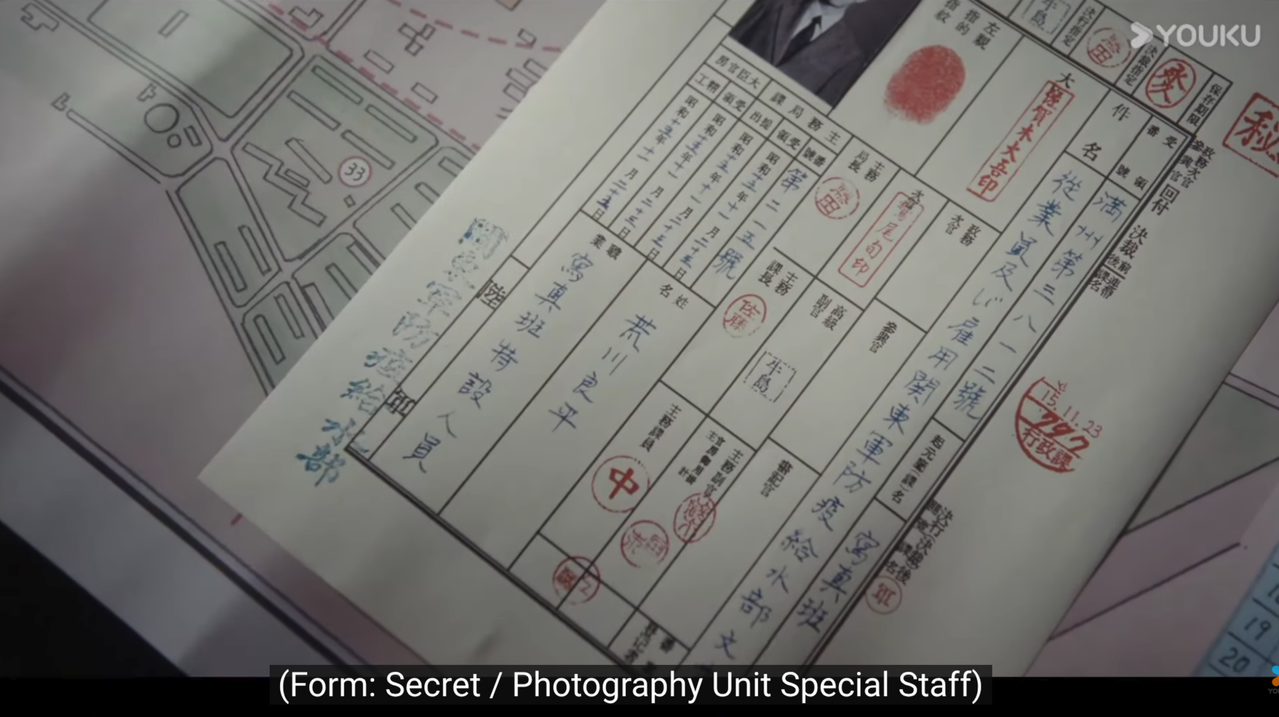
Filming also vary angles and depth, such as the view of Harbin from bird's eye, with the truck carrying the new recruits following the tracks of trams in the iced over avenue, followed by the glimpse of the onion shaped roof of the Saint Sophia cathedral through a small rectangular opening in the canvas (evoking the shape of a photograph) that hides the batch of newcomers in the truck. The photograph and photographer motif also is recurrent: on the train, Kojima is photographing a group of Japanese women; Arakawa is finally inducted into the Photography Unit Special Staff.
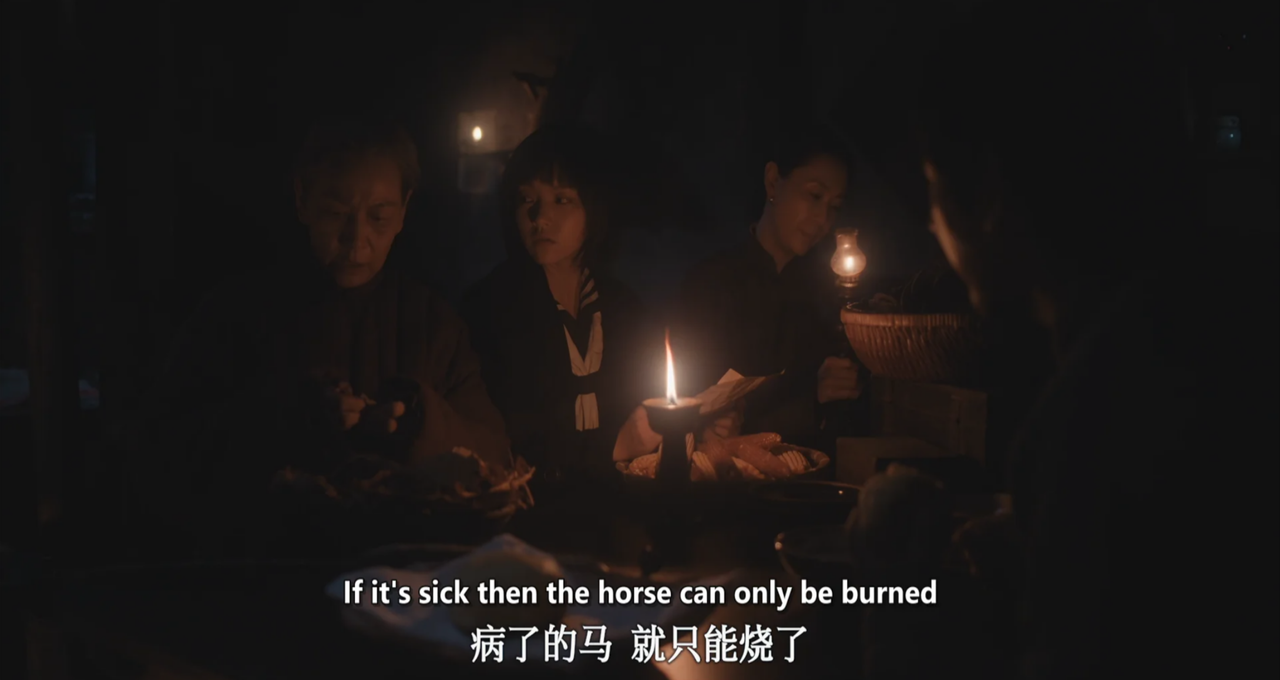
The cinematography shows mastery of light and darkness, such as in episode 1 when Tóng Chǎngfù's family huddle inside the house dimly lit with candles and an oil lamp, and the grandmother warns that a sick horse cannot be eaten. The night scene in the Russian cemetary where Tóng Chǎngfù reburied the horse he had recognized in the shallow grave dug by the soldiers in the forest is also very well filmed, giving the impression of a dark night with ghostly figures in the darker shade, and a mystery deepening.
Views of a same event, such as Tóng Chǎngfù being almost shot in 1940, may be reused in the drama to show different perspectives from different protagonists in the episodes.
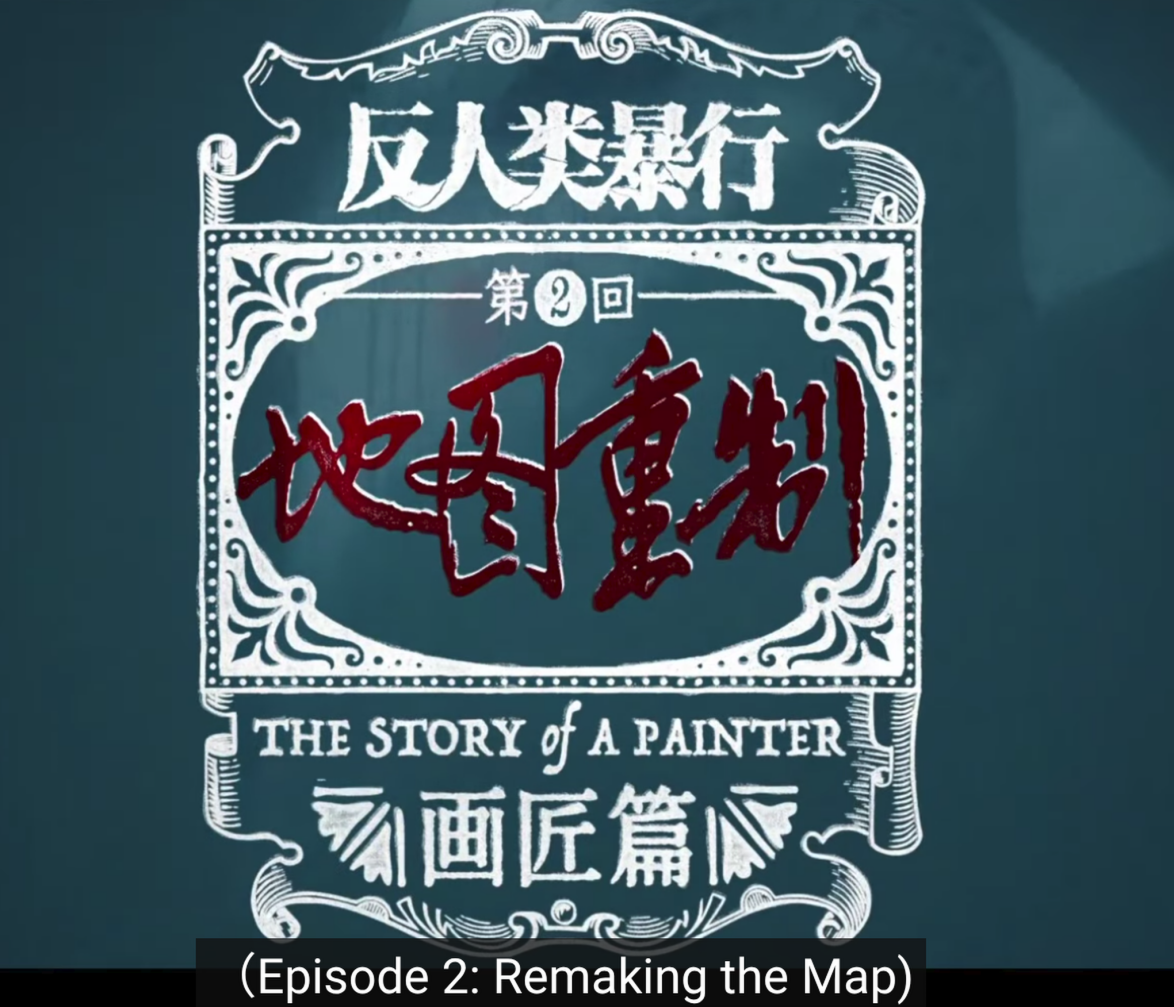
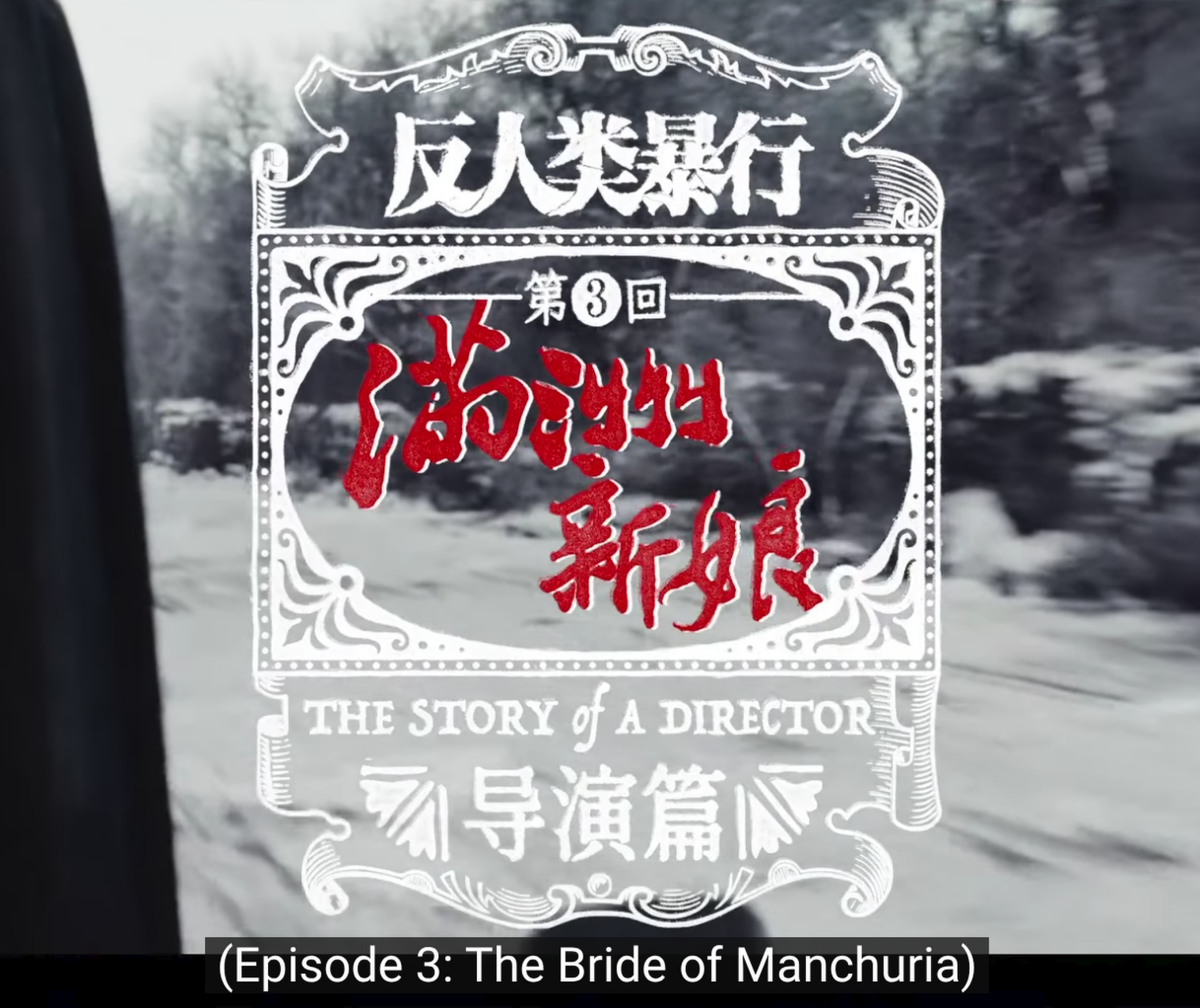
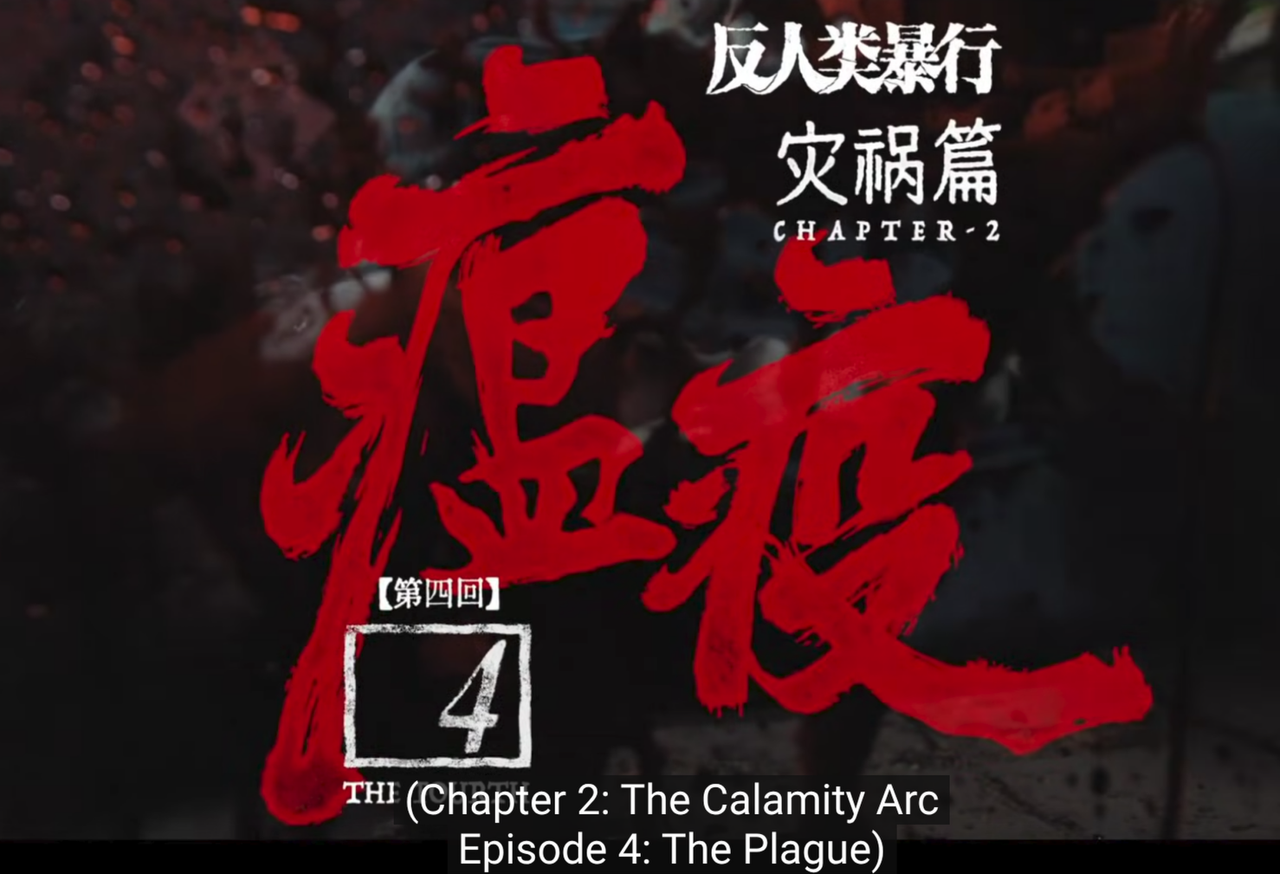
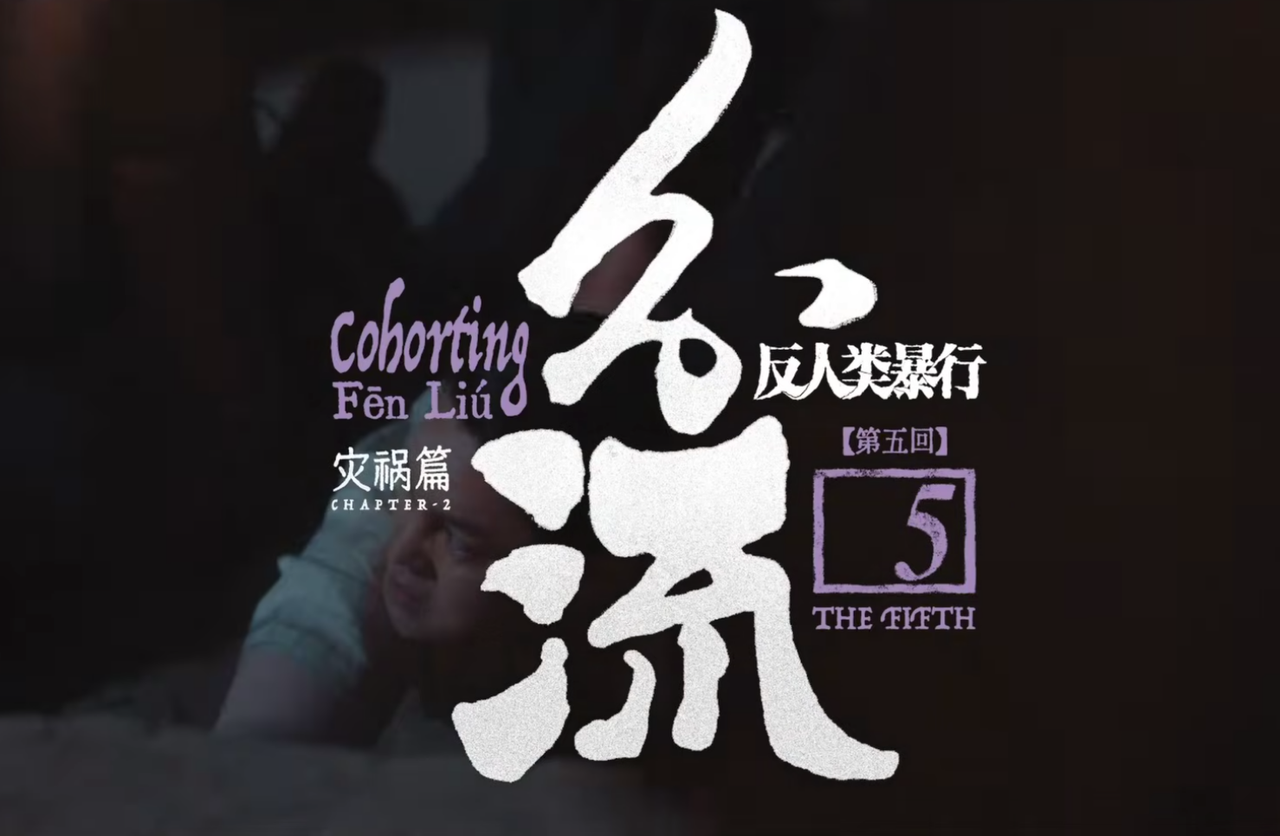
The three first episodes, introduced by old-fashioned mute movie like title panels, are almost movie length, around one hour, but everything feels like it is being compacted, not drawn out with fillers. The following change to more modern episode title panels in movie fashion, the design of which reminds of those used in Escape From The Trilateral Zones.
Sources: Episodes from the drama, "freebooter_captain" Discussion on Reddit r/CDrama. to be continued |






edited
10. RECEPTION |
"The new Chinese war drama Atrocities Against Humanity has suddenly become a hit these past two days. After only three episodes, its popularity soared to over 8000. It's hard to miss the fact that discussion forums on Douban and Weibo are filled with comments expressing their feelings: "This time it really hurts, it's so depressing!" ...No one expected Atrocities Against Humanity to be such a dark horse, even more powerful than anticipated. Each episode delves deeper into long-suppressed truths, then recreates them with the most realistic details: the eerie high walls of the "Epidemic Prevention and Water Supply Department," the chimneys billowing black smoke, and the eerily empty corridors that send chills down your spine. The four-sided building is crammed with various specimens-plague-infected rats, fleas, horse carcasses buried in grass-countless small details meticulously replicated from historical records. This isn't about deliberately sensationalizing the scenes; it's about letting you be overwhelmed by the raw truth of history. Having nightmares after watching it is no exaggeration. The cast conveys the dismay, fear and heartache vividly, with trembling. The narrative pace is remarkably restrained, avoiding mainstream sentimentality and instead using indirect methods to uncover the heinous crimes the invaders concealed behind lies. Stories like Tóng Chǎngfù (played by Jiāng Qílín) unearthing a horse carcass, the crowd contracting plague after eating the horse, and Chén Rǔpíng / Arakawa Ryohei (played by Zhāng Yǔ ) being forced to record every step of the frostbite victims' ordeal... It isn't the kind of war drama that fabricates heroic legends; instead, it uses a dry, calm, and even somewhat brutal narrative style to present undeniable history before your eyes. This puzzle is certainly far from complete, but it has already ignited the domestic drama market this year. The ending lacks a theme song; instead, it coldly plays a recording of the trial of Japanese war criminals, making it impossible not to feel deeply moved." |
(adapted from a Sohu article originally in Chinese)
edited

Details
- Title: Man's Inhumanity to Man
- Type: Drama
- Format: Standard Series
- Country: China
- Episodes: 20
- Aired: Dec 13, 2025 - Dec 31, 2025
- Aired On: Monday, Tuesday, Wednesday, Thursday, Friday, Saturday, Sunday
- Original Network: JSTV, Youku
- Duration: 45 min.
- Genres: Historical, War
- Content Rating: Not Yet Rated
Statistics
- Score: 8.3 (scored by 84 users)
- Ranked: #68299
- Popularity: #13429
- Watchers: 703
- Favorites: 0
Top Contributors


Popular Lists
Related lists from users
Historical C-Drama Chronology sorted by Historical Periods
2766 titles 363 loves 71



Chinse Drama
951 titles 3 loves
Best Rated Chinese Language Dramas (Regular Update)
231 titles 69 loves 12
Recently Watched By