

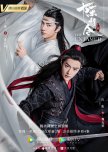

Similarities
* ? Deep central relationship
* Both stories revolve around the bond between the two leads. Their relationship is the emotional core that keeps viewers invested.
* ? Performance-driven
* In both dramas, much of the emotional impact comes from the actors’ ability to communicate feelings through expressions, silence, and subtle interactions.
* ?? Emotional intensity
* Neither story relies only on romance. The relationships are tested by conflict, misunderstandings, and emotional sacrifices.
* ? Character growth
* The leads evolve significantly over the course of the story, and their relationship changes with them.
* ? Adapted from popular source material
* Both are adaptations of well-known novels, so fans often compare how faithfully the screen version captures the spirit of the original.
* ? High emotional investment
* Many viewers finish both series feeling deeply attached to the characters and wanting more time with them.
* ? Deep central relationship
* Both stories revolve around the bond between the two leads. Their relationship is the emotional core that keeps viewers invested.
* ? Performance-driven
* In both dramas, much of the emotional impact comes from the actors’ ability to communicate feelings through expressions, silence, and subtle interactions.
* ?? Emotional intensity
* Neither story relies only on romance. The relationships are tested by conflict, misunderstandings, and emotional sacrifices.
* ? Character growth
* The leads evolve significantly over the course of the story, and their relationship changes with them.
* ? Adapted from popular source material
* Both are adaptations of well-known novels, so fans often compare how faithfully the screen version captures the spirit of the original.
* ? High emotional investment
* Many viewers finish both series feeling deeply attached to the characters and wanting more time with them.

? 1. School setting at the beginning
Both stories begin with the leads meeting while they’re students, allowing viewers to watch their relationship develop from adolescence before it becomes more mature.
?? 2. A relationship that grows over time
Neither drama is just about falling in love overnight. The emotional bond develops through shared experiences, conflict, and changing circumstances.
??? 3. A possessive, dominant lead
One of the defining features in both is a lead who has a strong, controlling, and protective personality. That intensity is a major part of the appeal for many fans.
? 4. Morally complicated relationship dynamics
Both dramas feature characters who make questionable decisions and aren’t portrayed as perfect romantic ideals. Instead, they’re written to create emotional tension and drama.
? 5. Chemistry between the leads
A large part of the success of both dramas comes from the actors making the relationship feel believable and emotionally engaging.
? 6. Emotional conflict
The romance isn’t smooth. Misunderstandings, jealousy, emotional struggles, and difficult choices all shape the relationship.
? 7. Growing from youth into adulthood
One thing fans often appreciate is seeing how the characters and their relationship evolve over time rather than staying in a single stage of life.
Both stories begin with the leads meeting while they’re students, allowing viewers to watch their relationship develop from adolescence before it becomes more mature.
?? 2. A relationship that grows over time
Neither drama is just about falling in love overnight. The emotional bond develops through shared experiences, conflict, and changing circumstances.
??? 3. A possessive, dominant lead
One of the defining features in both is a lead who has a strong, controlling, and protective personality. That intensity is a major part of the appeal for many fans.
? 4. Morally complicated relationship dynamics
Both dramas feature characters who make questionable decisions and aren’t portrayed as perfect romantic ideals. Instead, they’re written to create emotional tension and drama.
? 5. Chemistry between the leads
A large part of the success of both dramas comes from the actors making the relationship feel believable and emotionally engaging.
? 6. Emotional conflict
The romance isn’t smooth. Misunderstandings, jealousy, emotional struggles, and difficult choices all shape the relationship.
? 7. Growing from youth into adulthood
One thing fans often appreciate is seeing how the characters and their relationship evolve over time rather than staying in a single stage of life.

Here are the biggest similarities:
?? 1. Intense romantic chemistry
Both dramas put a lot of emphasis on the chemistry between the leads. The attraction feels immediate and is a major driving force of the story.
??? 2. Confident, dominant male lead
Both feature a lead with a strong, self-assured presence who tends to take charge of situations. That commanding energy is clearly something you enjoy in fictional characters.
? 3. Emotional and physical tension
Rather than relying solely on dialogue, both use lingering looks, close interactions, and emotional push-and-pull to build romantic tension.
? 4. Charismatic performances
A lot of the appeal comes from the actors’ screen presence. When the performances are convincing, the relationship becomes much more engaging.
? 5. Romance at the center
Unlike action-heavy BLs, both keep the central relationship as the emotional core of the series.
?? 1. Intense romantic chemistry
Both dramas put a lot of emphasis on the chemistry between the leads. The attraction feels immediate and is a major driving force of the story.
??? 2. Confident, dominant male lead
Both feature a lead with a strong, self-assured presence who tends to take charge of situations. That commanding energy is clearly something you enjoy in fictional characters.
? 3. Emotional and physical tension
Rather than relying solely on dialogue, both use lingering looks, close interactions, and emotional push-and-pull to build romantic tension.
? 4. Charismatic performances
A lot of the appeal comes from the actors’ screen presence. When the performances are convincing, the relationship becomes much more engaging.
? 5. Romance at the center
Unlike action-heavy BLs, both keep the central relationship as the emotional core of the series.
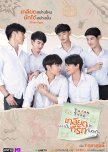
1. ? Intense, flawed relationships
Neither drama is built around a “perfect green flag” romance. Both explore relationships that are messy, emotionally charged, and full of conflict before the characters grow closer.
2. ? Strong chemistry
In both series, a huge part of the appeal is the chemistry between the leads. The emotional tension and attraction carry many of the scenes.
3. ??? Dominant personalities
One of the leads has a confident, assertive presence that shapes the relationship dynamic. That’s something you’ve said you particularly enjoyed about Lu Feng.
4. ?? Emotional push-and-pull
Both dramas rely on conflict, misunderstandings, vulnerability, and reconciliation rather than having a smooth romance from beginning to end.
5. ? Performance-driven storytelling
Both series ask their actors to portray intense emotions, and much of the impact comes from how convincingly they sell those moments.
6. ? Mature themes
Neither is simply a light, fluffy campus romance. They both explore heavier emotions and more complicated relationship dynamics.
Neither drama is built around a “perfect green flag” romance. Both explore relationships that are messy, emotionally charged, and full of conflict before the characters grow closer.
2. ? Strong chemistry
In both series, a huge part of the appeal is the chemistry between the leads. The emotional tension and attraction carry many of the scenes.
3. ??? Dominant personalities
One of the leads has a confident, assertive presence that shapes the relationship dynamic. That’s something you’ve said you particularly enjoyed about Lu Feng.
4. ?? Emotional push-and-pull
Both dramas rely on conflict, misunderstandings, vulnerability, and reconciliation rather than having a smooth romance from beginning to end.
5. ? Performance-driven storytelling
Both series ask their actors to portray intense emotions, and much of the impact comes from how convincingly they sell those moments.
6. ? Mature themes
Neither is simply a light, fluffy campus romance. They both explore heavier emotions and more complicated relationship dynamics.

? Morally gray, “red flag” male leads.
* Vegas, Kinn, and Lu Feng all have commanding personalities and make choices that aren’t always admirable.
* ? High emotional and romantic tension.
* Both stories lean into lingering eye contact, power struggles, and emotionally charged interactions rather than relying only on dialogue.
* ? Performance-driven.
* In both dramas, much of the impact comes from the actors selling the emotions and chemistry.
* ?? Intense chemistry between the leads.
* The central relationships are written to feel emotionally consuming, which is a big reason fans become invested.
* ?? Power dynamics.
* Both explore relationships where one or both characters hold significant emotional or social power, creating conflict and tension.
* ? Darker tone than a typical fluffy romance.
* Neither is afraid of difficult emotions, jealousy, conflict, or flawed characters.
* ? Character development over simple romance.
* The relationships evolve through conflict, misunderstandings, and personal growth rather than instant happily-ever-afters.
* Vegas, Kinn, and Lu Feng all have commanding personalities and make choices that aren’t always admirable.
* ? High emotional and romantic tension.
* Both stories lean into lingering eye contact, power struggles, and emotionally charged interactions rather than relying only on dialogue.
* ? Performance-driven.
* In both dramas, much of the impact comes from the actors selling the emotions and chemistry.
* ?? Intense chemistry between the leads.
* The central relationships are written to feel emotionally consuming, which is a big reason fans become invested.
* ?? Power dynamics.
* Both explore relationships where one or both characters hold significant emotional or social power, creating conflict and tension.
* ? Darker tone than a typical fluffy romance.
* Neither is afraid of difficult emotions, jealousy, conflict, or flawed characters.
* ? Character development over simple romance.
* The relationships evolve through conflict, misunderstandings, and personal growth rather than instant happily-ever-afters.

?? Intense chemistry between the leads. Both lean heavily on emotional tension, lingering looks, and a relationship that develops under pressure rather than through light romance.
* ? Psychological push-and-pull. The characters don’t immediately trust each other. There’s suspicion, hidden motives, and emotional walls to break down.
* ?? Power imbalance. In both, one or both leads hold some form of power—whether social, emotional, or strategic—which creates a constant tug-of-war.
* ? Serious tone. Neither is a fluffy campus romance. They focus more on conflict, trauma, secrets, and character development.
* ? Morally gray characters. The leads make questionable decisions, and the stories don’t present either side as purely good or evil.
* ? Slow-burn romance. Affection builds gradually through conflict and shared experiences rather than instant attraction.
* ? Psychological push-and-pull. The characters don’t immediately trust each other. There’s suspicion, hidden motives, and emotional walls to break down.
* ?? Power imbalance. In both, one or both leads hold some form of power—whether social, emotional, or strategic—which creates a constant tug-of-war.
* ? Serious tone. Neither is a fluffy campus romance. They focus more on conflict, trauma, secrets, and character development.
* ? Morally gray characters. The leads make questionable decisions, and the stories don’t present either side as purely good or evil.
* ? Slow-burn romance. Affection builds gradually through conflict and shared experiences rather than instant attraction.


