
 K-Drama




This review may contain spoilers
Cinderella at 2AM proved that even 10 episodes can feel long when nothing happens.
I write really long reviews but here's a summary. Keep in mind this is just my opinion and I don't mean to offend anyone ❤️This one's a bit long- so if you like slightly detailed reviews, you're gonna (hopefully) love this.
❗SPOILERS AHEAD❗
The Good
Moon Sang Min as Joo Won
Let’s be real—Moon Sang Min carried this drama. His character was the only reason I powered through. Joo Won was so my type, and I don’t care what anyone says!! He was adorable, loyal, and had me seriously questioning my own standards. The casting? Chef’s kiss. He fit the role perfectly.
Si Won & Mi Jin’s Side Romance
Si Won and Mi Jin’s relationship was the real saving grace of this show. Their romance was way more entertaining than the main couple’s, and they stole the spotlight every single time they were on screen. Si Won was hilarious, Mi Jin had charm, and together they made every scene better. Usually, side character arcs bore me or feel like filler, but not this time—I was all in.
The Bad
Boring Story & Endless Loops
This drama was painfully slow and uneventful. Like… how does a show with fewer episodes than usual still feel like a marathon? From episode 3 to the very end, it was the same tired loop: Joo Won chasing, her pushing him away—and not in a flirty, will-they-won’t-they way. Just… pushing.
Her Unbalanced “Love”
Their love felt more like 20/80 than 50/50. Joo Won was out here treating her like his entire world, while she was giving the emotional equivalent of dry toast. I get that she was the one who ended things, but come on—where was the longing? The late-night breakdowns? The “almost called you but didn’t” scenes?
Sure, she mentions her feelings later, but by then it felt like a random info drop. There was no emotional buildup, so it didn’t land. And don’t get me started on the wedding. She put zero effort into planning and genuinely thought work achievements were more important than showing up for their future together. Like girl, be serious. He was rightfully upset, and I felt zero sympathy for her.
Underwhelming Acting Choices
No shade—it’s not easy being an actor—but I needed more range from Yoon Seo. Every time she was annoyed or uncomfortable, it was the same expression. If you’ve seen it, you know exactly which one I’m talking about. It got repetitive fast.
No Antagonist & Wasted Trauma
The show dragged because there was no real antagonist or tension. Joo Won’s mom? A minor inconvenience at best. No external pressure, no urgency—just vibes.
And the abuse storyline? Wasted. It could’ve added depth, but instead it felt like a sympathy card that went nowhere. Her trauma was barely explored. Her parents die off-screen, and the whole thing is forgotten. If they’d actually shown how that trauma affected her current relationship—maybe fears of repeating past patterns—it would’ve brought some much-needed emotional complexity.
Everyone Felt Like a Side Character
No one in this show had real development. It felt like everyone—even the leads—were just floating through. No character arcs, no personal growth. While Si Won & Mi Jin came close, the rest were flat and forgettable. It made the show feel hollow.
The “Block” Button?
This one's short: why didn’t she just block the number? Before she knew it was the artist, she had no reason to keep responding. Watching her get mad at texts she could’ve stopped instantly? Infuriating. Girl, just hit “block” and move on.
Final Thoughts
Cinderella at 2AM somehow made 10 episodes feel like 20. I didn’t go in with high expectations, and it still managed to underwhelm. By the end, I was half-watching—just trying to get through it.
Joo Won was perfection, and Si Won and Mi Jin brought some much-needed life, but it wasn’t enough to save a flat plot and one-sided romance. The pacing dragged, there were no real stakes, and the “other lover” subplot was as weak as the rushed wedding.
Honestly, the only reason I’d revisit this show is to remind myself what true loyalty looks like—because Joo Won really set the bar. So for that… I guess I owe it a tiny thanks. Just a little.
Was this review helpful to you?

This review may contain spoilers
When Fanfic Tropes Go Rogue: A Love Story That Should’ve Stayed in Thailand
A bad-boy racer, a soft girl who won’t take a hint, Thailand sunsets, and a wardrobe that ate every time—this drama had all the ingredients to be the perfect Wattpad-core romance. And for a while, it really was. But somewhere between “we’re basically siblings but not really” and “I know what’s best for you so I’ll ruin your life,” the story swerved straight into drama-ruining territory.This review is 100% my opinion — I’m not here to hate, just to share my thoughts! Also, SPOILERS AHEAD, so proceed with caution if you haven’t watched yet. Watch it, come back and let’s see if you agree. Let’s keep the discussion respectful and fun! 💕
The Good
A Fanfic Done Right (At First)
There aren’t many dramas that take a typical fanfic setup and actually make it watchable, but this show managed to make it work—for a while. We had the rugged bad boy who fights and does illegal stuff and the innocent girl who dresses cute and refuses to take the hint and go away. Naturally (in Wattpad world) they fall in love, which is exactly what happened, but it was fun to watch. This drama knew how to turn a stereotypical romance into something entertaining. All the scenes in Thailand were such a vibe, and had they changed the ending, this would’ve been one of my favourites.
Jiang Mu's Wardrobe Did NOT Come to Play
Anybody else love Jiang Mu's wardrobe? Her outfits were always eating, and so was her hair. I know a lot of people had mixed feelings about Jiang Mu and dragged her wardrobe into the conversation, but I loved her looks. They added something pleasant to every scene she was in, and honestly, I was more than happy to keep watching her serve while the plot was busy making questionable decisions.
Thailand Was Such a Vibe
Like I mentioned above, this drama soared while the characters were in Thailand. The side characters were a delight, and the whole driving storyline was pretty entertaining, too. Sure, there were moments when I wondered where the plot was going and whether we'd ever actually get there, but overall, I enjoyed this part of the drama. The setting, the characters, and the romance had a certain charm that made it easy to get invested. It's a shame the drama couldn't maintain that energy all the way through.
The Bad
Siblings But Not Really Siblings...?
I don't know what it is about some Chinese drama writers and their obsession with relatives-but-not-really-relatives, but it's always such an awkward addition that you eventually have to decide to be okay with it. Technically, Jiang Mu and Jin Zhao weren't blood-related, and they were step-siblings for a time. Their parents broke up, and the drama made absolutely sure we understood that they were borderline not siblings. And yet, it was still weird! Jin Zhao spent so much of the beginning seeing her as his younger sister that his sudden realisation that he couldn't hold back his feelings anymore felt a little flat. Don't get me wrong, when they finally got together and were at her dad's house, I was absolutely eating it up. But why is this trope used so often? It feels like such a strange excuse to force proximity between the leads. It wasn't a dealbreaker because I still enjoyed so much of the drama, but it did have me laughing (awkwardly, but I digress).
The "I Know What's Best for You" Trope Is Tired and Never Worked Here
Now we get to the issue that brought my rating DOWN. Jin Zhao gets seriously injured, ghosts Jiang Mu, lets her friends and even her own father lie to her about him and their dog, and somehow manages to speak to everyone except the girl he supposedly loves. Then, after he's mostly recovered, he proceeds to steal her dreams! He buys their childhood home, opens a café in the exact place she wanted to, takes their dog, lets her believe it ran away, and never once goes looking for her. The only reason they reunite is because Jiang Mu moves back to their hometown and happens to bump into him. Meanwhile, he's off building a successful new life while she's still obsessed with him, talking about him constantly, and looking for him in every person she meets. Apparently, his idea of doing what's best for her was to make every decision for her without actually considering what she wanted. In my opinion, that wasn't selfless love. It was selfishness dressed up as sacrifice, and she got the short end of the stick.
I can only imagine how I'd feel if I discovered that the love of my life decided I shouldn't be part of the hardest moment of his life, had my friends and even my own father lie to me, took my dreams for himself without ever inviting me to be part of them, and built a successful life while I spent my days missing him. The moment I found all that out, our relationship would've been OVER (Just like everyone tried to force down our throats that they were basically “strangers” and not siblings, we certainly would’ve been strangers then). That was an unbelievably cruel thing to do, and the drama expected me to accept it as proof of how much he loved her? Please. Then, when he thought she was getting married, he barely seemed bothered and even showed up to support her. Which might sound like the mature thing to do, but after everything he'd put her through, I wanted to see that man REELING. I wanted regret, jealousy, desperation, SOMETHING!
And the biggest question is: WHEN was he planning to go looking for her? He was off living an entirely new life, and the drama gave us no real indication that he was even trying to find her. It would've been a little different if he'd asked about her or secretly checked on her from a distance, showing us that he was still struggling with his feelings. But nope. Nothing. He just carried on, and somehow we're supposed to believe this is one of those great romantic sacrifices. I'm sorry, but I wasn't buying it.
The Whole World Must've Been Resting on His Shoulders
As much as I enjoyed the Thailand arc, it wasn't without its problems. I genuinely don't understand why Jin Zhao acted as though the entire world rested on his shoulders. What exactly was his plan? When Jiang Mu saw him with that girl, I couldn't even fully understand why he'd handled things the way he did. He seemed determined to deal with everything alone, and for what? This was a man who willingly participated in illegal street racing, so what made him so much better or more capable than everyone else involved? The drama wanted us to see him as someone who had to shoulder every burden alone, but it never did enough to convince me that he actually had to.
The Villain Arc We Never Saw Wrapped Up Properly
Then came my next issue. This isn’t the first time I’ve watched such a loud villain get such a quiet exit. After Jin Zhao spends the entire first half acting like if he couldn’t stop them, no one could, he wakes up to find out it’s all been handled. He gets into that horrible accident only for it to be mostly irrelevant in taking down the villain.
After the villain’s lackey has a change of heart, that’s it. It was such a pathetic way to silence such an “untouchable” character. A change of heart? Give me a break.
An Ending So Boring I Had to Drop It for My Sanity
The final four episodes, where Jiang Mu and Jin Zhao get back together, became a pure endurance test, and I failed. I know this review reads as though I finished the drama, but I got the gist of where things were going. The ending became so boring that I couldn't figure out what we were even doing anymore. I've said this on my blog plenty of times, but I genuinely don't understand why dramas keep dragging things out after the villain has been caught and the main conflict has been resolved. Why were we still going? What was left to accomplish? I couldn't do it anymore. And honestly, Jin Zhao’s decision to ghost Jiang Mu and watching her get over it without him having to work for it pissed me off so much that nothing was saving it. I really wish she officially moved on and he had to win her back. Instead, she fell first and harder while he did very little to reciprocate.
I sometimes see people put Jin Zhao in the same category as amazing male leads like Sang Yan, and I immediately get a kink in my neck. He was nowhere near Sang Yan's level, and I wouldn't even rank him among the genuinely good male leads. Their relationship felt like a 90/10 split, with Jiang Mu doing most of the emotional heavy lifting, and that imbalance made this drama incredibly difficult to finish. Chemistry and pretty faces can only carry a relationship so far, and Jin Zhao had already used up most of my patience.
Final Thoughts
All in all, this drama gave me a few things to love and plenty of reasons to grab my neck in pain. It started off strong, despite a few questionable choices, but things just kept going downhill. When Jin Zhao started acting as though he was the only person capable of exposing the villain, I probably should've realised this drama was headed straight for the floor. The romance had potential, the Thailand arc was a vibe, and Jiang Mu's wardrobe deserved its own award, but none of that could make up for the increasingly frustrating writing.
If you decide to watch this drama (which, hopefully, you've already done because I've spoiled a LOT 🤭), take it from me: watch until Jin Zhao "dies" and make up your own ending. Preferably, one where he has to beg Jiang Mu to take him back, actually fights for their relationship, and proves that he deserves her. Because if they’re going to give us a man who makes all the wrong decisions in the name of love, the LEAST they can do is make him work for his happy ending. But that's just me.
~~~
If you enjoyed this review and want to read some K-drama reviews, check out my blog, where it's just as intense and honest! ❤️
Was this review helpful to you?

This review may contain spoilers
A Psychological Tragedy About Survival, Control, and Obsession
A deep dive into Dear X, where loyalty, usefulness, and ambition collide in a story that feels less like a twist and more like a tragic inevitability.Disclaimer: This review is 100% my opinion — I’m not here to hate, just to share my thoughts! Also, SPOILERS AHEAD, so proceed with caution if you haven’t watched yet. Watch it, come back and let’s see if you agree. Let’s keep the discussion respectful and fun! 💕
**Quick heads-up: I want to make it clear that I’m not a psychologist and I’m not trying to force a diagnosis onto these characters. Everything I’ve written comes from my own interpretation through research, and I could very well be wrong. My goal isn’t to excuse their actions, but to explore the psychological roots behind them in a way that makes their stories easier to understand.**
~~
Baek Ah Jin: Why “Selfishness” Was Survival
Baek Ah Jin is one of those characters who looks cruel on the surface but starts to make sense once you look at the world she grew up in. From the start, her life taught her that love was dangerous and trust was a trap. An alcoholic mother who beat her, a father who killed that mother in front of her eyes, and a stepmother who plotted to exploit her—none of the adults in her life ever offered safety. When you grow up in a house where affection is always conditional and betrayal is inevitable, you don’t learn how to be vulnerable. You learn how to survive.
When she later manipulated Jun Seo as a child, it wasn’t because she enjoyed hurting him. It was because she understood that being needed, believed, and protected was the only way she wouldn’t be discarded. Ah Jin didn’t see manipulation as immoral. She saw it as necessary. She grew up viewing people less as emotional connections and more as variables: who is safe, who is useful, who is a threat. She avoided attachment not because she felt nothing, but because feeling something always ended badly.
Ah Jin wasn’t driven by ambition or malice as much as she was by a deep belief that closeness led to harm and that the only way to stay standing was to stay ahead.
Yun Jun Seo: Devotion Without a Self
Yun Jun Seo’s devotion felt extreme until you realise his entire sense of self was built around guilt and moral splitting. From childhood, he learned that love meant responsibility and that protection meant sacrifice. When Ah Jin entered his life, she didn’t just need help, she gave him clarity. By framing herself as the only one who cared and his mother as the threat, she offered a simple moral map to a child who desperately needed one. Watching his mother try to drown her didn’t just traumatise him, it locked that map in place.
That’s why her manipulation worked so well: his childhood had already primed him to believe that his mother was “bad” and Ah Jin was “good,” and once that split took hold, it never left. What complicated Jun Seo was that even as he grew older and became aware of Ah Jin’s manipulation, that moral framework never fully dissolved. He could recognise her actions as wrong without being able to reclassify her as bad because doing so would collapse the meaning of his entire childhood. So he separated the two: Ah Jin does terrible things, but Ah Jin herself is still good and needs protection. That was why her manipulation continued to work into adulthood. It didn’t rely on deception anymore, it relied on identity.
Jun Seo fused himself to Ah Jin so completely that without her, he had no sense of self. That’s why he carried guilt for not protecting her, why he wrote a book about her life, and why he kept orbiting her even when she didn’t need him anymore. His obsession wasn’t something he wanted or enjoyed, it was something he felt trapped inside. By the time Jun Seo reached adulthood, his life was no longer about wanting Ah Jin in a romantic sense, but about not knowing who he was without her. That’s why leaving was never an option, and why exposing her became the final, desperate attempt to resolve an impossible conflict. If he couldn’t save her and he couldn’t detach from her, then ending everything became the only way to remain consistent with the person he believed himself to be. His loyalty was suffocating, but it was also the only thing keeping him alive. Betraying Ah Jin was the last thing he ever allowed himself to do, and only because he didn’t plan to survive it.
Jun Seo wasn’t tragic because he loved too much. He was tragic because he was taught too young that loyalty was the only way to survive.
Kim Jae Oh: A Life Defined by Usefulness
Jae Oh’s loyalty may look noble but it’s really the product of emptiness. Growing up under an abusive father who seemed lost in delusion, he never learned to see himself as valuable. He wasn’t protected, praised, or guided, only tolerated. In that kind of environment, you don’t grow up wondering who you are, you grow up wondering what use you serve. So when Ah Jin told him he had “use,” he mistook that for validation. It didn’t matter that she meant it in the coldest, most transactional way, he heard it as proof that he mattered. He wasn’t looking for love or belonging, he was looking for permission to exist. That single moment rewired his sense of identity, and from then on, his life revolved around being useful to her.
What made Jae Oh different from Jun Seo was that his loyalty didn’t come from guilt or moral duty, but from validation. He never needed Ah Jin to be good. He only needed her to need him. That’s why her manipulation worked so easily and why it never truly stopped. He didn’t need promises or affection, he needed to believe he had a role. When Ah Jin begged for help, sacrificing himself felt like the ultimate fulfillment of his identity. Dying for her wasn’t tragic in his mind, it was the perfect ending. It was proof that his existence had meaning. His loyalty wasn’t driven by cruelty or romance, but by a lifetime of emptiness that convinced him that being used was the closest thing to being loved.
Unlike Jun Seo, who collapsed under the weight of obsession, Jae Oh’s ending was almost serene. Jae Oh died because he wanted to. Jun Seo died because he could no longer endure living. Jae Oh erased himself completely, leaving nothing behind but the certainty that he had been useful.
Jae Oh wasn’t tragic because he gave his life away. He was tragic because no one ever taught him that his life was his to keep.
The Triangle of Survival
What binds Ah Jin, Jun Seo, and Jae Oh together is not circumstance, but compatibility at the level of survival psychology. Each of them learned how to exist in a hostile world in a different way. Ah Jin survived by using people, Jun Seo survived by enduring people, and Jae Oh survived by erasing himself for people.
Understanding them doesn’t mean defending their choices. It means recognising that their actions didn’t appear out of nowhere. For Ah Jin, the world was cruel, weakness was unforgivable, and survival meant control. She didn’t experience events as choices she made, but as inevitabilities forced on her. Jun Seo, bonded to her through shared terror and loyalty. His identity fused around staying, protecting, and remaining faithful, because loyalty felt like morality to him. Jae Oh, bonded through usefulness, erasing himself in service. He believed, “If I’m useful, I deserve to exist.” Both looked to Ah Jin not for love, but for meaning — Jun Seo needed her to mean something, and Jae Oh needed her to assign meaning.
Trauma doesn’t justify harm, but it does explain why certain choices feel inevitable to the people making them. Ah Jin’s detachment, Jun Seo’s obsession, and Jae Oh’s self-erasure weren’t random dramatics; they’re the inevitable outcomes of lives built on abuse, abandonment, and the desperate need to matter. Their triangle doesn’t exist because Ah Jin is evil or because Jun Seo and Jae Oh are weak, but because each of them learned a different answer to the same question: how do you survive a world that never taught you how to be safe?
~~
The full version of this is on my blog if you want to go more in-depth!
And if you want to know how their mindsets affected their actions (Like Ah Jin’s cruelty to In Gang) and led to Jun Seo and Jae Oh’s eventual death (I break down the months prior and the thought processes in the moment), check out my blog (in my bio)!
Was this review helpful to you?

This review may contain spoilers
Nothing says ‘romance’ like ignoring your whole survival plan because of a pretty comic book boy
A girl rewrites her destiny inside a comic book world where every heartbeat might be her last.Disclaimer: This review is 100% my opinion — I’m not here to hate, just to share my thoughts! Also, SPOILERS AHEAD, so proceed with caution if you haven’t watched yet. Watch it, come back and let’s see if you agree. Let’s keep the discussion respectful and fun! 💕
The Good
A One-of-a-Kind Concept
The idea of high schoolers being trapped in a comic book and forced to say whatever the writer scripts? Absolute brilliance. Dan Oh discovering she’s not even the lead, but an extra with a tragic storyline and pre-scheduled death? Deliciously heartbreaking.
Kept the Momentum Without Dragging
Some viewers felt the middle episodes dipped, but I didn’t. Every new twist: Haru’s memory loss, more characters waking up, the previous story, added layers without slowing the pace.
She Chose Peace (And the Right Man)
Dan Oh not ending up with Kyung outside the stage storyline? That was the real reward. His redemption arc might’ve added nuance, but it didn’t erase the disrespect he dished out earlier. Even with his self-awareness, Kyung still reeked of long-term toxicity. So thank you, Dan Oh, for choosing Haru. Soft boy supremacy lives on.
The Bad
So Many Questions, Zero Answers
This drama dropped a truckload of questions and then backed away like it hadn’t. Haru changed the story… how? Who’s the writer pulling the strings? Why does the shadow even exist? Shouldn’t the characters just vanish until their next scene? And what exactly is the portal? Why was Kyung’s brother self-aware for all of five minutes, adding absolutely nothing? Why was the Squid Fairy basically the Comic Universe Wiki? These weren’t small plotholes, they were gaping wormholes. Instead of telling us, we got Haru and Dan Oh doing sad couple laps around the shadow dimension while the script was begging for answers.
Girl, You Had a Mission And Then You Saw a Jawline
Dan Oh came in swinging: determined to survive, rewrite her destiny, and reclaim control. But as soon as Haru entered frame, survival took a backseat and her only mission was to hang out with him. She had tunnel vision for a guy who, frankly, kept glitching in and out of existence. She went from “I’m rewriting my destiny” to “If I die, I die — as long as we hold hands in the forest.” Girl what?
Haru: Pretty, Powerful, but a Whole Blank Page
One question still drives me nuts: Who was Haru really? Because if you look closely, he didn’t exist outside of Dan Oh. Every scene? He’s either staring at her, thinking about her, talking to her or taking her away from Kyung. That’s it. No backstory, no parents, no hobbies, not even a room to sleep in, apparently.
I know, he started as an unnamed extra, but once he became a “real” character with a name and a bit of plot impact, you’d think we’d get something. He literally bent the rules of the comic world but had zero depth outside of “I like Dan Oh.”
The Squid Fairy Knew Too Much… and Told Too Little
How did the dried seafood mascot know everything? He was suspiciously informed for an extra. He knew the previous comic, the current comic, all the rules, the risks, pretty much everything. And yet, we never found out how. He was an extra in the past story and an extra here. So how does he get all the spoilers?
That Past Comic Was Just… There
Let’s be real, the Trumpet Creeper storyline was more confusing than helpful. It gave us a hint about Squid Fairy’s backstory and vaguely justified Haru’s attachment to Dan Oh, but as for actual relevance? Not much. Kyung digging through it like he was about to crack the Da Vinci Code only to… not crack anything was pointless. History repeating itself didn’t even deliver tension because, spoiler, Dan Oh survives anyway. It felt like a setup with no satisfying payoff. Like the show whispered, “This is deep,” and then walked away without explaining anything.
The Writer Was the Real Villain (and Also Lowkey Lazy)
I needed the author to show up in the final scenes with some dramatic flourish, or at least a post-it note of explanation. Instead, we’re left guessing: were these changes driven by character chaos, or did the writer just decide to pivot mid-story? Duh, it was the latter. The whole idea that Haru was “disrupting” the story makes zero sense. You’re fictional. The writer is just hitting backspace and rewriting you. That’s it. He got deleted because he was an extra who outlived his purpose. That’s not defiance, that’s editing.
Justice for Do Hwa—The Real MVP
Joo Da choosing Nam Joo over Do Hwa will forever baffle me. The scene that did it for me was when everyone bullied her about her old shoes so Do Hwa got her new ones. Nam Joo? A doll. Sir, she needed dignity, not decor. Joo Da claiming Nam Joo needed her in the shadow was confusing since he wouldn’t remember it anyway. What exactly were they preserving? Once she became self-aware, Nam Joo offered vibes at best and bare-minimum effort at worst. The fact that she chose the chaotic cardboard lead over someone who actually supported her? It’s giving True Beauty all over again.
Final Thoughts
In the end, I can only sum this review up with one thing: “?”. This show had an excellent premise and a solid A+ for originality, but it felt like they didn’t really know what to do with all that originality once they had it. Fresh ideas like this need actual explanations, but instead they used a brilliant plot to stage what turned into a half-hearted high school romance.
There was so much potential in the world they created, and it feels like they skimmed the surface instead of diving in. If you’re going to invent a layered, reality-bending setup, you need to stick the landing. Preferably with clear answers and characters who are more than just walking plot tools with romantic side quests.
In the end, the original concept carried the entire show… but it needed far fewer tears, way more answers, and maybe just a little less “I’d rather die than not date my shadow boyfriend.”
~~~
I always see this drama recommended, so what did you think? I was actually pleasantly surprised because I did think that by episode 16, I’d be bored out of my mind.
I cover more topics elsewhere so let me know if you want the full review (+What I Would Do!)
Was this review helpful to you?

This review may contain spoilers
A visually gorgeous drama that makes you work harder than a detective to figure out what's going on
Two storylines, zero correlation, and a cop who barely does her job—The Frog is a masterclass in how not to structure a thriller.Disclaimer: This review is 100% my opinion — I’m not here to hate, just to share my thoughts! Also, SPOILERS AHEAD, so proceed with caution if you haven’t watched yet. Watch it, come back and let’s see if you agree. Let’s keep the discussion respectful and fun! 💕
The Good
A Mystery Wrapped in a Postcard
I was about to say there was nothing good about this show until I remembered how visually stunning it was. Yeong Ha’s rental home was tucked away in one of the most breathtaking locations I’ve seen in a drama yet. If scenery could carry a plot, this show would’ve been a masterpiece.
The Bad
When the Comment Section Becomes a Study Guide
I originally gave this show a 1.5/10 until I dove into the comments and realized other viewers had become full-time detectives trying to make sense of it all. And while I appreciate the effort… that’s exactly the problem. If random internet strangers can explain the story better than the show itself, something’s off.
Two Timelines, Zero Connection
My biggest issue? The two stories had no meaningful correlation. Aside from the shared presence of the police officer, they may as well have been happening in alternate universes. These weren’t parallel stories; they were just two separate cases loosely glued together by theme. Yeong Ha could’ve sold his property at any time (which he eventually did), had a wealthy daughter, and wasn’t exactly struggling. Sang Jun, on the other hand, poured everything into his motel and lost it all.
And may I remind you, Yeong Ha got his happy ending. Everyone lived, he became a grandfather, and got to sell his home for (most-likely) a lot of money. Sang Jun lost everything. His wife killed herself, his son became a killer and almost killed himself too, and for a cherry on top, he lost his mind and is now trapped in a time that no longer exists. The contrast is so big, it’s almost laughable.
The Proverb Stretch
And that brings us to the frog proverb. “A frog dies from a stone thrown inadvertently.” Which is a poetic way of saying: careless actions can cause unexpected harm. Except in The Frog, no one’s careless. Hyang Cheol knew exactly what he was doing. He was malicious, intentional, and had no regrets. And Seong A? Her actions weren’t accidental—they were extremely personal. If anyone caused damage by accident, it was Yeong Ha, and even then, he was more passive than careless. His suffering came from deliberate inaction, not from being blindsided. A better fit would be “The frog pays for the hand that chooses to strike.” or something more fitting.
*I do realise that the proverb does kind of work with Sang Jun. He innocently gave the killer a room and then the whole thing played out.*
Plot Convenience Was Doing Overtime
Apparently, the police in this drama were just there for decoration until the final act. Seong A literally rammed Yeong Ha’s car in the middle of the day, in front of a police station and somehow, she’s back home in the next scene, like nothing happened. And Bo Min? Queen of being suspicious at all the wrong times. She’s always circling the cabin when nothing’s happening, yet nowhere to be found when a cop is killed, a man is beaten nearly to death, and a girl gets choked out. How are you suspicious about the cabin for five episodes straight but miss all the actual crimes?
Then there’s Gi Ho and his magical rifle. In case it needs saying: owning a gun, especially a rifle, in South Korea is near impossible, let alone sneaking one around, practicing with it, and staging a public hospital assassination without being caught. But somehow, he pulls it off. He misses his shot (sigh), dashes through the hospital like he’s in an action movie, shoots the killer point-blank, and escapes through a window… completely unseen. No security footage. No witnesses. Not even a blurry hospital hallway clip.
The Man Who Dug His Own Grave (Then Complained About It)
Yeong Ha was his own worst enemy. Let’s be real, Seong A murdered a child and he just… cleaned it up? He stayed quiet and endangered everyone, treating Seong A like a minor inconvenience instead of what she actually was—a literal murderer. He didn’t act scared of her or the police. He just… wanted the whole thing to go away.
And the worst part? He gets a happy ending. After actively endangering everyone around him, wiping away evidence of a brutal child murder, and indirectly getting a cop killed, he ends the show laughing over dinner like he didn’t throw gasoline on the entire plot. Incredible.
Final Thoughts
This entire drama tried to sell me a frog proverb and then fed me plot holes, weak connections, and a cast of characters who either did too much or nothing at all. At some point, it stopped being a thriller and started feeling like a cautionary tale about what happens when your protagonist does literally nothing for a year straight.
The biggest issue? There was no meaningful connection between the two plotlines. When Yeong Ha finally met Gi Ho, it should’ve been the moment everything clicked… but instead, it barely registered as significant. If they’d made them the same person or given Sang Jun a real reason to intervene, some kind of déjà vu storyline, it would’ve elevated the entire show.
It felt like the writers trusted us to just “get it” without doing the work to guide us there. I kept waiting. For it all to tie together. For the chaos to converge into clarity. Instead, I got beautifully shot confusion and a finale that said, “We good?” when all I had was more questions. So yes, it looked great. But no amount of cinematic sunsets can hide a plot that forgot to finish the puzzle. Sometimes a story needs to show you the frog instead of just telling you that it jumped.
~~~
What were your thoughts? Were you on team “We love a metaphor moment” or “what the heck is going on?”
This isn’t even everything loll! I even went into detail on what I would do instead if anyone’s interested 💕
Was this review helpful to you?

This review may contain spoilers
Strong aesthetics couldn’t distract from the demon who fell faster than you can say “contract"
A dark, supernatural romance, but delivered a baby-faced demon, predictable villain, and a full moon’s worth of missed potential.Disclaimer: This review is 100% my opinion — I’m not here to hate, just to share my thoughts! Also, SPOILERS AHEAD, so proceed with caution if you haven’t watched yet. Watch it, come back and let’s see if you agree. Let’s keep the discussion respectful and fun! 💕
The Good
Ga Young’s Character Development
I didn’t expect to like Ga Young as much as I did by the end. While I wouldn’t say she wasn’t annoying, she definitely gave second-lead energy in the worst way. But her character genuinely grew on me. She toned down the obsession, started thinking more rationally, and even formed a healthier relationship with Goo Won. A few people found her annoying throughout the show but when you think about it, her actions are valid. Her constantly reminding Do Hee that she was the problem? Valid. Her wanting Do Hee to die instead of Goo Won? Still valid. Goo Won saved her from an abusive father (more or less), and Do Hee, at least in Ga Young’s eyes, was the reason Goo Won was losing everything. She didn’t owe Do Hee anything, and her willingness to sacrifice Do Hee for Goo Won’s survival came from a place of loyalty. It wasn’t villainous. It was real.
Her “Reliance” on Goo Won
Some people complained that Do Hee became weak once she started relying on Goo Won. I disagree. She was still capable and grounded, just not superhuman. He was literally a demon with teleportation powers and the ability to launch grown men across rooms. And she? She was a regular human dealing with a deranged serial killer and an entire company of people trying to sabotage her. Why would she not depend on him? Hiding behind a guy who could literally bend reality isn’t a flaw, it’s called knowing your odds.
The Bad
The Villain Reveal Was… Exactly What We Expected
One of the biggest letdowns of this show was the villain reveal… or should I say, the lack of one. Most of us thought the villain was actually Seok Hoon but nope, the most evil-looking character really was just evil. That’s it. No subversion, no surprise.
It also would’ve been a great twist to see Seok Hoon as the villain, especially since that actor always plays the second lead who never gets the girl. Watching him step out of his usual role and into something darker could’ve been a refreshing change.
Goo Won Looked Way Too Cute to Be Scary
Let’s be honest, Song Kang is attractive. But not in the “hot, intimidating, soul-snatching, rip-your-heart-out” way. He’s attractive in the soft-boy, pretty-face, “are-you-wearing-tinted-lip-balm?” kind of way. Like, here he is about to drop a man off a rooftop, and all I could think was, “His face is so pretty.” Scene intensity? Gone. Mood? Ruined by the baby face.
The Historical Romance Tie-In Felt Tacked On
Maybe it’s just me, but that whole historical storyline felt random. Yes, the Wolsim and Yi Sun arc was tragic and well-shot, but it ultimately added nothing to the actual plot. If Goo Won had remembered her from the past and been drawn to Do Hee because of it, maybe it would’ve worked. I wanted to enjoy it more but without a meaningful connection to the present, it just became a beautifully tragic detour that didn’t go anywhere.
For a Demon, He Fell Hard and Fast
Let’s talk about the timeline. They fell in love in a month. Not exaggerating. One full moon to the next. The gas station fire? Marked their one-month anniversary.
This man had spent over 200 years making shady blood contracts and mocking humans, but suddenly he’s ready to give it all up for a woman he met four weeks ago? Please. That’s emotionally impulsive behavior with a supernatural backdrop.
This is where the historical flashback could’ve actually served a purpose. If he remembered Wolsim and that connection drew him to Do Hee, their quick relationship might’ve felt less ridiculous. The more you think about it, the flimsier the romance becomes. They’re ready to die for each other by week five. Be serious.
Side Characters Were the Worst
Rom-coms need to stop making their side characters aggressively unfunny. I mean it. Every time those assistants popped on screen, I had to fast-forward like my sanity depended on it. Their “romance” was the kind of forced comedic relief that should’ve been left on the cutting room floor.
Final Thoughts
To wrap this up: this drama was overhyped, to say the least. When everyone started obsessing over it and the leads were giving runway-model energy, I really thought I was in for something great. I wasn’t.
There were just too many cracks to ignore, and after a while, I got tired of pretending I couldn’t see them. Between the painfully obvious villain, the baby-faced “demon,” the plot holes, and that random historical twist no one asked for, enjoying this drama started to feel like a group project where only the OST showed up to work.
~~~
What did you think? I realised this may have been a bit harsh so I can’t stress enough how this is all fun. I meant no disrespect to any of the actors or people involved. Brutally honest is my thing so that’s what you get.
I didn’t include everything, so if you want the full version, lmk!!
Was this review helpful to you?

This review may contain spoilers
A beautifully shot, emotionally devastating journey… with a few frustrating loose ends.
I write really long reviews but here's a summary. Keep in mind this is just my opinion and I don't mean to offend anyone ❤️❗SPOILERS AHEAD❗
The Good:
The Storyline
They really committed to the realism with that ending — no magical recovery, no love-powered miracles, just death. And weirdly, I respect that. Hae Jo’s gradual shift from not caring about life to desperately clinging to it was handled with such subtlety, it wrecked me. Like, actually had me sobbing. You feel his transformation, which makes his death hit even harder.
The Ending
That final scene with his dad? Brutal and beautiful. Watching all versions of Hae Jo hug his father — child, teen, adult — felt like his soul was finally at peace. It was symbolic, emotional, and honestly? Perfect closure.
The Scenery
Every frame was wallpaper-worthy. The cinematography team did not come to play. Especially that final backdrop — if you’re gonna die, might as well do it with a killer view.
Woo Do Hwan
Woo. Do. Hwan. That’s it. That’s the review.
The (Possibly Real) Father Theory
Okay, I might be reaching, but the second dad totally felt like the real dad. The show never confirmed it, but the emotional parallels were suspicious. Both he and Hae Jo lashed out at people they cared about when feeling cornered — textbook self-sabotage. Their similarities ran deep, and honestly? That fish market bonding scene had too much heart for it to be fake. Maybe he didn’t mean to screw everything up — maybe he just didn’t know how to handle finally having something good. Sound familiar?
The Bad
Jae Mi Deserved Better
The trailer teased a love story, but Jae Mi ended up feeling like a narrative prop. While Hae Jo found peace (read: died) and Heung found freedom, Jae Mi just… existed. Her arc barely went anywhere. No closure, no growth, not even a final scene to show where she landed. The show really said, “Thanks for your service, now exit stage left.”
Character Development? Where?
For a man on the clock, Hae Jo didn’t grow much. He just kept abandoning Jae Mi, feeling bad about it, then doing it again like it was a hobby. Compare that to other dramas where terminal characters find emotional clarity — Hae Jo stayed in his mess. By the end, it felt less like a tragic hero and more like a guy stuck in a loop.
The Dad’s Mystery Vibes
Why did the dad never explain himself? He clearly kept mementos and cared on some level, but we never get a reason for why he ghosted his literal child. That flashback where he pretends not to know Hae Jo? Weird. And then… nothing. The emotional math wasn’t mathing.
The Final Goodbyes Fell Flat
His last moments with Bong Suk and Gi Ho were rough — and not in a cathartic way. Bong Suk, who was clearly a mother figure, got hit with a cold “you meant nothing to me” monologue before he dipped. Gi Ho, the ultimate ride-or-die, barely got a proper sendoff. These two loved him unconditionally, and he couldn't give them one final moment of sincerity? Painful.
Abrupt Ending, So Many Loose Ends
Yes, he’s Mr. Plankton — he drifts. But did the plot have to drift off with him? The second he dies, the show just… ends. No follow-up, no grief montage, no hint of what happens next. We don’t know what became of Jae Mi, the business, the gangsters, the dad — anything. Bold choice? Sure. Satisfying? Not even a little.
Final Thoughts
Mr. Plankton is a rollercoaster — heartbreaking, hilarious, and deeply human. It’s a raw, poetic story about life, death, and the messy, beautiful connections we stumble into along the way. Woo Do Hwan delivers an unforgettable performance, and the show’s refusal to sugarcoat reality? Bold and brutal in the best way.
That said, it’s not without bumps. Some characters were left undercooked, the ending felt rushed, and too many threads were left dangling. Still, its emotional honesty and gorgeous visuals leave a lasting impression. It’s not perfect, but it sticks with you. If you’re into bittersweet endings, painfully real characters, and male leads who are (almost unfairly) attractive — this might just be your next favorite. A strong 7/10, and with a bit more closure, it could’ve easily hit a 9.
Was this review helpful to you?

This review may contain spoilers
A drama that dipped its toe into self-acceptance and then cannonballed into teen romance chaos
A story about a girl who wanted to quietly survive high school, but got main character energy, two love interests, and one very public scandal instead.This review is 100% my opinion — I’m not here to hate, just to share my thoughts! Also, SPOILERS AHEAD, so proceed with caution if you haven’t watched yet. Watch it, come back and let’s see if you agree. Let’s keep the discussion respectful and fun! 💕
The Good
Cha Eun Woo… DUH.
Let’s be real, Cha Eun Woo was an absolute delight to watch. Was his acting perfect? No. But I mean I wasn’t watching for an Oscar-worthy performance after all. From start to finish, he was effortlessly handsome. (Truly a visual legend. 🤭🤭)
Team Seo Joon. No hesitation.
Apparently when True Beauty first dropped, the K-drama fandom split in half over the great debate: Soo Ho vs. Seo Joon. Regardless, it’s my turn to explain why I’m riding with Seo Joon. No hesitation. Here’s why:
Soo Ho was lowkey possessive
Somewhere along the way, Soo Ho’s vibe shifted. At first, it felt like “I like you and want to be with you,” but it slowly turned into “You’re mine because I saw you first and Seo Joon can’t have you.” That’s not love, that’s ego.
Seo Joon actually liked her
He constantly showed up for Ju Kyung, went out of his way to make her feel better, and genuinely wanted her to be happy. His affection didn’t feel forced—it felt real.
Soo Ho just stood there
Remember when Ju Kyung was afraid of being bullied because girls were mad about her dating Soo Ho? His response? Silence. His energy reminded me of Beck from Victorious—just standing around, not actively telling people to back off, assuming that not liking them was enough. (Spoiler: It wasn’t.)
The photo reveal incident
Okay, credit where it’s due, Soo Ho did try to comfort Ju Kyung when she got humiliated. But outside of that? He did nothing. Meanwhile, Seo Joon was on a mission. He texted her constantly, hunted down the culprits, confronted Soo Jin, and even got the video taken down. That’s a good man right there.
Her true identity? He fumbled it
The moment Soo Ho found out what Ju Kyung actually looked like, he immediately used it to mess with her. I get he wanted to get close to her and while his intentions might have been good, his approach was awful. It backfired, and rightfully so.
Meanwhile, Seo Joon found out, he respected her secret, never pushed her to reveal it, and, unlike Soo Ho, didn’t make her insecurities his business. Honestly, it felt like Ju Kyung fell for Soo Ho because he was the first person to see her face and still like her—which felt more like a trauma bond than a love story.
There are more reasons, but you get the idea. Seo Joon felt like the healthier, more emotionally available option.
Too Much Romance, Not Enough Personal Growth
While I did enjoy the relationship drama, the show’s title and premise suggested something deeper; a journey of self-acceptance. But instead of True Beauty being about Ju Kyung embracing her real self, it quickly turned into a love triangle spectacle.
Yes, there was some growth by the end, but honestly, it felt rushed and tacked on. Throughout the show, Ju Kyung seemed determined to never go without makeup; she didn’t actively try to accept herself. It wasn’t until the photos leaked that she was basically forced to face reality, which made it feel less like a journey of self-love and more like “Well, the secret’s out—guess I have no choice.”
I wish the show had explored her gradual acceptance of her natural face while helping other girls embrace their insecurities along the way. Instead, the message boiled down to: Fake it until you literally have no other choice. Imagine if, instead of her being exposed, she had reached a point where she chose to show up to school without makeup. That would’ve been way more impactful and a true sign of growth and self-love.
Story Dragged… Lost the Plot After Episode 14
I went into True Beauty expecting a drama about a girl hiding her face, embracing her beauty, and dealing with boys in high school. Next thing you know—she’s working and getting drunk on weekends?? Once she accepted herself, picked Soo Ho, and wrapped up her growth, boom, roll credits. The whole point was her embracing her true beauty, so why are we still going after that?
The Mom’s Sudden Change
The mother’s so-called redemption arc? Yeah, not buying it.
She spent Ju Kyung’s entire childhood being unbelievably harsh on her, never explaining why. Then, the moment she found out Ju Kyung was being bullied, she suddenly did a full 180 and was instantly forgiven—despite basically being one of Ju Kyung’s own bullies at home.
We needed a deeper redemption arc for her. Without it, her sudden shift just felt unearned.
The Sister/Teacher Relationship Was A Major Eye-Roller
I seriously can’t stand obnoxious characters, and the sister/teacher dynamic was exactly the kind of thing that makes romance comedies hard to watch.
Soo Ho Let Seo Joon Hate Him
I get that Soo Ho was drowning in self-loathing and guilt, but why do characters act like clearing up basic misunderstandings is impossible?
Seo Joon blamed Soo Ho for everything, then later admitted that he didn’t realize how much Se Yeon’s death destroyed Soo Ho. And Soo Ho? He just let himself be hated, never once trying to set the record straight. If something isn’t true, say it. They struggled alone when they could’ve leaned on each other, and that? That was the saddest part.
Final Thoughts
In the end, this show was… okay. I mainly watched it because of Cha Eun Woo, but honestly, if he’d been killed off or moved to Canada halfway through, I would’ve stopped watching. If they had focused more on her self-love journey (and if she had picked Seo Joon), this show would’ve landed way better.
I started watching True Beauty expecting a coming-of-age arc where Ju Kyung grows through different stages of self-acceptance and ends up stronger for it. Instead, I got two boys fighting over a girl who only ever liked one of them.
I once read a comment that said, “Don’t watch True Beauty like a critic—watch it like someone who just wants a light romance comedy,” and honestly? I agree. If you’re not thinking too deeply, you might not even notice the flaws and genuinely love it.
So sit back, mute your brain, and enjoy the pretty faces. That’s the real secret to loving True Beauty.
And if that doesn’t work, just pretend it’s a Cha Eun Woo music video with plot cameos. 😌
~~~
What did you think of this drama? Are you team Seo Joon or Soo Ho? And if it’s Soo Ho, tell me why… seriously.
These aren't all my thoughts but I think you get the point!
Was this review helpful to you?

This review may contain spoilers
A Dream Within A Dream Was Amazing at First...
After watching "Prisoner of Beauty", I thought I'd have beef with Liu Yu Ning's next characters. But turns out a character is just a character and Nan Heng is now on my "Ge Ge list" (🤭).Before we get into this, please remember that this is MY OPINION and I'm not here to hate on the actors or anybody who disagrees with me. I can be very brutal but it's all lighthearted! Also SPOILERS AHEAD so keep that in mind. This is going to be another long one so let's keep this convo fun and respectful 💕.
The Good
Nan Heng
When I watched Prisoner of Beauty, I thought I'd have a bit of a prejudice against Liu Yu Ning's next character (joke) but then I met Nan Heng and fell in love. It's meant to be guys, it really is. Liu Yu Ning is a celebrity crush now and Nan Heng was a delight. I loved the character and how he was portrayed. He was such a caring guy and also super funny. He facial expressions when he'd have to save the Yi Meng were hilarious. Amazing character and has raised my standard for men in future historical dramas.
"White Head Same Heart"
I loved how they used "White Head Same Heart"! it was so clever and I love when that happens in dramas. When the lead isn't sure about the other but then they do something that only the two of them know about. Brilliant. It reminds me of a different drama I watched where they had a special kind of knock. Either way it's adorable from an English speaker perspective and a sucker for creative romance things like that. Stuff like this is why I love romance shows and I won't lie and say those four words didn't bump the rating up a bit.
Interesting start
The first few episodes of this drama were the best. I usually watch two to three dramas at the same time (different genres though) but this one had me hooked. I couldn't even watch the others because I always wanted to watch this one. I loved when Nan Heng had to save her, I loved how she was determined to get married to Gui Hong, I loved how desperate she was to escape her fate, and when she met Mr. Li. It was so interesting to watch Mr. Li, Gui Hong, and Yi Meng plan how they were going to kill Nan Heng. I thought this was gonna become the first historical drama that I loved... until it wasn't.
The Bad
It kind of lost the plot towards the end.
After everyone found out that Nan Heng was Mr. Li, some of the plot got lost. What happened to wanting to find the weapon of forging? Why did he even really need it? I will give them credit and say that she was still desperate to change the story at the end, so that was a plus. But it did start to get slow when the story no longer forced her to do things and force Nan Heng to protect her.
I also felt like they didn't know how they wanted to end the drama so they threw in the Gui Hong plot. I mean when you think about it, how else would the show end without her going back to the present time. The story should've ended when they had the first ending. I really didn't like how it ended with everyone alive and with a happy ending. The best ending was the very first one when Shangguan He died heroically protecting Yi Ting and they had that battle. The had so many foreshadowing moments that made it seem like he was going to die that I was lowkey expecting it. But when it went back in time twice so that everyone can live, it was a bit of a letdown. It should've ended the first way and Yi Meng should've went back to the real world. The ending when the actor for Nan Heng remembered her (somehow?) could've still happened or they could've done where she either forgets and then remembers or she thinks it was all a dream. Something would've been better than her staying there forever. Or did she? the ending was kind of confusing.
The show was a bit slow.
Even though I really did enjoy this show, I felt like there were more irrelevant scenes than relevant ones. I thought the whole point in her being there was to change the story and her fate. So why did we get one iconic scene every, like, 10 episodes? Most of the stuff that happens in the drama doesn't hit the same because it was just her existing in the times. I really enjoyed the show during the first part because her changing her fate and ignoring Nan Heng was her top priority. But after the first few episodes when he's forced to protect her, she's constantly avoiding him, and they are both forced to say and do stuff they don't want to, it all becomes slow. You're left thinking "Okay, we're on episode 30 and she still hates him. Where is this going?".
Song Yi Meng Was so MEAN
I'll never get over how mean Song Yi Meng was to Nan Heng CONTANTLY during the most of the middle part in the show. At first I understood where she was coming from. He was evil, she read the script, he tried to kill her, etc. But once he continued to prove himself to be misunderstood, I still didn't understand what her problem was. He constantly showed her that he cared for her, Always protecting her and looking out for her, and clearly being a misunderstood good guy. So why was she so cruel to him despite knowing how much to script changed. He was so clearly not the same Nan Heng from the script and yet she constantly undervalued all the things he did for her. As Nan Heng and as Mr. Li.
I especially couldn't stand how often she got mad at him just before they got together. It felt like she wanted a reason to hate him. She always made sure to stab him and twist the knife.
Why Did Nan Heng even like her so much??
I'm the kind of person who NEEDS to understand a character's obsession/love for another character. If you're gonna keep pining after a girl that rips you to shreds (emotionally) every episode, I need to understand why. And I didn't. She didn't really stand out at all. What I mean is that she acted like everyone else who misunderstood and distrusted him. It was kind of confusing that he loved a girl who hated him without a mask. Maybe it would've worked out better if she talked to Mr. Li (him in a mask) about how misunderstood Nan Heng was and that she wish she could trust him and not know the future. But she hated him no matter what was going on. What causes intense love from that?
I think his obsession would've made more sense if she defended him or trusted him at least once. Instead she would literally see him crying because of her words and KEEP GOING! That one scene at night in the snow was pure torture to watch. And she did that kind of this constantly. It was annoying on both their parts. She was annoying for ripping him to shreds constantly and for him still trying to get her to love him. I wish he stopped trying and only then did she realise how much she cared/loved him. But watching him get kicked in the face and then kiss the shoes that kicked him just because they were hers became so unrealistic (considering) and overdone.
Chu Gui Hong being evil felt random
Anybody else felt like Gui Hong becoming evil felt thrown in? How did the good guy turn so evil because he found out he was a story character? That one scene when Song Yi Meng put him in his place and reminded him of all the innocent lives he was ending, was so satisfying. But it was confusing how someone who swore never to let anyone wrongly be killed and then did that very thing.
I kind of think that he had such self hatred for wrongfully hating Nan Heng this whole time and just couldn't accept that he was wrong all this time. I really liked when Yi Meng's father said "No one can wake someone who's pretending to sleep" and not only do I say that now, but it really reflected Gui Hong perfectly. He was so convinced that he was the victim and Nan Heng was to blame, that he didn't realise that he was the actualy problem. Nan Heng did steal Yi Meng. It was Gui Hong's attitude and switch up that pushed her away. It's crazy that he didn't realise that even if Nan Heng wasn't in the picture, she still wouldn't have been with him.
We got a little off topic but the point is, him doing a full one 180 and killing everybody felt like they just needed a reason to end the show. It didn't really fit and I was sad that Gui Hong's story ended like that. I was kind of hoping he'd reconnect with Nan Heng... Oh well.
Was this review helpful to you?
This review may contain spoilers
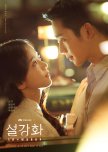
Romance, Action, and Heartbreak Done Right
I write really long reviews but here's a summary. Keep in mind this is just my opinion and I don't mean to offend anyone ❤️This one's a bit long- so if you like slightly detailed reviews, you're gonna (hopefully) love this.
❗SPOILERS AHEAD❗
The Good
Plotline Perfection (aka Genre Soup That Actually Worked)
This drama blended so many genres—romance, action, suspense, and even comedy—and somehow pulled it off. The pacing picked up fast, and once it did, it never lost momentum.
And the twists? Unhinged in the best way. That final one with Man Dong? I was gagged. Freedom was right there, and they missed it because of him? Genius-level chaos.
Jisoo’s Acting Debut = Slay
Jisoo really surprised me. For her first drama, she held her own against a cast full of seasoned actors and never broke the immersion.
Sure, there were moments Hae In had to work a little harder to sell their chemistry, and that kiss felt more like a polite nod than passion—but overall, she did well. Respect.
The Romance: Chaotic, But Cute
I really liked Soo Ho and Yeong Ro’s love story. It was sweet and soft without overpowering the main plot.
It felt real—awkward at times, but in a good way. And Soo Ho didn’t turn into a fool for love, which automatically makes him elite.
The Ending (A Beautiful Tragedy)
That ending… whew. Of course I wanted them to end up together, or at the very least have him survive. But honestly? I’m not mad at how it played out. It was beautifully done and, more importantly, believable.
I’m so glad they didn’t go the unrealistic route where he jumps out the window, dodges bullets, and somehow lives. His death actually meant something.
And that epilogue? The "what if we met under normal circumstances" callback? I was done. Beautiful, heartbreaking, unforgettable.
Bun Ok: Annoying, But I Get It
She was frustrating, but her actions made sense. Everything she did came from a place of survival and desperation.
And her quiet thing with Comrade Joo? The unspoken looks? The subtle softness? Honestly, one of the most underrated dynamics in the show.
The Bad
Slow-Motion Start-Up
I get the need for setup, but this one dragged its feet. The first few episodes were painfully slow—like, “am I watching the right show?” slow. Cute moments popped in here and there, but overall? Snoozefest.
And the wives? Please. Their boutique gossip sessions were filler at best and dead weight at worst. The “13 virgins” subplot? Completely irrelevant. Their scenes killed the pace and made the early episodes hard to sit through.
Plot Convenience (AKA The Spy Personality Swap)
Soo Ho’s sudden moral awakening made zero sense. These people were raised and trained to follow orders no matter what—especially spies. But the moment things got dicey, they all just… switched sides?
Comrade Joo was the only one who stayed true to his conditioning. Everyone else? Way too soft, way too fast. I get drama magic, but Soo Ho risking his sister’s safety for a girl he barely knew? That’s not love, that’s lazy writing.
Can Someone Please Die Already?
No, I’m not heartless—just honest. For a “high-stakes hostage crisis,” the show weirdly avoided actual stakes. Nobody died for most of it, which killed the tension.
Soo Ho and the spies hesitated way too much. Even Gang Mu surviving made no sense. You can’t sell us intensity with constant threats and zero follow-through. At some point, the hostages should’ve realized there were no real consequences.
Final Thoughts
As you can probably tell, I loved this drama. “The Bad” section was honestly me nitpicking—none of it ruined the experience.
Yes, the beginning dragged, but once the plot kicked in, it stayed in. Every episode had me glued to the screen, the twists kept landing, and the romance felt just right—soft but never sappy.
And that ending? Devastatingly beautiful. The epilogue lives rent-free in my mind. I know there was a lot of controversy around this show, which is why I focused on the hostage plot, not the politics. But from a storytelling perspective, it was stunning.
The romance was grounded, the stakes were real, and Soo Ho had me emotionally unwell for days. I fully plan to rewatch—just be warned: come for the thriller, stay for the emotional destruction.
Was this review helpful to you?
This review may contain spoilers
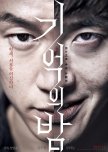
A Thriller That Keeps You Guessing Until the End
I write really long reviews but here's a summary. Keep in mind this is just my opinion and I don't mean to offend anyone ❤️❗SPOILERS AHEAD❗
The Good
Twist After Twist After Twist
This movie knew how to mess with your mind in the best way possible. The plot twists had me questioning everything, just like Jin Seok. When his brother came back acting all strange, I was sure Yoo Seok was the villain. I had my own theory board going, but of course, I was wrong. And that journey to the truth? So worth it.
Edge-of-Your-Seat Suspense
The suspense in this movie was chef’s kiss. From the pencil inches away from Jin Seok’s eye to the creepy room with those weird noises—every scene had me on edge. What made it even more gripping was the feeling that everyone in the movie knew what was going on, except for us. No slow build here—it was intense right from the start.
The Psychological Element
Jin Seok’s mental struggle hit differently because, honestly, it’s not just fiction. When you experience extreme trauma, your brain sometimes blocks it out as a coping mechanism, even creating fake memories. That’s what happened to Jin Seok. His guilt over the family’s accidental deaths was so heavy, it was buried deep in his mind. And when the truth finally came back? Yikes. It’s fascinating in a deeply unsettling way.
A Tragic but Perfect Ending
This might sound grim, but when a character gets what they want and then dies? That hits. It’s tragic, sure, but also poetic. Yoo Seok’s mission was finally complete, and then he ended his life. It felt like a tragic, full-circle conclusion. The whole movie started with tragedy and ended with it—perfectly tied together, in the most haunting way.
No Time Wasted
One of the best things about Forgotten was how it didn’t waste any time. No slow build, no dragging out the plot—this movie got right to the point. I watched it with my dad and stepmom, both of whom hate slow movies, and even they were hooked from the beginning. That’s how you know the pacing was on point.
The Bad
The House Was Just… There?
Why was Jin Seok in that house? I get it’s part of Yoo Seok’s trap, but it didn’t really help Jin Seok recover his memories. He didn’t start remembering until after he left. The house felt more like a weird psychological manipulation tool with no real payoff, rather than a meaningful part of the plot.
Lack of Flow
I love a good mystery, but Forgotten took it too far. The twists worked because they blindsided us, but the clues were nonexistent. We were trying to solve for A or B, only to be hit with an answer we didn’t even know was possible. The kidnapping? Juicy, but pointless. And the brother’s personality switch was just confusing—didn’t tie into anything. It was like they were so focused on making him suspicious that they forgot about the bigger plan.
Plot Overload
This movie couldn’t decide what it wanted to be. The two major plots—the kidnapping and the murder—competed for attention. They ended up just getting thrown at us in phases, with no real resolution. The kidnapping took way too much focus, especially considering how insignificant it turned out to be. Maybe they could’ve focused on one plot or expanded the story to give everything the attention it deserved.
The Trailer Lied (a Little)
Not a huge deal, but the trailer totally sold this as a "my-brother-isn’t-my-brother" thriller, and that wasn’t even the main plot. It definitely misled me, but I’m glad the movie still held up despite the bait-and-switch.
Final Thoughts
This movie is one of my top-rated thrillers. It hooked me from the start, with twists and a hauntingly poetic ending. A solid 9/10 from me.
But once you look closer, the cracks start showing—like the multiple main plots fighting for attention, and the kidnapping arc that didn’t really go anywhere. It’s one of those movies where the first watch is a rollercoaster, but on a second go, you’ll catch a few eyebrow-raising moments.
Still, no movie is perfect. Forgotten delivered where it counted. It’s the kind of thriller you wish you could experience for the first time again. And if you do rewatch it, just don’t think too hard about the plot holes—gasp dramatically, pretend you didn’t see them, and keep the popcorn coming.
Was this review helpful to you?


