
 News


This review may contain spoilers
When Being Understood Is the Most Romantic Part — A Million Stars ☀️?️
If I could give Sunshine Through the Rain a million stars, I would. This is the kind of romance that gives me so much more to care about than whether two people end up together. I care about what they’re carrying, why they’re guarded, and what it takes for them to finally let someone close. That emotional foundation is what makes the romance so meaningful to me.
The heroine gives the story its heart
What I love about Zheng Yu is that her ambition has real weight behind it. She’s working toward a scholarship while dealing with financial pressure and family responsibilities, so succeeding academically means something much bigger than getting recognition. She needs opportunities. She needs some room to breathe. Understanding that makes it so easy to root for her.
It also makes the rivalry with Chen Yanzhou more interesting. When he returns and becomes a threat to the scholarship she’s working toward, her frustration has a reason. From her perspective, something she needs is suddenly less certain. That gives their early dynamic an emotional foundation beyond two attractive people irritating each other until they fall in love.
I appreciate a heroine who can be hardworking and capable while still feeling overwhelmed. Being strong doesn’t mean having unlimited energy or never needing help, and that’s what makes a character like Zheng Yu compelling to me. I want to see her succeed, but I also want her to have moments where she doesn’t have to carry everything alone.
The relationship becomes more meaningful as they understand each other
Chen Yanzhou’s own struggles give their connection another layer. As they spend time together, their initial impressions gradually become less complete. They begin to understand that there are reasons behind the other person’s behaviour—pain, pressure, and experiences that aren’t immediately visible.
That is one of my favourite things about this kind of romance. Attraction can happen quickly, but understanding someone takes time. Seeing a person differently once you know what they’ve been living with makes the growing affection feel much more meaningful.
Their movement from academic rivals toward cooperation gives that connection somewhere to develop. They have to engage with each other, recognise each other’s abilities, and see beyond their assumptions. I love having that progression underneath the romance because it gives me reasons to want them together.
The emotional connection makes the chemistry better
For me, chemistry becomes so much stronger when I care about what closeness means to the characters. When someone is used to protecting themselves, even allowing another person to see that they’re struggling can feel significant.
That’s the appeal here. The romance has vulnerability underneath it. I’m invested in the possibility that these two people might find someone they don’t have to explain every part of themselves to, or constantly pretend to be fine around.
There’s something deeply romantic about being recognised beyond what you achieve, how useful you are, or how well you seem to be coping. I want the butterflies and the romantic tension, absolutely, but I also want that sense of emotional safety. That’s what gives a love story staying power for me.
Why it deserves such a high rating from me
The combination of academic ambition, personal hardship, and growing affection makes this story feel emotionally full. Their lives have pressures that exist outside the relationship, and those pressures affect how they see each other and what they’re ready to share.
I love stories that make room for people to be determined and tired, guarded and caring, hopeful and afraid. Those feelings can exist together. Watching characters gradually make space for another person while dealing with all of that is exactly the kind of emotional journey I get attached to.
Sunshine Through the Rain gives me a romance worth rooting for because I’m also rooting for the people in it. I want them to find happiness together, and I want each of them to feel less alone in their own life.
Who I would recommend it to
Watch this if you love emotionally layered romance, academic rivals who gradually become allies, hardworking heroines, and characters learning to trust while carrying difficult pasts. If the emotional connection is what makes the romantic moments hit harder for you, this is absolutely worth your attention.
I would especially recommend it to fans of Lighter & Princess for the university setting, ambition, and emotionally complicated connection, or Rain or Shine / Just Between Lovers for the appeal of people finding understanding and support through personal pain. They each have their own tone, but those are the qualities that make them good companion recommendations.
My rating: 10/10 because that’s the limit. A million stars for making understanding, vulnerability, and finding comfort in another person feel this romantic. 🤍
Was this review helpful to you?

This review may contain spoilers
A Stolen Identity, a Fighting Spirit, and Chemistry Worth a Million Stars ?
Where the Mask Ends has so many of the things that make me completely invested in a drama: a heroine with something to fight for, an identity that puts her in danger, a household full of competing interests, and a romance complicated by mistrust. There’s so much happening underneath every interaction that even the quieter moments have tension.
What makes it work for me is how closely the identity plot and the emotional story are connected. A Chou is trying to survive while being judged as someone else, and that affects everything—how she’s treated, what people expect from her, and whether anyone is willing to believe her.
The identity swap creates more than a plot twist
The premise is immediately interesting because A Chou has to live with the consequences of Wei Rao’s reputation. People look at her and believe they already know her character. She walks into situations where opinions have been formed before she has even had a chance to speak.
That makes her position so frustrating in a way that keeps me invested. How do you convince someone to see you differently when they think your behaviour is an act? How do you protect yourself when being completely honest could create another kind of danger?
Those questions give the story a constant sense of uncertainty. It matters who is watching, what they notice, and how they interpret it. The identity swap keeps affecting her relationships instead of simply serving as an excuse to put the leads together.
I love that kind of setup because it gives both the intrigue and the romance something substantial to work with.
A Chou is a heroine I want to root for
A huge part of the appeal is her determination. She has to navigate a situation where other people hold more power, and she can’t afford to take every interaction at face value. She needs to think about what people want and what her choices might cost her.
That gives me so much more to care about than whether she wins someone’s affection. I want her to have security. I want her to have choices. I want her to reach a point where her life belongs to her.
Her vulnerability makes those goals matter. A heroine doesn’t have to be untouchable to be compelling. Sometimes what makes her interesting is knowing that she can be hurt and watching her continue to act anyway. A Chou’s determination to survive gives the story that emotional pull.
Tian Xiwei’s dual role is one of the biggest attractions
Having Tian Xiwei play both A Chou and Wei Rao makes the contrast between them especially compelling. They share a face, but their circumstances, intentions, and ways of dealing with people give that face different meanings.
That’s important in a story where appearances shape so much of what happens. As a viewer, you’re aware of a distinction that other characters may not recognise, so you watch their reactions differently. You’re waiting for someone to notice what doesn’t fit, question an assumption, or finally understand who they’re dealing with.
The dual role gives the performance a lot to do, and it’s one of the reasons the central premise holds my attention.
The romance has tension with a real reason behind it
Lu Zhuo’s perception of the woman he believes he has married creates such an interesting obstacle. There is already history and judgement attached to her face. Affection has to grow through that, which makes the gradual shift in how he sees her so satisfying.
For me, the most compelling part is the difference between being looked at and being understood. A Chou can be standing directly in front of him while still being hidden behind someone else’s identity and reputation. That makes the possibility of him recognising who she really is emotionally powerful.
It gives the chemistry another layer. I’m interested in the attraction, but I’m also watching for trust, curiosity, and those changes in perception that allow affection to become possible. The romance keeps me invested because there’s something meaningful at stake in being truly known.
The surrounding schemes keep the pressure on
The competing interests around them make it difficult to relax into any relationship too easily. People have their own priorities, and A Chou has to navigate a world where appearances and intentions don’t always line up.
I enjoy that because the romantic story exists within a larger struggle. Her feelings matter, but so does her survival. Trusting someone can bring comfort and create risk at the same time, which is exactly the kind of complication that keeps me wanting another episode.
The combination of household intrigue, deception, and emotional uncertainty gives the drama its addictive quality. I’m watching to see what happens next, but I’m also watching to see how each development changes the relationships.
Who I would recommend it to
Watch this if you love historical romance with hidden identities, determined heroines, scheming characters, and affection that develops through suspicion and gradually earned trust. If you want a heroine whose future matters as much as her love story, there is a lot here to get invested in.
My strongest companion recommendation would be The Double, particularly for the assumed identity, betrayal, and a heroine trying to secure justice among powerful people. I would also recommend Story of Kunning Palace for the palace intrigue, complicated relationships, and a woman fighting to change the direction of her life.
My rating: 10/10. A million stars for the identity-driven tension, a heroine worth rooting for, and a romance that makes being truly seen part of the payoff.
Was this review helpful to you?
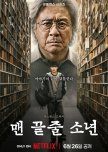
A masterpiece in psychological storytelling
Notes from the Last Row is one of those rare dramas that completely consumes you. What begins as a story about a disillusioned literature professor discovering the extraordinary talent of a quiet student slowly transforms into an unsettling, thought-provoking exploration of obsession, ambition, morality, and the dangerous power of storytelling. Every episode pulls you deeper until you can no longer tell where fiction ends and reality begins.The writing is nothing short of brilliant. Every conversation, every silence, and every small detail serves a purpose. The tension builds naturally without relying on cheap twists, making every reveal feel earned. This is the kind of drama that keeps your mind racing long after the credits roll.
Choi Min-sik delivers one of the strongest performances I’ve ever seen in a K-drama. His portrayal is layered, haunting, and deeply human. Choi Hyun-wook is equally captivating, creating a mysterious character that keeps you questioning his intentions from beginning to end. Their chemistry is electric, and every scene between them feels like a psychological chess match.
The cinematography, music, and atmosphere are exceptional, creating an unsettling sense of unease that perfectly matches the story. Nothing feels rushed, unnecessary, or out of place. Every episode builds on the last with incredible precision.
This isn’t a drama that spoon-feeds its audience. It trusts you to think, question, and interpret, which makes the experience even more rewarding. It’s intelligent, emotionally gripping, beautifully acted, and impossible to forget.
An easy 10/10. Notes from the Last Row isn’t just another psychological thriller it’s a masterclass in storytelling that will stay with you long after you’ve finished watching. It’s one of the best dramas I’ve ever seen, and I can’t recommend it highly enough.
Was this review helpful to you?
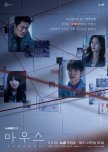
This review may contain spoilers
One of the greatest psychological thrillers ever created. A masterpiece from beginning to end
10/10 – One of the greatest psychological thrillers ever created. A masterpiece from beginning to end.I’ve watched a lot of thrillers, crime dramas, and psychological mysteries, but Mouse is in a league of its own. This isn’t just a drama—it is an experience that constantly challenges everything you think you know. Every time I believed I had solved the mystery, the writers completely shattered my expectations.
Lee Seung Gi delivers what I honestly believe is the performance of his career. Going into the drama, Jung Ba Reum seems like the kindest, most innocent, and genuinely lovable police officer imaginable. He’s compassionate, awkward, and always willing to put others before himself. Naturally, you trust him completely.
Then everything changes.
The reveal that Ba Reum is actually the serial killer completely destroyed me. I genuinely sat there in disbelief. Looking back, all the clues had been there from the very beginning, yet the writing was so brilliant that I never questioned him. Few dramas have ever fooled me so completely.
After the brain transplant, Lee Seung Gi’s acting reaches another level entirely. Watching Ba Reum slowly regain fragments of his memories while battling guilt, confusion, and the horrifying realization of who he truly is was absolutely heartbreaking. His subtle changes in facial expressions, body language, and emotional breakdowns were some of the finest acting I’ve ever witnessed in any drama.
The relationship between Ba Reum and Moo Chi was another emotional masterpiece. Moo Chi spends years hunting monsters, never realizing that the person standing beside him is the very monster he’s been searching for. Their friendship, built on trust and loyalty, made every revelation even more devastating.
Lee Hee Joon deserves enormous praise as Go Moo Chi. His pain, anger, and determination felt completely authentic. After everything his family endured, you couldn’t help but root for him. The chemistry between him and Lee Seung Gi wasn’t romantic it was built on brotherhood, betrayal, and tragedy, making it one of the strongest relationships in the series.
The drama constantly asks one terrifying question:
Are monsters born, or are they created?
Rather than giving easy answers, Mouse forces viewers to wrestle with morality, genetics, trauma, and free will. Just when you think someone deserves redemption, you’re reminded of the horrors they’ve committed. Just when you think someone is evil beyond saving, you’re shown the broken child they once were.
Some of the murder scenes were absolutely chilling not because of excessive violence, but because of the psychological tension. Every investigation uncovered another shocking truth, and every episode somehow managed to raise the stakes even higher.
By the final episodes, I found myself experiencing emotions I never expected. I hated Ba Reum. Then I pitied him. Then I cried for him. That emotional conflict is a testament to both the incredible writing and Lee Seung Gi’s phenomenal performance.
The ending was bittersweet but perfect. Ba Reum finally accepting responsibility for every life he destroyed instead of trying to escape his sins felt like the only ending that could truly honor the story. His final acts weren’t enough to erase what he’d done, but they showed that somewhere beneath the monster was a man who finally understood the weight of his crimes.
The cinematography is stunning, the soundtrack is hauntingly beautiful, and the pacing never lets up. Every episode leaves you desperate to watch the next one, and somehow the twists never feel cheap they’re carefully planned from the very beginning.
Mouse isn’t simply about catching a serial killer. It’s about humanity itself. It’s about guilt, redemption, justice, trauma, and whether evil is something we’re born with or something we become.
I’ve watched hundreds of dramas, and very few have left me speechless. Mouse did exactly that. It shocked me, broke my heart, made me question everything, and stayed with me long after the credits rolled.
Without question, this is one of the greatest K-dramas ever made. Brilliant writing, unforgettable performances, jaw-dropping plot twists, and an emotional impact that very few dramas will ever match. An easy 10/10 and one I’ll be thinking about for years to come.
Was this review helpful to you?
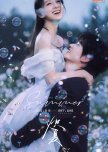
This review may contain spoilers
Some summers end. The people they make us become never do.
I knew Never Ending Summer was going to be special after the first few episodes, but I never expected it to become one of the most emotionally devastating and beautifully written coming-of-age dramas I’ve ever watched. This isn’t just a story about first love. It’s about growing up, carrying regret, learning forgiveness, and realizing that the moments we think will last forever are often the ones that disappear the fastest.What makes this drama extraordinary is how real every character feels. Nobody is written as simply “good” or “bad.” They make selfish decisions, hurt the people they love, run away from difficult conversations, and carry wounds they don’t know how to heal. Watching each of them grow over the years felt incredibly rewarding because their development was gradual, believable, and deeply human.
The relationship between the leads completely stole my heart. Their chemistry never relied on exaggerated romantic scenes it was built through years of shared memories, quiet conversations, lingering glances, inside jokes, and countless moments where they chose each other even when life kept pulling them apart. That made every reunion feel earned and every separation absolutely heartbreaking.
The time skips were handled beautifully. Rather than feeling like separate chapters, each period of their lives built naturally on the last. You could see how every decision they made as teenagers continued to affect them as adults. The drama constantly reminds us that growing older doesn’t erase the people we once were it simply teaches us to understand them.
The fireworks scene is one of the most unforgettable moments I’ve seen in any drama. It isn’t just visually beautiful it perfectly symbolizes everything the series is trying to say. Fireworks are breathtaking, but they’re fleeting. They light up the entire sky for only a few moments before disappearing, leaving behind only memories. Their love, their youth, and that unforgettable summer felt exactly the same. It was a moment that captured both overwhelming happiness and the quiet sadness of knowing nothing lasts forever.
One of the things I appreciated most was that the drama never gave us easy answers. Life doesn’t always work out the way we hope. People drift apart. Dreams change. Circumstances force impossible decisions. Yet despite all of the heartbreak, the series never becomes cynical. Instead, it quietly suggests that even painful memories can become something beautiful because they helped shape the people we become.
The performances across the entire cast were phenomenal. Every actor made their character feel authentic, especially during the emotional scenes where words weren’t necessary. So much of the story is told through expressions, silence, and body language rather than dialogue. That’s incredibly difficult to pull off, yet this cast made it look effortless.
The cinematography deserves just as much praise. The golden sunsets, the beaches, the long summer evenings, the rain, the fireworks, the classrooms, and even the ordinary streets all carry a sense of nostalgia. Every frame feels like a memory someone is desperately trying not to forget. Combined with one of the most beautiful soundtracks I’ve heard, the entire drama feels dreamlike without ever losing its emotional authenticity.
The ending absolutely destroyed me in the best possible way. I loved that it didn’t rely on a fairy-tale conclusion. Instead, it stayed true to everything the story had been building toward from the very beginning. It reminded us that love isn’t always measured by whether two people stay together forever. Sometimes its greatest purpose is to change us, to teach us how to love, how to let go, and how to keep moving forward while carrying those memories with us. Their final moments together, especially when they reflect on everything that happened during that unforgettable summer, left me in tears.
Even after the credits rolled, I found myself thinking about these characters for days. Their happiness felt like mine. Their heartbreak hurt as if I had lived through it beside them. Very few dramas leave that kind of lasting emotional impact.
Never Ending Summer isn’t just one of the best coming-of-age dramas I’ve ever seen it’s one of the best dramas I’ve ever watched, period. It captures youth, love, friendship, regret, grief, hope, and the bittersweet beauty of growing up with remarkable honesty. It’s the kind of story that reminds you of your own first love, your own summers that ended too soon, and the people you’ll carry with you forever.
A flawless 10/10. If I could erase one drama from my memory just to experience it for the first time again, Never Ending Summer would be at the very top of the list. It didn’t just entertain me it stayed with me, and I know it always will.
Was this review helpful to you?

EXCEPTIONAL
A rare sequel that doesn’t just live up to its predecessor—it expands its world, deepens its characters, and delivers an even more emotionally complex story.Following a masterpiece like Weak Hero Class 1 was always going to be an impossible task, yet Weak Hero Class 2 accomplishes something remarkable. Instead of trying to recreate what made the first season special, it allows Yeon Si-eun’s journey to naturally evolve. The wounds left behind haven’t disappeared they continue to shape every decision he makes, making this season less about revenge and more about learning how to trust, connect, and survive after unimaginable loss.
Park Ji-hoon once again delivers an extraordinary performance that cements him as one of the finest young actors working today. His portrayal of Si-eun is incredibly restrained yet emotionally devastating. Every glance, hesitation, and quiet moment reflects the weight he’s carrying. Rather than speaking about his grief, he allows the audience to feel it, making his emotional growth throughout the season deeply satisfying.
The new friendships are handled exceptionally well. Rather than replacing the relationships from the first season, they become an entirely new chapter in Si-eun’s life. Each new character brings a different perspective on loyalty, courage, and friendship, allowing Si-eun to slowly rediscover the parts of himself he thought he’d lost forever. Their bonds develop organically, making every moment of trust feel earned.
The action remains among the best in Korean television. Every fight is choreographed with incredible realism, emphasizing strategy, desperation, and emotional stakes over spectacle. Violence is never glorified it leaves lasting physical and emotional scars, reinforcing the series’ central themes.
Visually, the drama continues its signature style with moody cinematography, grounded direction, and an outstanding soundtrack that heightens every emotional beat without becoming intrusive.
What impressed me most is that Weak Hero Class 2 understands healing doesn’t mean forgetting. It beautifully explores survivor’s guilt, forgiveness, and the courage it takes to open your heart again after devastating loss. It never undermines the events of the first season but instead builds upon them with remarkable maturity.
Powerful, heartbreaking, emotionally intelligent, and brilliantly acted, Weak Hero Class 2 proves that great storytelling isn’t about repeating the past it’s about allowing characters to grow. An exceptional sequel and another flawless 10/10.
Was this review helpful to you?
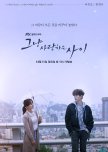
Profoundly beautiful
A profoundly moving story about trauma, grief, resilience, and the quiet courage it takes to keep living.Rain or Shine is one of the most emotionally authentic dramas I’ve ever watched. It doesn’t sensationalize trauma or offer unrealistic solutions. Instead, it gently explores how people carry pain for years, how grief quietly shapes every part of their lives, and how healing often begins with simply finding someone who truly understands.
Lee Jun-ho delivers an extraordinary performance that is both heartbreaking and deeply inspiring. His portrayal feels incredibly raw, capturing years of suppressed pain, survivor’s guilt, anger, and loneliness while never losing the humanity beneath it. Won Jin-ah matches him perfectly, creating a female lead whose quiet strength and compassion make her impossible not to admire.
Their relationship develops with remarkable patience. There are no exaggerated romantic clichés or unnecessary misunderstandings. Instead, two wounded people slowly become each other’s safe place, proving that love doesn’t always fix what’s broken but it can make carrying the weight a little easier.
Every supporting character contributes something meaningful to the story. Each person is coping with loss differently, making the world feel authentic and emotionally layered rather than existing solely around the main couple.
The cinematography beautifully reflects the emotional tone through muted colors, quiet settings, and intimate framing that allows every glance and silence to speak volumes. The soundtrack is equally understated, enhancing the emotional moments without ever overwhelming them.
What impressed me most is how hopeful the drama remains despite its heavy subject matter. It acknowledges that healing isn’t quick or linear, but it reminds us that moving forward is possible, even after unimaginable loss.
Beautifully written, masterfully acted, and emotionally honest from beginning to end. This isn’t just a romance it’s a story about learning to live again. One of the finest healing dramas ever made and a well-deserved 10/10.
Was this review helpful to you?

Dark but beautiful
Dark, haunting, emotionally devastating, and one of the most psychologically complex dramas ever created.The Smile Has Left Your Eyes is not an easy watch, but that’s exactly what makes it unforgettable. Rather than presenting clear heroes and villains, it challenges viewers to confront the complexities of trauma, morality, loneliness, and the desperate human desire to be loved. Every episode leaves you questioning what you think you know, slowly peeling back layer after layer until the full emotional weight becomes almost unbearable.
Seo In-guk gives what I consider one of the greatest performances in Korean television. Kim Moo-young is an incredibly difficult character to portray
simultaneously mysterious, emotionally detached, vulnerable, dangerous, and deeply broken. Seo In-guk never overplays the role, allowing subtle expressions and quiet moments to reveal more than words ever could.
Jung So-min is equally remarkable. Her performance brings warmth and hope into an otherwise dark world, creating a romance that feels both healing and tragically fragile. Their chemistry isn’t built on lighthearted romance but on two lonely souls slowly recognizing pieces of themselves in one another.
The writing is phenomenal. Every revelation feels carefully planned from the very beginning, with no wasted scenes or unnecessary plotlines. The suspense builds gradually rather than relying on constant shock value, making every emotional payoff incredibly satisfying.
Visually, the drama perfectly captures its melancholic atmosphere through muted colors, beautiful cinematography, and a hauntingly beautiful soundtrack that lingers long after each episode ends.
What makes this drama unforgettable isn’t simply its mystery it’s the heartbreaking humanity underneath it. It asks difficult questions about whether people can truly escape their past and whether love alone is enough to heal profound emotional wounds.
Heartbreaking, thought-provoking, beautifully acted, and emotionally unforgettable. A masterpiece that stayed with me long after the final episode. An easy 10/10.
Was this review helpful to you?

⭐️ 10/10 – Revenge Done to Absolute Perfection
The Glory is, without question, one of the best revenge dramas ever made. Every episode was gripping, intense, and impossible to stop watching. It wasn’t a story built on cheap twists or shock value it was a carefully crafted masterpiece where every piece of the puzzle fell perfectly into place.The writing is phenomenal. The revenge unfolds slowly and methodically, making every victory feel earned. Nothing is rushed, and every character has a purpose. Watching everything come together was incredibly satisfying.
Song Hye-kyo delivered the performance of her career. She portrayed Moon Dong-eun with such quiet strength, pain, and determination that I felt every emotion she carried. The villains were equally outstanding you genuinely loved to hate them, which made the payoff even sweeter.
The cinematography, soundtrack, and overall production were flawless. Every scene carried weight, and the atmosphere kept the tension high from beginning to end.
This drama isn’t just about revenge. It’s about trauma, healing, justice, and refusing to let your past define your future. It’s emotional, heartbreaking, empowering, and unforgettable.
A true masterpiece that deserves every bit of the praise it has received. 10/10 without hesitation.
Was this review helpful to you?

⭐️ 10/10 – A Hidden Gem That Deserves So Much More Recognition
I went into Teach You a Lesson not knowing what to expect, and by the end I was completely blown away. This drama wasn’t just entertaining it was meaningful, emotional, and incredibly well written. It’s one of those rare shows that teaches you something while making you laugh, cry, and reflect on your own life.
The writing was one of its biggest strengths. Every episode had a purpose, and the story unfolded naturally without feeling rushed or dragged out. The pacing was excellent, constantly giving you something to look forward to while allowing the emotional moments to truly sink in.
The characters were what made this drama unforgettable. None of them felt one-dimensional. They were flawed, relatable, and grew so much throughout the series. Watching their journeys, struggles, and relationships develop was one of the most rewarding parts of the show. I became genuinely invested in every single one of them.
The acting was phenomenal across the board. Every actor brought so much heart and authenticity to their role that it never felt like I was watching people perform it felt real. The emotional scenes were especially powerful and hit hard because the performances were so believable.
What I appreciated most was how the drama balanced its heavier themes with moments of warmth, humor, hope, and genuine human connection. It reminds you that people can grow, heal, and change, even after making mistakes. The lessons woven throughout the story never felt forced or preachy they happened naturally through the characters and their experiences.
The production quality was also fantastic. The cinematography, soundtrack, and overall atmosphere elevated every scene, making the emotional moments even more impactful. Everything worked together beautifully.
By the final episode, I wasn’t ready to let these characters go. That’s always the sign of a truly special drama. It left me smiling, emotional, and reflecting on everything I’d watched long after it ended.
If you’re looking for a drama with outstanding acting, beautiful character development, heartfelt storytelling, meaningful life lessons, and an ending that leaves a lasting impression, don’t hesitate to watch Teach You a Lesson. It deserves far more attention than it gets.
This is easily one of my favorite dramas, and without question, a 10/10. I would gladly watch it again.
Was this review helpful to you?

This review may contain spoilers
10/10 — Intense, addictive, and one dangerously gorgeous man! ?
Trigger gave me exactly what I love in a crime thriller: tension, action, unsettling characters and a story that made me want to keep watching. It was dark, chaotic and emotional, and the performances made it even harder to look away.
The idea of illegal guns suddenly circulating through South Korea was disturbing enough, but what really drew me in was the human side of it. The anger, desperation and resentment behind the violence made the story feel more unsettling. Watching people reach a breaking point when they suddenly had access to that kind of power was genuinely frightening.
Kim Nam-gil was fantastic as Lee Do. He brought the determination and intensity the role needed, but also enough humanity to make me care about him. Having someone trying to protect people while everything around him spiralled out of control gave the story an emotional centre.
But we NEED to talk about Kim Young-kwang as Moon Baek. That gorgeously good-looking gangster had absolutely no business being that distracting. The height, the face, the smile, the confidence… honestly, how was I supposed to concentrate? Every time he appeared, my attention was immediately his. 😂🔥
And it was not just his looks. His performance was a huge part of why I enjoyed this drama so much. There was something so captivating about the contrast between his relaxed manner and the feeling that you should never completely trust him. He could be charming and unsettling at the same time, which made him fascinating to watch.
Moon Baek is exactly the kind of character who makes me question my taste in fictional men. In real life? Absolutely not. On my screen? Please continue. 🚩😂
The dynamic between Kim Nam-gil and Kim Young-kwang was another highlight. Their contrasting energy made their scenes together so engaging. I loved that sense of uncertainty, where even a conversation could have tension underneath it. They gave the drama so much presence between them.
I also appreciated that the violence had an emotional weight. The fear and consequences were part of what made the story gripping. There were moments that made me angry and uncomfortable, but that investment is what I want from a darker thriller. I want to feel something beyond simply watching the action happen.
For me, a 10/10 comes down to how invested I am, how much I enjoy the performances and whether the drama stays in my mind afterwards. Trigger delivered on all of that. The combination of suspense, strong acting and memorable characters made it such an entertaining watch.
If you enjoy dark crime thrillers, action, psychological tension and charismatic characters you know you should not trust, I definitely recommend it.
An easy 10/10 from me. And Kim Young-kwang? A completely separate 100/10. Respectfully… mostly. 🔥❤️
Was this review helpful to you?
This review may contain spoilers
10/10 — Office chaos, strong personalities and chemistry worth staying overtime for! ❤️
I absolutely loved Filing for Love! It had the humour, romantic tension and emotional warmth that make a drama so enjoyable for me. I love a romance where the leads challenge each other, and this pairing gave me so much to root for.
Shin Hae-sun was a huge highlight. She has such a talent for making a character commanding, funny and intriguing at the same time. Joo In-ah is hardly someone who fades into the background, and I loved having a female lead with such a strong presence. She made me curious about what was going on beneath the surface.
Gong Myoung was such a good match for her. Their contrasting personalities made their interactions entertaining, and I loved the tension between them. For me, chemistry is about more than the big romantic moments. It is also the reactions, the expressions and the way two people can make an ordinary conversation feel charged. They had that.
The audit department setting also gave the drama a fun twist. Workplace misconduct and office scandals might not sound like the most romantic starting point, but they created plenty of opportunities for awkward situations, clashing personalities and complicated feelings. I enjoyed having that workplace chaos alongside the romance.
What really made the drama work for me was the balance between humour and emotion. I wanted to laugh, but I also wanted to care about the people involved. The central pairing kept me invested, and the softer moments were especially lovely against their stronger personalities.
I also appreciated having a female lead who could be difficult, intimidating and fascinating. I do not need every character to be immediately easy to understand. Sometimes getting past that first impression is exactly what makes a romance interesting, especially when the other person has to reconsider what they thought they knew.
For me, a 10/10 does not mean I need to analyse every scene and declare it flawless. It means I loved the experience of watching it. Filing for Love entertained me, gave me a couple I cared about and delivered the kind of romantic chemistry that makes me want to keep watching.
If you enjoy office romance, strong female leads, clashing personalities, comedy and romantic tension, this is absolutely worth a try. Shin Hae-sun and Gong Myoung were such a memorable pairing, and I would happily watch them together again. An easy 10/10 from me! ❤️
Was this review helpful to you?

This review may contain spoilers
10/10 — The chemistry really was electric! ❤️⚡
I absolutely loved Take Charge of My Heart. It had the romance, humour, sweetness and emotional moments that make me fall in love with a drama. The premise is unusual, but that was part of its charm. Sometimes you just want to enjoy a love story that makes you smile, gives you butterflies and lets you become completely invested in the couple, and this drama delivered all of that for me.
Kim Young-kwang and Chae Soo-bin were such a wonderful pairing. Their chemistry was easily the strongest part of the drama. The playful scenes were genuinely funny, the romantic moments were incredibly sweet, and the emotional scenes had enough weight to make me care about what happened to them. I loved watching their relationship slowly change from something based on necessity into something sincere and deeply emotional.
The central concept was also surprisingly touching. The female lead struggles with physical contact, while the male lead literally depends on her touch to keep his artificial heart functioning. It sounds ridiculous when explained out loud, but the drama made the idea work because it used the fantasy premise to explore loneliness, fear, trust and intimacy. Their relationship was not just about keeping him alive physically; they also helped each other feel emotionally alive again.
I loved how their connection developed gradually. At first, there was awkwardness, confusion and plenty of funny misunderstandings. She was understandably uncomfortable with the situation, and he could be frustratingly secretive, but their interactions slowly became more natural. The moments when she began to trust him and allow herself to be close to him were especially meaningful because they showed how much she had changed. Likewise, he stopped treating her as merely someone who could help him survive and began to genuinely care about her feelings.
The romance gave me everything I wanted. There were cute moments, emotional confessions, jealousy, misunderstandings, longing and plenty of scenes where I was practically screaming at the screen for them to communicate properly. Their relationship had a lovely balance of comedy and tenderness, and even when the plot became dramatic, I still wanted to see them find their way back to each other.
That said, I definitely had characters I hated. Some of the people around the leads were unbelievably frustrating, especially whenever they interfered with the couple or treated their relationship like something they could manipulate. I wanted to yell at the screen during several scenes because the unnecessary lies and schemes created problems that could have been avoided if anyone had simply told the truth. The villains and antagonistic characters were effective because they made me angry, but there were moments when I wanted the leads to stop being so patient and finally confront them properly.
I was also frustrated by how often the characters kept secrets “for the other person’s sake.” I understand why dramas use that trope, but it still made me want to shake them. So many misunderstandings could have been resolved with one honest conversation. There were times when I was completely on the couple’s side but annoyed that they kept allowing other people to influence their decisions. Still, the emotional payoff was worth it because their struggles made their eventual honesty and commitment feel more satisfying.
The drama also did a good job of making the heart condition feel connected to the emotional story rather than using it only as a gimmick. The artificial heart represented the male lead’s vulnerability, but it also reflected how guarded and emotionally isolated he had become. He was surviving, but he was not truly living. The female lead’s presence gradually gave him a reason to open up, take risks and believe that he could have a future beyond simply managing his condition.
I also appreciated the female lead because she was not reduced to someone who existed only to save the male lead. She had her own fears, boundaries and emotional wounds. Her difficulty with physical contact was treated as something important, not just as a quirky obstacle for the romance. Watching her slowly become more comfortable with him made the relationship feel earned. He did not magically fix her, and she did not magically fix him; instead, they learned how to understand and support each other.
The emotional scenes worked particularly well because the drama had already established how much the characters meant to each other. When they were separated, lied to or placed in danger, I genuinely felt anxious for them. I wanted them to be happy, but I also wanted them to stop making life harder for themselves. Their love story was sweet, dramatic and occasionally infuriating in the best possible way.
For me, a 10/10 is about how a drama makes me feel, and Take Charge of My Heart made me happy, emotional, frustrated and completely invested. I laughed at the ridiculous situations, melted over the romantic scenes, got angry at the characters who caused unnecessary trouble and cried when the leads were forced to confront the possibility of losing each other.
The drama may not be perfect, and some of the plot twists and misunderstandings were definitely dramatic, but I did not watch it expecting realism. I watched it for the fantasy romance, the unusual premise, the emotional chemistry and the feeling of rooting for two people who desperately needed each other. It gave me a couple I cared about, a story that kept me entertained and enough emotional moments to make the journey worthwhile.
The ending was especially satisfying because it gave the leads the happiness and security they had fought so hard to achieve. After everything they went through, I needed them to choose each other openly and without secrets. Their relationship felt stronger because they had faced the truth, overcome the people trying to separate them and learned that love could not survive on fear and half-truths alone.
Overall, Take Charge of My Heart was a beautiful, funny and emotional fantasy romance with a memorable central couple. Kim Young-kwang and Chae Soo-bin carried the drama with their chemistry, and their performances made even the more exaggerated parts feel heartfelt. I loved the romance, enjoyed the comedy, hated several of the characters with my entire soul and became completely attached to the story.
If you enjoy fantasy romance, unusual medical or sci-fi premises, slow-burn chemistry, emotional vulnerability and couples who make you want to scream at them while still rooting for them, give this drama a chance. It may be dramatic and occasionally frustrating, but it has plenty of heart—and for me, that makes it an easy 10/10. ❤️
Was this review helpful to you?
This review may contain spoilers
# ⭐⭐⭐⭐⭐⭐⭐⭐⭐⭐ 10/10 — Brutal, Brilliant, and Unforgettable
There are dramas you watch, dramas you enjoy, and then there are dramas that stay with you long after the final episode ends. The King of Pigs belongs completely in that last category.
I honestly don’t even know where to begin because this drama is so much more than a revenge thriller. It is a devastating exploration of childhood trauma, bullying, friendship, guilt, violence, memory, justice, and the scars people carry long after the people who hurt them have forgotten what they did.
And somehow, despite how incredibly dark this story becomes, it never feels dark simply for the sake of being shocking. Every horrifying moment has a purpose. Every character feels like they are carrying years of history behind their eyes. The past isn’t simply something that happened to them — it has shaped who they became.
What makes The King of Pigs so powerful is the way it forces you to ask uncomfortable questions.
What happens to a child who is repeatedly told they are worthless?
What happens when nobody protects them?
What happens when the adults who are supposed to intervene look away?
And perhaps the most painful question of all:
What happens when the person who was once the victim becomes capable of becoming a monster themselves?
This drama doesn’t give you easy answers.
It doesn’t simply divide everyone into heroes and villains and tell you who you’re supposed to sympathize with. Instead, it makes you uncomfortable. It makes you question your own feelings. There were moments when I found myself understanding the rage behind certain actions while simultaneously being horrified by what that rage became.
That is incredibly difficult storytelling to pull off.
The portrayal of bullying is especially brutal because it doesn’t feel exaggerated or cartoonish. It shows how cruelty can become normalized when people see the same person being humiliated over and over again. The psychological damage is just as important as the physical violence. Sometimes the worst wounds aren’t the ones that bleed.
They’re the ones that follow you into adulthood.
And that is what makes the story so heartbreaking.
These characters aren’t simply trying to escape their past.
Their past has never actually let them go.
The friendship at the center of the story is another part that completely destroyed me. There is something incredibly tragic about friendships forged through suffering. When two people survive the same nightmare, they can become bonded in a way that is almost impossible for anyone else to understand.
But what happens when they survive that nightmare differently?
What happens when one person tries to bury the past while the other person decides to confront it?
That emotional conflict is the heartbeat of this drama.
The acting is phenomenal. The performances feel raw rather than polished, and that’s exactly what this story needs. The characters don’t always say what they’re feeling, but you can see years of pain, anger, fear, regret, and resentment in their expressions.
There is so much communicated through silence.
And I absolutely loved that.
The cinematography also deserves recognition. The atmosphere is cold, heavy, and unsettling. The drama creates this constant feeling that something terrible is lurking just beneath the surface. Even during quieter scenes, there is tension because you know the past is always waiting to come back.
The storytelling is equally impressive.
The way the story moves between the past and present slowly reveals pieces of the puzzle, allowing you to understand not just what happened, but why these people became who they are.
And that distinction matters.
Because The King of Pigs isn’t really a story about revenge.
It’s a story about what revenge does to a person.
It’s about how hatred can become an identity.
How pain can become anger.
How anger can become obsession.
And how, eventually, someone can become so consumed by the desire to punish the people who hurt them that they lose sight of the person they once were.
There were moments where I had to pause because the emotional weight was honestly overwhelming.
This is not a comfortable drama.
It is not something you put on when you want a lighthearted escape.
It is disturbing.
It is violent.
It is heartbreaking.
It is psychologically exhausting.
And somehow, that is exactly why it is so incredibly good.
What I appreciated most is that the drama trusts the audience. It doesn’t constantly tell you what to think. It gives you the information and lets you sit with the discomfort.
You are allowed to feel sympathy.
You are allowed to feel anger.
You are allowed to hate what someone does while still understanding the pain that brought them there.
And that complexity is what makes the characters feel human.
By the end, I wasn’t simply thinking about the mystery or the revenge.
I was thinking about children who are failed by the people around them.
I was thinking about how easily cruelty can be dismissed as “kids being kids.”
I was thinking about how one cruel moment can become a memory someone carries for decades.
I was thinking about how sometimes the person who looks completely fine on the outside is carrying an entire lifetime of pain underneath.
And most of all, I was thinking about how important it is to recognize that you never truly know what someone has survived.
That is the kind of drama that deserves to be remembered.
The King of Pigs isn’t beautiful because its story is pretty.
It’s beautiful because it is honest about ugliness.
It looks directly at the darkest parts of human nature and refuses to look away.
It asks whether justice and revenge are really the same thing.
It asks whether someone can ever truly escape their trauma.
It asks whether forgiveness is possible when the damage is permanent.
And it leaves you sitting with those questions instead of handing you a convenient answer.
That is storytelling.
This drama made me angry. It made me uncomfortable. It broke my heart. It made me question characters I thought I understood. And by the end, I felt like I had watched something far more meaningful than a revenge thriller.
I watched a story about what happens when children are left alone with pain they were never equipped to carry.
And honestly?
I will be thinking about this drama for a long time.
10/10 isn’t enough.
⭐ 10/10 for the writing.
⭐ 10/10 for the acting.
⭐ 10/10 for the atmosphere.
⭐ 10/10 for the psychological depth.
⭐ 10/10 for the emotional impact.
⭐ 10/10 for making me uncomfortable in exactly the way great storytelling should.
If you’re looking for something light, romantic, or comforting, this probably isn’t it.
But if you want a drama that will get underneath your skin, make you question morality, break your heart, and stay in your head long after you’ve finished watching it — watch The King of Pigs.
Some dramas entertain you.
Some dramas make you cry.
Some dramas make you angry.
And then there are dramas like The King of Pigs that make you sit in silence after the final episode and think:
“What the hell did I just watch?”
And somehow, you know you’ll never forget it.
Absolutely brilliant. Absolutely devastating. Absolutely unforgettable.
🐷👑 The King of Pigs — 10/10. A masterpiece of darkness, trauma, revenge, and the terrifying consequences of being forgotten when you needed someone to care the most.
Was this review helpful to you?

This review may contain spoilers
A gripping masterpiece
10/10 – A gripping masterpiece that had me questioning everyone until the very end.Big Mouth isn’t just a legal thriller—it’s a story about corruption, loyalty, sacrifice, and what happens when an ordinary man is forced into extraordinary circumstances. From the first episode to the finale, I was completely invested. Every episode ended with a twist that made it impossible not to immediately hit “Next Episode.”
Lee Jong Suk absolutely shines as Park Chang Ho. At the beginning, he’s a struggling lawyer with a terrible winning record who constantly finds himself in over his head. He’s funny, clumsy, and underestimated by everyone around him. Watching him slowly transform into someone capable of standing toe-to-toe with some of the most powerful and dangerous people was one of the most satisfying character arcs I’ve seen in a K-drama.
The mystery surrounding the real Big Mouse kept me guessing for almost the entire series. Every time I thought I had figured it out, another twist completely changed everything. The writers did an incredible job keeping the audience suspicious of everyone without making the story feel confusing.
Yoona was phenomenal as Go Mi Ho. I loved that she wasn’t written as a helpless wife waiting to be rescued. She was intelligent, fearless, and willing to risk everything to protect her husband and uncover the truth. She fought beside Chang Ho every step of the way, and their marriage quickly became one of my favorite parts of the drama.
Their relationship felt refreshingly real. Even when they argued or faced impossible situations, there was never any doubt that they loved and trusted each other. They weren’t just lovers—they were partners in every sense of the word. In a genre filled with betrayals and lies, their unwavering loyalty to each other was incredibly moving.
The corruption within Gucheon was horrifying because it felt believable. Watching powerful politicians, businessmen, and hospital executives manipulate justice while innocent people suffered made me angry in the best possible way. Every victory felt earned because the odds were constantly stacked against Chang Ho and Mi Ho.
Then came the ending…
Mi Ho’s death absolutely broke me.
After everything she endured, after risking her life over and over again to expose the truth, I desperately wanted her and Chang Ho to finally have the peaceful life they had fought so hard for. Instead, losing her to radiation poisoning was devastating. Watching Chang Ho try to stay strong while quietly falling apart inside left me in tears. Lee Jong Suk portrayed grief so beautifully—you could feel every ounce of his pain without him needing to say much at all.
While I wish Mi Ho could have survived, I also understand why her death carried so much weight. It reminded us that corruption leaves lasting scars and that justice often comes at an unimaginable cost. Her sacrifice became the driving force behind Chang Ho’s determination to finally bring down the people responsible.
The cinematography, soundtrack, and pacing were all outstanding. The tension never let up, and every episode balanced suspense, emotional moments, and shocking revelations perfectly.
Big Mouth constantly asks how far someone would go to protect the people they love, and whether it’s possible to remain a good person in a world built on lies and corruption. It delivers incredible performances, unforgettable twists, and emotional moments that stay with you long after the final episode.
Lee Jong Suk gave one of the strongest performances of his career, Yoona completely exceeded every expectation I had, and together they created one of the most believable and heartbreaking relationships I’ve seen in a thriller.
This drama made me anxious, angry, hopeful, and absolutely heartbroken. It’s one of those rare series that keeps you on the edge of your seat while also making you deeply care about every character. Without question, Big Mouth earns a 10/10 and a permanent place among my favorite K-dramas of all time.
Was this review helpful to you?


