
 K-Drama


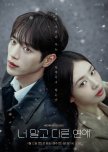

Both A Love Other than Yours and Reobeu Baireoseu (also known as Love Virus) share similar core themes about long-term relationships facing a crisis right before marriage:
• Long-Term Relationship Fatigue: Both K-dramas focus on a couple who have been together for a long time (10 years in A Love Other than Yours; 9 years in Reobeu Baireoseu) as they approach a turning point or marriage.
• Testing the Waters with Others: In both stories, the characters encounter or choose to date new romantic interests/other people to test their feelings, process fading passion, or deal with lingering doubts and attachments.
• Realistic Melodrama & Doubt: Both series examine the emotional burnout, loss of initial spark, and psychological transition from a passionate early romance to a routine-heavy or weary partnership.

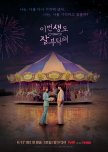
1. Genre Blending (Fantasy & Romance)
Both series are primarily romantic K-dramas infused with fantasy elements. Rather than typical slice-of-life or straightforward high school/corporate romances, both stories inject extraordinary or mystical phenomena right into the core of their romantic pairings.
2. The Theme of Hidden Memories
• Summer Vacation: Follows an ordinary 18-year-old high school student whose holiday takes an unexpected turn after a strange incident leads her into a mysterious story of love and hidden memories.
• See You in My 19th Life: Centers on a woman who retains the memories of all her past lives, navigating how these reincarnation memories affect her quest to reunite with a childhood love from her 18th life.
3. Disruption of Monotonous Routines by Fate
In both dramas, a main character lives a highly restricted or repetitive life before a fateful encounter changes everything:
• In Summer Vacation, the male lead lives a flat, colorless existence strictly dictated by traditional family rules until the female lead arrives.
• In See You in My 19th Life, the male lead is trapped in grief and rigid habits until the female lead deliberately inserts herself into his life using her past-life knowledge.
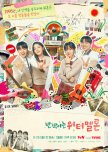
• The Shared Element of Hearing Impairment: Both series uniquely feature a central plot point involving sudden auditory trauma. Eun-gyeol fights to prevent the accident that causes his father's deafness, while Seo-ha navigates partial hearing damage caused by a tragic car crash.
• Supernatural Manipulation of Time: Both shows feature protagonists who transcend natural timelines to reach someone they love. Eun-gyeol time-travels to 1995, while Ban Ji-eum uses her 19th reincarnation cycle to change the future.
• Healing Trauma and Guilt: Both plots focus on rescuing a loved one from profound emotional or physical suffering. Characters struggle heavily with grief, family burdens, and tragic accidents.
• Reconnecting with Younger Versions of Loved Ones: Both leads actively track down people they know from a completely different context. Eun-gyeol befriends his teenage father, and Ji-eum pursues her childhood friend as an adult.

The Heavenly Idol and See You in My 19th Life share key similarities as 2023 fantasy-romance K-dramas that focus on unusual souls adapting to new identities in modern South Korea.
• The Isolated Partner: Both stories center on a modern-day lead who is completely cut off from genuine human connection. In See You in My 19th Life, Moon Seo-ha is locked away in his own grief and PTSD following a childhood tragedy. In The Heavenly Idol, the idol manager Kim Dal is drowning in severe guilt and depression from a past failure in the entertainment industry.
• The Unusual Savior: Into their lives steps a supernatural anomaly, a woman who remembers her 19 past lives (Ban Ji-eum) and a High Priest from another world with actual holy powers (Pontifex Rembrary).
• The Unconditional Safe Haven: The ultimate bond forms because these supernatural leads offer an absolute, unwavering emotional safety net. Ji-eum uses her centuries of wisdom to gently pull Seo-ha out of his traumatic past, while Rembrary uses his pure, untainted divinity to physically and emotionally wash away Kim Dal's psychological distress.
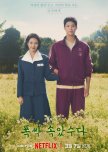
Parallel Themes & Story Elements
• Enduring Love Across Time: Both shows explore a central romance that spans decades or lifetimes. While See You in My 19th Life deals with literal reincarnation, When Life Gives You Tangerines acts as a sweeping romance saga covering over six decades of the main characters' lives from youth to old age.
• Childhood Connections & Destiny: In both narratives, the deep connection forged between the leads during their childhood or youth sets the foundational path for their entire life journey and ultimate fate.
• Highly Emotional and Nostalgic Tones: Both series are celebrated by viewers for being emotional "tear-jerkers" that beautifully capture bittersweet moments, grief, personal growth, and a profound appreciation for life and relationships.
• Shared Cast Members: The late veteran actress Kang Myung-joo delivered memorable performances in both series. She played Cho Yu-seon in See You in My 19th Life on Netflix and portrayed Yoon Bu-yong (Yeong-beom's mother) in When Life Gives You Tangerines on Netflix.
• Streaming Platform: Both K-dramas are high-profile, globally acclaimed Netflix originals that found massive international popularity.
Deep Childhood Connections
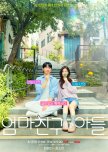
• Past Bonds: Both dramas center on protagonists who share a foundational history during their youth. In Love Next Door, the main leads grew up together in the same neighborhood because their mothers are best friends. In See You in My 19th Life, the female lead originally met and fell for the male lead during her 18th life when they were children.
• Adult Reunions: The emotional drive of both series comes from the characters reconnecting as adults after a long period of separation or dealing with their own respective life paths.
Themes of Healing and "Second Chances"
• Rebooting Life: Both female leads are driven by a need for a fresh start or fulfilling uncompleted business. Love Next Door follows a woman attempting to reboot her life after calling off her wedding and quitting her corporate job. See You in My 19th Life features a protagonist actively using her current reincarnation cycle to reconnect with her childhood love.
• Overcoming Drama & Trauma: The male leads in both stories carry underlying emotional blockades or past vulnerabilities that the female leads help navigate and heal.
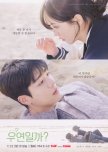
Both shows are based on highly popular Naver Webtoons.
• Serendipity's Embrace is adapted from the webtoon Is It Fate? by Nam Ji-eun and Kim In-ho.
• See You in My 19th Life is adapted from the romance webtoon of the same name by Lee Hey.
Reconnecting with First Love
The primary driving force of both plots is the reunion of childhood or youthful sweethearts after a long separation.
• In Serendipity's Embrace, the main leads unexpectedly cross paths again as adults at age 29, 10 years after their high school days.
• In See You in My 19th Life, the female lead utilizes her reincarnation abilities to deliberately seek out and reconnect with her childhood love from her 18th life.

Proactive, Go-Getter Female Leads
Both shows feature highly intelligent, confident, and independent female protagonists:
• Nam Hong-joo (While You Were Sleeping) is a resilient field reporter who uses her future-seeing dreams to actively change destiny and save lives.
• Ban Ji-eum (See You in My 19th Life) uses the accumulated knowledge and skills of her 18 past lives to strategically orchestrate her career and aggressively pursue her childhood love.
Both dramas utilize the classic K-drama trope where the main leads share a fated childhood bond that is later reconnected in adulthood:
• While You Were Sleeping: The leads are linked by a shared childhood tragedy involving a soldier that altered both of their families' lives.
• See You in My 19th Life: The female lead meets and falls in love with the male lead during her 18th life when they are kids, before her life is cut short by a car accident
1. Supernatural/Fantasy Abilities of the Female Leads
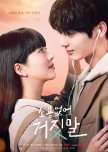
• My Lovely Liar: The female lead, Mok Sol-hee, possesses a supernatural ability to hear and distinguish lies from the truth.
• See You in My 19th Life: The female lead, Ban Ji-eum, has the extraordinary ability to remember all of her past lives spanning nearly a thousand years.
2. Traumatized Male Leads with Dark Pasts
• My Lovely Liar: The male lead, Kim Do-ha, is a brilliant music producer living in hiding because he is haunted by his past as a former murder suspect.
• See You in My 19th Life: The male lead, Mun Seo-ha, suffers from severe trauma and PTSD following a tragic childhood car accident that killed his first love.
3. Mutual Healing Through Romance
• In both dramas, the male leads are emotionally closed-off, isolated, and protective of their secrets.
• The narrative focuses heavily on how the uniquely gifted female lead steps into the male lead's life, builds trust, and helps him heal from his past psychological wounds.
Time, Reincarnation, and Memory-Based Powers
• Supernatural Burdens: Both K-dramas center around main characters with unique, unconventional fantasy abilities that often feel more like a curse than a gift.
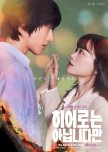
• The Atypical Family: The male lead, Bok Gwi-ju, has the ability to travel back in time, but only to happy memories, and he cannot alter history.
• See You in My 19th Life: The female lead, Ban Ji-eum, has the ability to remember all her past lives spanning nearly a thousand years of history.
• Park So-yi: The most direct connection between both shows is the brilliant child actress Park So-yi. In See You in My 19th Life, she plays the young Ban Ji-eum (the main character as a child). In The Atypical Family, she plays a major role as Bok I-na, the daughter with mind-reading capabilities.

In The Story of Park's Marriage Contract, the female lead travels directly through time from the Joseon era to modern-day Seoul. In See You in My 19th Life, the female lead repeatedly reincarnates while retaining her memories across centuries.
• The "Doppelgänger" Connection: In both series, the female lead encounters a modern-day male lead who is identical to or the direct reincarnation of the loved one she lost in her past/previous life.
• Chaebol Male Leads with Hidden Trauma: The male protagonists in both series are wealthy heirs/CEOs who deal with severe emotional or physical vulnerabilities—such as a critical heart condition in The Story of Park's Marriage Contract or childhood emotional trauma and sensory struggles in See You in My 19th Life.
• Bold and Proactive Female Leads: Both dramas showcase strong-willed, determined female protagonists who confidently take charge of their situations and aggressively pursue their goals (and love interests) in the modern world.
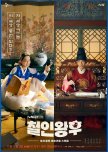
• The "Outsider" Persona in Mr. Queen: She plays a modern, arrogant, womanizing male chef trapped in a historical queen's body. Her performance is loud, highly physical, and relies on comedic dissonance—acting like a modern bro while wearing traditional royal hanbok.
• The "Old Soul" Persona in See You in My 19th Life: She plays Ban Ji-eum, a woman who has lived 19 lives over a thousand years. Here, her acting is quiet, intense, and deeply mature. She captures the exhaustion and wisdom of a millennium-old soul trapped inside a young woman’s body.
• The "Old Soul" Persona in See You in My 19th Life: She plays Ban Ji-eum, a woman who has lived 19 lives over a thousand years. Here, her acting is quiet, intense, and deeply mature. She captures the exhaustion and wisdom of a millennium-old soul trapped inside a young woman’s body.


