
 News




This review may contain spoilers
Redemption with a Smile: Samahan ng mga Makasalanan Delivers Heart and Humour
I’ll admit—walking into Samahan ng mga Makasalanan, I wasn’t expecting much. A satirical comedy with a title like that? I braced myself for slapstick. But to my surprise and delight, what I got was a thoughtfully crafted, warmly delivered tale about grace, change, and the power of second chances—with just the right dash of wit.Directed by Benedict Mique and written in collaboration with Aya Anunciacion, this 2025 Filipino film is set in the fictional town of Sto. Kristo, a place plagued by vice and moral decline. Enter Deacon Sam (David Licauco), a well-meaning young clergyman determined to make a difference. As he forms the “Samahan ng mga Makasalanan” or Sinners' Club, we’re drawn into a world where humour and heart go hand in hand.
What makes this film shine is how earnestly it carries its message: that no one is beyond redemption, and everyone has something good to offer. Through Deacon Sam’s belief in the outcasts of society, the story reminds us that compassion, not condemnation, is what steers true change.
Licauco proves he’s not just another pretty face. His portrayal of Deacon Sam is grounded, empathetic, and deeply human. He holds his own alongside a stellar ensemble that includes the always-excellent Joel Torre as Fr. Danny, Sanya Lopez, Buboy Villar, David Minemoto, and Soliman Cruz—each bringing charm and weight to their roles.
There’s also a powerful moment where Fr. Danny confides in Sam, saying, “We make sacrifices, and we love all instead of one.” That line struck a chord—it’s a poignant reminder of the loneliness, strength, and humanity in the life of clergy.
More than a feel-good flick, Samahan ng mga Makasalanan is a warm-hearted tale that balances satire with soul. It invites laughter while asking us to reflect on our own capacity for change, and the importance of those who believe in us—even when we don’t believe in ourselves.
It’s not perfect, but it’s sincere. And sometimes, sincerity is the most powerful thing a film can offer. I walked out with a smile, and a little more hope in humanity. That’s worth the ticket, don’t you think?
Was this review helpful to you?

This review may contain spoilers
A Confusing Collaboration That Fails to Connect
"Co-Love," directed by Jill Singson Urdaneta, is a 2025 Filipino romantic comedy featuring Alexa Ilacad, KD Estrada, Jameson Blake, and Kira Balinger. The film centres around two content creators navigating their messy romantic entanglements while attempting an unlikely collaboration. With themes of love, friendship, and the complexities of modern relationships, the film holds promise but falls short in execution.From the get-go, the film struggles to establish a clear vision. The editing is haphazard, the lighting inconsistent, and the sound design grating. Ironically, despite the protagonists being content creators, the quality of their "content"—and the film's overall technical aspects—is subpar. Awkward framing, poorly edited sequences, and clunky transitions make the viewing experience visually and aurally jarring.
The plot is equally chaotic. Events unfold without cohesion, with forced scenarios and shallow storytelling that lack emotional weight. The characters repeatedly deliver quotable lines, but without meaningful scenes to support them, the dialogue feels hollow. Attempts to tackle social media addiction and self-discovery are muddled, failing to deliver any profound commentary.
The saving grace of "Co-Love" lies in its cast. Alexa Ilacad shines with her effortless comedic timing and emotional depth, balancing humour and drama with finesse. KD Estrada brings intensity to his role, and his musical performance (the song "Di Ko Pinili") is a standout moment. Kira Balinger's over-the-top antics add a layer of charm, and Jameson Blake's understated portrayal quietly resonates. Despite their efforts, even this talented ensemble cannot salvage the film from its messy script and direction.
"Co-Love" teeters on the edge of satire, almost parodying itself with its exaggerated portrayal of influencer culture. While the concept of juxtaposing social media's frivolity with deeper emotional narratives holds potential, the execution here is far too disjointed. The movie ultimately feels like a missed opportunity—what could have been a bold, refreshing take on modern relationships instead devolves into a forgettable and frustrating watch.
The film's attempts to pander to Gen Z audiences with trendy tropes and superficial romantic beats feel patronising rather than engaging. It’s disappointing to see promising actors saddled with such lacklustre material, leaving viewers longing for a more thoughtful and cohesive story.
In the end, "Co-Love" isn’t a collaboration; it’s a chaotic clash of ideas that fail to connect—both with its audience and within itself.
Was this review helpful to you?
This review may contain spoilers
Mananambal: A Haunting Dive into Filipino Folklore with Nora Aunor at Her Best
Adolfo Alix Jr.’s Mananambal is a gripping exploration of Philippine mysticism wrapped in an eerie horror-thriller package. Set on the enigmatic island of Siquijor, the film follows a group of vloggers on a reckless hunt for viral content. Their target? Lucia (the legendary Nora Aunor), a traditional folk healer, or mananambal, who quickly proves to be far more than they bargained for. What starts as a sensationalist stunt soon spirals into a terrifying reckoning, as the island’s supernatural forces demand their due.The mananambal tradition, rooted in Visayan folklore, represents the dual nature of healing and harm, bridging the physical and spiritual worlds. This duality plays out brilliantly in Aunor’s portrayal of Lucia, a woman whose silence is more chilling than any spoken curse. With her face deglamorized and her signature expressive eyes doing all the talking, Aunor once again proves why she is a National Artist for Film. Her presence alone is reason enough to watch Mananambal—she doesn’t need words to convey power, sorrow, or menace.
Bianca Umali delivers a compelling performance as Alma, Lucia’s daughter, whose inner conflict provides the emotional core of the story. Yearning to escape the constraints of her mother’s mystical legacy, Alma’s arc is both tragic and enthralling. Her chemistry with Aunor is electric, particularly in the film’s latter half, where familial duty collides with personal ambition in unexpected ways.
On the other side of the spectrum, the city-slicker vloggers—played by Edgar Allan Guzman, Jeric Gonzales, Kelvin Miranda, and Martin Escudero—embody the recklessness of modern social media culture. Their arrogance and disregard for sacred traditions set the stage for a supernatural backlash. Miranda, in particular, shines as Liam, the reluctant outsider within the group, providing a grounded contrast to his more hedonistic companions.
Alix’s direction ensures that Mananambal never meanders, balancing horror with cultural introspection. While the story treads familiar revenge-horror territory, the execution is precise and atmospheric. The cinematography takes full advantage of Siquijor’s haunting beauty—dense forests, cascading waterfalls, and shadowy caves serve as both picturesque backdrops and ominous warnings.
That said, the film could have leaned even further into the emotional conflict between Lucia and Alma. There were moments hinting at a deeper confrontation between the power of healing and the temptation of vengeance, but the narrative opts for a broader supernatural horror climax instead. Nevertheless, the final act delivers a shocking gut punch, an elegant tragedy befitting its themes of fate and consequence.
Mananambal is a must-watch, not just for fans of horror, but for those interested in the rich tapestry of Filipino folklore. Alix crafts a film that is both thrilling and thought-provoking, offering chills and cultural resonance in equal measure. And, of course, there’s the inimitable Nora Aunor—whose eyes alone could haunt audiences long after the credits roll.
Was this review helpful to you?

A Fresh but Flawed Take on a Filipino Folk Hero
Jason Paul Laxamana’s Penduko reimagines the classic Liwayway character for a modern audience, blending folklore with a contemporary supernatural underworld. Released as part of the 2023 Metro Manila Film Festival, the film follows Pedro Penduko (Matteo Guidicelli), the son of a powerful faith healer, who rejects his heritage in pursuit of a more materialistic life. Drawn into an organisation called Hatinggabi, he uses his mystical gifts for profit but soon faces a deeper struggle—one that forces him to question his identity and destiny.One of the film’s biggest strengths lies in its adaptation of Filipino mystical traditions. The portrayal of albularyos, manggagaway, mananambal, and hukluban feels both authentic and visually compelling. The astral-plane battles, where healers combat hexes, offer a creative and culturally rich take on supernatural combat—refreshingly distinct from the usual Western fantasy influences. Additionally, the film avoids the tired “good vs. evil” trope, opting instead for a morally complex protagonist. Pedro isn’t a noble hero—he resents his father’s legacy and is even willing to resort to violence to achieve his goals. The film also resists turning his relationship with Liway (Kylie Verzosa) into an overplayed romantic subplot, which is a welcome departure from predictable storytelling.
However, the film struggles with thematic cohesion. Pedro is told he fails as a healer because his intent is to harm rather than to heal, yet there’s no clear moment of transformation. By the film’s end, he’s still resorting to brute force, making his supposed character growth feel unearned. The narrative builds toward an epiphany that never quite materialises, leaving the resolution feeling hollow. This may be setting up a sequel, but as a standalone story, it’s frustratingly incomplete.
Matteo Guidicelli brings physicality to the role, but his accent can be distracting, and the writing doesn’t help—Pedro’s character arc feels inconsistent, making it difficult to fully invest in his journey. Some dialogue is clunky, and a few performances border on cringeworthy, but the film still delivers enough charm to make it an entertaining watch. The villain is given a motive beyond sheer malice, which adds depth, but his "superpowers" could have been explored more effectively.
Visually, the film has its moments, but some CGI effects feel outdated, reminiscent of '90s fantasy films. That said, Penduko succeeds in world-building and injecting layers of social commentary, particularly on land grabbing and greed. Despite its flaws, it’s a step in the right direction for Filipino superhero films, and with some refinements, a sequel could truly elevate the franchise.
Would I watch a Penduko Part 2? Absolutely—but with the hope that it leans further into its strengths and tightens up its storytelling.
Was this review helpful to you?

This review may contain spoilers
Love, Language, and Lingering Looks
"See Your Love" is a Taiwanese romantic drama that thoughtfully balances lighthearted charm with moments of emotional depth, offering a unique love story that highlights the importance of communication—both spoken and unspoken.At its core, the series follows Yang Ji Xiang, a wealthy heir sent to Taiwan for business, and Jiang Xiao Peng, a hearing-impaired caretaker who unexpectedly becomes his lifeline. What starts as an uneasy partnership evolves into a tender romance, enriched by a narrative that delves into trauma, healing, and the complexity of human connections.
The Strength of the Leads
The standout feature of this series is undoubtedly the chemistry between Raiden Lin (Yang Ji Xiang) and Jin Yun (Jiang Xiao Peng). Jin Yun’s portrayal of a hearing-impaired character is so authentic that it’s easy to believe he shares his character’s condition. Lin complements him brilliantly, and their on-screen connection is palpable. Their journey from strangers to lovers feels organic, with each actor bringing layers of vulnerability and strength to their roles.
Supporting Cast and Subplots
The supporting cast adds texture, particularly Lin Chia Yo’s Cheng Feng Jie ("Jonathan"), whose witty banter and camaraderie with Ji Xiang provide much-needed levity. The secondary couple, while charming, doesn’t get enough screen time to fully develop, leaving their story feeling rushed and under-explored.
Themes and Representation
One of the series' greatest strengths is its representation of the deaf community, a rarity in mainstream media. Xiao Peng is not a helpless stereotype but a resilient and multi-dimensional character. The drama also touches on subtle biases faced by people with disabilities, though these themes sometimes feel under-utilised, serving more as a backdrop than a fully fleshed-out commentary.
Where It Falls Short
The pacing is uneven, with a playful, almost silly tone in the earlier episodes clashing with the heavier drama later on. The finale, in particular, feels rushed, with unresolved conflicts and a somewhat implausible resolution. Subplots involving assassins and business rivalries feel tacked on, detracting from the more compelling personal struggles of the leads.
Additionally, the frequent reliance on near-kisses, prolonged stares, and melodramatic flashbacks sometimes borders on cliché, while side characters like the fiancée and Xiao Peng’s parents remain one-dimensional.
The Heart of the Story
Despite its flaws, See Your Love thrives on its emotional resonance. The love story is heartfelt, and the leads' efforts to overcome their personal traumas and find solace in one another are genuinely moving. The series shines in its quieter moments, where small gestures and sign language convey more than words ever could.
Final Thoughts
If there’s one thing I would tweak about See Your Love, it would be giving Shao Peng a chance to showcase his Taekwondo skills in the final episode. It would have been a fantastic way to surprise Jonathan’s men and emphasize that Shao Peng is far from an ordinary person with a disability. A quick, action-packed moment could have highlighted his resilience and strength, adding an extra layer to his character and giving the finale a bit more punch—literally! It’s a small touch, but one that could have made an already memorable story even more impactful.
See Your Love is a heartwarming, if imperfect, drama. Its strengths lie in its leads’ chemistry, its meaningful representation, and its willingness to explore themes of connection and resilience. While the pacing and subplots could use refinement, the series offers plenty of laughter, tears, and feel-good moments to satisfy BL and drama enthusiasts alike.
It’s not groundbreaking, but it’s a solid, enjoyable watch—particularly if you binge it. If you’re looking for a love story with depth, heart, and a touch of quirkiness, this one’s worth a go.
Was this review helpful to you?

This review may contain spoilers
School Days and Second Chances: My Take on My Teacher
My Teacher (2022), directed by Paul Soriano, stars Toni Gonzaga as Emma Bonifacio, a teacher navigating her way back to the profession after a wrongful dismissal, and Joey de Leon as Solomon Bienes, a 70-year-old student chasing his long-overdue high school diploma. This film, which premiered as part of the 2022 Metro Manila Film Festival, has found a second life streaming for free on GMA Pictures' official YouTube channel. And let me tell you, it’s a mixed bag, but one worth unpacking.Like many, I initially passed on this movie, thinking it wouldn’t be worth my time. However, after giving it a chance, I can say this: it’s not as bad as the critics suggest, though it doesn’t quite rise to the occasion either. The story has its heart in the right place, with themes of forgiveness, second chances, and unexpected connections that manage to resonate, albeit in a somewhat surface-level way.
Toni Gonzaga shines as Emma, portraying the dedication and sacrifices of educators with genuine warmth. Her journey from a teacher with unconventional methods to someone deeply inspired by her own student is the emotional core of the film. Joey de Leon as Solomon adds charm, offering a unique perspective on lifelong learning and the idea that education doesn’t have an expiration date.
The film’s strongest moments come when it highlights the humanity of teachers—both their nobility and their flaws. It reminds us that teachers are not just authority figures but also individuals navigating their own struggles. However, it misses opportunities to dive deeper into pressing issues, such as systemic problems in education or the deeper motivations behind Solomon’s late pursuit of his studies. These themes, while touched on, remain frustratingly underexplored.
My Teacher is a feel-good tribute to educators, painting a nostalgic picture of school life while delivering its share of emotional moments. Yet, it often falters when trying to be profound. Some scenes feel forced, overly philosophical, or simply unnecessary, which detracts from the film's overall impact. It’s pleasant enough, but it lacks the depth to leave a lasting impression.
On the positive side, the film’s message of hope and perseverance does hit home, especially for students and teachers alike. It’s a gentle reminder that learning is a lifelong process and that education is a powerful tool for change. The ending ties things up neatly, offering a satisfying resolution to Emma and Solomon’s intertwined journeys.
While My Teacher doesn’t reinvent the wheel, it does offer a heartfelt tribute to teachers and the lessons they impart—both in and out of the classroom. It’s not groundbreaking cinema, but it’s a decent watch if you’re in the mood for something light and inspirational. Will I rewatch it? Probably not. But for a one-time viewing, it’s a charming, albeit imperfect, slice of life.
And yes, learning truly doesn’t stop, no matter your age. That’s a lesson worth carrying.
Was this review helpful to you?
This review may contain spoilers
A High-Potential Fantasy Romance Undermined by Format and Execution
“The Director Who Buys Me Dinner” delivers an intriguing premise: a young employee, Dongbaek, finds himself entangled in a centuries-old curse with his enigmatic CEO, Min Yu Dam. Adapted from the webtoon by Toesa and illustrated by Yang Eun Ji, the series had all the ingredients for a standout South Korean BL drama—fantasy, romance, and mystery. Unfortunately, it falls short of its potential due to its constrained format and underdeveloped storytelling.The short episode runtime—a staple of Korean BL dramas—proved to be a significant disadvantage here. With only 10 episodes, each averaging 16 minutes (minus credits and recaps), the series simply didn’t have enough time to delve deeply into its characters or unravel its fantasy elements. The result is a story that feels rushed and undercooked, leaving viewers with more questions than answers.
The fantasy premise is ambitious and unique, hinting at a love story spanning centuries. However, key elements of the curse remain unexplored: How did the curse originate? Why is it a curse at all? What happened during the centuries between the first Dongbaek and the present one? The lack of explanations makes the narrative feel incomplete and frustrating.
Character development also suffers. Dongbaek, the protagonist, often feels like a passive participant in his own story, reacting rather than engaging. Min Yu Dam, despite his tragic backstory, lacks the emotional depth and desperation one might expect from someone burdened with immortality. Denis, introduced as a potential wildcard, ends up feeling like a plot device with unclear motivations.
The series’ title suggests a recurring motif of dinners between Dongbaek and Yu Dam, but this stops after the first couple of episodes, which feels like a missed opportunity to build their relationship. Similarly, the chemistry between the leads is inconsistent, with their romantic moments often feeling restrained and lacking the passion needed to sell their connection.
That said, there are bright spots. The cinematography is polished, with several well-composed shots that enhance the story’s atmosphere. The music complements key moments, although it occasionally compensates for the lack of emotional resonance in the performances. The ending, while divisive, stands out as one of the show’s better-executed elements, offering a bittersweet conclusion that feels thematically fitting.
Ultimately, The Director Who Buys Me Dinner is a classic case of a great concept let down by its execution. The short format robbed the story of its depth, leaving viewers with unresolved questions and untapped potential. While the production team’s effort is evident, the series needed more time and resources to fully explore its ambitious narrative.
For fans of BL dramas, it’s worth a watch for the unique premise and some enjoyable moments. However, it serves as a reminder that certain stories require more room to breathe, and perhaps this one deserved a format that could do its fantasy romance justice.
Was this review helpful to you?

This review may contain spoilers
A Rockin' Ride into the Blue Room
In Blue Room, Rebel Rebel—a progressive rock band of privileged teens—faces a tough choice when they’re arrested for drug possession and taken to the “Blue Room.” Directed by Ma-an Asuncion-Dagnalan, the film features an impressive cast, including Elijah Canlas, juan Karlos, Harvey Bautista, Nourijune, Keoni Jin, and Soliman Cruz.This movie is a masterclass in filmmaking, with Asuncion-Dagnalan delivering sharp direction, a tight screenplay, and standout performances. It’s a powerful, thought-provoking dive into the consequences of our actions, with moments that are equal parts disturbing and deeply uncomfortable.
Going into the film, I had certain expectations based purely on the poster—no trailer for context—but the story turned out to be something entirely different and surprising. The opening act delves into the band’s dynamics and privileged lives, painting a picture of a group on the brink of something big. However, about 20 minutes in, a police checkpoint encounter flips the narrative on its head. The first act’s privilege-heavy tone gives way to a gripping exploration of corruption, as everything the band stood for is tested.
The second and third acts are where the movie truly shines. The tension is palpable, with the claustrophobic atmosphere, stirring performances, and a haunting score coming together to create an unforgettable experience. Elijah Canlas and Soliman Cruz deliver as expected, but Harvey Bautista and Nourijune are real standouts, leaving a strong impression.
The film doesn’t shy away from confronting police corruption, portraying it with unsettling honesty. From fabricated charges to blatant abuse of power, the injustices are laid bare. One particular moment, where Soliman Cruz’s character hides suspects in a secret room, had me cringing at the audacity of the lies and cruelty depicted. While it’s not a blanket condemnation of law enforcement, the story feels all too real, offering a chilling reflection of societal issues.
Everything in Blue Room feels meticulously crafted, from the tight pacing to the emotional weight of the performances and music. It’s an exquisite blend of storytelling and social commentary, delivering a thrilling and thought-provoking cinematic experience.
Was this review helpful to you?

This review may contain spoilers
A Rush Job with Potential
Bump Up Business is a short South Korean BL series adapted from a webtoon by RK Studio, airing on iQIYI. With 8 episodes of around 15 minutes each, it offers a unique glimpse into the K-Pop world, mixing fanservice with the realities of the industry. The plot revolves around Eden, a rookie idol about to debut, and Jihoon, an older celebrity in the same agency. As a pair, they’re marketed as a "business gay performance" couple—a premise meant to boost their popularity, but one that quickly blurs the lines between reality and performance as they grow closer.The first thing that struck me was the series’ K-Pop setting, which I found refreshing, though I’m not the biggest fan of the genre. Music lovers will appreciate the soundtrack, but the drama itself struggled to fit its 40-chapter webtoon source into a limited runtime. This was perhaps its biggest weakness. The pacing felt rushed, with too many subplots crammed into too little time, leaving key relationships—especially between the leads—underdeveloped. By episodes 7 and 8, I found myself checking the clock, sensing the show’s desperate race to wrap things up.
Despite these pacing issues, the actors—many of whom are idols in real life—delivered charming performances. Nine, in particular, reminded me of a young Seo Kang Joon, managing to be both endearing and amateurish. There were moments where I almost connected deeply with the characters, but the story didn’t give me enough time to truly care.
What stands out in Bump Up Business is its subtle critique of the K-Pop industry. The show highlights the performative nature of fanservice, a reality that most K-Pop fans are aware of but perhaps don’t always acknowledge. The tension between pretending to be gay for fame while not being accepted as truly queer is poignant, especially in a conservative society like South Korea’s. The series flirts with these deeper themes, but never fully explores them, leaving us wanting more.
The ensemble cast, featuring members of OnlyOneOf, was solid overall, though some, like Rie and Junji, didn’t get much screen time. KB, who played the antagonist, was particularly memorable—so much so that I found myself genuinely disliking his character, a testament to his acting.
The show, while not groundbreaking, has its moments of entertainment. There’s light-heartedness in the way the leads banter and tease each other, and the music, composed by the idols themselves, is a highlight. Still, the absence of a proper kiss scene, for instance, left me feeling a bit cheated—especially when it seemed like the series was building up to one.
In short, Bump Up Business is a decent watch. It’s not perfect by any means—the rushed pacing, underdeveloped plotlines, and missed opportunities hold it back—but it does offer a fun and interesting take on K-Pop and BL. If you’re into K-Pop or BL dramas, it’s worth checking out, if only to see how the genre is evolving in South Korea.
Was this review helpful to you?

This review may contain spoilers
A Breeze of Love: A Refreshing and Intimate BL
"A Breeze of Love" is a charming South Korean BL series that aired in late 2023, featuring 8 episodes, each about 18 minutes long. Directed by and starring Shin Jeeong You as Ban Dong Wook, alongside Woo Ji Han as Lee Do Hyun, the story is adapted from the webtoon "Weather Forecast Love." The plot revolves around Do Hyun, the captain of a basketball team, who reunites with his first love, Dong Wook, after years apart. Their reunion is sparked by Dong Wook filling in for an injured teammate, and it doesn’t take long for old feelings to resurface.The series kicks off with a fairly straightforward premise, keeping things simple but effective, given its short runtime. The pacing is spot-on, focusing mostly on the main leads and giving them ample time to develop their story. Despite the limited episodes, the narrative flows smoothly, never feeling rushed, and maintains a good balance between the romantic tension and lighthearted moments.
One of the standout aspects of this show is its lovely cinematography—typical of K-drama productions—with soft lighting and close-up shots that really capture the intimacy between the characters. The chemistry between the leads is undeniable, though it leans a bit more into the angsty side, especially with the recurring theme of Dong Wook relying on Do Hyun as his “sleeping pill.” It’s a bit melodramatic at times, with scenes of rain-drenched confessions and sports sequences, but it works well within the genre.
I have to give a nod to the attractive cast—Shin Jeeong You and Woo Ji Han are both incredibly charismatic, and their performances help carry the emotional weight of the story. It’s refreshing to see more K-pop idols like them venturing into the BL genre, and hopefully, it's not just a trend. Woo Ji Han, in particular, shines with his charm, making it easy to root for his character. The side characters, while not overexposed, add a nice touch to the story, and I was pleased to see Seung Joo get his happy ending. It’s also great that the finale gave us a whole episode to enjoy the leads as a couple, which is something a lot of BL dramas tend to rush through.
From the very first episode, the series pulls you in with its beautifully shot scenes and solid performances. The close-ups, lighting, and overall direction are quintessential K-romance, and the chemistry between the leads is palpable. The show’s quiet moments are where it really shines, with lingering glances and subtle touches that speak volumes without the need for heavy dialogue. It’s these delicate moments that build the tension and keep you invested in their journey.
For anyone who enjoys a short but sweet series with a blend of yearning, angst, and soft romance, "A Breeze of Love" is definitely worth a watch. It’s a lovely escape with aesthetically pleasing cinematography and a story that, while simple, tugs at your heartstrings in all the right ways. If you’re into BL dramas that focus on character-driven stories with emotional depth, this one’s a solid choice.
Was this review helpful to you?
Downright Depressing
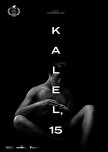
"Kalel, 15" - A Thought-Provoking Journey into the Depths of Youth and Stigma
At just fifteen years old, Kalel finds himself grappling with a reality that most teenagers never have to face. As the son of a priest and HIV positive, he navigates life amidst a sea of tensions, secrets, and societal stigmas. "Kalel, 15" is a poignant exploration of the multifaceted issues surrounding HIV, Filipino youth, dysfunctional families, and the complexities of Christian morality.
From the outset, the film captivates with its brilliant storytelling, acting, and cinematography. Within the first five minutes, viewers are drawn into Kalel's world, which feels refreshingly unique and authentic. The decision to film in stark black and white adds a layer of grittiness and darkness that perfectly complements the film's themes.
Yet, amidst the film's visual and narrative prowess lies a stark truth: the lack of dialogue surrounding HIV in the Philippines. Kalel's journey serves as a sobering reminder of the consequences of societal silence and stigma. In a Catholic nation where discussions about sex are often taboo, HIV is treated as a dirty secret rather than the urgent epidemic it truly is. The film unapologetically exposes the hypocrisy and shortcomings of a society unwilling to confront uncomfortable truths.
The cinematography further underscores Kalel's isolation and despair. As the film progresses, the frame gradually shrinks, symbolizing the suffocating pressure and confinement of his circumstances. Despite his attempts to find hope in a world devoid of color, Kalel is continuously let down by those around him.
However, amidst the film's palpable anger lies a deeper sense of insight and urgency. "Kalel, 15" channels its rage into a powerful examination of societal neglect and the dire consequences it inflicts upon vulnerable individuals like Kalel. Through his experiences, the film forces viewers to confront uncomfortable truths about sex, stigma, and the failure of empathy.
In its entirety, "Kalel, 15" is a mind-blowing and thought-provoking cinematic experience. It serves as a stark reminder of the importance of open dialogue, empathy, and action in addressing issues like HIV and youth sexuality. This film is not just important; it is essential viewing for anyone seeking to understand the complexities of stigma and the resilience of the human spirit.
Was this review helpful to you?

This review may contain spoilers
So much better than Enchante
this is so much better that Enchantethe plot is more realized and the acting a lot better
the pacing is good too however, there plenty of loose ends
most subplots were not resolved
feels like the wristers just lost control along the way and ran out of ideas or had limited time to flesh out everything and put it together in 12 episodes
-They could have shown more of Jack's depression how it affected him and how it affects the job
-What is Time so angry about?
-Tian's mom is complicit with her her abuse by her own step-father, to the point of suicide and only said sorry about it and hugged it out
- Thup knew the truth all along, then why is he rude to Cher the entire time? Why is he so mad and just communicates when he needs money?
- the supporting characters were really entertaining but they were not doing anything in the last 4 episodes
- the whole side-plot of the gossiping employees went nowhere
Was this review helpful to you?

This review may contain spoilers
We are the WU
Ever since GMMTV unveiled the pilot trailer for WU nearly two years ago, this was one of my most anticipated projects. Sky Wongravee and Nani Hirunkit had already proven their remarkable on-screen chemistry in High School Frenemy, so the prospect of seeing them reunite in a completely different genre was exciting. When the official trailer arrived, it became clear that this wasn't simply another follow-up project built around a popular pairing—it was aiming to be one of GMMTV's most ambitious productions to date. After watching the series, I can confidently say those ambitions were fully realised.WU is a striking blend of fantasy, supernatural horror, mystery, action and emotional drama, but what makes it truly special is how naturally these genres coexist. Rather than relying on spectacle alone, the series grounds its supernatural mythology in deeply human stories about grief, loneliness, sacrifice, destiny and the relationships that shape who we become. It explores ideas of fate and free will through emotionally compelling characters instead of treating mythology as nothing more than visual decoration.
As someone who has always enjoyed stories centred around magic, folklore, shamans and supernatural worlds, WU immediately appealed to me. However, what impressed me most wasn't simply the fantasy itself—it was the confidence with which the series built its mythology. Drawing heavily from Chinese folklore while seamlessly incorporating Thai storytelling, WU creates a world that feels rich, coherent and culturally authentic. The natural alternation between Thai and Mandarin dialogue adds another layer of immersion, reinforcing that the mythology extends beyond aesthetics into the very fabric of the narrative.
The first episode wastes no time establishing its emotional core. Pete's frustration with a life filled with relentless misfortune resonated with me almost instantly. His quiet reflection about working hard, trying to be kind and still feeling as though life continues to deal him losing cards is painfully relatable. It's an emotionally honest introduction that transforms Pete from a fantasy protagonist into someone profoundly human. That single scene immediately invested me in his journey because it captures a feeling many people have experienced but rarely see portrayed so sincerely.
Sky and Nani once again demonstrate why they are among GMMTV's strongest performers. Their chemistry is extraordinary—not because the series forces dramatic romantic tension, but because it allows trust, vulnerability and emotional dependence to develop gradually. Their relationship evolves naturally as the story progresses, becoming the emotional backbone of the entire series.
Nani delivers one of the strongest performances of his career. Pete constantly balances emotional vulnerability with quiet resilience, and Nani communicates those contradictions beautifully. His performance is remarkably expressive even during moments of silence. Small facial movements, subtle eye expressions and restrained body language communicate just as much as dialogue, making Pete's emotional struggles feel authentic rather than melodramatic.
Sky surprised me even more. I initially expected Niran to be the lighter, more playful character based on the promotional material, but Sky instead portrays him with quiet restraint, melancholy and emotional exhaustion. Beneath Niran's calm exterior lies someone carrying enormous emotional burdens, and Sky allows those layers to emerge gradually without ever overplaying them. Watching his emotional walls slowly break down became one of the most rewarding aspects of the series.
The supporting cast deserves equal recognition. Every character contributes meaningfully to the world rather than existing simply to support the leads. P'Godji brings warmth and emotional stability as Fei, Great convincingly portrays Tong's internal conflict and uncertainty, while Palang delivers an entertaining yet surprisingly nuanced performance as the jaded Jia Hao. Krist Perawat's transformation into the antagonist Li Pou was perhaps the biggest surprise. Having rarely seen him play such a sinister role, his performance demonstrates impressive range and establishes Li Pou as a genuinely intimidating villain. Guest appearances from Sea Tawinan and Phuwin also integrate naturally into the story without feeling like fan-service.
Technically, WU is among GMMTV's most accomplished productions. The cinematography consistently enhances the atmosphere, while thoughtful colour grading reinforces the darker supernatural tone without becoming visually overwhelming. The production design deserves particular praise. From costumes and props to filming locations and set decoration, every detail contributes to making this hidden supernatural world feel tangible and believable.
The visual effects are equally impressive. Thai fantasy productions have often struggled with CGI limitations, but WU demonstrates significant progress. The effects complement the storytelling instead of distracting from it, creating action sequences that feel cinematic while maintaining emotional stakes.
Equally important is the pacing. Every episode remains focused, avoiding unnecessary filler and ensuring that each scene either develops character relationships or expands the mythology. Even early in the series, the supernatural lore surrounding the Wu and the Yao feels compelling enough to keep viewers constantly wanting answers without becoming unnecessarily convoluted.
Perhaps what impressed me most is how much care is evident throughout the entire production. This is exactly how a highly anticipated reunion project should be handled. Rather than relying on the popularity of its lead actors, the creative team invested in strong writing, thoughtful direction, meticulous production design and meaningful character development. Every department clearly understood that audiences deserved more than fan service—they deserved an excellent story.
Although WU is officially presented as a bromance, Sky and Nani's chemistry is so compelling that their emotional connection rivals many romantic pairings. Their relationship never feels manufactured because it is built upon mutual trust, shared trauma and emotional vulnerability. Whether viewers interpret their bond as friendship or something deeper, it remains one of the strongest character dynamics GMMTV has produced.
No series is completely flawless, and WU has a few minor imperfections. However, none of them meaningfully diminished my enjoyment because the strengths consistently outweigh the weaknesses. The series balances humour, action, horror, emotion and philosophical themes with remarkable confidence, creating an experience that remains engaging from beginning to end.
Some series entertain you. Others impress you technically. Very few genuinely stay with you after the credits roll.
WU belongs firmly in that final category.
It made me laugh, broke my heart, kept me invested in its mysteries and left me emotionally attached to nearly every major character. The emotional arcs feel earned, the mythology remains fascinating throughout, and the performances elevate an already exceptional script. It also rewards repeat viewings, with subtle foreshadowing and character moments becoming even more meaningful once the larger narrative comes into focus.
For me, WU represents not only the finest work Sky and Nani have delivered together, but also one of GMMTV's most mature, ambitious and artistically confident productions. It demonstrates that commercial popularity and thoughtful storytelling do not have to exist separately—they can strengthen one another when handled with genuine care.
If you appreciate supernatural fantasy, emotionally driven storytelling, rich mythology, exceptional performances and production values that consistently exceed expectations, WU deserves a place at the very top of your watchlist.
Quite simply, it isn't just one of the best Thai series I've watched.
It's one of the best fantasy dramas GMMTV has ever produced.
Was this review helpful to you?

This review may contain spoilers
soft paws, sharp feels
Cat for Cash is one of those rare dramas that quietly pulls you in and then absolutely devastates you—in the gentlest, most unexpected way.At first glance, it plays like a quirky, feel-good BL rom-com: Lynx, an interpreter who resents his late mother and hates cats, is forced to take over her debt-ridden cat café. To clear the debt, he ends up working with Tiger—a kind-hearted (and very handsome) debt collector who loves cats and can somehow understand their meows. It’s an odd, almost whimsical premise, but the series handles it with surprising sincerity and emotional depth.
The moment I saw the pilot of this series, I knew I was going to watch it for two reasons. First, I’m a cat dad, so my love for cats alone was more than enough to pull me in. Second, FirstKhaotung are the leads—and if only for their acting skills, I was already sold.
What starts as an enemies-to-lovers setup gradually unfolds into a deeply personal story about grief, abandonment, and reconciliation.
The emotional turning point comes early with the death of Lynx’s mother, Je Meow. Her passing doesn’t just set the plot in motion—it defines it. Lynx’s grief is messy, layered with resentment and unresolved pain. He isn’t just mourning her death; he’s mourning a relationship that never felt whole.
As the series progresses, the café becomes more than just a setting—it becomes a space of healing. The cats, each with distinct personalities, act as emotional bridges between Lynx and the memories he’s been trying to avoid.
One of the most devastating arcs involves Grandma Juju, Lynx’s first adopted cat. In a heartbreaking moment, Lynx finally gains the ability to understand cats—just in time to hear Juju thank him and say goodbye before passing away. That scene hit me on a very personal level. It reminded me of my own cat, who passed away in February, and I genuinely wasn’t prepared for how much that moment would affect me. It’s quiet, restrained, and deeply emotional—no over-the-top dramatics, just raw, honest pain.
Equally powerful is Lynx’s reconciliation with his mother. Through memories, conversations, and the lives she left behind, he begins to understand her love in a way he never could before. It’s not a clean resolution—but it’s honest, and that’s what makes it land.
At the heart of the series is the relationship between Lynx and Tiger.
Unlike many BLs that rely on external conflict or drawn-out misunderstandings, their connection develops organically—through silence, shared routines, and small acts of care. It’s a slow burn that prioritises emotional intimacy over physical expression.
Tiger stands out as a refreshing male lead. Despite being a debt collector, he’s gentle, emotionally intuitive, and deeply compassionate—especially when it comes to Lynx and the cats. There’s also a subtle but powerful layer to his character: his love for cats despite being allergic to them. It becomes a metaphor for loving something fully, even when you can’t hold it close.
Lynx, on the other hand, carries the emotional weight of the story. His journey—from guarded, resentful, and emotionally distant to someone capable of accepting love—is the strongest arc in the series.
That said, the romance may feel understated for some viewers. The series leans heavily into emotional connection, with minimal physical affection. It’s a deliberate choice—artistic and refreshing—but it does leave the relationship sitting in a slightly ambiguous space at times.
The series is anchored by the chemistry and restraint of its leads: First Kanaphan as Tiger delivers a soft, grounded performance filled with warmth and quiet sincerity. Khaoutung Thanawat as Lynx offers a more subdued, internalised portrayal—proving his range with a performance that relies on silence as much as dialogue. Satang Kittiphop as Leo adds tension and emotional contrast. Fresh Arisara as Je Meow leaves a lasting impression—her presence is comforting, even in absence. Even the names of the characters are feline and I love it.
Directed by Kornphom Niyomsilp, the series takes a more intimate, character-driven approach. It avoids flashy storytelling in favour of quiet, reflective moments.
The screenplay by Pongsate Lucksameepong and Nichapat Buranadilok is one of its strongest elements. The pacing is deliberately slow, allowing characters to breathe and relationships to develop naturally. Instead of forcing drama, it builds emotional investment through routine, silence, and subtle gestures.
Visually, the series leans into warm tones, soft lighting, and intimate framing. The cat café feels like a sanctuary—filled with memory, affection, and unresolved pain. The cinematography often feels like watching memories unfold rather than scenes.
The soundtrack deserves special mention. It’s subtle but incredibly effective—knowing exactly when to hold back and when to amplify emotion. Even the opening credits, featuring the cats in playful montages, set the tone beautifully.
At its core, Cat for Cash explores: Grief and unresolved family trauma, forgiveness and reconciliation, found family and love in its quietest, most patient form. It also uses cats as a central metaphor—representing independence, distance, and silent affection. The relationship between Lynx and Tiger mirrors this beautifully: one distant and guarded, the other open and quietly persistent.
In a genre often driven by high drama and big twists, Cat for Cash chooses a softer path. It’s smaller in scale, slower in pace, and far more intimate in execution.
It won’t be for everyone—especially if you’re expecting a more conventional BL with clear romantic milestones. But if you’re open to something quieter, more reflective, and deeply emotional, this series delivers.
It doesn’t scream for attention. It doesn’t force its impact.
It simply stays with you.
I laughed, I cried… and then I cried again. And for a story this gentle to leave that kind of mark—that’s something special.
Was this review helpful to you?

This review may contain spoilers
When Art, Love, and Ambition Burn Too Close
Burnout Syndrome isn’t your typical Thai BL—and that’s exactly why it hits so hard. This 10-episode GMMTV series (Nov 26, 2025–Feb 4, 2026) is a raw, character-driven drama about emotional exhaustion, creativity, power, and desire, set against a sleek but suffocating modern urban backdrop.After Not Me, I’d been waiting for Off Jumpol and Gun Atthaphan to return to something this emotionally dense—and Burnout Syndrome absolutely delivers. The mock trailer sparked excitement, the official trailer raised expectations, and the addition of Dew Jirawat into a volatile love triangle made it impossible to ignore.
Directed by Anucha “Nuchy” Boonyawatana (Not Me) and written by JittiRain and Ben Sethinun Jariyavilaskul, the series follows Jira (Gun Atthaphan), a gifted artist reeling from burnout after losing his job. Numb and creatively blocked, he drifts into a quiet bar where he meets Pheem (Dew Jirawat), a seemingly gentle, grounded IT specialist who offers comfort and emotional safety. Then enters Koh (Off Jumpol), a brilliant but reclusive tech entrepreneur who hires Jira as the public face of his company—pulling him into a messy collision of work, power, attraction, and compromise.
What unfolds isn’t a simple love triangle, but a slow, painful study of flawed people making selfish, human choices. Koh appears cold and calculating, yet hides a fragile, needy core. Pheem presents as soft and caring, but harbours manipulation, jealousy, and rage beneath the surface. Jira may look innocent, but he’s self-aware, morally stubborn, and quietly in control more often than he lets on.
This series is heavy—emotionally brutal, messy, toxic, and deeply affecting. Off Jumpol excels in roles you love to hate, and Koh might be his most infuriating yet. Gun Atthaphan once again proves he’s in a league of his own; his performance is layered, restrained, and devastatingly real. Dew Jirawat delivers his best work to date—volatile, wounded, magnetic, sexy —and honestly feels like the MVP here. Emi Thasorn is rock-solid as Jira’s no-nonsense confidant, while AJ Chayapol finally gets a role that lets him shine.
Visually, Burnout Syndrome is stunning. The contrast between cold tech spaces and warm, organic art is deliberate and loaded with meaning. Flowers, rooms, paintings, and even silence are used as symbols. The cinematography lingers just long enough to unsettle you, while the music choices are impeccable—never intrusive, always emotionally precise.
At its core, this series isn’t just about romance. It’s an allegory about art versus technology, capital versus creativity, and what happens when artists are forced to survive in systems that consume them. Its critique of generative AI is sharp without being preachy, and its portrayal of burnout feels painfully current. No one here is purely good or bad—and that realism is what makes it so powerful.
If you’re expecting fluffy romance or neat resolutions, this isn’t for you. But if you’re open to discomfort, symbolism, moral ambiguity, and queer storytelling that treats its audience like adults, Burnout Syndrome is essential viewing.
Bold, intelligent, emotionally punishing, and unapologetically human, Burnout Syndrome is one of the strongest Thai series of the year—BL or otherwise. It lingers long after the final episode, like art that refuses to let you look away.
Was this review helpful to you?


