



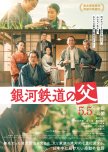
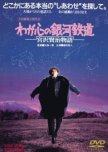
This movie from 1996 was commissioned to mark the centenary of Miyazawa’s birth, attempts to tell the story of Kenji Miyazawa, set as it is against the backdrop of rising militarism.
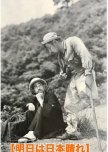
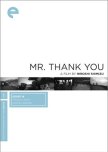
Both movies are directed by Hiroshi Shimizu, arguably the grandfather of Japanese cinema.
Both show a bus driver and his passengers on the road. Both takes place inside and in the surroundings of the bus.
Mr. Thank You is settled during Showa Depression Japan, early 1930s. Cities are brimming with financial despair, and country roads are always busy with jobless people, tired peddlers , unhoused travelers, and unfortunate families seeking any opportunity to survive their desperate situation. In Mr. Thank You, the bus driver is gentle and charismatic.
Tomorrow There Will Be Fine Weather show a post-war Japanese society. The movie was rediscovered in 2022 by the National Film Archive of Japan.
Both show a bus driver and his passengers on the road. Both takes place inside and in the surroundings of the bus.
Mr. Thank You is settled during Showa Depression Japan, early 1930s. Cities are brimming with financial despair, and country roads are always busy with jobless people, tired peddlers , unhoused travelers, and unfortunate families seeking any opportunity to survive their desperate situation. In Mr. Thank You, the bus driver is gentle and charismatic.
Tomorrow There Will Be Fine Weather show a post-war Japanese society. The movie was rediscovered in 2022 by the National Film Archive of Japan.
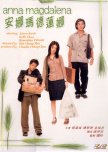

Two strangers become friends and start living together. The develop a quirky friendship. One works a typographer and has a lonely and boring life. The other one is a scammer. In Anna Magadalena, one tunes pianos and has a lonely and boring life, the other one is a good for nothing/ lier that takes advantage from people he meets.
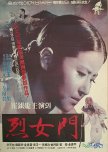
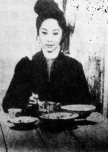
A widow and her daughter fall in love with the same man. The village wants to build an arch at the entrance of the village in honour to the widow. The arch embodies the confucian values and moral of chastity and is a prestigious symbol for the village. The widow has to decide to keep chastity and allow the village to get the arch or follow her desires and get married.


The first episode of Made in Korea is similar to the movie but in a serious tone and not parody at all.
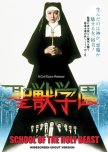

"Love Exposure" is a four-hour romantic comedy about terrible fathers, up skirt photography, Catholicism, and the meaning of love.
The main lead is a young Catholic called Yu, whose father, a priest, drives him into first a gang and then into the secret art of taking panty pictures.
The main lead is a young Catholic called Yu, whose father, a priest, drives him into first a gang and then into the secret art of taking panty pictures.

Same concept: a virus that change people's behaviour to the point to start killing other human beings.


What they have in common:
Male leads in love with the same woman.
Multiple revenge plots: the governor, the female lead and the villain male lead.
Power struggle for the Governor position.
Female lead with amnesia and forgotten identity.
Rape, pregnancy and forced abortion.
Sad ending.
Male leads in love with the same woman.
Multiple revenge plots: the governor, the female lead and the villain male lead.
Power struggle for the Governor position.
Female lead with amnesia and forgotten identity.
Rape, pregnancy and forced abortion.
Sad ending.
badass female leads, outlaw female leads, independent & intelligent female leads. Revenge & underworld


Rape & violence against women.
The evil guy is quite flat. The most interesting is the dynamic between the 2 women.
The evil guy is quite flat. The most interesting is the dynamic between the 2 women.
A stalker guy follows a married woman, robs her place and then rapes her several times. The FL develops Stockholm Syndrome. Violence against women.
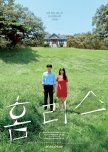
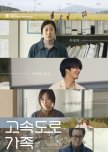
Homeless families who can't get integrated into society because they live in precarious conditions.


