




He Fei's wife, Li Mu Zi, disappeared mysteriously during their wedding anniversary trip. While he was searching for Mu Zi, she appeared again out of nowhere, but he insists that the strange woman in front of him is not his wife. Lawyer Chen Mai gets involved in this bizarre case, and more mysteries slowly emerge.
"Momo no Uta" was popular among elementary and junior high school students in Kanagawa Prefecture in the early Heisei era. It was said that singing this song would help you find something you were missing, and in recent years it has become popular again among young people. However, those who sing this song have been dying mysteriously one after another. While investigating the series of mysterious deaths, Masumura Kenichi, a writer for the occult magazine "Nessie," discovers the sad truth hidden in the song.
"Momo no Uta" was popular among elementary and junior high school students in Kanagawa Prefecture in the early Heisei era. It was said that singing this song would help you find something you were missing, and in recent years it has become popular again among young people. However, those who sing this song have been dying mysteriously one after another. While investigating the series of mysterious deaths, Masumura Kenichi, a writer for the occult magazine "Nessie," discovers the sad truth hidden in the song.
"Momo no Uta" was popular among elementary and junior high school students in Kanagawa Prefecture in the early Heisei era. It was said that singing this song would help you find something you were missing, and in recent years it has become popular again among young people. However, those who sing this song have been dying mysteriously one after another. While investigating the series of mysterious deaths, Masumura Kenichi, a writer for the occult magazine "Nessie," discovers the sad truth hidden in the song.
"Momo no Uta" was popular among elementary and junior high school students in Kanagawa Prefecture in the early Heisei era. It was said that singing this song would help you find something you were missing, and in recent years it has become popular again among young people. However, those who sing this song have been dying mysteriously one after another. While investigating the series of mysterious deaths, Masumura Kenichi, a writer for the occult magazine "Nessie," discovers the sad truth hidden in the song.
"Momo no Uta" was popular among elementary and junior high school students in Kanagawa Prefecture in the early Heisei era. It was said that singing this song would help you find something you were missing, and in recent years it has become popular again among young people. However, those who sing this song have been dying mysteriously one after another. While investigating the series of mysterious deaths, Masumura Kenichi, a writer for the occult magazine "Nessie," discovers the sad truth hidden in the song.

"Momo no Uta" was popular among elementary and junior high school students in Kanagawa Prefecture in the early Heisei era. It was said that singing this song would help you find something you were missing, and in recent years it has become popular again among young people. However, those who sing this song have been dying mysteriously one after another. While investigating the series of mysterious deaths, Masumura Kenichi, a writer for the occult magazine "Nessie," discovers the sad truth hidden in the song.
"Momo no Uta" was popular among elementary and junior high school students in Kanagawa Prefecture in the early Heisei era. It was said that singing this song would help you find something you were missing, and in recent years it has become popular again among young people. However, those who sing this song have been dying mysteriously one after another. While investigating the series of mysterious deaths, Masumura Kenichi, a writer for the occult magazine "Nessie," discovers the sad truth hidden in the song.

"Momo no Uta" was popular among elementary and junior high school students in Kanagawa Prefecture in the early Heisei era. It was said that singing this song would help you find something you were missing, and in recent years it has become popular again among young people. However, those who sing this song have been dying mysteriously one after another. While investigating the series of mysterious deaths, Masumura Kenichi, a writer for the occult magazine "Nessie," discovers the sad truth hidden in the song.
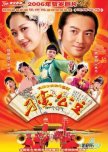
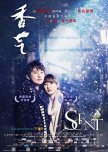
In his Chinese film, "Scent," Park Shi Hoo plays Kang In Joon, a Korean interior designer...who finds love when he meets an innocent Chinese girl...it's directed by Jessy Tseng who directed award-winning art house film Big Blue Lake.
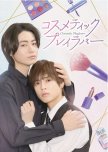

The story is about Sengoku Tetsu, an owner of an osteopathic clinic, who is suddenly entrusted with his daughter by his ex-girlfriend, and Harumi Masahiro, a manga editor who divorced his wife and took custody of his son. Struggling to raise their child as single fathers, the two decide to share a room to help each other through their unfamiliar lives. The four of them - father, father, daughter, and son - begin living together and grow up while struggling with daily life and cooking.

The story is about Sengoku Tetsu, an owner of an osteopathic clinic, who is suddenly entrusted with his daughter by his ex-girlfriend, and Harumi Masahiro, a manga editor who divorced his wife and took custody of his son. Struggling to raise their child as single fathers, the two decide to share a room to help each other through their unfamiliar lives. The four of them - father, father, daughter, and son - begin living together and grow up while struggling with daily life and cooking.


