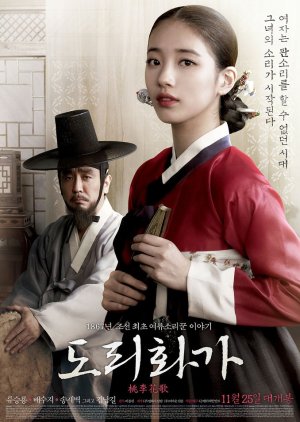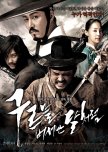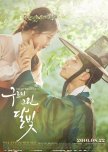
In 1867, Sin Jae Hyo leads the Dongrijungsa, which teaches pansori (traditional Korean musical storytelling). A young girl, Chae Seon, who wants to perform pansori, appears in front of him. Chae Seon has dreamed of performing pansori since she first heard Sin Jae Hyo perform when she was little, but Sin Jae Hyo turns her down because women are not allowed to perform pansori. Chae Seon then disguises herself as a man and enters the Dongrijungsa to learn pansori, but Sin Jae Hyo doesn’t accept her as his student. One day, he hears Daewongun, the most powerful man in Joseon and the father of the King, is going to hold a national competition of pansori performers known as “Naksungyeon”. Sin Jae Hyo decides to teach Chae Seon, who has a true voice to perform “Chunhyangga". If anyone finds out that Chae Seon is a woman, Sin Jae Hyo and Chae Seon will both face death.
In 1867, Sin Jae Hyo leads the Dongrijungsa, which teaches pansori (traditional Korean musical storytelling). A young girl, Chae Seon, who wants to perform pansori, appears in front of him. Chae Seon has dreamed of performing pansori since she first heard Sin Jae Hyo perform when she was little, but Sin Jae Hyo turns her down because women are not allowed to perform pansori. Chae Seon then disguises herself as a man and enters the Dongrijungsa to learn pansori, but Sin Jae Hyo doesn’t accept her as his student. One day, he hears Daewongun, the most powerful man in Joseon and the father of the King, is going to hold a national competition of pansori performers known as “Naksungyeon”. Sin Jae Hyo decides to teach Chae Seon, who has a true voice to perform “Chunhyangga". If anyone finds out that Chae Seon is a woman, Sin Jae Hyo and Chae Seon will both face death.
In 1867, Sin Jae Hyo leads the Dongrijungsa, which teaches pansori (traditional Korean musical storytelling). A young girl, Chae Seon, who wants to perform pansori, appears in front of him. Chae Seon has dreamed of performing pansori since she first heard Sin Jae Hyo perform when she was little, but Sin Jae Hyo turns her down because women are not allowed to perform pansori. Chae Seon then disguises herself as a man and enters the Dongrijungsa to learn pansori, but Sin Jae Hyo doesn’t accept her as his student. One day, he hears Daewongun, the most powerful man in Joseon and the father of the King, is going to hold a national competition of pansori performers known as “Naksungyeon”. Sin Jae Hyo decides to teach Chae Seon, who has a true voice to perform “Chunhyangga". If anyone finds out that Chae Seon is a woman, Sin Jae Hyo and Chae Seon will both face death.
In 1867, Sin Jae Hyo leads the Dongrijungsa, which teaches pansori (traditional Korean musical storytelling). A young girl, Chae Seon, who wants to perform pansori, appears in front of him. Chae Seon has dreamed of performing pansori since she first heard Sin Jae Hyo perform when she was little, but Sin Jae Hyo turns her down because women are not allowed to perform pansori. Chae Seon then disguises herself as a man and enters the Dongrijungsa to learn pansori, but Sin Jae Hyo doesn’t accept her as his student. One day, he hears Daewongun, the most powerful man in Joseon and the father of the King, is going to hold a national competition of pansori performers known as “Naksungyeon”. Sin Jae Hyo decides to teach Chae Seon, who has a true voice to perform “Chunhyangga". If anyone finds out that Chae Seon is a woman, Sin Jae Hyo and Chae Seon will both face death.
In 1867, Sin Jae Hyo leads the Dongrijungsa, which teaches pansori (traditional Korean musical storytelling). A young girl, Chae Seon, who wants to perform pansori, appears in front of him. Chae Seon has dreamed of performing pansori since she first heard Sin Jae Hyo perform when she was little, but Sin Jae Hyo turns her down because women are not allowed to perform pansori. Chae Seon then disguises herself as a man and enters the Dongrijungsa to learn pansori, but Sin Jae Hyo doesn’t accept her as his student. One day, he hears Daewongun, the most powerful man in Joseon and the father of the King, is going to hold a national competition of pansori performers known as “Naksungyeon”. Sin Jae Hyo decides to teach Chae Seon, who has a true voice to perform “Chunhyangga". If anyone finds out that Chae Seon is a woman, Sin Jae Hyo and Chae Seon will both face death.
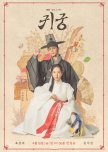
In 1867, Sin Jae Hyo leads the Dongrijungsa, which teaches pansori (traditional Korean musical storytelling). A young girl, Chae Seon, who wants to perform pansori, appears in front of him. Chae Seon has dreamed of performing pansori since she first heard Sin Jae Hyo perform when she was little, but Sin Jae Hyo turns her down because women are not allowed to perform pansori. Chae Seon then disguises herself as a man and enters the Dongrijungsa to learn pansori, but Sin Jae Hyo doesn’t accept her as his student.
One day, he hears Daewongun, the most powerful man in Joseon and the father of the King, is going to hold a national competition of pansori performers known as “Naksungyeon”. Sin Jae Hyo decides to teach Chae Seon, who has a true voice to perform “Chunhyangga". If anyone finds out that Chae Seon is a woman, Sin Jae Hyo and Chae Seon will both face death.
One day, he hears Daewongun, the most powerful man in Joseon and the father of the King, is going to hold a national competition of pansori performers known as “Naksungyeon”. Sin Jae Hyo decides to teach Chae Seon, who has a true voice to perform “Chunhyangga". If anyone finds out that Chae Seon is a woman, Sin Jae Hyo and Chae Seon will both face death.
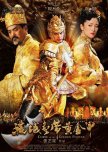
In 1867, Sin Jae Hyo leads the Dongrijungsa, which teaches pansori (traditional Korean musical storytelling). A young girl, Chae Seon, who wants to perform pansori, appears in front of him. Chae Seon has dreamed of performing pansori since she first heard Sin Jae Hyo perform when she was little, but Sin Jae Hyo turns her down because women are not allowed to perform pansori. Chae Seon then disguises herself as a man and enters the Dongrijungsa to learn pansori, but Sin Jae Hyo doesn’t accept her as his student. One day, he hears Daewongun, the most powerful man in Joseon and the father of the King, is going to hold a national competition of pansori performers known as “Naksungyeon”. Sin Jae Hyo decides to teach Chae Seon, who has a true voice to perform “Chunhyangga". If anyone finds out that Chae Seon is a woman, Sin Jae Hyo and Chae Seon will both face death.
In 1867, Sin Jae Hyo leads the Dongrijungsa, which teaches pansori (traditional Korean musical storytelling). A young girl, Chae Seon, who wants to perform pansori, appears in front of him. Chae Seon has dreamed of performing pansori since she first heard Sin Jae Hyo perform when she was little, but Sin Jae Hyo turns her down because women are not allowed to perform pansori. Chae Seon then disguises herself as a man and enters the Dongrijungsa to learn pansori, but Sin Jae Hyo doesn’t accept her as his student. One day, he hears Daewongun, the most powerful man in Joseon and the father of the King, is going to hold a national competition of pansori performers known as “Naksungyeon”. Sin Jae Hyo decides to teach Chae Seon, who has a true voice to perform “Chunhyangga". If anyone finds out that Chae Seon is a woman, Sin Jae Hyo and Chae Seon will both face death.
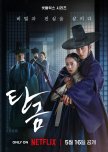
In 1867, Sin Jae Hyo leads the Dongrijungsa, which teaches pansori (traditional Korean musical storytelling). A young girl, Chae Seon, who wants to perform pansori, appears in front of him. Chae Seon has dreamed of performing pansori since she first heard Sin Jae Hyo perform when she was little, but Sin Jae Hyo turns her down because women are not allowed to perform pansori. Chae Seon then disguises herself as a man and enters the Dongrijungsa to learn pansori, but Sin Jae Hyo doesn’t accept her as his student.
One day, he hears Daewongun, the most powerful man in Joseon and the father of the King, is going to hold a national competition of pansori performers known as “Naksungyeon”. Sin Jae Hyo decides to teach Chae Seon, who has a true voice to perform “Chunhyangga". If anyone finds out that Chae Seon is a woman, Sin Jae Hyo and Chae Seon will both face death.
One day, he hears Daewongun, the most powerful man in Joseon and the father of the King, is going to hold a national competition of pansori performers known as “Naksungyeon”. Sin Jae Hyo decides to teach Chae Seon, who has a true voice to perform “Chunhyangga". If anyone finds out that Chae Seon is a woman, Sin Jae Hyo and Chae Seon will both face death.
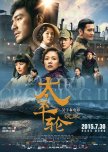
In 1867, Sin Jae Hyo leads the Dongrijungsa, which teaches pansori (traditional Korean musical storytelling). A young girl, Chae Seon, who wants to perform pansori, appears in front of him. Chae Seon has dreamed of performing pansori since she first heard Sin Jae Hyo perform when she was little, but Sin Jae Hyo turns her down because women are not allowed to perform pansori. Chae Seon then disguises herself as a man and enters the Dongrijungsa to learn pansori, but Sin Jae Hyo doesn’t accept her as his student. One day, he hears Daewongun, the most powerful man in Joseon and the father of the King, is going to hold a national competition of pansori performers known as “Naksungyeon”. Sin Jae Hyo decides to teach Chae Seon, who has a true voice to perform “Chunhyangga". If anyone finds out that Chae Seon is a woman, Sin Jae Hyo and Chae Seon will both face death.
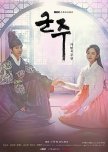
In 1867, Sin Jae Hyo leads the Dongrijungsa, which teaches pansori (traditional Korean musical storytelling). A young girl, Chae Seon, who wants to perform pansori, appears in front of him. Chae Seon has dreamed of performing pansori since she first heard Sin Jae Hyo perform when she was little, but Sin Jae Hyo turns her down because women are not allowed to perform pansori. Chae Seon then disguises herself as a man and enters the Dongrijungsa to learn pansori, but Sin Jae Hyo doesn’t accept her as his student.
One day, he hears Daewongun, the most powerful man in Joseon and the father of the King, is going to hold a national competition of pansori performers known as “Naksungyeon”. Sin Jae Hyo decides to teach Chae Seon, who has a true voice to perform “Chunhyangga". If anyone finds out that Chae Seon is a woman, Sin Jae Hyo and Chae Seon will both face death.
One day, he hears Daewongun, the most powerful man in Joseon and the father of the King, is going to hold a national competition of pansori performers known as “Naksungyeon”. Sin Jae Hyo decides to teach Chae Seon, who has a true voice to perform “Chunhyangga". If anyone finds out that Chae Seon is a woman, Sin Jae Hyo and Chae Seon will both face death.

In 1867, Sin Jae Hyo leads the Dongrijungsa, which teaches pansori (traditional Korean musical storytelling). A young girl, Chae Seon, who wants to perform pansori, appears in front of him. Chae Seon has dreamed of performing pansori since she first heard Sin Jae Hyo perform when she was little, but Sin Jae Hyo turns her down because women are not allowed to perform pansori. Chae Seon then disguises herself as a man and enters the Dongrijungsa to learn pansori, but Sin Jae Hyo doesn’t accept her as his student. One day, he hears Daewongun, the most powerful man in Joseon and the father of the King, is going to hold a national competition of pansori performers known as “Naksungyeon”. Sin Jae Hyo decides to teach Chae Seon, who has a true voice to perform “Chunhyangga". If anyone finds out that Chae Seon is a woman, Sin Jae Hyo and Chae Seon will both face death.
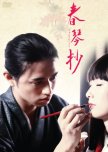
In 1867, Sin Jae Hyo leads the Dongrijungsa, which teaches pansori (traditional Korean musical storytelling). A young girl, Chae Seon, who wants to perform pansori, appears in front of him. Chae Seon has dreamed of performing pansori since she first heard Sin Jae Hyo perform when she was little, but Sin Jae Hyo turns her down because women are not allowed to perform pansori. Chae Seon then disguises herself as a man and enters the Dongrijungsa to learn pansori, but Sin Jae Hyo doesn’t accept her as his student. One day, he hears Daewongun, the most powerful man in Joseon and the father of the King, is going to hold a national competition of pansori performers known as “Naksungyeon”. Sin Jae Hyo decides to teach Chae Seon, who has a true voice to perform “Chunhyangga". If anyone finds out that Chae Seon is a woman, Sin Jae Hyo and Chae Seon will both face death.
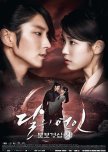
In 1867, Sin Jae Hyo leads the Dongrijungsa, which teaches pansori (traditional Korean musical storytelling). A young girl, Chae Seon, who wants to perform pansori, appears in front of him. Chae Seon has dreamed of performing pansori since she first heard Sin Jae Hyo perform when she was little, but Sin Jae Hyo turns her down because women are not allowed to perform pansori. Chae Seon then disguises herself as a man and enters the Dongrijungsa to learn pansori, but Sin Jae Hyo doesn’t accept her as his student.
One day, he hears Daewongun, the most powerful man in Joseon and the father of the King, is going to hold a national competition of pansori performers known as “Naksungyeon”. Sin Jae Hyo decides to teach Chae Seon, who has a true voice to perform “Chunhyangga". If anyone finds out that Chae Seon is a woman, Sin Jae Hyo and Chae Seon will both face death.
One day, he hears Daewongun, the most powerful man in Joseon and the father of the King, is going to hold a national competition of pansori performers known as “Naksungyeon”. Sin Jae Hyo decides to teach Chae Seon, who has a true voice to perform “Chunhyangga". If anyone finds out that Chae Seon is a woman, Sin Jae Hyo and Chae Seon will both face death.
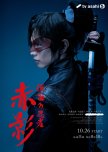
As Oda Nobunaga's unification of Japan looms large, a mysterious religion called "Kinmekyo" spreads across the southern part of Lake Biwa. Those who do not believe in it are said to suffer a horrible curse. Determined to uncover the truth, Nobunaga secretly calls upon a masked ninja to investigate the Kinmekyo. Thus begins the tale of a young shinobi, who rises from the shadows to become none other than Masked Ninja Akakage.