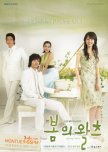
Blue Fish is often compared to Spring Waltz because both dramas center on emotionally withdrawn characters shaped by childhood trauma and separation, set against coastal landscapes that mirror their loneliness. Like Spring Waltz, Blue Fish uses the sea and quiet surroundings to create a melancholic, isolated atmosphere where emotions are felt more than spoken.
The main characters in both series are restrained and introspective. The male leads carry guilt and unresolved pain, choosing silence and endurance over confrontation, while the female leads are gentle, patient figures who provide emotional grounding rather than dramatic conflict. Their romances unfold slowly, driven by shared pasts and unspoken longing rather than overt passion.
Overall, Blue Fish feels like a darker, more grounded variation of Spring Waltz — less lyrical, but similar in its focus on quiet suffering, fate-driven connection, and the lingering ache of first love by the sea.
The main characters in both series are restrained and introspective. The male leads carry guilt and unresolved pain, choosing silence and endurance over confrontation, while the female leads are gentle, patient figures who provide emotional grounding rather than dramatic conflict. Their romances unfold slowly, driven by shared pasts and unspoken longing rather than overt passion.
Overall, Blue Fish feels like a darker, more grounded variation of Spring Waltz — less lyrical, but similar in its focus on quiet suffering, fate-driven connection, and the lingering ache of first love by the sea.