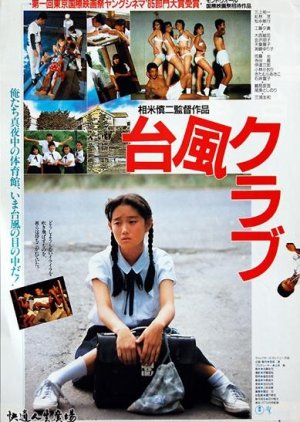
Sōmai's Direction: He's famous for his long takes. The camera doesn't just observe; it floats through the flooded corridors, capturing the chaotic energy of the teenagers in a way that feels documentary-like, yet dreamy.
Raw Emotion: The film understands that adolescence is a liminal state of mind—between childhood and adulthood, between civilization and instinct. When they dance half-naked in the torrential rain singing pop songs, you feel the mixture of freedom and despair.
Symbolism: The typhoon acts as a catalyst. It cleanses their "old selves," but the price of this purification is high and, for some, tragic.
Contemplative Pace: If you're used to the frenetic pace of modern disaster movies (like Brutal Attack itself), Sōmai's long takes might seem slow at first.
Heavy Themes: The film doesn't shy away from uncomfortable subjects, including harassment and suicidal ideation, treating them with a rawness that might shock those expecting a standard teen movie.
Typhoon Club is essential. It's a film about that exact moment when you realize the world is huge, scary, and you have no control over anything—not the weather, not your own feelings.
Was this review helpful to you?