Both have to do with a young ladies who faced strong adversity, poverty, and hard childhoods and who fall in love with young rich man. There are periods of long separation for the couples in which neither party are truly happy but they have learned to live and survive through their own means. Upon the fateful re-encountering of their past true-love, they must overcome various personality, family, lifestyle and trust obstacles.
Same melodramatic vibe; same story of two individuals meeting and getting along but soon separated by tragic circumstances only to meet later in their lives; equally amazing soundtrack. By the end, only the seasons and the musical compositions in the titles are different.

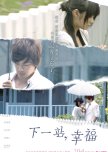
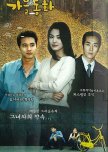
South Korean student Dong Ha met a Chinese student named May while studying in America several years back. The two students became friends but didn't realize the bond they had until they went their separate ways. Now, as an architect, Dong Ha travels to China in lieu of a business partner to work on a construction project. By coincidence, Dong Ha runs into May again, and they share their memories spent together as students in America. Dong Ha and May fall in love once again...

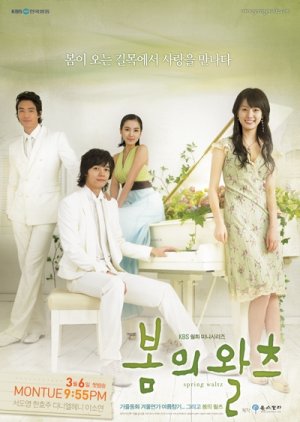
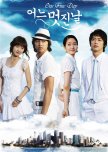
Spring Waltz is a classic, older dramas and one of the famous Four Seasons. Although CITT is a comedy, it has some darker elements that remind me of the classic Spring Waltz. They're similar in the sense that they male lead id cruel to the female in the beginning and ignores her, making life tough. Later in the drama, they both come to realize they made a mistake and fall for the female leads. Both can be intense and misleading.
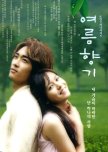
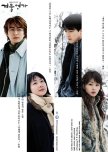
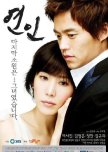
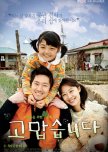

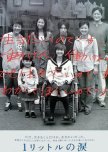
Kyoko, a young woman with an unhindered spirit despite being physically bound to a wheelchair due to illness, and Shuji, a stylish and popular fashion magazine hairstylist, are brought together in a fateful traffic incident. Despite their confrontational meeting, they soon find themselves falling in love, with Shuji drawn to her courage and enthusiasm and Kyoko attracted to his ability to look beyond her physical limitations and into her heart. However, Kyoko's protective older brother and her worsening condition begin to test the bounds of their love for each other and threaten to end their beautiful life together.
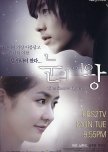
The Snow Queen and Spring Waltz are often compared not because they share the same scenery, but because they tell emotionally parallel stories. Where Spring Waltz uses a quiet island and the sea to express loneliness and longing, The Snow Queen replaces that isolation with winter landscapes, ice rinks, and closed urban spaces. In both dramas, the setting functions as an emotional mirror rather than a backdrop — nature and environment reflect the characters’ inner wounds.
The male leads in both series are shaped by childhood trauma and guilt, growing into emotionally withdrawn adults who struggle to accept love. They express pain indirectly — through music in Spring Waltz and physical endurance in The Snow Queen. The female leads are gentle yet fragile, carrying both emotional and physical vulnerability, and serve as sources of warmth and connection in otherwise cold emotional worlds.
Both dramas favor slow pacing, restrained dialogue, and heavy reliance on mood, silence, and music. Romance unfolds quietly and feels fate-driven, marked more by longing than by overt passion. While Spring Waltz leans into nostalgia and natural beauty, The Snow Queen embraces a colder, more enclosed atmosphere, but the emotional core remains similar: two wounded people finding brief healing through love, even when happiness feels fragile and uncertain.
The male leads in both series are shaped by childhood trauma and guilt, growing into emotionally withdrawn adults who struggle to accept love. They express pain indirectly — through music in Spring Waltz and physical endurance in The Snow Queen. The female leads are gentle yet fragile, carrying both emotional and physical vulnerability, and serve as sources of warmth and connection in otherwise cold emotional worlds.
Both dramas favor slow pacing, restrained dialogue, and heavy reliance on mood, silence, and music. Romance unfolds quietly and feels fate-driven, marked more by longing than by overt passion. While Spring Waltz leans into nostalgia and natural beauty, The Snow Queen embraces a colder, more enclosed atmosphere, but the emotional core remains similar: two wounded people finding brief healing through love, even when happiness feels fragile and uncertain.

Spring Waltz and Uncontrollably Fond are both tragic romances rooted in childhood trauma and fate, but they approach heartbreak in very different ways. Spring Waltz is quiet and atmospheric, using an island childhood, open landscapes, and soft music to create a sense of isolation and gentle longing. Its characters are emotionally withdrawn, expressing pain through silence and distance, and the romance unfolds slowly, almost hesitantly, as if love itself might break if spoken too loudly.
Uncontrollably Fond, by contrast, is emotionally intense and claustrophobic. Set largely in urban, media-driven spaces, it surrounds its characters with pressure and urgency. The male lead’s pain is loud and self-destructive, while the female lead is hardened by resentment and survival. Their relationship is charged with anger, regret, and desperation, driven by the knowledge that time is running out.
Where Spring Waltz treats love as a fragile refuge that offers brief healing, Uncontrollably Fond presents love as something fierce and painful, arriving too late and demanding everything at once. Both are deeply melancholic, but Spring Waltz lingers like a fading memory, while Uncontrollably Fond cuts like an open wound.
Uncontrollably Fond, by contrast, is emotionally intense and claustrophobic. Set largely in urban, media-driven spaces, it surrounds its characters with pressure and urgency. The male lead’s pain is loud and self-destructive, while the female lead is hardened by resentment and survival. Their relationship is charged with anger, regret, and desperation, driven by the knowledge that time is running out.
Where Spring Waltz treats love as a fragile refuge that offers brief healing, Uncontrollably Fond presents love as something fierce and painful, arriving too late and demanding everything at once. Both are deeply melancholic, but Spring Waltz lingers like a fading memory, while Uncontrollably Fond cuts like an open wound.
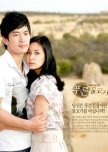
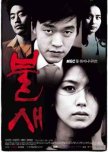
Blue Fish is often compared to Spring Waltz because both dramas center on emotionally withdrawn characters shaped by childhood trauma and separation, set against coastal landscapes that mirror their loneliness. Like Spring Waltz, Blue Fish uses the sea and quiet surroundings to create a melancholic, isolated atmosphere where emotions are felt more than spoken.
The main characters in both series are restrained and introspective. The male leads carry guilt and unresolved pain, choosing silence and endurance over confrontation, while the female leads are gentle, patient figures who provide emotional grounding rather than dramatic conflict. Their romances unfold slowly, driven by shared pasts and unspoken longing rather than overt passion.
Overall, Blue Fish feels like a darker, more grounded variation of Spring Waltz — less lyrical, but similar in its focus on quiet suffering, fate-driven connection, and the lingering ache of first love by the sea.
The main characters in both series are restrained and introspective. The male leads carry guilt and unresolved pain, choosing silence and endurance over confrontation, while the female leads are gentle, patient figures who provide emotional grounding rather than dramatic conflict. Their romances unfold slowly, driven by shared pasts and unspoken longing rather than overt passion.
Overall, Blue Fish feels like a darker, more grounded variation of Spring Waltz — less lyrical, but similar in its focus on quiet suffering, fate-driven connection, and the lingering ache of first love by the sea.