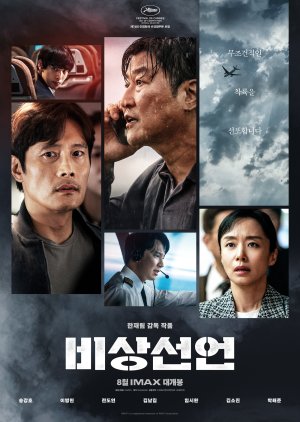
Veteran detective In Ho receives a report from a man about an airplane terrorist attack. While investigating, he finds out that the suspect boarded the KI501. Despite his phobia of airplanes, Jae Hyuk decides to go to Hawaii for his daughter. At the airport, Jae Hyuk is distracted by a suspicious man with a threatening tone walking around. The KI501 flight departs Incheon Airport and heads for Hawaii, but soon a man dies for an unknown reason, and the situation of fear and confusion spreads not only on the plane but also on the ground. Upon hearing the news, the Minister of Land, Infrastructure and Transport, Sook Hee, formed a counter-terrorism countermeasure headquarters and convened an emergency response meeting to find a way to land the KI501.

Veteran detective In Ho receives a report from a man about an airplane terrorist attack. While investigating, he finds out that the suspect boarded the KI501. Despite his phobia of airplanes, Jae Hyuk decides to go to Hawaii for his daughter. At the airport, Jae Hyuk is distracted by a suspicious man with a threatening tone walking around. The KI501 flight departs Incheon Airport and heads for Hawaii, but soon a man dies for an unknown reason, and the situation of fear and confusion spreads not only on the plane but also on the ground. Upon hearing the news, the Minister of Land, Infrastructure and Transport, Sook Hee, formed a counter-terrorism countermeasure headquarters and convened an emergency response meeting to find a way to land the KI501.


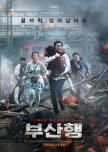
Other than the zombies, these two movies have a lot of similarities. The overall themes are the same, there's infection within a plane (eerily similar to the train), and the main character is a divorced father who is taking care of his daughter. Both movies are brilliant, and are filled with suspense.




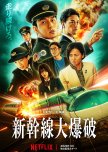
Se você gostou de "Shinkansen Daibakuha", recomendo assistir "Alerta de emergência".
Os dois filmes seguem aquela vibe desesperadora de ataque terrorista em transporte público e com bastante suspense. O que eu achei mais legal é que ambos não focam só na sobrevivência de quem está lá dentro, mas mostram todo o caos do lado de fora: o governo tentando decidir o que fazer e a pressão política correndo solta.
A grande diferença é que um é no trilho e o outro é no céu: enquanto no clássico japonês o perigo é uma bomba num trem bala, no coreano a ameaça é um vírus mortal dentro de um avião.
Os dois filmes seguem aquela vibe desesperadora de ataque terrorista em transporte público e com bastante suspense. O que eu achei mais legal é que ambos não focam só na sobrevivência de quem está lá dentro, mas mostram todo o caos do lado de fora: o governo tentando decidir o que fazer e a pressão política correndo solta.
A grande diferença é que um é no trilho e o outro é no céu: enquanto no clássico japonês o perigo é uma bomba num trem bala, no coreano a ameaça é um vírus mortal dentro de um avião.