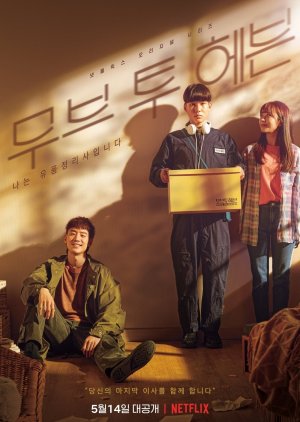
It is one of those that stays with you for quite some time for sure. I finished it this week and and need to take a bit of a break from watching other films and series now I think. (That’s not a bad thing at all!)
The topics that are covered - death, grieving, loneliness, outsiders of society, and also autism - are addressed really well despite it being a relatively short series and relatively short episodes. I actually think in this case it is better left short. Sometimes less is more (such as when things are better expressed with less words or less details).
I think even though it is set in South Korea the topics are universally important and present in most countries in one form or another.
The topics are really heavy (it made me cry a lot… I felt really affected by the stories (of the dead people you meet in every episode) / the story (of the main characters) but also remembering people I lost in the last few years and thinking about people I come across day to day /at work whose stories I don’t know…….. CLOSE very long brackets :) :). ). but there are a few funny moments which is nice also - this contrast makes it even better to appreciate both the funny and sad moments.
I love classical music and I liked the bit when we see what music pieces Geu-ru (I’m not sure what the correct spelling is) plays during each job cleaning out a deceased person’s room/flat. I also liked the music/theme that was made for the film (I assume it was, as opposed to the pieces that were existing music pieces, but I have not found the soundtrack anywhere).
The series was not patronising towards autistic people which was well done too. It could have been very off-putting if they would not have got this right.
Finally, the actors were great!
Overall, this is my favourite Korean series watched ever so far.
Was this review helpful to you?

This review may contain spoilers
A true masterpiece
I originally watched this show a couple months after it had come out. I had wanted a chill drama to watch a little bit of after a long day at work. Instead I was totally hooked immediately. This drama took my breath away and I could not stop crying whilst watching it, but not all the tears were purely from sadness. This show holds a very special place in my heart because of how beautiful and heartwrenching it is. There is a word in my native language that I rarely hear meantioned in English but it feels like it perfectly describes this show. The word basically means even if something is sad or bad you still WANT to live and to find the happiness and beautiful parts of life. That is this show.The way the characters get to grow closer whilst they also learn something from the deceased is my favourite part of the drama. To get to learn their life stories whilst they learn about each other and grow together is so well made. The acting, the script, the pacing, everything is perfectly made. Even the sad and traumatic parts are portrayed in a way that makes you sad but does not take away your desire to watch the rest of the drama.
Touching on the acting real quick, I think this is some of the best acting I've seen in a while. The actor who plays the uncle does an amazing job at portraying the different sides and the development of his character. I think particularly the scene where he finds the shoes is a showstopper of a scene. The guy who plays Geu-ru does a terrific job as well. As someone who is very close with a lot of people on the autism spectrum I have to admit I have never watched a show that handles the topic as well as this does and max credits to him for being able to do that at such a young age.
I have watched the show several times and I never get bored (yet I cry every time), this show is a solid 10/10 more than any show or movie has ever been for me. I recommend this to people over and over again.
To everyone who worked on this project, A BIG THANK YOU!
Was this review helpful to you?

This review may contain spoilers
A Rollercoaster of Emotions!
At first, I thought this kdrama was going to be a cute slice-of-life kind of story, but wow, did it amaze me. I felt like every episode had something new, something mind-boggling, and I experienced a range of emotions while watching this K-drama. It was so gut-wrenching and sad that I cried so much... But I loved every part of it!Although I do not have Asperger's syndrome, I felt like I had a very good idea of what it looked like by the end of it. The actor playing Geu-ru hands down portrayed and did his role so well and phenomenally at that. The small details and micro expressions really allow you to understand how someone with this kind of disorder acts, and how he shows the little emotions he's feeling through his very, very small facial movements is impressive in itself.
Additionally, the relationships shown between father and son, alongside other familial (and maybe romantic ones) connections, had me bawling my eyes out. The way his father's death didn't hit me at first would soon haunt me. I felt like the build-up with their relationship was done so well, and it had me so devastated that someone so young lost both his parents at 20. The last episode was so well written, and I loved how it showed a message of someone still being there even if you couldn't see them. I also thought it was so sad how it had symbolized the many moments of Geu-ru hugging his 'dad' through his clothes, trees, and his ashes.
I wish there were a season two, but I haven't seen any news on it yet. It seemed like it left off on a cliffhanger, and the fact that the MC actually looked at someone in the eyes! That part kind of shocked me, and I'm wondering if the two of them would have some kind of relationship, but sadly, I guess we will never know...
This kdrama was truly so well directed and written, and if anybody would recommend me more like this one, I would sure like that! I am open to any suggestions :)
Was this review helpful to you?

mth is not the best kdrama, its the best SHOW ever
move to heaven is definitely one of the shows that once you finish, you’ll feel a void because you know you will never watch such a perfect show for the first time again. Make yourself a favor and watch it cause the way they tell the stories will make you feel everything they want you to feel. This show has LGBTQ+ representation which makes me sooo happy, the representation feels sooo real. Sometimes queer characters are written in a way were they just feel from a children book written by a straigh woman but THISSS is just realistic and the acting just makes it perfect. also plus points for having hongseok from pentagon in the cast (stan pentagon)overall: 1000000/10
Was this review helpful to you?
Poignant and Beautiful
There are so many lessons about life, love, resilience, generosity, kindness and the legacy we leave behind. This drama is a beautiful and deeply affecting reminder that life is indeed precious, and tomorrow is not promised to any of us. Cliché? Perhaps, yet 100% true. Worth every second of your watch time.Was this review helpful to you?

This review may contain spoilers
Definitely recommended
It talks about a boy with special needs and after his father dies one night due to a heart attack, the dad's brother comes to the boys house and the boy teaches the uncle what the work is, obviously the relationship between the boy and the uncle was not good at first and also the fact that the boy's childhood friend cared a lot about him was amazing, but what was more amazing was that the uncle soon understood the boy and helped him and the friend also came to help him too and I recommend this tv show to everyone, second Korean drama I watched after watching Squid Game and don't regret that I watched it, absolutely amazing show😊.Was this review helpful to you?

highly recommend masterpiece
There is not a single boring episode in Move to Heaven. And I mean that literally.
The way this drama portrays every single emotion is just hella awesome. It's quiet, it's gentle, but it hits you so hard. I always thought I only liked the "enemies to lovers" dynamic when it came to romance, but this drama completely changed my perspective. It showed me that this dynamic can be even more powerful when it's about family.
And yes, they ARE blood related. It's about an uncle and his nephew - Sang-gu and Geu-ru. But blood doesn't automatically make you family, and that's the whole point of this story. They start off as strangers who can barely tolerate each other. Sang-gu is cold and rough, Geu-ru has Asperger's and lives in his own orderly world. Their bickering and awkwardness at the beginning feels so real. But slowly, so slowly, they start to understand each other, rely on each other, and become each other's home. That journey is more comforting than any romance I have ever watched.
What I love most is that it has everything - comedy, friendship, and grief. Literally everything. The comedy is never forced, it comes naturally from their personalities clashing. The friendship that builds between them is beautiful to watch. And the grief... this drama handles grief better than any other drama I've seen. Every episode we follow a new story of a deceased person through the things they left behind. Each item mover story will make you cry, but also make you think about life, regrets, and the words we forget to say.
I can rewatch this 10 times and I still won't get bored. Because it's not just a drama, it's a healing experience. It reminds you to be kind, to appreciate the people around you, and to say "I love you" while you still can.
I really wish they made more K-dramas like this. No forced romance, no unnecessary love triangle, no second lead syndrome. Just two people - an uncle and a nephew - who are blood related but have to learn how to truly become family. It's about comforting people who feel like home.
Move to Heaven is one of those rare dramas that stays with you long after it ends. Please watch it if you haven't. You won't regret it.
Was this review helpful to you?

Cry Fest!!!
I cried during every episode! The acting and story is really good. This will definitely make it to my rewatch list.I've had this series on my watch list since it hit Netflix and finally watched it. I enjoyed the cast and the way this was written. it makes you wonder what kind of story you'll leave behind and how people will interpret your life based on what's left behind. It also shows how to appreciate people while you have time to do so. I wish I could find more dramas with this genre and similar storyline.
Was this review helpful to you?
may heal you or hurt you if grieving
beautiful. depending on where you are with your grief though or how you handle grief, some may find this show incredibly healing (as i have seen many comment), or makes them hurt even more. i didn’t really see many comments say that it did the latter for them, however it did for me as i related to the boy and his grief, i felt the sadness all over again. still a beautiful show with beautiful acting. (apparently my review needs to be 500 characters but isn’t 500 yet, so im typing this up to reach that, i don’t have anything else to say??)Was this review helpful to you?
Good but yeah, a bit dissapointed.
I tried to watch it because Lee Je Hoon and the ratings, but I think it's not that "masterpiece"?I expect to cry at every episode but nope, the feel just stops at "awww so sad".
The first episode is 10/10 tho. The scenes when Jung-Woo helps the deceased's family and Geu-Ru's reactions when his father did not come back are really tear-jerking.
But idk what happen after that... The story becomes so-so...?
The story is good, but some plots felt forced. But the story when they focus on the main characters is heartwarming. I was hoping the story will focus more on the job, but nah, so many unnecessary additions. Sometimes they forced the romances too (not the one with Na-Mu, trust me Na-Mu is a really cute and caring childhood friend, her mom is annoying tho.)
For the acting and the characters, I really like Geu-Ru's Father. Damn, he should be still alive and be the main character. His character is sooo good. Ji Jin Hee's acting is perfect. Lee Je Hoon did a good job too. I usually love his character at first sight but this one is nope LOL, like what they intend, a trash uncle. The uncle really annoying at first but we can see that he slowly caring for his nephew. Some people hate Na-Mu but I think it's understandable why she care so much to Geu-Ru. And Tang Jun Sang as Geu-Ru? He portrayed an Asperger character really well, sometimes I thought it was not acting because it felt so real.
The music/ost is so-so. Not memorable, and it was just classic music pianos.
TLDR: it's a good tv series but I can't say it's a perfect 10/10. It's felt so messy that I hope they didn't add too many problems with the characters.
Was this review helpful to you?
Accomplir une tâche dont on veut pas paut parfois aider à s'accomplir soi-même
J’ai bien aimé ce drama, pourtant assez prévisible dès le début et assez classique dans son scénario. Ce qui le sauve, c’est que la réalisation ne tombe jamais dans le pathos et reste simple, sans l’insistance sur le côté larmoyant qu’on aurait pu craindre.Ce qui le sauve aussi c’est l’interprétation excellente des acteurs, qui n’en font jamais trop, ni le boxeur dans le genre mauvais garçon illuminé par la grâce, ni l’entourage de Geu Ru dans l’excès de protectionnisme ! La jeune Na Mu est parfaite, aucune ambiguïté dans son amitié protectrice pour Geu Ru ! Et surtout c’est le jeu très naturel, très juste et simple de Tang Joon Sang (17 ans ! et déjà 5 films et 5 dramas !)qui maîtrise très bien le personnage et se tire avec les honneurs du rôle assez piégeux de cet autiste asperger !
De plus le format du drama est court : 10 épisodes de 52 minutes !! Grâce à ça les pièges du mélo larmoyant sont très bien évités !
Je conseille fortement ce drama si vous voulez reposer vos neurones (je l’ai vu après Vincenzo !!) sans pour autant vous ennuyer ou vous noyer dans le sirop ou la guimauve ! On en garde un joli sentiment heureux et réconfortant.
Was this review helpful to you?

Heaven can wait (tra buonismo, sentimentalismo e stereotipi)- alla ricerca di lacrime facili.
A volte la Corea ci prova a parlare di argomenti pesanti e introdurre riflessioni esistenziali che lasciano un senso di pace e intensità del vivere e sentire, è così nel caso di my mister che devo ancora vedere ma di cui tutti mi parlano come di un capolavoro, è così in "quando la vita ti dà mandarini "," come i fiori sulla sabbia" e diversi healing drama che pur non perfetti ti lasciano pace.Tuttavia spesso si arrovella e "stramazza a terra avvolto tra i suoi stessi fili" quando prova a inserire elementi fantasiosi per stratificare la trama o quando ricorre alle malattie raccontate per stereotipi.
Diciamolo chiaramente: heaven can wait ottiene punteggi alti perché parla di argomenti pesanti quali disabilità, lutto, solitudine, traumi irrisolti, con tatto e delicatezza ma non in modo troppo convincente. La sensazione è quella che voglia far commuovere ad ogni costo e nello sforzo lo spettatore percepisce distanza e non si immedesima al punto tale da esserne conquistato, sia per lo schema ripetitivo che per la caratterizzazione stereotipata dell'autistico, una tipologia di soggetti con i quali ho lavorato per molti anni, e un centinaio ne ho visti, per questo forse noto qualcosa che stride, tanto, troppo.
L'attore bravo ma è un esecutore , non un interprete, non ha dato quel taglio personale, non mi ha fatto sentire la persona dietro l'attore.
Move to Heaven ha un tema fortissimo, addirittura prezioso: disabilità, lutto, solitudine, traumi rimossi, famiglie rotte, vite invisibili. Il problema è che li tratta con tatto solo in apparenza, perché nello sforzo di risultare toccante finisce spesso per diventare prevedibile, didascalica, costruita. La sensazione non è di essere coinvolti dentro un dolore autentico ma di assistere a una macchina narrativa che vuole ottenere la nostra commozione ad ogni costo. E quando il meccanismo si vede, la distanza aumenta invece di diminuire.
A questo si aggiunge una struttura ripetitiva che, alla lunga, pesa: caso, oggetto, rivelazione, catarsi. Ogni episodio sembra chiedere allo spettatore di accettare la stessa traiettoria emotiva con minime variazioni. Il risultato è che l’intensità non cresce davvero, e quando la serie prova ad alzare la posta con elementi più drammatici o con sottotrame laterali, invece di stratificarsi tende ad arrotolarsi su se stessa.
Il punto che a me sembra più delicato, però, è il personaggio autistico. Non perché non esistano persone autistiche con comportamenti di ritiro, rigidità, autoaggressività o crisi interne: esistono eccome. Il punto è come tutto questo viene messo in scena. Per chi ha lavorato a lungo con soggetti autistici, soprattutto non verbali, certe cose stonano subito: non tanto la singola crisi in sé, quanto la sua coreografia, la sua “posa”, il modo in cui il corpo viene disposto nello spazio per significare al pubblico “guardate quanto soffre”. E lì non è la realtà del comportamento che manca, è la naturalezza della sua incarnazione. Sembra una costruzione vista da fuori, non una persona che abita davvero quella condizione.
Anche sul piano attoriale l’attore è bravo, controllato, preciso, ma resta più un esecutore che un interprete. Fa funzionare la scena, la pulisce, la rende leggibile. Però non arriva fino a quel punto in cui ti dimentichi la recitazione e senti soltanto la persona. E quando manca quella vibrazione, tutto il resto si vede di più: il sentimentalismo, la semplificazione psicologica, la rapidità con cui certe ferite si trasformano in redenzione, la troppo facile bontà che finisce per sembrare buonismo.
Anche lo zio, che all’inizio entra come un concentrato di egoismo, incuria e caos, viene agganciato all’attività del nipote in modo troppo brusco , 10 minuti prima gli fumava accanto gettandogli il fumo in faccia e spegnendo mozziconi sul parquet. La sua evoluzione, invece di sembrare conquistata, a tratti sembra assegnata. E lo stesso vale per alcune reazioni emotive dei personaggi secondari: colpi di scena affettivi, riconciliazioni improvvise, commozioni che arrivano prima che lo spettatore abbia davvero sentito il peso di ciò che sta succedendo. È questo mi fa diffidare: non il fatto che la serie parli di cose importanti, ma il modo un po’ furbo con cui cerca di fartele sentire.
Move to Heaven spesso chiede allo spettatore di accettare trasformazioni emotive molto rapide perché il tema è nobile. E siccome non concedo questo "credito morale", perchè non lo sento, alcune scene mi sono apparse artificiose.
Prendiamo Sang-gu, lo zio: nei primi episodi viene introdotto come una specie di delinquente egoista e aggressivo. In una narrazione realistica, uno così non passa dall'invadere casa altrui e fumare addosso al nipote a collaborare quasi immediatamente nell'attività. La serie salta parecchi passaggi psicologici.
Sul ragazzo autistico (Geu-ru), diversi professionisti che lavorano con persone autistiche hanno fatto notare che il personaggio è costruito in modo molto funzionale alla trama: osserva, cataloga, ricorda dettagli. È quasi un dispositivo narrativo che permette di ricostruire le vite dei defunti. Questo non significa che sia una rappresentazione offensiva, ma può sembrare meno spontanea e meno individuale di persone autistiche reali.
L'episodio del pigiama , nell'episodio 3, è probabilmente il migliore esempio del perchè questa serie non funziona.
La logica della serie è:
- figlio egoista;
-scoperta di un oggetto simbolico;
-rivelazione del sacrificio della madre;
-catarsi.
La logica realistica invece sarebbe:
- anni di trascuratezza;
-senso di colpa complesso;
-resistenze;
-negazione;
- elaborazione lenta.
La serie comprime tutto in 5 minuti dove scena dove non è plausibile che un figlio incurante come quello si commuova quando vede e ricorda, e comprende il sacrificio della madre perché non gli è bastato vedere le condizioni disumane e abbandoniche in cui è morta per provocargli un briciolo di trasporto e dispiacere, poi vede il pigiama e puff dispiacere e mutazione improvvisa , cambio di stato emotivo... non me la bevo! Non è che la scena sia impossibile. È che la velocità della trasformazione appare costruita per ottenere la commozione dello spettatore.
Sui combattimenti clandestini è una sottotrama che serve principalmente a dare a Sang-gu un conflitto esterno e a evitare che la serie diventi una successione di funerali e ricordi. Però il tono che ne consegue è strano: da una parte meditazione sulla morte, dall'altra debiti, picchiatori e gabbie da MMA. Molti l'hanno accettato perché interessati al passato dello zio; io l'ho trovato un elemento quasi di disturbo, ma questa è una mia soggettiva valutazione.
Dal settimo episodio la serie compie un piccolo salto di qualità. Le storie acquistano maggiore intensità emotiva e la scrittura riesce finalmente a dare più spessore ai personaggi, evitando in parte quella sensazione di ripetitività presente nella prima metà. Alcuni momenti mi hanno sinceramente commossa, soprattutto quando l'emozione nasce in modo spontaneo e non viene forzata attraverso espedienti melodrammatici. A fare davvero la differenza è l'interpretazione di Sang-gu: il personaggio dello zio porta sullo schermo una gamma emotiva molto più ampia rispetto agli altri protagonisti, alternando durezza, ironia e vulnerabilità con grande naturalezza. È l'unico che riesce a distinguersi dando profondità anche alle scene più semplici. Pur riconoscendo questi evidenti meriti e il miglioramento della seconda parte, continuo però a considerare *Move to Heaven* un'opera nel complesso sopravvalutata. Ne apprezzo il messaggio umano e alcuni episodi particolarmente riusciti, ma non credo raggiunga il livello di eccellenza che un 9,1 le attesta.
Credo che il motivo delle valutazioni altissime sia che molti spettatori giudicano Move to Heaven soprattutto per il tema e per l'intenzione umanistica. Io invece guardo: plausibilità psicologica, evoluzione dei personaggi, qualità recitativa, coerenza tonale.
Esistono opere che parlano della morte e riescono a lasciare qualcosa di duraturo dentro lo spettatore. Penso, ad esempio, a Will Love in Spring, una serie capace di raccontare il dolore, la perdita e la disabilità con una delicatezza e una profondità rare. Lì i personaggi non sembrano costruiti per trasmettere un messaggio: sono persone. Vivono, sbagliano, desiderano, soffrono. E proprio attraverso la loro umanità emerge una riflessione sulla vita e sulla morte che continua a risuonare molto tempo dopo la visione. È una di quelle opere che non si limitano a commuovere: modificano il modo in cui guardiamo certe esperienze. Nel mio caso, ha contribuito a rendere più sereno e consapevole il mio rapporto con la morte.
In Move to Heaven, invece, ho spesso avuto la sensazione opposta. Non vedevo le persone, vedevo la sceneggiatura. Dietro molte situazioni emotive si percepisce il meccanismo narrativo che cerca di guidare lo spettatore verso la commozione. Il risultato è che, anziché immedesimarmi, finivo per osservare l'impalcatura che reggeva la scena. Forse è per questo che faccio fatica a condividere l'entusiasmo quasi unanime che circonda la serie. Non perché i temi trattati non siano importanti, ma perché l'importanza di un tema non basta a rendere grande un'opera. Una serie può parlare di morte senza insegnarci nulla sulla vita, così come può commuoverci senza lasciarci davvero qualcosa dentro.
Le opere migliori non si limitano a far versare una lacrima. Restano. Cambiano prospettiva. Aprono uno spazio di riflessione che continua anche dopo i titoli di coda. E, per quanto Move to Heaven abbia momenti sinceri e una sensibilità apprezzabile, non ho mai avuto la sensazione che riuscisse davvero a raggiungere quella profondità.
In tutto questo avevo appena terminato The Wonderfools e, pur riconoscendone i limiti, mi è rimasta addosso la naturalezza di un personaggio che sulla carta rischiava di diventare una macchietta (Kang Ro-bin), nominato il babbeo , che davvero è stato naturale e realistico nella sua interpretazione.
In conclusione, la serie ottiene voti altissimi perché tocca temi grandi e lo fa con una certa delicatezza formale, ma non sempre con la profondità o la credibilità che promette. Ha una sua tenerezza, sì, ma spesso la tenerezza è più dichiarata che vissuta. E quando uno spettatore ha esperienza diretta di certe realtà, soprattutto con l’autismo, lo scarto lo vedo subito.
Il mio voto è 7 per la resa, mezzo punto per l'intenzione e i valori di produzione: ost non memorabile ma ottima scenografia, fotografia e belle le riprese dall'alto, a livello di produzione è fatta discretamente, pertanto si merita un discreto anche se non è un lavoro che nel complesso rimane impresso.
Vorrei sottolineare il dato, quasi scandaloso, che questa serie ha un 0,1 in più rispetto a Crash Landing on you, capolavoro in termini di ost, sensibilità, regia e doti interpretative dei protagonisti, tra cui anche l'attore protagonista Ge-ru (era anche lì ma con ruolo di supporto). Ve lo lascio come spunto di riflessione... .
Was this review helpful to you?