News


• Fated Connections: Both stories center on a deep bond that crosses time, where a man and a woman are reunited after a separation spanning either centuries or multiple past lives.
• Past and Present Blending: Characters carry memories, feelings, or unresolved conflicts from their historical or previous existence into the modern setting.
• Romantic Tension: Both K-dramas mix high emotional stakes with intense romantic development between a strong-willed female lead and a devoted male lead
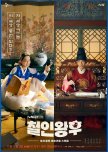
• The "Outsider" Persona in Mr. Queen: She plays a modern, arrogant, womanizing male chef trapped in a historical queen's body. Her performance is loud, highly physical, and relies on comedic dissonance—acting like a modern bro while wearing traditional royal hanbok.
• The "Old Soul" Persona in See You in My 19th Life: She plays Ban Ji-eum, a woman who has lived 19 lives over a thousand years. Here, her acting is quiet, intense, and deeply mature. She captures the exhaustion and wisdom of a millennium-old soul trapped inside a young woman’s body.
• The "Old Soul" Persona in See You in My 19th Life: She plays Ban Ji-eum, a woman who has lived 19 lives over a thousand years. Here, her acting is quiet, intense, and deeply mature. She captures the exhaustion and wisdom of a millennium-old soul trapped inside a young woman’s body.


Time, Reincarnation, and Memory-Based Powers
• Supernatural Burdens: Both K-dramas center around main characters with unique, unconventional fantasy abilities that often feel more like a curse than a gift.
• The Atypical Family: The male lead, Bok Gwi-ju, has the ability to travel back in time, but only to happy memories, and he cannot alter history.
• See You in My 19th Life: The female lead, Ban Ji-eum, has the ability to remember all her past lives spanning nearly a thousand years of history.
• Park So-yi: The most direct connection between both shows is the brilliant child actress Park So-yi. In See You in My 19th Life, she plays the young Ban Ji-eum (the main character as a child). In The Atypical Family, she plays a major role as Bok I-na, the daughter with mind-reading capabilities.



See You in My 19th Life earned 9/10. Genie although causing offensive, could be 7.5/10
Genie, Make a Wish and See You in My 19th Life both blend fantasy with heartfelt romance, using supernatural elements to explore love and destiny.
If you enjoyed the emotional pull and imaginative premise of one, the other offers a similar mix of magical circumstances and character?driven storytelling.
Both were developed under the umbrella of Studio Dragon, which explains why they feel stylistically similar.

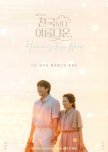
Both series handle reincarnations, the recollection of previous lives and the intertwining of fates in their own way.
In Heavenly Ever After, the afterworld is the post-stage of your recent passed life, where you find closure, and the pre-stage to set off rebirth by learning how your path of fate shaped your past lives and finding accepance. Once reincarnated, all memories of your previous lives and the afterworld vanish.
In See You in My 19th Life, very few individuals remember their past lives under special circumstances. This happens at a very young age. There is no afterworld involved.

Both have a mystical element and a bittersweet history of love with trauma and a lingering past. The vibe of Jirisan is much more serious and mystical, but sweetly enough, I am convinced they even filmed a scene in the same location. See You in My 19th Life is much more bubbly and the characters are younger than in Jirisan.
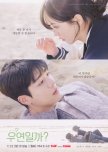
Both shows are based on highly popular Naver Webtoons.
• Serendipity's Embrace is adapted from the webtoon Is It Fate? by Nam Ji-eun and Kim In-ho.
• See You in My 19th Life is adapted from the romance webtoon of the same name by Lee Hey.
Reconnecting with First Love
The primary driving force of both plots is the reunion of childhood or youthful sweethearts after a long separation.
• In Serendipity's Embrace, the main leads unexpectedly cross paths again as adults at age 29, 10 years after their high school days.
• In See You in My 19th Life, the female lead utilizes her reincarnation abilities to deliberately seek out and reconnect with her childhood love from her 18th life.

Both dramas are about reincarnation in multiple lifes and the biggest question is if the protagonists will solve the problem that caused all the reincarnation thing. Another similar thing is that they retain the memories of past lifes.
The difference is that "See you in my 19th life" focus more in the last and current life of protagonist while in "Death's Game" we go through all protagoist's lifes after his main death.
The difference is that "See you in my 19th life" focus more in the last and current life of protagonist while in "Death's Game" we go through all protagoist's lifes after his main death.

Both have a mystical element that ties the couple together with a mutual history that intertwines love and trauma making it bittersweet. Both female leads are quirky and "strange" but still have completely different personalities. Both male leads are emotionally closed off due to past trauma. Link: Eat, Love, Kill is more of a dark comedy whereas See You in My 19th Life is more bubbly.

Deep Childhood Connections
• Past Bonds: Both dramas center on protagonists who share a foundational history during their youth. In Love Next Door, the main leads grew up together in the same neighborhood because their mothers are best friends. In See You in My 19th Life, the female lead originally met and fell for the male lead during her 18th life when they were children.
• Adult Reunions: The emotional drive of both series comes from the characters reconnecting as adults after a long period of separation or dealing with their own respective life paths.
Themes of Healing and "Second Chances"
• Rebooting Life: Both female leads are driven by a need for a fresh start or fulfilling uncompleted business. Love Next Door follows a woman attempting to reboot her life after calling off her wedding and quitting her corporate job. See You in My 19th Life features a protagonist actively using her current reincarnation cycle to reconnect with her childhood love.
• Overcoming Drama & Trauma: The male leads in both stories carry underlying emotional blockades or past vulnerabilities that the female leads help navigate and heal.

Both dramas are about reincarnation in multiple lifes and the biggest question is if the protagonists will solve the problem that caused all the reincarnation thing. Another similar thing is that they retain the memories of past lifes.
The difference is that "See you in my 19th life" focus more in the last and current life of protagonist while in "Death's Game" we go through all protagoist's lifes after his main death.
The difference is that "See you in my 19th life" focus more in the last and current life of protagonist while in "Death's Game" we go through all protagoist's lifes after his main death.