K-Drama

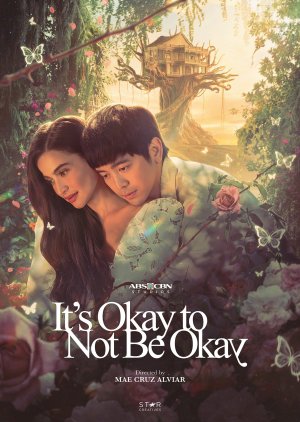
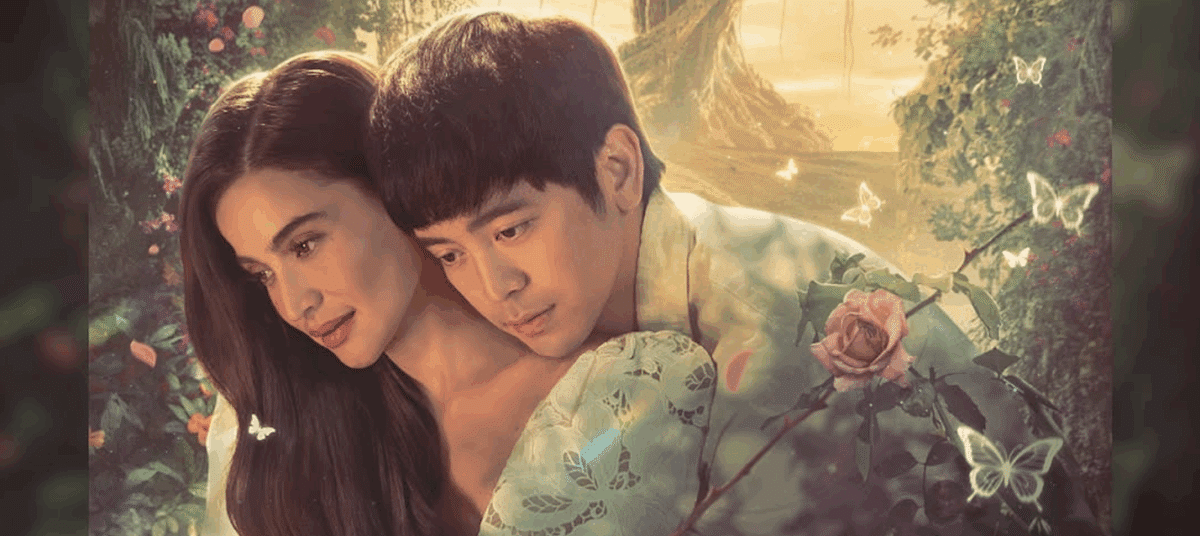
It follows Mia, a woman diagnosed with an antisocial personality disorder, who gets romantically involved with Patpat, a psych ward caretaker, who has dedicated his life to taking care of his autistic older brother Matmat. (Source: ABS-CBN) ~~ Release dates: Jul 18, 2025 (Online) || Jul 21, 2025 (TV) Edit Translation
- English
- Русский
- Français
- Português (Brasil)
- Native Title: It's Okay to Not Be Okay
- Also Known As: It’s Okay to Not Be Okay PH
- Director: Mae Cruz-Alviar
- Genres: Psychological, Comedy, Romance, Drama
Where to Watch It's Okay to Not Be Okay



Cast & Credits
-
") Anne CurtisEmilia Hernandez / "Mia"Main Role
Anne CurtisEmilia Hernandez / "Mia"Main Role -
") Joshua GarciaPatrick Gonzales / "Patpat"Main Role
Joshua GarciaPatrick Gonzales / "Patpat"Main Role -
") Carlo AquinoMatthew Gonzales / "Matmat"Main Role
Carlo AquinoMatthew Gonzales / "Matmat"Main Role -
") Michael de MesaSamuel Hernandez [Mia's father]Support Role
Michael de MesaSamuel Hernandez [Mia's father]Support Role -
") Maricel Laxa-PangilinanOlivia [Nurse]Support Role
Maricel Laxa-PangilinanOlivia [Nurse]Support Role -
") Agot IsidroEden [Nurse]Support Role
Agot IsidroEden [Nurse]Support Role









Reviews

This series is even better than the original!
I started watching Filipino dramas because I got bored with the constant push for perfection in other Asian countries. There’s something really captivating about their authenticity, with all the little imperfections that make it feel genuine. It has a soul that many Korean dramas seem to have lost in their chase for flawless aesthetics .All the actors were fantastic; they truly made this drama special.
The ending was truly satisfying!
Was this review helpful to you?

And I will say it again, wow.
Episodes 1 and 2 were, in one word, awesome. Growing up in the Philippines, I have seen P-drama productions swing wildly from 'embarrassingly bad' to 'painfully laughable', but this? This passed my standards. Easily. I rarely say this, but I approve—at least for these two episodes. I hope, really hope, they can keep this same level of production quality all the way through.
## Anne Curtis
Anne Curtis. Let's talk about her first. She has always been a remarkable actress, but I have not watched any of her shows for years. Seeing her again in this series left me pleasantly surprised—her craft has matured, sharpened, evolved. She nailed her character's vibe, presence, and emotional depth. However… I just wished she spoke more Filipino.
Why? Every time she switches to English, something change, her delivery softens and the impact fades just a little. Meanwhile, when she speaks in Filipino, her lines bite, they carry weight, there is sharpness, a certain heaviness, a rawness that lingers. It is not the same when she goes full English. Taglish works fine—switching mid-sentence, flowing naturally—but pure English dilutes the emotion.
Now, I do wonder if this is less about Anne and more about the language itself. Filipino, and Pacific-Asian languages in general (not 'Asia-Pacific' which includes Oceania), is richer in tone, cadence, and expression. Even Philippine English, though unique, pales in comparison to the colour and rhythm of our native tongues. Maybe English just does not have the same emotional punch for scenes like these.
So, no shade on Anne. It might be a language barrier more than a performance issue. All the more reason for the writers to lean heavier on Filipino dialogue for her moving forward.
## Carlo Aquino
Carlo Aquino plays Matthew Gonzales, or 'Matmat', an autistic character. Based on what I have seen, Matmat most likely falls under Level 2 Support Needs, referencing DSM-5 (North America) and ICD-11 (Europe) standards.
Carlo's portrayal? Spot on. He understands his character is neither Level 1 nor Level 3. He did not overact. He didn not exaggerate. I could tell he researched well, respected the nuances of autistic behaviours, and truly grasped that autism is a multidimensional spectrum—not a linear scale. For that, I offer my sincerest respect and gratitude.
Same praise goes to the director, who clearly took the time to understand autism before stepping into production.
(Quick aside: while many in the autistic community, including myself, are not huge fans of these clinical labels, I am using them here since they are what most non-autistics understand. It is important to meet people where they are before unpacking the more complex realities.)
## Disabilities Representation
One thing that really struck me—they showcased a range of disabilities and mental health conditions from the very start. From episode one, it is clear: this story is to be taken seriously. And that, for me, is everything.
Again, I have no point of reference for the original K-drama. But seeing how the P-drama adaptation treats these topics with weight and dignity? I am here for it. As someone who absolutely despises discrimination and ableist nonsense, this matters to me.
Why does it matter so much? Because too often, disabilities are treated as:
- a joke
- a convenient plot device
- a random twist
- something light and comedic
- or a token flaw people can brush off with the dreadful "we all have disabilities" excuse (just… no).
I am hoping—no, I am begging—that this adaptation keeps this same serious tone and purpose, not just for the premiere but all throughout. I want this show to haunt people in a good way. To remind them of empathy. To make them think twice before judging. To normalise representation while also educating audiences about mental, social, genetic, and psychological conditions.
Because, after all, the title says it clear as day: **It's Okay to Not Be Okay**.
---
* Cover image: Official poster owned and Copyrighted to ABS-CBN, used under "Fair Use".
Was this review helpful to you?