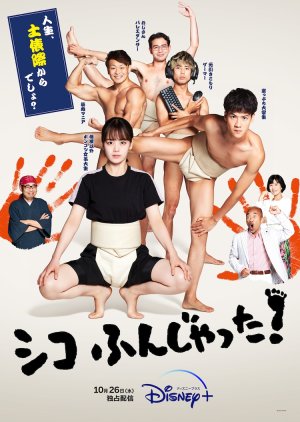
If you’re torn between Shiko Funjatta! and Chihayafuru: Kami no Ku, go with Shiko Funjatta!—it’s better in every way. The characters feel alive, the pacing is tight but natural, and the emotional beats actually land. Chihayafuru isn’t bad—it has heart and visual flair—but it’s so rushed it ends up feeling forced, like it’s sprinting through moments that deserved to breathe. Shiko Funjatta! balances comedy, growth, and team spirit with surprising depth. Highly recommended if you want a sports drama that actually earns its impact.
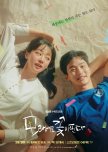
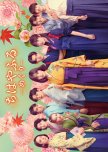
on the writing level i give CFC 10/10, Shiko Funjatta 9/10. They are close. both are masterpieces in our generation.
team camaraderie: Characters discover friendship and unity by committing to a demanding club activity.
tradition meets youth: Each story highlights a deeply traditional Japanese practice (karuta in Chihayafuru, sumo in Shiko Funjatta!) while showing how modern students engage with it.
personal growth: The leads mature by facing setbacks, learning discipline, and finding identity through competition.
emotional highs: Both balance humor, frustration, and heartfelt moments, making the journey resonate beyond the sport itself.
team camaraderie: Characters discover friendship and unity by committing to a demanding club activity.
tradition meets youth: Each story highlights a deeply traditional Japanese practice (karuta in Chihayafuru, sumo in Shiko Funjatta!) while showing how modern students engage with it.
personal growth: The leads mature by facing setbacks, learning discipline, and finding identity through competition.
emotional highs: Both balance humor, frustration, and heartfelt moments, making the journey resonate beyond the sport itself.


A similar tale of a male lead who is lost in life until he met a driven female lead at the most unpopular sports club at the brink of closure, where he encounters various individuals with their own baggage of life trying to find a place they can call home. While Shiko Funjatta is about Sumo, Mirai e no 10 Count is about boxing.


A similar story of a traditional sports club struggling to get new members to join the team. In Asahinagu the female lead joins the club hoping to be as strong as the senior club member that she admires. While Shiko Funjatta is about Sumo dominated by males, Asahinagu is about Naginata dominated by females.