





 1
1



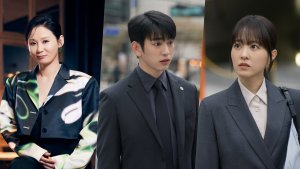 Kim Sun Young confirmed to star alongside Park Bo Young and GOT7's Park Jin Young in 'Our Unwritten
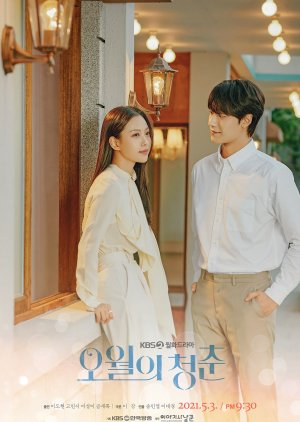
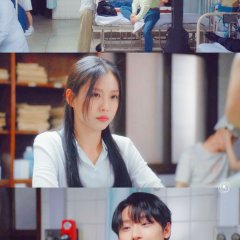
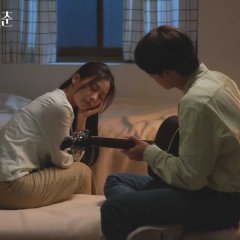
 È un dramma su due giovani che furono travolti dalla rivolta di Gwangju avvenuta nel maggio 1980. Hwang Hee Tae è un piantagrane che odia qualsiasi cosa prevedibile. La sua vita è descritta come "una guerra al pregiudizio" e per rompere il pregiudizio contro i figli allevati da madri single, ha ottenuto voti alti ed è persino entrato al Seoul National University College of Medicine. Suona anche la chitarra e si diverte ad andare nei bar con musica. Tuttavia, a causa di eventi inaspettati, finisce per vivere il maggio più duro della sua vita. Kim Myung Hee è un'infermiera laboriosa che ha lasciato la casa e ora vive a Gwangju da sola. Sebbene non sia abbastanza amichevole da confortare i pazienti che piangono, è abbastanza intelligente e abile da trovare subito il vaso sanguigno appropriato. È più simile a un guerriero che a un angelo e, a differenza del suo bell'aspetto, ha un carattere freddo. Lee Soo Ryun è la migliore amica di Kim Myung Hee. Ha una personalità accomodante che sembra socchiusa con il suo stile preppy. Proveniente da una famiglia benestante, si sente responsabile di essere all'avanguardia nell'assicurare la giustizia nelle questioni sociali. Lee Soo Chan è il fratello maggiore di Soo Ryun. Sta aiutando suo padre con l'azienda di famiglia dopo essere tornato da studi all'estero in Francia. (Fonte: veronika79 at MDL) Modifica la Traduzione
- Italiano
- 한국어
- 日本語
- Arabic
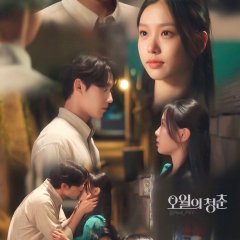
- Titolo Originale: 오월의 청춘
- Conosciuto Anche Come: A Juventude de Maio , May Youth , Owoleui Cheongchun , Owolui Cheongchun , Owolui Chungchoon , Oworui cheongchun , Youth in May , Майская молодёжь , شباب مايو , 五月の青春
- Regista: Song Min Yeop, Lee Dae Kyung
- Sceneggiatore: Lee Kang
- Generi: Romantico, Gioventù, Drama, Melodramma
Dove Guardare Youth of May

Subscription (sub)

Subscription (sub)

Purchase (sub)

Subscription (sub)
Cast & Ringraziamenti
-
") Lee Do Hyun Ruolo Principale
Lee Do Hyun Ruolo Principale -
") Go Min Shi Ruolo Principale
Go Min Shi Ruolo Principale -
") Lee Sang Yi Ruolo Principale
Lee Sang Yi Ruolo Principale -
") Geum Sae Rok Ruolo Principale
Geum Sae Rok Ruolo Principale -
") Oh Man SukHwang Ki Nam [Hee Tae's father]Ruolo di Supporto
Oh Man SukHwang Ki Nam [Hee Tae's father]Ruolo di Supporto -
") Uhm Hyo SubLee Chang Geun [Lee siblings' father]Ruolo di Supporto
Uhm Hyo SubLee Chang Geun [Lee siblings' father]Ruolo di Supporto
Recensioni

Questa recensione può contenere spoiler
Meraviglioso
Uno dei grandi pregi di Youth of May è stato quello di farmi scoprire il libro “atti umani” della scrittrice neo premio nobel Hang Kang.Youth of May è un K-drama coreano ambientato durante il tumultuoso periodo della Rivolta di Gwangju del 1980, (in quegli anni una spietata giunta militare guidava il paese) una delle pagine più tragiche della recente storia coreana. Questa serie racconta la struggente storia tra due giovani, Hee-Tae e Myung-Hee, che impareranno a conoscersi e ad amarsi in un terribile contesto di violenza e brutalità storica.
Hwang Hee-Tae è un brillante studente di medicina figlio di una famiglia benestante in cui il padre é un importante membro della polizia segreta coreana.
Kim Myung-Hee invece è una giovane infermiera che lavora duramente e vive in condizioni modeste con l’ambizione di andare in Germania per studiare ed ottenere una specializzazione.
Le loro vite si incrociano per caso, grazie a un appuntamento combinato che Myung-Hee accetta di fare al posto della sua migliore amica appartenente ad una famiglia ricca di Gwangju.
Myung-Hee, per lealtà verso l'amica e in cambio di un aiuto economico, accetta di prendere il suo posto, dando vita a una serie di incontri apparentemente fortuiti ma destinati a cambiare le loro vite per sempre.
Sebbene inizi con il più classico dei cliché la serie cresce notevolmente riuscendo a mantenere un equilibrio tra sviluppo dei personaggi, narrazione sentimentale e quella storica facendo percepire gradualmente ma inevitabilmente l’addensarsi della tempesta.
Giustizia sociale, sacrificio, perdita e l’inevitabilità del destino, sono alcuni dei temi trattati e che affiorano prepotentemente soprattutto nelle ultime puntate.
Molto probabilmente il fatto di aver reso la serie concentrata in sole 12 puntate (anziché le solite 16/20 standard) ha senz’altro influito sul ritmo mantenendolo incalzante.
Una menzione particolare anche alla fotografia i cui colori pastello riescono a rendere bene la sensazione del passato, è il racconto di una primavera che appassisce, ma nella sua dissolvenza lascia fiori immortali.
Una serie straconsigliata e una delle migliori serie coreane viste quest’anno.
“Che il cuore torni a pensare a quel maggio, è normale. Quando perdi un ombrello che ti piaceva tanto, pensi a quell’ombrello ogni volta che piove. Figuriamoci quando torna la stagione in cui hai perso le persone a te care…è normale che il cuore riviva quei momenti. Come se fosse successo ieri.”
“Fu il nostro maggio, il primo, l’unico”
Voto 10
Questa recensione ti è stata utile?

Poetry in motion
Youth of May is definitely one of the biggest gems of 2021. It's a sweet old-school romance in the backdrop of harsh Gwangju Uprising. If you're aware of the political and social backdrop, you will probably enjoy it even more. But even without it, Youth of May is a soothing love story. It reminds you what it's like to be innocently in love. It's old-fashioned and sincere and gives you a satisfying sense of nostalgia, even if you weren't alive during that time.Lee Do Hyun has proved his versatility as an actor this year. While 18 Again is the crowd-pleaser (and for good reason), I don't know why but none of his characters can steal your heart like Hee Tae. It might be bold of me to say this but Lee Do Hyun outshined everyone on this show.
But that doesn't take away from the fact that this was one of the best cast ensembles we have had in a while. An out and out pool of talent. I have laughed and cried and ached and sympathized with all of their stories and I am going to carry them in my heart for a long time (I guess that's what happens with heavy dramas).
The couple's chemistry was amazing. The sfl nailed it. I really liked her character. The sml also held his own and had some awesome moments, The brothers were AWESOME! The kids stole the show. We had an evil father and an amazing father, both of the actors nailed it. The mums were great too. The friends. The soldiers. The friend-soldiers. It was the perfect cast.
I would say, in conclusion, that even if you're wary of the possible sad ending, go for it because this drama is worth it.
Questa recensione ti è stata utile?