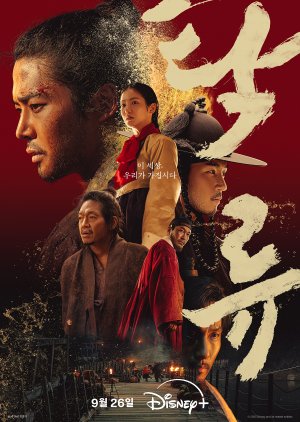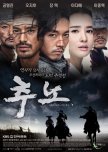
Beyond both being written by Chun Sung-il, The Slave Hunters and Takryu are similar in how they use a Joseon-era setting to critique a corrupt social order, centering on morally complex, wounded protagonists who live on the margins of society and are driven by loss, resentment, and a desire for dignity, while blending gritty action with tragic romance and fatalistic storytelling that emphasizes loyalty, resistance, and the crushing weight of class and power rather than idealized heroism.
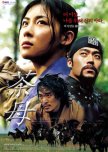
Both Damo and Takryu are Joseon-era historical dramas that blend action, personal struggle, and societal conflict, featuring protagonists shaped by hardship and injustice as they fight against corrupt systems and rigid social hierarchies, with emotional depth, gritty confrontations, and themes of loyalty and survival driving their intertwined fates in harsh, morally complex worlds.
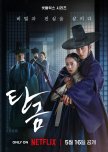
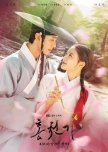
• Historical setting: Both dramas pull you into Joseon-era Korea, where the backdrop of rigid hierarchies, royal courts, and societal rules adds weight to every decision the characters make.
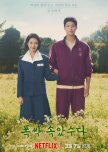
• Fate and destiny: In Lovers of the Red Sky, the leads are bound by supernatural destiny and divine forces. In The Murky Stream, the “destiny” comes more from bloodlines, family ties, and merchant class politics, but in both, the characters’ lives are steered by forces bigger than themselves.
• Court and political intrigue: While Lovers of the Red Sky uses palace drama and royal manipulations, The Murky Stream uses corrupt officials and merchant power struggles. Either way, the storylines hinge on backroom deals, hidden motives, and people trying to outwit those in power.
• Personal struggles: Both dramas ground their larger-than-life elements with deeply human stories—love, ambition, betrayal, loyalty. The protagonists face heavy choices that test not only their morals but also their relationships with the people they love.
• Fate and destiny: In Lovers of the Red Sky, the leads are bound by supernatural destiny and divine forces. In The Murky Stream, the “destiny” comes more from bloodlines, family ties, and merchant class politics, but in both, the characters’ lives are steered by forces bigger than themselves.
• Court and political intrigue: While Lovers of the Red Sky uses palace drama and royal manipulations, The Murky Stream uses corrupt officials and merchant power struggles. Either way, the storylines hinge on backroom deals, hidden motives, and people trying to outwit those in power.
• Personal struggles: Both dramas ground their larger-than-life elements with deeply human stories—love, ambition, betrayal, loyalty. The protagonists face heavy choices that test not only their morals but also their relationships with the people they love.
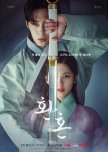
• Fantasy-historical blend: Both shows are not just standard sageuks (historical dramas) — they weave in magic, curses, and supernatural beings alongside Joseon-style backdrops.
• Fate-driven storytelling: In both, the main characters are bound by destiny and forces beyond their control — whether it’s divine curses (Lovers of the Red Sky) or soul-shifting sorcery (Alchemy of Souls).
• Romance with a twist: The central relationships in each drama are charged with romantic tension complicated by supernatural circumstances — love is both a source of strength and danger.
• Identity struggles: Alchemy of Souls leans into literal soul-swapping and hidden identities, while Lovers of the Red Sky uses blindness, curses, and divine possession — but both dramas play with “who am I really?” as a core theme.
• Political intrigue: Neither show sticks to just love and magic — they fold in court politics, rival factions, and power struggles that test loyalty and create high-stakes conflicts.
• Fate-driven storytelling: In both, the main characters are bound by destiny and forces beyond their control — whether it’s divine curses (Lovers of the Red Sky) or soul-shifting sorcery (Alchemy of Souls).
• Romance with a twist: The central relationships in each drama are charged with romantic tension complicated by supernatural circumstances — love is both a source of strength and danger.
• Identity struggles: Alchemy of Souls leans into literal soul-swapping and hidden identities, while Lovers of the Red Sky uses blindness, curses, and divine possession — but both dramas play with “who am I really?” as a core theme.
• Political intrigue: Neither show sticks to just love and magic — they fold in court politics, rival factions, and power struggles that test loyalty and create high-stakes conflicts.
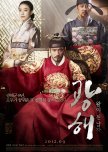
• Both are set in the Joseon era, using history as a stage for bigger questions about power, corruption, and human nature.
• They both dive into political intrigue and corruption — Masquerade focuses on palace officials plotting in the royal court, while The Murky Stream shows corruption flowing through merchants, officials, and society at large.
• At the heart of both stories is the idea of an ordinary or underestimated figure being pushed into a position of leadership, and how that changes them.
• Themes of identity and hidden selves are central: masks, secrets, or hidden pasts drive the drama forward.
• Both works explore how empathy and moral courage can transform leadership, even in dark, cynical times.
And tying it together even more: they share the same director, Choo Chang-min. That’s why you’ll notice a similar tone — elegant but intense, heavy on moral dilemmas, and visually rich with Joseon-era detail.
• They both dive into political intrigue and corruption — Masquerade focuses on palace officials plotting in the royal court, while The Murky Stream shows corruption flowing through merchants, officials, and society at large.
• At the heart of both stories is the idea of an ordinary or underestimated figure being pushed into a position of leadership, and how that changes them.
• Themes of identity and hidden selves are central: masks, secrets, or hidden pasts drive the drama forward.
• Both works explore how empathy and moral courage can transform leadership, even in dark, cynical times.
And tying it together even more: they share the same director, Choo Chang-min. That’s why you’ll notice a similar tone — elegant but intense, heavy on moral dilemmas, and visually rich with Joseon-era detail.
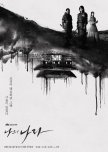
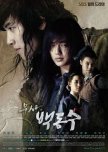
Both dramas are set in the Joseon era and grounded in historical action that explores how individuals navigate a world shaped by corruption, social struggle, and survival, with Warrior Baek Dong-soo following the coming-of-age and martial challenges of a swordsman amidst political factionalism and moral dilemmas, and Takryu (The Murky Stream) centering on a former gangster, a righteous merchant, and an honest official confronting systemic corruption and lawlessness — giving each narrative a gritty, character-driven portrayal of lives shaped by hardship and the fight for justice in a turbulent society.
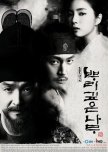
Deep Rooted Tree is similar to The Murky Stream (Takryu) because both are Joseon-era historical dramas that dive into grim political and societal struggles, featuring protagonists shaped by harsh pasts and moral complexity as they confront corruption, power struggles, and personal quests for justice in a turbulent world, blending action, intrigue, and emotional storytelling rather than light romance or simple historical settings.
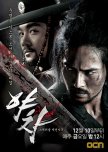
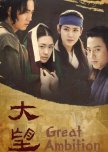
Set in a tumultuous period where the political scene is murky and various people fought to gain power and the throne, the young king will do anything to strengthen his shaky position in court. His childhood friend Baek Rok leads a secret military force loyal to the king, called the "Black Cloud Swords".
Baek Rok lives for his king, his brother Baek Kyul and his lover Jung Yeon, but when his ambitious brother betrays him and leads him into a trap, he finds himself on the run. He becomes a slave and gladiator, eventually returning to Joseon to seek revenge
Baek Rok lives for his king, his brother Baek Kyul and his lover Jung Yeon, but when his ambitious brother betrays him and leads him into a trap, he finds himself on the run. He becomes a slave and gladiator, eventually returning to Joseon to seek revenge
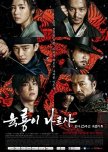
Both Six Flying Dragons and The Murky Stream (Takryu) are Joseon-era historical dramas that explore deep political and social upheaval, moral struggle, and the impact of corruption and ambition on individuals and society, featuring large casts of complex characters shaped by historical conflict, personal hardship, and shifting power structures, blending action, strategic rivalry, and emotionally driven storytelling rather than focusing solely on romance or light-hearted plots.
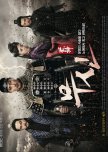
Both God of War (also known as Mooshin) and The Murky Stream (Takryu) are gritty historical Korean dramas that center on protagonists who rise from humble, oppressed beginnings amid chaotic, corrupt times — in God of War a former slave fights and survives through warfare to become a powerful military leader during the Goryeo Dynasty, and in Takryu a gangster with a troubled past struggles to survive and seek justice in a lawless late Joseon world — giving each series a raw, character-driven story of survival, societal conflict, and moral ambiguity in harsh historical settings rather than romantic palace intrigue.
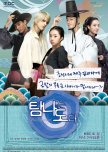
Both Tamra, the Island and The Murky Stream (Takryu) are Korean historical dramas set in the Joseon era, featuring characters who must navigate harsh and challenging social environments shaped by rigid rules, survival struggles, and cultural conflict — Takryu focuses on a former gangster, a righteous official, and others trying to survive and challenge corruption in a lawless setting, while Tamra follows villagers and outsiders dealing with isolationist policies, societal pressures, and personal growth amid hardship, blending historical conflict with character-driven stories of resilience and adaptation even if the tone and genre elements (romance and comedy) differ
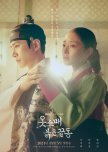
Both The Red Sleeve and The Murky Stream (Takryu) are Joseon-era historical dramas that center on protagonists whose lives are shaped by rigid social structures and personal conflicts within a hierarchical society, with The Red Sleeve following a court lady, Sung Deok-im, who must balance duty, personal desire, and societal expectations while deeply connected to Crown Prince Yi San (later King Jeongjo), and Takryu focusing on Jang Si-yul, a man with a troubled past navigating a corrupt world and fighting for survival and justice — both series highlight characters striving to maintain their identity and moral choices amid pressure from powerful forces in a harsh historical setting rather than purely romantic or escapist narratives.
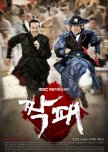
Both The Duo and The Murky Stream (Takryu) are Joseon-era historical dramas that focus on the lives of people shaped by harsh social realities rather than palace intrigue, dealing with class injustice, corruption, and survival in a morally complex world — The Duo follows two men switched at birth who grow up on opposite sides of society and confront systemic corruption and inequality as a bandit and a police chief, while Takryu centers on characters like a former gangster, a righteous merchant, and an honest official struggling against the corrupt structures of late Joseon society — giving each series a gritty, character-driven look at societal struggle, fate, and the fight for justice in a turbulent historical setting.