Groundbreaking
Saw this film at a test screening. As a foreigner living in Japan, it hit me in the feels. Great performances by Chris and Chris. Showing the crosscultural experience as it really is, and LGBT without the "boys love" tropes. Japan needs more films like this!This review wants 300 characters. Is this enough?
Was this review helpful to you?
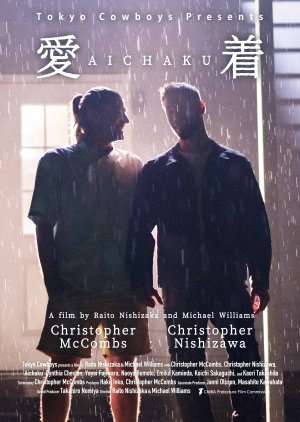
At the test screening in Nakano, Tokyo, one of the directors Micheal remarked that he felt “happy that viewers can view the unique lived experience of foreigners and LGBT people in Japan.” According to the directors, the film was 95% finished with music licensing being the final touches for the film.
The diversity of the story and themes is somewhat unseen in modern cinema with indie films like Aichaku having to pick up the gauntlet, doing so emotionally and with some great acting by the two leads. McCombs especially channeled the exhaustion that foreigners get when the system collapses on top of them into a powerful scene that, as someone who has been in that position millions of times, felt cathartic to see represented. The relationship between the two leads felt very raw and emotional, even if some of the setups played into Japanese tropes. Though to be fair, the film was set in rural Japan where those less-than-modern tropes still flourish.
Aichaku is a heartfelt indie film that has something for everyone, even those outside the LGBT community.
Was this review helpful to you?

This review may contain spoilers
Underrated gem of a movie
You can watch it on GagaOOLala: https://www.gagaoolala.com/en/videos/5641/aichaku-2024I personally really liked it. It's a good movie, and while relying heavily on humor for the most part, it also has serious, heartfelt moments, which I can greatly appreciate.
As a person who experienced a lot of the same or highly similar situations as our main character before, I can say that this movie is a pretty nice and accurate representation of what it feels to live in a foreign country so different from your home country. While a lot of situations here are shown in more of a joking manner, they are still good enough to show the sort of things people have to go through.
I appreciate the maturity from Kumi, Ken's girlfriend. Once she realized that she and Ken have different goals for the future, Kumi chose to leave the relationship like a sane and mature adult without making a scene or accusing Ken of anything, which is always good to see.
Her brother on the other hand, though, is incredibly childish, hostile, and just weird most of the time.
Attacking and screaming at Ken after Kumi broke the things off.
Ken being the only person who actually stood up for Lucas is quite sad but also so nice of him. I really loved Ken as a character, and his growth was incredibly nice to see.
I was so happy to see so many people try to help and stand up for Lucas later on in the movie.
Overall, as I said, I really enjoyed this movie. I think it is great. It has a lot of funny and cute moments, as well as more serious and mature parts that are crucial for a movie like that. It had good representation, and I think this movie definitely deserves more recognition.
Was this review helpful to you?

A Tale of Two Stories
The title of this movie is aptly named. Aichaku literally means in Japanese ‘attachment’. But an attachment to an object that is more like a feeling of affinity – what the object means. It takes on an emotional attachment. And this movie is certainly that. It is a movie filled with a lot of emotional bonds. This is a story about dreams where destiny seemed inevitable. Yet, destiny is not a given and it may not happen at all, no matter how hard one believes. Then the synergy of two men who happen to meet, fall in love, brought strengths with them to make each of their dreams a reality. While the first half was slow-moving, the second half carried the story to fruition. It became relatable, less centrist to one or the other character, and together combined to make dreams happen with a result being a new beginning for both men. Overall, the movie ended up being a very moving and poignant story with periods of humor and touching interactions. Read the full review of this rather entertaining movie at BLBliss.com.Was this review helpful to you?

This review may contain spoilers
A Perfect Movie For Lazy Afternoons!
The title of this movie is aptly named. Aichaku literally means in Japanese ‘attachment’. But an attachment to an object that is more like a feeling of affinity- what the object means. It takes on an emotional attachment. And this movie is certainly that. It is a movie filled with a lot of emotional bonds.However, it takes a long time for the story to get somewhere though. While the first half was interesting, even informative, it was mundane and uneven. It is a story about a focused American gay man, teaching English in the rural countryside of Chiba, Japan. His name is Lucas (Christipher McCombs) who strains to save all his money for something, to the point of forgoing almost all other pleasures. He bikes past an abandoned restaurant on his way to teaching every day and stares in, and we assume that is what he is saving for.
Read the complete article here-
https://the-bl-xpress.com/2025/06/13/aichaku-movie-review/
Was this review helpful to you?
Heartfelt movie
It's in fact quite a fun watch !The movie take the time to set up it's character problematics and make it a real relief when the two meet to unveil part of their personnalities that couldn't shine in front of others.
The story feel a bit rushed toward the end in a sense that the solution to a very big problem seem a bit unrealistic and uncompatible with the way the characters behaves.
Was this review helpful to you?

Feel good movie
If you’re looking for a film that feels like a quiet Sunday afternoon, this is it. It’s a beautiful reminder of why Japanese indie cinema is so special. After the high-octane emotional wreckage of films like 10DANCE, this felt like exactly what my heart needed.The Art of the Slow Start I’ll be honest: at the beginning, I wasn't sure if I was ready for the pacing. It is incredibly slow-paced at the start, taking its time to breathe and set the scene. But as you keep watching, you realise the slowness isn't a flaw—it's the point. It gives the film a distinct short film vibe, where every frame feels curated and every quiet moment has a purpose.
Technical Perfection in Dialogue. One thing that absolutely blew me away was the Japanese-to-English dialogue timing. Often in bilingual films, the transitions can feel clunky or rehearsed, but here, the timing was perfect. A huge part of why this worked so well was the lead American actor’s command of the language. He spoke Japanese so well that it felt completely authentic to the setting. His fluency allowed the conversations to flow without that awkward translation gap you often see in international films. It captured the way real people navigate living between two cultures—the pauses, the hesitations, and the moments where a look says more than a word ever could. It felt seamless, making the connection between the characters feel 100% authentic.
A Feel-Good Mastery. Ultimately, Aichaku is a masterclass in the feel-good genre. It doesn't rely on massive plot twists or acceptance conflict. One scene that could sum up the entire movie is your own mom urging you to find a girlfriend; it is that accepting of LGBTQ . The movie is focused more on growth, settling into a new place and finding your calling. It leaves you with a soft, lingering warmth rather than a sharp ache.
Was this review helpful to you?