 Novità
- Italiano
- 한국어
- 中文(简体)
- ภาษาไทย
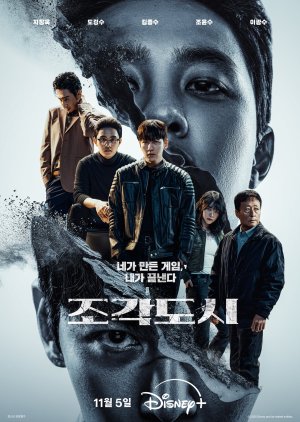
- Titolo Originale: 조각도시
- Conosciuto Anche Come: Carved City , Fabricated City , Jogakdosi , Sculpture City , Sculptured City , Jogakdoshi
- Sceneggiatore: Oh Sang Ho
- Regista: Park Shin Woo, Kim Chang Ju
- Generi: Azione, Thriller, Poliziesco, Drama
Dove Guardare Sculpture City



Cast & Ringraziamenti
-
") Ji Chang WookPark Tae JungRuolo Principale
Ji Chang WookPark Tae JungRuolo Principale -
") Do Kyung SooAn Yo HanRuolo Principale
Do Kyung SooAn Yo HanRuolo Principale -
") Kim Jong SooNo Yong SikRuolo Principale
Kim Jong SooNo Yong SikRuolo Principale -
") Jo Yoon SooNo Eun BiRuolo Principale
Jo Yoon SooNo Eun BiRuolo Principale -
") Lee Kwang SooBaek Do GyeongRuolo Principale
Lee Kwang SooBaek Do GyeongRuolo Principale -
") Yang Dong GeunYeo Deok SuRuolo di Supporto
Yang Dong GeunYeo Deok SuRuolo di Supporto





Recensioni

Revenge drama che segue le orme del film senza però lasciare nuove impronte.
Il drama è il riadattamento del film coreano “Fabricated City” del 2017, sempre interpretato da Ji Chang Wook, incentrato sulla ricerca di vendetta di un giovane uomo comune ingiustamente imprigionato. Non lo ricordo come una pellicola particolarmente eccezionale, ma piuttosto come un buon thriller con molti momenti di tensione legati a scene d’azione. Onestamente non ho ben capito il senso di farne una rivisitazione a più puntate, se non di correre così il rischio di un inevitabile paragone – da qui quindi la necessità di un margine di miglioramento obbligatorio – oltre a riproporre lo stesso attore negli stessi panni, certo sempre molto bravo ma di fatto con non più nella sua epoca d’oro, in termini di apice di carriera e freschezza fisica. Il risultato è un rimaneggiamento che ripercorre sentieri già battuti senza aggiungere però molto di nuovo.Il problema principale è l’ossatura narrativa. Se nel film originale la mancanza di tempo non permetteva un adeguato sviluppo psicologico, nel drama tale approfondimento continua a mancare: il tempo c’è, ma non viene impiegato a dovere. I primi episodi sono tesi, coinvolgenti, mostrando con efficacia la caduta nell’inferno carcerario di Park Tae Joon, un onesto fattorino incastrato per omicidio. La regia è curata, il ritmo incalzante e la promessa è quella di un thriller di alto livello. Poi, però, l’impressione è che la serie inizi a girare a vuoto, anche ripetendo alcuni meccanismi. Un esempio lampante sono i pestaggi in prigione: dopo il terzo o quarto scontro in cui Tae Joon, nonostante le ferite, si rialza e affronta i detenuti di turno, l’effetto sorpresa svanisce, lasciando spazio a una stancante sensazione di déja vu.
La trasformazione del protagonista è un po’ poco credibile. Da semplice corriere gentile con la passione per le piante ad abile evaso strategico e leader di una propria vendetta, il passo è decisamente troppo breve. In cella studia e si allena, va bene, ma una volta fuori dal carcere Tae Joon sembra improvvisamente in grado di manovrare fili e risorse con la sicurezza di un consumato uomo d'azione. Nel film, va detto, la discrepanza era ancora più evidente, già che il protagonista era un giovane ragazzo un po’ pigro e con la fissa dei videogiochi, con tanto di lavata di capo materna. Nel drama, quanto meno, abbiamo a che fare con un adulto responsabile. Ma il cambiamento, ad ogni modo, lascia qualche perplessità.
Il cattivo interpretato da Do Kyung Soo si rivela un'arma a doppio taglio. L’attore, idol di professione, ci mette tutto il suo impegno e regala momenti di autentico disagio alternando espressioni imperscrutabili a sorrisi psicopatici. Un personaggio apparentemente interessante, ma tratteggiato con troppa superficialità: An Yo Han è un folle senza una vera psicologia alle spalle, le sue motivazioni sono vaghe e la sua onnipotenza rasenta a volte il ridicolo. Sembra muoversi in un videogioco, passando da un'idea criminale all'altra senza una logica coerente, quasi fosse randomico. La sua follia, invece di essere un abisso, è una pozzanghera: si vede subito il fondo e non fa poi così paura. Bella l’idea, discutibile il risultato: il “villain” psicopatico è tra i più difficili da portare in scena in modo credibile.
Il personaggio femminile secondario è un'altra occasione sprecata. Introdotta con un certo potenziale, rimane per certi versi una figura marginale in una storia che non sa come impiegarla. Nessun romance – e così era anche nel film – perché la vicenda vuole focalizzarsi unicamente sulla vendetta di Tae Joon. Forse, però, al drama la stampella di una love story sarebbe in parte servita a traballare di meno. L’unico aspetto interessante di No Eun Bi è la questione del legame con il padre, a sua volta buona spalla del protagonista. Ho però preferito di gran lunga la figura femminile presente nel film, una gamer sociopatica apprezzabile nel suo essere davvero inusuale.
L’ultima parte del drama è un vero e proprio caos narrativo. La trama si perde in inseguimenti e scene rocambolesche mentre il piano di An Yo Han diventa sempre più fumoso e privo di una direzione chiara e precisa. Il finale è sbrigativo, poco soddisfacente e incapace di dare una degna chiusura alle sofferenze del protagonista e alla tensione accumulata - e dispersa - negli episodi precedenti.
E arriviamo a Ji Chang Wook. La sua recitazione è, come sempre, indubbiamente valida: carismatico e fisicamente in forma, a livello espressivo regala tutto il dolore e la determinazione possibili. Ma il suo talento, qui, sembra messo al servizio di un’operazione nostalgica poco felice. E’ stato uno dei miei primi attori coreani preferiti, e mi fa un po’ specie ritrovarmi – oggi – a fare certe tristi considerazioni: i tempi di “Healer” e “Suspicious partner” sembrano sempre più lontani, mentre gli ultimi anni sono una carrellata di tentativi che non riescono ad andare veramente a segno. E rivederlo in una rivisitazione allungata di un suo vecchio film non proprio di successo, anziché esaltarlo, aumenta la sensazione di un’occasione mancata per rilanciarsi con qualcosa di davvero nuovo e meritevole.
In conclusione, Sculpture City/The Manipulated è una serie che funziona a tratti, sorretta dall'interpretazione del suo protagonista, ma che affonda sotto il peso di una storia ripetitiva e di una gestione maldestra dei suoi elementi migliori. La fotografia è curata, la regia dinamica, le coreografie d’azione ben realizzate, ma manca di autenticità e spessore, con contenuti a mera fruizione dello spettatore. Un prodotto lucido e patinato, insomma, ma con un cuore di plastica.
Questa recensione ti è stata utile?

Questa recensione può contenere spoiler
Un ottimo drama che unisce thriller e azione con una performance incredibile di Ji Chang-wook
La serie è ben strutturata, a livello narrativo è scorrevole ed il ritmo è incalzante e di suspence. La trama affronta temi davvero pesanti, che fanno venire volutamente angoscia e senso di ingiustizia nello spettatore, in modo tale da allinearsi con i pensieri e le azioni del protagonista. Secondo me ci sono anche più trigger warning rispetto a quelli dichiarati.La vendetta di Tae-jung è lenta ma inesorabile e supportata da anni di sofferenze e ingiustizie. Per lui c'è anche un leggero alone di speranza che coincide con personaggi come il ministrante Noh e la guardia carceraria. Mi sono sinceramente innervosita in più punti per la pessima gestione del carcere (spero che nella vita reale non sia davvero così) e per l'ignoranza della giustizia in generale.
Le scene d'azione sono ben realizzate e a livello cinematografico è assolutamente godibile. Ci sono però alcuni punti non limpidissimi e che mi hanno un po' fatto storcere il naso. In primo luogo, l'antagonista Yo-han non viene approfondito più di tanto, voglio dire sembra solo un inquietante pazzo sgravato che si diverte nel distruggere la vita alle persone e nel vederle soffrire. Secondo me ci devono essere delle motivazioni valide dietro le azioni dei personaggi, è un escamotage narrativo presentarlo come pazzo e basta, il villan per essere tale di solito ha delle solide ragioni.
In secondo luogo, trovo la serie poco credibile in certi punti: in questo universo sembra che non esistano concetti come la "fabbricazione di prove" ed i "ragionevoli dubbi". Mi sono chiesta davvero come la giustizia potesse far così schifo. Non mi è chiara nemmeno la sparizione della fidanzata di Tae-jung, letteralmente evaporata nel giro di due episodi e mai più rivista, al contrario del suo gruppo di amici.
Il finale secondo me è la parte un po' meno coerente, per carità è soddisfacente da un punto di vista emotivo e narrativo però Yo-han non sarebbe dovuto morire. Glielo dice Tae-jung stesso che non lo avrebbe ucciso per consegnarlo alla legge ed avere una punizione legale. Invece, nei minuti successivi si scopre che è scoppiato un incendio e lui è morto dentro casa sua, dopo che Tae-jung lo aveva infilzato come uno spiedino. Sarebbe stato molto meglio vederlo in carcere per chiudere un po' il cerchio che è iniziato proprio lì, troppo facile morire. Ci sono anche certi fattori un po' surreali, i personaggi sembrano fatti di gomma, il protagonista in primis è letteralmente un pungiball, tutte le botte, le ferite, gli accoltellamenti e le sparatorie, non lasciano il minimo segno o effetto collaterale sulla salute (eccetto quella cicatrice insignificante sul naso). Un'altra sparizione un po' random è stata quella dei carcerati al circuito automobilistico dopo che Tejoong è evaso.
Resta comunque un drama che ti tiene incollata allo schermo, con tanta azione e attori davvero bravissimi.
Questa recensione ti è stata utile?