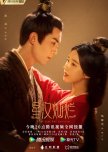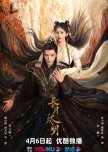
ANGST ANGST ANGSTTT
- love hate
- got that sortaaa similar vibe from some scenes in the trailer
- so much angst from the looks of it, very similar
- also FL actress the same!!!
- love hate
- got that sortaaa similar vibe from some scenes in the trailer
- so much angst from the looks of it, very similar
- also FL actress the same!!!
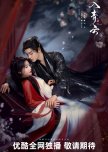
Both dramas were romance fantasy. It is set on historical setting and has supernatural and wuxia elements.
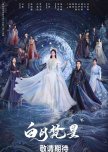
If you liked this one you might also like Moonlight Mystique plus Its Bai lu..Yk.!!!!........................
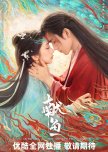
WDBTD and Feud both take the xianxia blueprint and fill it with bruised, almighty men and women who love them anyway. On the surface, they share plenty: epic backstories, betrayal, gods and demons wrestling with destiny. But the difference lies in tone. WDBTD never forgets to breathe — its tragedy is tempered by Tingyan’s sly humor, her “accidental vacationer” antics constantly cutting through the darkness. Even as Sima Jiao carries centuries of rage, the romance feels vibrant, sensual, and alive, built on everyday moments that soften his fire. By contrast, Feud dives headlong into grief. Every revelation is another wound, every tender moment overshadowed by the weight of what’s unsaid. It’s moving, yes — but its love story feels like one long lament, beautiful in its tragedy but suffocating in its relentlessness.
Where WDBTD gave me balance — laughter threaded through the angst, romance that felt like salvation as much as suffering — Feud often left me feeling heavy. Hua Ruyue and Bai Jiusi’s bond is compelling, but even in their “happy times,” their fundamentally different ways of seeing the world kept them apart. Their love was always framed by pain, by grief, by silence, and while that makes for layered storytelling, it also made their happiness feel fragile, fleeting, almost illusory. In the end, both dramas are about love colliding with impossible odds, but WDBTD let me feel joy alongside the heartbreak, while Feud left me stranded in the sorrow.
Where WDBTD gave me balance — laughter threaded through the angst, romance that felt like salvation as much as suffering — Feud often left me feeling heavy. Hua Ruyue and Bai Jiusi’s bond is compelling, but even in their “happy times,” their fundamentally different ways of seeing the world kept them apart. Their love was always framed by pain, by grief, by silence, and while that makes for layered storytelling, it also made their happiness feel fragile, fleeting, almost illusory. In the end, both dramas are about love colliding with impossible odds, but WDBTD let me feel joy alongside the heartbreak, while Feud left me stranded in the sorrow.

- Both have similar vibe of playing married couple in mortal realm.
- Both leads are powerful
- Both MLs have task of protecting the universe and their love for the FLs should not interfere with.
- Both leads are powerful
- Both MLs have task of protecting the universe and their love for the FLs should not interfere with.
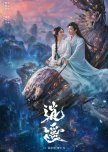
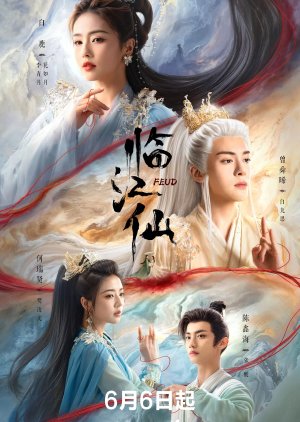
In a captivating fairytale, Li Qing Yue, a powerful immortal blessed by the Four Spirits, and Bai Jiu Si, a revered master of Dacheng, find themselves drawn together. However, a cruel twist of fate leads to a misunderstanding that ignites a heartbreaking conflict, even resulting in their demise.
But destiny is not done with them yet. Granted a second chance, they mend their broken bond and join forces as champions. Together, the immortal and the master unite to protect the innocent from a looming threat.
But destiny is not done with them yet. Granted a second chance, they mend their broken bond and join forces as champions. Together, the immortal and the master unite to protect the innocent from a looming threat.
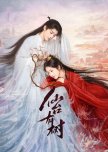
- Both of them have a past together full of misunderstandings.
- Both have a reincarnated FL with no memories of her past life.
- Both dramas were romance fantasy.
- Both have a reincarnated FL with no memories of her past life.
- Both dramas were romance fantasy.
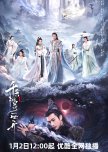
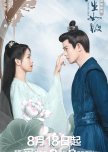
One and Only and Feud both ask the same heartbreaking question: what happens when love is buried under duty, grief, and impossible choices? In both, Bai Lu shines as a heroine whose love is deep, enduring, and quietly devastating — Cui Shiyi with her patient devotion, Hua Ruyue with her compassion twisted by loss. Both stories build romance out of restraint: love that’s not shouted from rooftops, but lived in sacrifices, glances, and the weight of what’s left unsaid. If you’re drawn to relationships where silence speaks louder than words, where love is fierce but fragile under the hand of fate, both dramas deliver in spades.
Where they part ways is in tone. One and Only is tragedy wrapped in tenderness: it breaks your heart gently, giving you fleeting moments of warmth and family before fate snatches it away. Feud, by contrast, leans harder into grief and moral ambiguity — love entangled with anger, misunderstandings, and wounds so deep that even “happy” moments carry shadows. It’s heavier, more relentless, and better suited for viewers who want to sit in that ache and explore how love and hatred can blur into one another. Both dramas will make you feel, but in very different registers: one a beautiful heartbreak you’ll cherish, the other a storm of sorrow that lingers long after the credits roll
Where they part ways is in tone. One and Only is tragedy wrapped in tenderness: it breaks your heart gently, giving you fleeting moments of warmth and family before fate snatches it away. Feud, by contrast, leans harder into grief and moral ambiguity — love entangled with anger, misunderstandings, and wounds so deep that even “happy” moments carry shadows. It’s heavier, more relentless, and better suited for viewers who want to sit in that ache and explore how love and hatred can blur into one another. Both dramas will make you feel, but in very different registers: one a beautiful heartbreak you’ll cherish, the other a storm of sorrow that lingers long after the credits roll
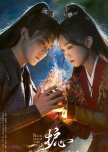
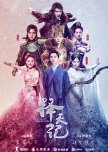
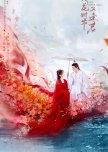
Feud and TBBM are both fantasy romance dramas about couples who start off at odds but slowly grow closer through shared struggles. They’re set in magical worlds with cultivation, fate, and emotional healing at the center. Feud is more tragic and intense, while TBBM has more political drama and slow-burn trust. Both stories focus on love, second chances, and finding each other again after pain.
According to legend, Dongfang Qing Cang of the Moon Tribe became an emotionless monster to gain immense power, killing his father, seizing the title of Moon Supreme, and leading 100,000 Moon Tribe soldiers on a path of destruction. To stop him, the first God of War of Shuiyuntian sacrificed her primordial spirit, sealing Dongfang Qing Cang's army and locking him in the Haotian Tower.
30,000 years later, a disturbance in the Haotian Matrix draws Orchid, a weak flower fairy, into the tower, where she encounters the Moon Supreme. Their meeting triggers a series of events that could once again threaten the world's fate.
30,000 years later, a disturbance in the Haotian Matrix draws Orchid, a weak flower fairy, into the tower, where she encounters the Moon Supreme. Their meeting triggers a series of events that could once again threaten the world's fate.
In a captivating fairytale, Li Qing Yue, a powerful immortal blessed by the Four Spirits, and Bai Jiu Si, a revered master of Dacheng, find themselves drawn together. However, a cruel twist of fate leads to a misunderstanding that ignites a heartbreaking conflict, even resulting in their demise.
But destiny is not done with them yet. Granted a second chance, they mend their broken bond and join forces as champions. Together, the immortal and the master unite to protect the innocent from a looming threat.
But destiny is not done with them yet. Granted a second chance, they mend their broken bond and join forces as champions. Together, the immortal and the master unite to protect the innocent from a looming threat.