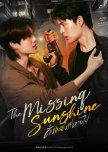
Um homem que odeia sua mãe (e gatos) é forçado a cuidar do gato de sua mãe e a trabalhar com um belo cobrador de dívidas - e um gato certificado - para se livrar da dívida que sua mãe deixou. (Fonte: Inglês = kisskh || Tradução = kisskh) Editar Tradução
- Português (Brasil)
- ภาษาไทย
- Русский
- Українська
- Título original: เปย์รักด้วยแมวเลี้ยง
- Também conhecido como: Pay Love Through Cats , Pay Rak Duai Maeo Liang
- Roteirista: Pongset Laksamipong, Nichaphat Buranadilok
- Diretor: Kornphom Niyomsilp
- Gêneros: Comédia, Romance, Fantasia
Elenco e Créditos
-
") Khaotung Thanawat Rattanakitpaisan"Lynx" Ashira WilawongPapel Principal
Khaotung Thanawat Rattanakitpaisan"Lynx" Ashira WilawongPapel Principal -
") First Kanaphan Puitrakul"Tiger" Thatchakorn AranyasiriPapel Principal
First Kanaphan Puitrakul"Tiger" Thatchakorn AranyasiriPapel Principal -
") Satang Kittiphop SereevichayasawatLeoPapel Secundário
Satang Kittiphop SereevichayasawatLeoPapel Secundário -
") Fresh Arisara Wongchalee"Meow" Pan-ari WilawongPapel Secundário
Fresh Arisara Wongchalee"Meow" Pan-ari WilawongPapel Secundário -
") JJ Chayakorn JutamatKraporPapel Secundário
JJ Chayakorn JutamatKraporPapel Secundário -
") Great Sapol AssawamunkongPom [Veterinarian]Papel Secundário
Great Sapol AssawamunkongPom [Veterinarian]Papel Secundário












Resenhas

Esta resenha pode conter spoilers
Meh, quer dizer… Meow?
Comecei Cat for Cash sem grandes expectativas. Desde o início parecia aquele BL mais “slice of life”, o que não é um problema pra mim, eu até gosto do gênero, mas também não é algo que me empolgue automaticamente.O primeiro episódio até surpreende, principalmente por causa da mãe do Linx. Mas aí vem essa história de maldição/magia (ou seja lá como devemos chamar isso) envolvendo entender os gatos… e eu fiquei completamente perdida. Não li a sinopse antes de começar, então achei bem???
Depois desse começo, a sensação que fica é que a história simplesmente não anda. Os episódios seguintes parecem girar no mesmo ponto, sem um avanço real no conflito ou nos personagens.
Sobre o Tiger
Ele definitivamente não me convenceu como cobrador de dívidas. Primeiro porque ele mal trabalha, passa praticamente o tempo todo no café de gatos.
Segundo porque não entendo muito bem por que ele tem esse emprego, considerando que a família dele aparentemente tem uma boa condição financeira. Pode ser que eu tenha perdido algum detalhe (estava assistindo em 2x, confesso), ou desviado a minha atenção já que a história não está me prendendo.
Terceiro, a alergia dele a gatos é outra coisa que me incomodou bastante. Ele simplesmente não pode encostar nos gatos e pronto? Fica o tempo todo no ambiente, mas isso não afeta? Nunca vi uma alergia tão seletiva assim. Pelo que eu sei, mesmo só estar no mesmo espaço já costuma causar reação, por causa dos pelos e das partículas no ar. Pra mim, isso fez zero sentido.
Sobre o Linx e os outros personagens, sinceramente, ainda não tenho muito o que comentar.
O romance é até ok. Funciona? eu acho, talvez por causa dos FirstKhao. E as vezes, mesmo o BL não sendo dos melhores, ganha mais engajamento e aceitação por causa do Shipp ser grande na indústria.
Mas também não estou verdadeiramente conectada. Não tem aquele elemento que me faça esperar ansiosamente pelo próximo episódio.
No geral, é uma série que não me envolveu. Nem a trama deles, nem dos gatos. E olha que meu sonho é ter um gato, então esperava me encantar bem mais, mas a narrativa não me ajudou.
Agora minhas conclusões finais após finalizar.
No geral, eu achei bem ok.
Não me afeiçoei a nenhum personagem, como já tinha comentado antes, e continuo achando que algumas questões não fizeram muito sentido.
Admito que me senti um pouco emotiva e até derramei algumas lágrimas por causa da vovó gata. Mas não acho que isso tenha sido mérito da narrativa ou dos personagens em si, e sim por um motivo pessoal que acabou sendo um gatilho pra mim.
Enfim, é uma história bem leve na e cotidiana na maior parte do tempo. Eu particularmente, terminei mais por insistência do que por envolvimento. Não me prendeu, nem pela história, nem pelo romance, nem pelos personagens. No meu caso foi um BL que passou, mas que não ficou, entendem?
Mas acredito que possa ter funcionado melhor para outras pessoas.
Esta resenha foi útil para você?

10/10 Soft Paws, Sharp Feels
10/10 Soft Paws, Sharp FeelsCat for Cash is one of those rare dramas that quietly pulls you in and then absolutely devastates you-in the gentlest, most unexpected way.
At first glance, it plays like a quirky, feel-good BL rom-com:
Lynx, an interpreter who resents his late mother and hates cats, is forced to take over her debt-ridden cat café. To clear the debt, he ends up working with Tiger-a kind-hearted (and very handsome) debt collector who loves cats and can somehow understand their meows. It's an odd, almost whimsical premise, but the series handles it with surprising sincerity and emotional depth.
What starts as an enemies-to-lovers setup gradually unfolds into a deeply personal story about grief, abandonment, and reconciliation.
The emotional turning point comes early with the death of Lynx's mother, Je Meow. Her passing doesn't just set the plot in motion-it defines it. Lynx's grief is messy, layered with resentment and unresolved pain. He isn't just mourning her death; he's mourning a relationship that never felt whole.
As the series progresses, the café becomes more than just a setting-it becomes a space of healing. The cats, each with distinct personalities, act as emotional bridges between Lynx and the memories he's been trying to avoid.
One of the most devastating arcs involves Grandma Juju, Lynx's first adopted cat. In a heartbreaking moment, Lynx finally gains the ability to understand cats-just in time to hear Juju thank him and say goodbye before passing away.
That scene is quietly brutal. No over-the-top dramatics-just raw, restrained emotion that hits deeply.
Equally powerful is Lynx's reconciliation with his mother.
Through memories, conversations, and the lives she left behind, he begins to understand her love in a way he never could before. It's not a clean resolution-but it's honest, and that's what makes it land.
At the heart of the series is the relationship between Lynx and Tiger.
Unlike many BLs that rely on external conflict or drawn-out misunderstandings, their connection develops organically-through silence, shared routines, and small acts of care. It's a slow burn that prioritises emotional intimacy over physical expression.
Tiger stands out as a refreshing male lead. Despite being a debt collector, he's gentle, emotionally intuitive, and deeply compassionate-especially when it comes to Lynx and the cats. There's also a subtle but powerful layer to his character: his love for cats despite being allergic to them. It becomes a metaphor for loving something fully, even when you can't hold it close.
Lynx, on the other hand, carries the emotional weight of the story. His journey-from guarded, resentful, and emotionally distant to someone capable of accepting love-is the strongest arc in the series.
That said, the romance may feel understated for some viewers. The series leans heavily into emotional connection, with minimal physical affection. It's a deliberate choice-artistic and refreshing-but it does leave the relationship sitting in a slightly ambiguous space at times.
The series is anchored by the chemistry and restraint of its leads: First Kanaphan as Tiger delivers a soft, grounded performance filled with warmth and quiet sincerity.
Khaoutung Thanawat as Lynx offers a more subdued, internalised portrayal-proving his range with a performance that relies on silence as much as dialogue. Satang Kittiphop as Leo adds tension and emotional contrast. Fresh Arisara as Je Meow leaves a lasting impression-her presence is comforting, even in absence. Even the names of the characters are feline and I love it.
Directed by Kornphom Niyomsilp, the series takes a more intimate, character-driven approach. It avoids flashy storytelling in favour of quiet, reflective moments.
The screenplay by Pongsate Lucksameepong and Nichapat Buranadilok is one of its strongest elements. The pacing is deliberately slow, allowing characters to breathe and relationships to develop naturally. Instead of forcing drama, it builds emotional investment through routine, silence, and subtle gestures.
Visually, the series leans into warm tones, soft lighting, and intimate framing. The cat café feels like a sanctuary-filled with memory, affection, and unresolved pain. The cinematography often feels like watching memories unfold rather than scenes.
The soundtrack deserves special mention. It's subtle but incredibly effective-knowing exactly when to hold back and when to amplify emotion. Even the opening credits, featuring the cats in playful montages, set the tone beautitully.
At its core, Cat for Cash explores: Grief and unresolved family trauma, forgiveness and reconciliation, found family and love in its quietest, most patient form. It also uses cats as a central metaphor-representing independence, distance, and silent affection. The relationship between Lynx and Tiger mirrors this beautifully: one distant and guarded, the other open and quietly persistent.
In a genre often driven by high drama and big twists, Cat for Cash chooses a softer path. It's smaller in scale, slower in pace, and far more intimate in execution.
It won't be for everyone-especially if you're expecting a more conventional BL with clear romantic milestones. But if you're open to something quieter, more reflective, and deeply emotional, this series delivers.
It doesn't scream for attention. It doesn't force its impact.
It simply stays with you.
I laughed, I cried... and then I cried again. And for a story this gentle to leave that kind of mark-that's something special.
Esta resenha foi útil para você?