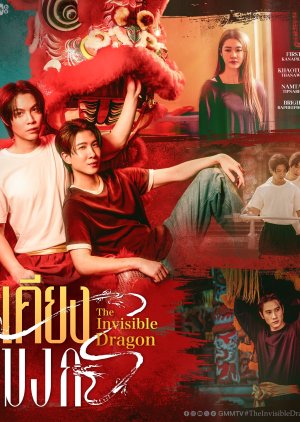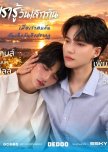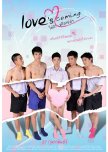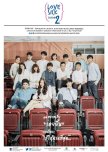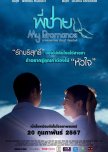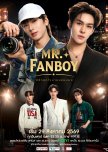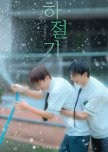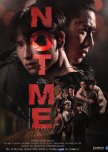
- shared starring cast (First)
- family issues & complex identity struggles
- heavy angst and high emotional stakes
- high-stress environment with little comfort
- themes of tradition, societal pressures, and rebellion
- atmospheric and cinematic tone
- underdog mentality & fighting for recognition
- physical demands & action elements
- themes of duty vs. desires
- complex morality & gray characters
- high visual symbolism
- family issues & complex identity struggles
- heavy angst and high emotional stakes
- high-stress environment with little comfort
- themes of tradition, societal pressures, and rebellion
- atmospheric and cinematic tone
- underdog mentality & fighting for recognition
- physical demands & action elements
- themes of duty vs. desires
- complex morality & gray characters
- high visual symbolism
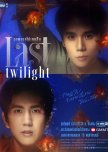
* rich thai-chinese family culture and traditions
* huge family expectations and strict pressure
* deep emotional angst and romantic tension
* feeling like an outsider and trying to fit in
* lots of personal hurt with very little comfort
* high aesthetic and atmospheric visual direction
* growing feelings mixed with intense competition
* huge family expectations and strict pressure
* deep emotional angst and romantic tension
* feeling like an outsider and trying to fit in
* lots of personal hurt with very little comfort
* high aesthetic and atmospheric visual direction
* growing feelings mixed with intense competition
-cinematically and aesthetically similar
-thai-chinese culture
-too much emotion
-angst
-hurt/comfort/healing
*expectations
-firstkhaotung is also in mc as side characters and khaotung was awarded for his role here
-side characters are also top tier actors in both
-good acting and chemistry
-beautiful music
-realistic
-thai-chinese culture
-too much emotion
-angst
-hurt/comfort/healing
*expectations
-firstkhaotung is also in mc as side characters and khaotung was awarded for his role here
-side characters are also top tier actors in both
-good acting and chemistry
-beautiful music
-realistic
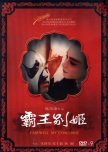
even though the invisible dragon and farewell my concubine come from very different cultures and tones, they do share some deeper thematic parallels
1. both are centered around traditional performance arts (dragon dance and peking opera) that deeply influence how characters see themselves
2. in FMC, their roles on stage literally shape who they are and in TID, the dragon dance is tied to identity, pride, and self-worth.
3. a core theme in FMC is,
"the uncertainty of identity" and not knowing where they belong. in TID, earn struggles w being adopted and lacking "dragon blood" (symbolic identity crisis)
4. cultural heritage as the main context
5. tradition vs personal desire
6. emotional intensity and melodrama
7. imbalance of power within relationships
8. external pressures affecting relationships
9. metaphorical symbolism tied to performance
10. classism
even tho both are from very different timelines and have a different plot but they share the core idea that love, identity, and performance are inseparable and often destructive
1. both are centered around traditional performance arts (dragon dance and peking opera) that deeply influence how characters see themselves
2. in FMC, their roles on stage literally shape who they are and in TID, the dragon dance is tied to identity, pride, and self-worth.
3. a core theme in FMC is,
"the uncertainty of identity" and not knowing where they belong. in TID, earn struggles w being adopted and lacking "dragon blood" (symbolic identity crisis)
4. cultural heritage as the main context
5. tradition vs personal desire
6. emotional intensity and melodrama
7. imbalance of power within relationships
8. external pressures affecting relationships
9. metaphorical symbolism tied to performance
10. classism
even tho both are from very different timelines and have a different plot but they share the core idea that love, identity, and performance are inseparable and often destructive