



Love Was Never an Accident A Clever Romance Wrapped in Strategy
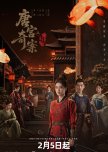
It is a historical romance drama built around court politics, loyalty, and hidden motives. The story follows characters navigating power struggles inside the royal court while carrying personal secrets that shape their relationships.
The central romance develops slowly against this political backdrop. It is not exaggerated or overly dramatic. Much of the emotion is shown through restraint rather than grand speeches. The breakup between the leads is a key turning point in the series. At first it feels like a painful collapse of trust and love. However, as the later episodes unfold, it becomes clear that the separation ties into larger strategic decisions connected to survival and protection within the court’s dangerous environment. The emotional conflict is directly linked to the political stakes of the story.
The drama is not flawless. There are a few plot gaps and moments where certain events move forward a bit too conveniently. Some conflicts resolve quicker than expected. Still, the overall narrative structure remains consistent, and the emotional payoffs are handled with care. The themes of sacrifice, loyalty, and truth remain clear from beginning to end.
The cast delivers controlled performances. The lead actors maintain believable chemistry without overacting. Supporting characters play defined roles within the political structure, contributing to the tension inside the court. No major character feels unnecessary.
Visually, the production design is strong. Costumes reflect rank and status, with detailed robes, layered fabrics, and formal court attire. The color choices often shift depending on the mood of the scene, especially during tense political confrontations.
The final episode stands out, particularly Pei Yi’s speech regarding the king. That scene shifts the focus away from court power and back to the people affected by it. She enters the court, speaks plainly, and exposes what truly matters. Her words highlight that the real heart of the story was never the king’s authority, but the lives shaped by his rule. That closing moment reframes the entire drama and gives it a grounded, human conclusion.
Unveil: Jadewind may not be perfect, but it tells its story with intention. The romance, the politics, and the ending all connect in a way that feels purposeful and complete.
The central romance develops slowly against this political backdrop. It is not exaggerated or overly dramatic. Much of the emotion is shown through restraint rather than grand speeches. The breakup between the leads is a key turning point in the series. At first it feels like a painful collapse of trust and love. However, as the later episodes unfold, it becomes clear that the separation ties into larger strategic decisions connected to survival and protection within the court’s dangerous environment. The emotional conflict is directly linked to the political stakes of the story.
The drama is not flawless. There are a few plot gaps and moments where certain events move forward a bit too conveniently. Some conflicts resolve quicker than expected. Still, the overall narrative structure remains consistent, and the emotional payoffs are handled with care. The themes of sacrifice, loyalty, and truth remain clear from beginning to end.
The cast delivers controlled performances. The lead actors maintain believable chemistry without overacting. Supporting characters play defined roles within the political structure, contributing to the tension inside the court. No major character feels unnecessary.
Visually, the production design is strong. Costumes reflect rank and status, with detailed robes, layered fabrics, and formal court attire. The color choices often shift depending on the mood of the scene, especially during tense political confrontations.
The final episode stands out, particularly Pei Yi’s speech regarding the king. That scene shifts the focus away from court power and back to the people affected by it. She enters the court, speaks plainly, and exposes what truly matters. Her words highlight that the real heart of the story was never the king’s authority, but the lives shaped by his rule. That closing moment reframes the entire drama and gives it a grounded, human conclusion.
Unveil: Jadewind may not be perfect, but it tells its story with intention. The romance, the politics, and the ending all connect in a way that feels purposeful and complete.
Was this review helpful to you?


