


 1
1


The Romance Drama That Breaks the Usual Cliches
I started About Love expecting the same formula that many Chinese romance dramas usually follow. Most of the time it is sweet scenes repeated again and again, unnecessary misunderstandings, and characters acting unrealistically just to keep the story going. But this drama surprised me in a very good way.About Love is not the typical lovey lovey romance story. The relationship feels much more raw and realistic. The characters are flawed and emotional and sometimes even frustrating, but in a way that actually feels human. They make decisions based on pride, fear, and personal struggles instead of just following predictable drama logic.
One thing I appreciated a lot is that the writing respects the audience. The story does not drag the same misunderstanding forever and the conflicts move forward naturally. Conversations between the characters feel genuine and sometimes uncomfortable, which makes the emotional moments much stronger when they happen.
The acting also plays a big role in why the drama works so well. The chemistry between the leads does not feel forced or exaggerated. Instead it comes through quiet moments, tension, and small emotional reactions. It feels less like a scripted romance and more like watching two people trying to figure out their complicated feelings.
The pacing is also better than what we usually see in this genre. The drama focuses more on character development and emotional growth rather than repeating the same romantic clichés over and over again.
Brutally honest, this drama made me realize how average many romance c dramas actually are. About Love does not rely on the usual tricks and it is clearly trying to tell a more honest story about relationships.
It is not a perfect drama, but it is definitely refreshing. If someone is tired of the usual sweet and predictable romance stories, About Love is a drama that actually feels different and worth watching.
Was this review helpful to you?
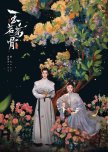
Glory is a drama that mistakes refinement for substance.
Glory is a drama that mistakes refinement for substance. Beneath its elegant visuals and tea-culture symbolism lies a story that is overly predictable and increasingly repetitive.After the first two male-centered conflicts, the pattern becomes obvious and the drama never breaks it. Every subsequent rivalry unfolds the same way: a mild provocation, restrained posturing, a brief escalation, then a neat resolution that restores emotional balance. Once you recognize the formula, upcoming conflicts are easy to predict episodes in advance, draining them of tension and suspense.
The pacing is slow not because the story is meditative, but because it keeps circling the same dramatic beats. Characters revisit the same emotional positions without meaningful evolution, mistaking repetition for depth. The tea-world setting, while beautifully presented, rarely influences the outcome of these conflicts in new or interesting ways it decorates the narrative rather than driving it.
The leads remain composed and likable, but also safely contained. Their romance follows an expected, polite trajectory, and any hint of sharper ambition, jealousy, or moral compromise is quickly softened. No conflict is allowed to cut too deep or last too long.
In the end, Glory is elegant but risk-averse. Its greatest flaw is not that it lacks beauty, but that it lacks surprise. Viewers who enjoy calm, aesthetically pleasing dramas may find it soothing. Those seeking unpredictability, escalating stakes, or conflicts that evolve rather than repeat will likely find it graceful but dull.
Was this review helpful to you?

A Story Full of Hidden Identities and Emotional Payoffs
What really surprised me was how layered the story turned out to be. At first it felt like a pretty standard historical romance setup, but the deeper it went, the more political tension and character complexity started to unfold. The pacing isn’t perfect some middle episodes drag a little but the emotional payoff later makes it worth sticking with.The main leads carried the drama really well. Their chemistry felt natural instead of overly dramatic, and I liked that their relationship developed through trust and shared struggles rather than instant romance. There are a few moments where the writing leans into typical drama tropes, but the actors sell the emotions enough that it still lands.
Visually, the drama is gorgeous. The costumes and scenery have that polished historical aesthetic that Chinese dramas do so well. Some of the palace scenes especially look stunning, and the cinematography adds a lot to the overall atmosphere. What I appreciated most was that the story didn’t make its characters purely good or bad. A lot of the side characters have understandable motivations, which makes the conflicts feel more meaningful.
If I had to criticize something, it would be that a few subplots feel rushed, like the writers wanted to wrap things up quickly. I wish certain characters had gotten a bit more resolution.
Overall, I’d say Pursuit of Jade is a really enjoyable watch if you like historical dramas with romance, intrigue, and strong character moments. It’s not flawless, but it kept me invested and emotionally engaged.
Was this review helpful to you?


