
 Editorials


This review may contain spoilers
The happy ending lacked impact and felt anticlimactic.
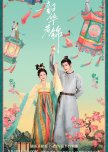
The female lead, Ming Tan, was a refreshing presence. Though petite in stature, her bright and captivating personality stood out. She adhered strictly to her cultured etiquette and possessed deep knowledge of fashion, cuisine, and literary arts, which made her highly sought after by noble families eager to find a daughter-in-law. Her witty exchanges with the male lead, Jiang Xu, were delightful, and his estrangement from her following her father’s death carried a touch of irony. Supporting characters like Bai Min Min and Zhang Huai Yu added levity to the series.
In the final episodes, however, the war sequences felt underwhelming—the number of soldiers involved was too few to be convincing, and some visual enhancements could have elevated the scenes. The sight of the Emperor fighting in full imperial robes was particularly implausible. Yun Yi’s character also stood out; she embodied a naive, tomboyish innocence with simple tastes, unaware of her natural charm that captivated Shu Jing Ran, a man admired by many young women in the city. Unfortunately, the happy ending lacked impact and felt anticlimactic.
In the final episodes, however, the war sequences felt underwhelming—the number of soldiers involved was too few to be convincing, and some visual enhancements could have elevated the scenes. The sight of the Emperor fighting in full imperial robes was particularly implausible. Yun Yi’s character also stood out; she embodied a naive, tomboyish innocence with simple tastes, unaware of her natural charm that captivated Shu Jing Ran, a man admired by many young women in the city. Unfortunately, the happy ending lacked impact and felt anticlimactic.
Was this review helpful to you?


