
 Editorials



This review may contain spoilers
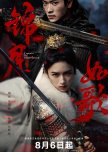
A stunning romance draped in armor — but the “legend” never truly rises.
As someone who adored the original novel, the announcement of The Legend of the Female General adaptation brought me mixed emotions. On one hand, I was thrilled to finally see my favorite story brought to life. But on the other, I was afraid it wouldn’t stay true to the book — and sadly, my fears came true.
He Yan has always been one of my favorite heroines — strong, intelligent, calm, and capable. She’s the kind of woman who inspires you with her leadership and heart. But the drama version didn’t quite capture that essence. Maybe my expectations were too high, but this He Yan felt softer, less commanding than the one in my imagination.
However, Zhou Ye was still a great casting choice — she suits He Yan so well, both in grace and presence. And Cheng Lei as Xiao Jue? Absolutely perfect! He’s exactly how I imagined Xiao Jue would be — proud, sharp, and quietly affectionate. His portrayal truly lived up to my vision of the character. It’s just a pity that, because of production troubles, we didn’t get to see more of the grand war scenes they filmed.
The chemistry between Zhou Ye and Cheng Lei carried the drama beautifully, but the writing leaned too heavily into romance, losing much of the "legendary" tone the title promised. The focus on love over leadership made it feel less like a tale of a general’s rise and more like a romantic historical drama.
Chu Zhao’s storyline also went off track. His obsessive love, while intense, became almost illogical by the end — a big deviation from the novel’s version. Still, I loved Song Tao Tao and Cheng Lisu’s subplot; even though it differed a lot from the book, their chemistry was heartwarming and naturally portrayed.
It was also disappointing how He Yan’s comrade’s death was handled. She grieved, but the emotional weight and strong bond they shared in the novel weren’t fully conveyed on screen. The Academy arc too could’ve been executed more smoothly — it had great potential but felt rushed.
Special shoutout to Li Qing as Cheng Lisu — he did a wonderful job, especially knowing he had to re-record and reshoot parts without the original set. Even though the AI face replacement felt awkward at times, his performance stayed solid and genuine.
Despite its flaws, The Legend of the Female General is still visually stunning — from the costumes to the cinematography and soundtrack. It’s a feast for the eyes and a soft romance for the heart. But as a book fan, I can’t help but feel it lost the soul and grandeur that made the original story legendary.
Overall: A beautifully made drama with strong performances and breathtaking visuals — but stripped of the fire, depth, and spirit that once made He Yan’s story unforgettable.
He Yan has always been one of my favorite heroines — strong, intelligent, calm, and capable. She’s the kind of woman who inspires you with her leadership and heart. But the drama version didn’t quite capture that essence. Maybe my expectations were too high, but this He Yan felt softer, less commanding than the one in my imagination.
However, Zhou Ye was still a great casting choice — she suits He Yan so well, both in grace and presence. And Cheng Lei as Xiao Jue? Absolutely perfect! He’s exactly how I imagined Xiao Jue would be — proud, sharp, and quietly affectionate. His portrayal truly lived up to my vision of the character. It’s just a pity that, because of production troubles, we didn’t get to see more of the grand war scenes they filmed.
The chemistry between Zhou Ye and Cheng Lei carried the drama beautifully, but the writing leaned too heavily into romance, losing much of the "legendary" tone the title promised. The focus on love over leadership made it feel less like a tale of a general’s rise and more like a romantic historical drama.
Chu Zhao’s storyline also went off track. His obsessive love, while intense, became almost illogical by the end — a big deviation from the novel’s version. Still, I loved Song Tao Tao and Cheng Lisu’s subplot; even though it differed a lot from the book, their chemistry was heartwarming and naturally portrayed.
It was also disappointing how He Yan’s comrade’s death was handled. She grieved, but the emotional weight and strong bond they shared in the novel weren’t fully conveyed on screen. The Academy arc too could’ve been executed more smoothly — it had great potential but felt rushed.
Special shoutout to Li Qing as Cheng Lisu — he did a wonderful job, especially knowing he had to re-record and reshoot parts without the original set. Even though the AI face replacement felt awkward at times, his performance stayed solid and genuine.
Despite its flaws, The Legend of the Female General is still visually stunning — from the costumes to the cinematography and soundtrack. It’s a feast for the eyes and a soft romance for the heart. But as a book fan, I can’t help but feel it lost the soul and grandeur that made the original story legendary.
Overall: A beautifully made drama with strong performances and breathtaking visuals — but stripped of the fire, depth, and spirit that once made He Yan’s story unforgettable.
Was this review helpful to you?


