



This review may contain spoilers
It had everything going for it, except follow-through.
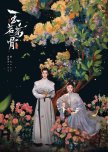
Starring Hou Ming Hao and Gulnezer, started out as one of those dramas that instantly grabs your attention. For the first half of the series (roughly up to episode 25), it was genuinely interesting, creative, and refreshing in a way that’s rare for historical dramas. The story revolves around the Rong Family, owners of a massive tea plantation that operates almost like a kingdom. What makes this drama stand out is its reverse-gender worldbuilding. In this society, women hold power while men take on roles traditionally assigned to women. The Rong Family is led by women, all major business affairs are handled by women, and the family heir is always the eldest granddaughter.
The plot opens with the heir, Rong Shan Bao (The first, eldest granddaughter), searching for a husband. Men from all over the country compete to marry into this powerful family through contests of martial arts, intelligence, and knowledge. Watching men fight for a marriage position — something usually reserved for female characters — was clever, fun, and surprisingly engaging. The drama constantly flips traditional gender norms, and honestly, I loved that about it. It felt fresh and bold. Another aspect I genuinely enjoyed was the internal dynamic of the Rong Family itself. The sisterhood power struggles were interesting to watch — women scheming against each other, setting traps, and fighting for influence felt fitting within this matriarchal setup. Those conflicts added tension and depth to the story and, for the most part, worked well.
That said, the grandmother’s storyline was a completely different experience for me — and not in a good way. She was frustrating, selfish, and honestly nerve-wracking to watch. At one point, she was almost marry her own granddaughter off to a villain. I understand that, as the head of the family, she was making cold, strategic decisions, but that didn’t make her actions any easier to tolerate. Her character crossed a line for me, and I found myself genuinely hating that entire arc.
Unfortunately, things start to fall apart in the second half. Around episode 25, the story loses its momentum and gradually becomes bland, awkward, and uncomfortable to watch. The introduction of Lu Jiang Lai, a highly capable and promising official who loses his memory and ends up in the Rong household, initially worked well. His playful behavior, sincerity, and growing feelings for the cold and reserved Rong Shan Bao felt natural enough. Even their interrupted marriage due to his sudden imperial assignment made sense. But once Lu Jiang Lai regains his memory, his character takes a strange turn. Despite being established as smart, strategic, and competent, he remains stuck in a lovestruck, almost foolish mode. Loving Rong Shan Bao is fine — his feelings are sincere and consistent — but the problem is that Rong Shan Bao gives him very little in return.
Although the story wants us to believe she loves him, she rarely shows it. She hides important information, avoids honest communication, and keeps him emotionally at arm’s length. To be fair, I understand both perspectives. Lu Jiang Lai leaving abruptly before their wedding without explanation was deeply hurtful, and Rong Shan Bao’s anger makes sense. That said, their communication is clearly poor — and ultimately, Rong Shan Bao handles it worse. There are moments when she physically slaps Lu Jiang Lai after he says something out of line, and while I understand the emotions behind those actions, I wasn’t comfortable with how often physical punishment was used instead of conversation. It only deepens the imbalance in their relationship and makes their dynamic harder to sympathize with. The final arc only adds to the disappointment. The Lu Jiang Lai we were first introduced to — brilliant, confident, and capable — never fully returns. Instead, he repeatedly relies on the Rong Family to solve major cases, which directly contradicts his earlier characterization. The drama ends up feeling like a female-centric story that sacrifices logic and balance to push its narrative forward.
To be clear, this isn’t a criticism of the female lead or Gulnezer’s performance. The issue lies entirely with the scriptwriting. A female-centric drama can be powerful and compelling, but it still needs internal logic and emotionally believable character dynamics. Hou Ming Hao, especially, deserved a much stronger and more consistent script. That said, Glory does shine in terms of production. The cinematography is beautiful, with visually pleasing, well-composed shots throughout. The OST is excellent, the acting across the board is solid, and the chemistry between the leads is decent. Almost everything works — except the story’s direction in the second half and its unsatisfying ending.
In the end, Glory feels like a drama with huge wasted potential. What started as a bold, imaginative, and refreshing story slowly turned into a frustrating experience. With such a strong concept, great visuals, and capable actors, it’s disappointing that the writing ultimately couldn’t deliver. On a quieter note, I’m genuinely grateful that this drama took the time to highlight traditional Chinese tea culture. From cultivation and farming to planting, processing, distribution, and finally serving the tea, the story lingers on each step with care. It’s a gentle reminder of how much history, patience, and craftsmanship are poured into something we often take for granted. Watching these scenes felt like a moment of pause — an appreciation of traditions that are still being nurtured and preserved, even as they slip past our everyday attention. It made me admire, once again, how rich and enduring Chinese culture truly is.
The plot opens with the heir, Rong Shan Bao (The first, eldest granddaughter), searching for a husband. Men from all over the country compete to marry into this powerful family through contests of martial arts, intelligence, and knowledge. Watching men fight for a marriage position — something usually reserved for female characters — was clever, fun, and surprisingly engaging. The drama constantly flips traditional gender norms, and honestly, I loved that about it. It felt fresh and bold. Another aspect I genuinely enjoyed was the internal dynamic of the Rong Family itself. The sisterhood power struggles were interesting to watch — women scheming against each other, setting traps, and fighting for influence felt fitting within this matriarchal setup. Those conflicts added tension and depth to the story and, for the most part, worked well.
That said, the grandmother’s storyline was a completely different experience for me — and not in a good way. She was frustrating, selfish, and honestly nerve-wracking to watch. At one point, she was almost marry her own granddaughter off to a villain. I understand that, as the head of the family, she was making cold, strategic decisions, but that didn’t make her actions any easier to tolerate. Her character crossed a line for me, and I found myself genuinely hating that entire arc.
Unfortunately, things start to fall apart in the second half. Around episode 25, the story loses its momentum and gradually becomes bland, awkward, and uncomfortable to watch. The introduction of Lu Jiang Lai, a highly capable and promising official who loses his memory and ends up in the Rong household, initially worked well. His playful behavior, sincerity, and growing feelings for the cold and reserved Rong Shan Bao felt natural enough. Even their interrupted marriage due to his sudden imperial assignment made sense. But once Lu Jiang Lai regains his memory, his character takes a strange turn. Despite being established as smart, strategic, and competent, he remains stuck in a lovestruck, almost foolish mode. Loving Rong Shan Bao is fine — his feelings are sincere and consistent — but the problem is that Rong Shan Bao gives him very little in return.
Although the story wants us to believe she loves him, she rarely shows it. She hides important information, avoids honest communication, and keeps him emotionally at arm’s length. To be fair, I understand both perspectives. Lu Jiang Lai leaving abruptly before their wedding without explanation was deeply hurtful, and Rong Shan Bao’s anger makes sense. That said, their communication is clearly poor — and ultimately, Rong Shan Bao handles it worse. There are moments when she physically slaps Lu Jiang Lai after he says something out of line, and while I understand the emotions behind those actions, I wasn’t comfortable with how often physical punishment was used instead of conversation. It only deepens the imbalance in their relationship and makes their dynamic harder to sympathize with. The final arc only adds to the disappointment. The Lu Jiang Lai we were first introduced to — brilliant, confident, and capable — never fully returns. Instead, he repeatedly relies on the Rong Family to solve major cases, which directly contradicts his earlier characterization. The drama ends up feeling like a female-centric story that sacrifices logic and balance to push its narrative forward.
To be clear, this isn’t a criticism of the female lead or Gulnezer’s performance. The issue lies entirely with the scriptwriting. A female-centric drama can be powerful and compelling, but it still needs internal logic and emotionally believable character dynamics. Hou Ming Hao, especially, deserved a much stronger and more consistent script. That said, Glory does shine in terms of production. The cinematography is beautiful, with visually pleasing, well-composed shots throughout. The OST is excellent, the acting across the board is solid, and the chemistry between the leads is decent. Almost everything works — except the story’s direction in the second half and its unsatisfying ending.
In the end, Glory feels like a drama with huge wasted potential. What started as a bold, imaginative, and refreshing story slowly turned into a frustrating experience. With such a strong concept, great visuals, and capable actors, it’s disappointing that the writing ultimately couldn’t deliver. On a quieter note, I’m genuinely grateful that this drama took the time to highlight traditional Chinese tea culture. From cultivation and farming to planting, processing, distribution, and finally serving the tea, the story lingers on each step with care. It’s a gentle reminder of how much history, patience, and craftsmanship are poured into something we often take for granted. Watching these scenes felt like a moment of pause — an appreciation of traditions that are still being nurtured and preserved, even as they slip past our everyday attention. It made me admire, once again, how rich and enduring Chinese culture truly is.
Was this review helpful to you?


