
 Editorials


This review may contain spoilers
A Tearful Rollercoaster of Love and Family Drama
Queen of Tears lives up to its name—it's an emotional whirlwind that had me reaching for tissues from episode one. What starts as a chaebol romance quickly dives into raw, messy human emotions, blending heartbreak, humor, and hope in a way that's utterly addictive.
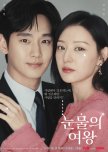
For me, it was a tearful journey that left me wondering: can somebody love someone this much? Hyun-woo and Hae-in's story is the heart of it all—their misunderstandings turning them into strangers, even when everyone around them could see the obvious love staring them in the face. Watching from a third-person perspective was frustratingly real; it's like peering into relationships we all know, where pride and pain blind us to what's right there. That slow-burn reconciliation. Pure magic.
The family dynamics stole the show, though. Oh, how I hated everyone in Hae-in's family—they're not likable at all, from the scheming relatives to the toxic vibes. I suspect it was the director's deliberate move, though, to make their reunion feel earned only when crisis hits and money's stripped away. Sure enough, as soon as the cash flow dried up, the family morphed into something healthy and supportive. It's a sharp commentary on how wealth warps bonds, and it lands perfectly.
One lingering question mark: the chairman's mistress and her obsession with ruining the family. She had it all—money, status, luxury—yet she was so fixated she even abandoned her only son. Why? I wish the writers had fleshed this out more; it felt like a missed chance for deeper villainy.
For me, it was a tearful journey that left me wondering: can somebody love someone this much? Hyun-woo and Hae-in's story is the heart of it all—their misunderstandings turning them into strangers, even when everyone around them could see the obvious love staring them in the face. Watching from a third-person perspective was frustratingly real; it's like peering into relationships we all know, where pride and pain blind us to what's right there. That slow-burn reconciliation. Pure magic.
The family dynamics stole the show, though. Oh, how I hated everyone in Hae-in's family—they're not likable at all, from the scheming relatives to the toxic vibes. I suspect it was the director's deliberate move, though, to make their reunion feel earned only when crisis hits and money's stripped away. Sure enough, as soon as the cash flow dried up, the family morphed into something healthy and supportive. It's a sharp commentary on how wealth warps bonds, and it lands perfectly.
One lingering question mark: the chairman's mistress and her obsession with ruining the family. She had it all—money, status, luxury—yet she was so fixated she even abandoned her only son. Why? I wish the writers had fleshed this out more; it felt like a missed chance for deeper villainy.
Was this review helpful to you?


