
 News


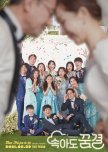
Be My Dream Family
Be My Dream Family is one of those long-form Korean family dramas that may take some time to fully appreciate, but once you become attached to its characters, it becomes surprisingly difficult to let go.
What I particularly enjoyed is that the drama doesn't focus on just one protagonist or one romance. Instead, it creates a whole world of interconnected characters, relationships, marriages, conflicts and generational differences. The central idea is simple but very effective: two families, with completely different personalities and ways of living, are brought together when their widowed parents fall in love and decide to marry.
The strongest part of the drama is its portrayal of family. People argue, make mistakes, misunderstand each other, hurt one another and sometimes behave terribly — but they also learn to forgive, compromise and change. The relationship between Geum Jong-hwa and Kang Mo-ran is especially lovely because their marriage gradually becomes the emotional bridge between two families that initially have very little in common.
I also appreciated that the younger characters are given their own stories rather than existing merely as supporting figures. There are romances, career struggles, difficult choices and plenty of everyday problems, but the drama usually treats them as real people rather than simply plot devices.
And yes, at 120 episodes, it is definitely a commitment. There are moments when the pacing becomes repetitive and some conflicts are stretched longer than necessary. Not every storyline is equally strong, and a few characters can be frustrating. But the overall warmth of the drama makes up for many of its weaknesses.
Was this review helpful to you?


