
 Editorials


out of the trash
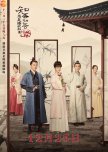
Amid the endless pile of television trash churned out by China’s entertainment industry, The Story of Ming Lan is a rare exception that genuinely justifies the time it demands from its audience. Despite being a daily/weekend family drama, with all the familiar ingredients of domestic rivalries, social conventions and seemingly endless episodes, it manages to rise above the crowd through its exceptional writing, patient character development, subtle psychological insight and intrigues that rely on far more than cheap tricks and manufactured drama.
Here, characters are not mere caricatures, relationships do not develop overnight, and choices have consequences. Ming Lan matures gradually, learning to read people and survive in a world where intelligence, restraint and patience often prove more powerful weapons than authority itself. The series also possesses remarkable emotional depth and an authentic sense of everyday life that makes its world feel genuinely lived-in.
What is most impressive is that it does not need to reinvent the wheel or resort to constant exaggeration to hold the viewer’s attention. It builds its story slowly, methodically, and with confidence in its own narrative. In an era when television production so often confuses quantity with quality, that is almost a luxury.
The Story of Ming Lan is not merely a good Chinese drama. It is proof that even in a sea of mediocrity, a series of genuine narrative substance, depth and character can emerge. It stands out not because it is superficially different, but because it does what it sets out to do far better than most of its competitors.
Was this review helpful to you?


