


This review may contain spoilers
It was the best
Encounter is one of those dramas that doesn’t rush to impress you; instead, it asks you to slow down and sit with it. From the very first episode, the series establishes a quiet, almost meditative atmosphere where emotions are expressed more through pauses, eye contact, and unspoken thoughts than through loud dialogue. The romance between Cha Soo-hyun and Kim Jin-hyuk feels delicate and restrained, shaped by circumstance rather than impulsive passion. Their connection begins in a fleeting moment of freedom, yet follows them back into a reality filled with social pressure, hierarchy, and expectations.What makes the drama especially compelling is how it contrasts two very different lives—Soo-hyun’s emotionally confined world of status and responsibility versus Jin-hyuk’s simple, sincere approach to life. Instead of turning this contrast into melodrama, Encounter treats it with empathy. Jin-hyuk’s warmth never feels unrealistic, and Soo-hyun’s hesitation never feels frustrating; both are understandable reactions to the lives they’ve lived. The drama allows its characters to grow quietly, choosing subtle development over dramatic turning points.
Visually, Encounter is stunning. The cinematography often feels like a painting—soft lighting, carefully framed shots, and a lingering sense of nostalgia. Even ordinary moments feel meaningful, as if the show wants you to remember them the way you remember fragments of your own past. The soundtrack complements this perfectly, carrying a gentle melancholy that lingers long after each episode ends.
Ultimately, Encounter isn’t about grand romance or shocking twists. It’s about timing, emotional freedom, and the courage it takes to choose happiness when the world expects you not to. Watching it feels less like following a plot and more like experiencing a quiet emotional journey—one that stays with you, not because it overwhelms you, but because it understands restraint.
Was this review helpful to you?
This review may contain spoilers
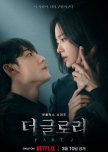
The Glory 2
The Glory Part 2 doesn’t change the tone of the story—it **deepens it**. If Part 1 was about enduring pain, Part 2 is about watching that pain finally echo back to the people who caused it. Quietly. Ruthlessly. Inevitably.This season is where Moon Dong-eun’s long, frozen patience pays off. The revenge isn’t explosive or dramatic; it’s methodical, almost surgical. Every move feels earned because we’ve already lived through her suffering. Song Hye-kyo is even more haunting here—her calm is terrifying, not because she’s cruel, but because she has nothing left to lose. Her character never asks for sympathy, and the drama never forces redemption where it doesn’t belong.
The villains begin to crack, and that’s where Part 2 shines. Their downfall isn’t sudden; it’s psychological. Guilt, paranoia, and fear slowly consume them, proving that the past doesn’t stay buried—especially when no one ever took responsibility for it. The show refuses to soften its stance on bullying and abuse, and that honesty makes the payoff feel heavy rather than triumphant.
What’s especially powerful is how *The Glory 2* treats justice. It isn’t clean. It doesn’t heal everything. Dong-eun doesn’t magically become whole again—but she finally gets her life back on her own terms. The drama understands that revenge doesn’t erase trauma, it simply closes a door that was left open too long.
By the end, *The Glory Part 2* feels less like a victory and more like an ending that had to happen. Cold, painful, and necessary.
It doesn’t glorify revenge—it shows why some wounds refuse to stay silent.
Was this review helpful to you?

The Glory
The Glory isn’t your typical revenge K-drama with flashy twists and heroic speeches. It’s cold, patient, and almost painfully controlled—just like Moon Dong-eun herself. The story doesn’t rush to make you feel satisfied; instead, it makes you sit with the damage. Every scar, every silence, every slow step in her plan reminds you that trauma doesn’t fade just because time passes.Song Hye-kyo delivers one of the strongest performances of her career. There’s no exaggeration in her acting—her eyes do the screaming. Dong-eun isn’t written as a “strong female lead” in the loud sense; her strength is survival. She doesn’t forgive, she doesn’t forget, and the drama never asks her to. That alone makes The Glory feel brutally honest.
What truly elevates the series is how it treats revenge not as fantasy, but as consequence. The villains aren’t cartoonishly evil; they’re disturbingly realistic, protected by money, status, and silence. Watching them unravel feels earned, not celebratory—there’s no joy, only balance being restored.
The pacing is slow but intentional, the cinematography muted and heavy, and the writing sharp without being preachy. The Glory doesn’t offer comfort. It offers truth.
In the end, this isn’t a story about winning—it’s about reclaiming dignity after it was stolen. And that’s why The Glory lingers long after the final episode.
Was this review helpful to you?


