




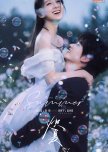
This review may contain spoilers
The summer they never truly left behind
At its heart, Never-Ending Summer is not just a romance. It's a story about trauma, grief, guilt, family, and the impossible choices people make when they believe they are protecting the ones they love.
But I think there's a lof of misunderstanding, so let's analyse it all:
Zhou Wan is, without question, one of the strongest aspects of the drama. She's not strong because she's fearless or because she always makes the right decisions. She's strong because life forces her to grow up far too early. After losing her father, being abandoned by her mother, and watching her grandmother become the only family she has left, Zhou Wan never really gets the chance to experience a normal childhood. By the time she's a teenager, she's already carrying responsibilities that no sixteen-year-old should ever have to face. When her grandmother becomes seriously ill, desperation replaces innocence.
This is exactly why I never saw her as manipulative.
Yes, approaching Lu Xixiao because of the connection between their families was morally questionable. The drama never pretends otherwise. But it also makes it painfully clear that Zhou Wan hated herself for even considering it. She wasn't driven by greed or revenge—she was driven by fear. Fear of losing the only person who had never abandoned her.
That doesn't excuse her decisions. But it makes them completely understandable.
Lu Xixiao is another character I found incredibly well written. I think many viewers reduce him to "the guy who got his heart broken," but his emotional wounds began long before Zhou Wan entered his life. Watching his mother die by suicide as a child is a trauma that shaped every part of who he became. Add to that an emotionally distant father and a family that valued reputation over love, and it's easy to understand why he struggled to trust people.
Then Zhou Wan appeared. She didn't magically heal him, but she gave him something he hadn't experienced in years: peace.
For the first time since his mother's death, he smiled again. He allowed himself to imagine a future that wasn't defined by loneliness.
That's why their relationship feels so meaningful.
The turning point of the story—the stabbing incident—is where I think many viewers misunderstand Zhou Wan the most. By that point, she was already drowning in guilt. She blamed herself for entering Lu Xixiao's life under false pretenses, even if her intentions had changed long before. From Zhou Wan's perspective, leaving wasn't an act of selfishness.
It was an act of sacrifice. She genuinely believed Lu Xixiao would have a happier, easier life without her. That's what makes her decision so heartbreaking. She wasn't right.
But she truly believed she was.
The chemistry between the two leads also deserves a lot of praise. Their relationship never feels overly dramatic or exaggerated. Instead, it's carried by quiet emotions, lingering glances, and conversations that say far more than dramatic declarations ever could. Their performances make it easy to believe that these two people spent ten years loving each other even while living separate lives.
Visually, the drama is equally beautiful. The cinematography captures both the warmth of youth and the melancholy of adulthood with remarkable sensitivity. The soundtrack fits the emotional tone perfectly, enhancing rather than overwhelming the quieter moments. Everything about the production feels soft, intimate, and nostalgic, which perfectly complements the story being told.
What I appreciated most about Never-Ending Summer is that it refuses to offer easy answers.
Love doesn't erase trauma.
Apologies don't undo years of pain.
And sometimes, people make terrible decisions because they genuinely believe they're doing the right thing.
The reunion after ten years isn't satisfying because it magically fixes everything. It's satisfying because, for the first time, both characters finally understand each other. Lu Xixiao understands why Zhou Wan left, while Zhou Wan finally realizes that she was never the burden she believed herself to be.
In the end, Never-Ending Summer isn't a story about perfect people making perfect choices. It's about two broken individuals trying to survive the weight of their past while slowly finding the courage to forgive—not only each other, but also themselves.
This drama never asked me to agree with every decision its characters made.
It simply asked me to see the world through their eyes.
And that's exactly why it stayed with me long after the final episode.
But I think there's a lof of misunderstanding, so let's analyse it all:
Zhou Wan is, without question, one of the strongest aspects of the drama. She's not strong because she's fearless or because she always makes the right decisions. She's strong because life forces her to grow up far too early. After losing her father, being abandoned by her mother, and watching her grandmother become the only family she has left, Zhou Wan never really gets the chance to experience a normal childhood. By the time she's a teenager, she's already carrying responsibilities that no sixteen-year-old should ever have to face. When her grandmother becomes seriously ill, desperation replaces innocence.
This is exactly why I never saw her as manipulative.
Yes, approaching Lu Xixiao because of the connection between their families was morally questionable. The drama never pretends otherwise. But it also makes it painfully clear that Zhou Wan hated herself for even considering it. She wasn't driven by greed or revenge—she was driven by fear. Fear of losing the only person who had never abandoned her.
That doesn't excuse her decisions. But it makes them completely understandable.
Lu Xixiao is another character I found incredibly well written. I think many viewers reduce him to "the guy who got his heart broken," but his emotional wounds began long before Zhou Wan entered his life. Watching his mother die by suicide as a child is a trauma that shaped every part of who he became. Add to that an emotionally distant father and a family that valued reputation over love, and it's easy to understand why he struggled to trust people.
Then Zhou Wan appeared. She didn't magically heal him, but she gave him something he hadn't experienced in years: peace.
For the first time since his mother's death, he smiled again. He allowed himself to imagine a future that wasn't defined by loneliness.
That's why their relationship feels so meaningful.
The turning point of the story—the stabbing incident—is where I think many viewers misunderstand Zhou Wan the most. By that point, she was already drowning in guilt. She blamed herself for entering Lu Xixiao's life under false pretenses, even if her intentions had changed long before. From Zhou Wan's perspective, leaving wasn't an act of selfishness.
It was an act of sacrifice. She genuinely believed Lu Xixiao would have a happier, easier life without her. That's what makes her decision so heartbreaking. She wasn't right.
But she truly believed she was.
The chemistry between the two leads also deserves a lot of praise. Their relationship never feels overly dramatic or exaggerated. Instead, it's carried by quiet emotions, lingering glances, and conversations that say far more than dramatic declarations ever could. Their performances make it easy to believe that these two people spent ten years loving each other even while living separate lives.
Visually, the drama is equally beautiful. The cinematography captures both the warmth of youth and the melancholy of adulthood with remarkable sensitivity. The soundtrack fits the emotional tone perfectly, enhancing rather than overwhelming the quieter moments. Everything about the production feels soft, intimate, and nostalgic, which perfectly complements the story being told.
What I appreciated most about Never-Ending Summer is that it refuses to offer easy answers.
Love doesn't erase trauma.
Apologies don't undo years of pain.
And sometimes, people make terrible decisions because they genuinely believe they're doing the right thing.
The reunion after ten years isn't satisfying because it magically fixes everything. It's satisfying because, for the first time, both characters finally understand each other. Lu Xixiao understands why Zhou Wan left, while Zhou Wan finally realizes that she was never the burden she believed herself to be.
In the end, Never-Ending Summer isn't a story about perfect people making perfect choices. It's about two broken individuals trying to survive the weight of their past while slowly finding the courage to forgive—not only each other, but also themselves.
This drama never asked me to agree with every decision its characters made.
It simply asked me to see the world through their eyes.
And that's exactly why it stayed with me long after the final episode.
Was this review helpful to you?


