
 Editorials

This review may contain spoilers
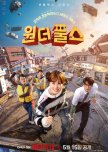
The WonderFools — A Perfect Blend of Heart, Humor, and Supernatural Imagination (Rating: 10/10)
The WonderFools stands out as a flawless achievement in modern K‑drama, delivering a tightly written eight‑episode arc that balances comedy, suspense, and emotional weight without compromising any single tone. The series’ concept; misfit neighbors unexpectedly gifted with imperfect powers; feels fresh yet timeless, with storytelling that honors character before spectacle.The screenplay is disciplined and inventive: each episode advances the central mystery while deepening character psychology and interpersonal stakes. Pacing is expert; moments of absurd levity are placed to relieve tension, not undermine it, and the midseason reveals feel earned rather than contrived. Plot threads converge in a satisfying final act that pays off earlier seeds with both narrative logic and emotional resonance.
The ensemble cast delivers exemplary work: the lead’s performance as Eun Chae‑ni is electric—an affecting blend of unpredictability and vulnerability that anchors the series’ emotional core; supporting actors provide nuance and comic timing, particularly in scenes that require precise balance between pathos and physical comedy. Chemistry among the four leads transforms them from caricatures into a believable found family.
Direction favors inventive staging and kinetic action; fight choreography and power manifestations are designed around the characters’ limitations, producing original beats (sometimes funny, sometimes harrowing) that never feel derivative. Production design evokes 1999 with tasteful nostalgia, and the score supports tonal shifts with clarity and restraint. Cinematography frames both the intimate and the epic with equal care.
At its best, The WonderFools interrogates what it means to be heroic when gift and readiness are not aligned; exploring courage, responsibility, and communal care. The series treats institutional abuse and the road to accountability with sensitivity, balancing justice with personal repair. Emotional payoffs are authentic rather than melodramatic, leaving the viewer satisfied and uplifted.
Editing, sound design, and visual effects are consistently high quality for a television production, supporting narrative clarity rather than distracting from it. The series uses practical effects and clever editing to make imperfect powers feel physically plausible in the show’s internal logic.
The WonderFools is exemplary television: original in premise, confident in execution, and generous in heart. It strikes an uncommon balance; delivering laughs, thrills, and earnest emotional beats while also offering thoughtful social commentary. For those reasons, it merits a perfect score: 10/10.
A standout scene that encapsulates the show’s strengths features a chaotic rescue where the team’s bungled attempts become the mechanism for success: Chae‑ni’s imperfect teleportation lands the wrong person in the wrong spot, Ro‑bin’s overcompensation freezes mid‑heroic pose, and Gyeon‑un’s adhesive mishap traps him; and yet, through collaboration, they free the trapped victims and reveal a crucial piece of evidence. The scene is both laugh‑out‑loud and cinematic, emblematic of the series’ tonal mastery.
The WonderFools exemplifies the best of contemporary K‑drama: original concept, tight execution, and emotional sincerity. It rewards viewers who appreciate genre reinvention, character‑centered plotting, and kinetic direction; earning its place as one of the year’s most accomplished television offerings with a deserved 10/10 rating.
Finally, I want to say The WonderFools is the best K-Drama series of 2026.
Was this review helpful to you?
This review may contain spoilers
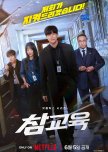
This K-Drama is glorifying school violence.
This K-Drama raises serious concerns because of the way it presents school violence. While it may aim to create tension or deliver a dramatic message, the execution can feel troubling, as it risks making violence appear more sensational than meaningful. For a subject this sensitive, a drama is expected to approach the topic with balance, responsibility, and emotional depth.Unfortunately, this series does not always achieve that standard.
Instead of offering a thoughtful examination of the effects of violence in school environments, the story may leave viewers with the impression that it is too focused on shock value. This can make the series feel uncomfortable and difficult to fully support, especially for audiences who expect television to handle social issues with care. When a drama deals with such an important topic, its impact matters just as much as its entertainment value. In this case, the balance feels questionable.
The reported protests from teachers in South Korea reflect the seriousness of these concerns. Their reaction suggests that the drama may have crossed a line in how it depicts violence and its consequences. Even if the intention was to spark discussion, the result appears to have caused discomfort rather than constructive reflection. That is a significant weakness for any work that tries to engage with real-world issues.
From a critical standpoint, the series feels less convincing because it does not consistently show enough sensitivity toward the emotional and social realities of school violence. A stronger approach would have given greater space to the victims’ perspective, the long-term consequences of abuse, and the responsibility of institutions in preventing harm. Without that depth, the drama risks appearing one-dimensional in a subject that requires nuance.
Overall, this is a K-Drama that may be difficult to recommend. Its handling of school violence feels problematic, and the controversy surrounding it only reinforces those concerns. While it may attract attention for its bold themes, that attention does not necessarily translate into thoughtful storytelling. For viewers looking for a more responsible and balanced drama, this one may be disappointing.
Was this review helpful to you?


