
 News


This review may contain spoilers
When Cheap Nihilism, Scripted Lies, and Abuser Apologetics Hijack a Story of Hope
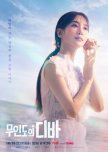
On its surface, Castaway Diva sells itself as an uplifting fable about resilience: a girl survives fifteen years marooned on an uninhabited island, carrying nothing but her raw vocal talent and an unbroken spirit, only to return to civilization and chase her dream.But the moment Seo Mok-ha steps off the island, the narrative abandons hope and surrenders entirely to the ugliest, most manipulative tropes of Korean television. Instead of exploring the triumph of human agency, the show becomes an exercise in narrative sadism, shallow corporate cynicism, and moral rot.
The Lie of the "Noble Idiot"
The emotional core of this show is built on a foundation of ethical garbage: the idea that lying to the people you love is an act of supreme devotion.
Characters constantly withhold crucial truths, run away, and inflict severe psychological distress on their partners under the nauseating excuse of "protecting them." Yoon Ran-joo actively grooms Mok-ha to abandon genuine affection for career optics, sneering that basic kindness is a "weakness" in the real world. This isn't dramatic tension; it is emotional dysfunction masquerading as wisdom. It teaches that deceit is noble and authentic vulnerability is a liability.
Sympathy for the Monster, Slaughter for the Protector
Nowhere is the show’s ethical bankruptcy more glaring than in its handling of domestic terror.
The abusive patriarch, Jung, spends twelve episodes terrorizing his battered wife and children. Yet, time and again, the camera lingers on him with repulsive sympathy. In the climactic confrontation inside the barber shop, while he is actively assaulting his terrified family, the script screams at the victims to hold back—framing them as the aggressors if they dare defend themselves against a monster.
Worse, the legal system and the fiscal authorities are portrayed as toothless bureaucrats who identify a clear history of violent stalking and simply walk away. And what is the narrative payoff for this institutional cowardice? Jung is permitted to roam free just long enough to stab Kang Sang-doo—the only genuine, nurturing father figure in the entire production.
To murder the sole decent man who actually provided sanctuary, just to shock the viewer and generate cheap streaming drama, is pure, unadulterated nihilism. It punishes the innocent, pardons the parasite, and tells the viewer that good men exist only to be sacrificed for plot momentum.
A Vicious, Plastic Society
The social world portrayed here is venomous. The industry treats talent like disposable livestock, demanding performance smiles on cue while weaponizing gossip and public shame to destroy human lives. Layered over this bleak, extractive ecosystem is Studio Dragon’s brazen commercialism: dramatic moments of emotional crisis are regularly interrupted by blatant, jarring product placements that remind you that even trauma is just an ad-delivery vehicle for Netflix syndication.
The Lone Light
The sole reason this production does not collapse under its own toxicity is Park Eun-bin. Her performance as Seo Mok-ha possesses an earnest, transcendent warmth that cuts straight through the plastic script. Her eyes, her voice, and her delivery radiate genuine life. But watching her talent dragged through this cesspool of abuser-forgiveness and corporate cynicism is like watching a wild bird trapped in a concrete slaughterhouse.
Castaway Diva is not a story of healing. It is an industrial product designed to normalize emotional manipulation, reward abusers with screen-time pity, and punish genuine protectors. Skip it, blacklist the studio, and protect your mind from this kind of calculated dread.
Was this review helpful to you?


