
 News
News 


This review may contain spoilers
The bitterness of life helps you grow into the best version of yourself.
The 15th asadora I’ve watched!
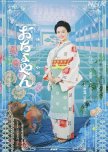
Loosely based on the true story of actress Naniwa Chieko, who later became known as Osaka’s Mother, the story feels much more realistic and bittersweet.
What I like:
1. The heroine – I always admire heroines who lived during the war era; they were incredibly tough. Chiyo is a strong, kind, and warm character who always sees the best in every person and situation she faces. In fact, her biggest weakness is that she’s too forgiving.
2. The characters – I love how every character feels alive, and each one’s presence in the story is well-balanced.
3. The setting – The scenes never feel empty, which is something I often notice in other period dramas. The cinematography and lighting make everything look even more beautiful.
4. Family and friendship – Chiyo is surrounded by good people who genuinely love her. I love the dynamics of the Okayasu family, Chiyo’s friendship with her maid friends, her work friends in Kyoto, the troupe members, and eventually, her new family from the radio drama!
5. Chiyo’s motherly role – Even though Chiyo couldn’t have biological children, she was surrounded by people who saw her as a mother figure. Kanji and Haruko, whom she adopted. Then there were Chiyo’s 12 children from her radio drama show, which is how she became known as Osaka’s Mother.
6. How Ochoyan ends – this is the turning point of Chiyo's life. My favorite part is because Chiyo's last job is as a radio drama actress! She has opened a new page, not tied to anyone, being the best version of herself and enjoying every part of her life.
What I don’t like:
1. The men in Chiyo’s life:
o Her father: Irresponsible, kicked her out of house, sold her, and the list of his bad deeds goes on.
o Ippei: The definition of all talk and no action. I thought Chiyo’s father was the one who hurt her the most, but it turns out it was Ippei. I would even say Ippei is the worst male lead of any asadora I’ve ever watched.
2. The redemption arc for those who hurt Chiyo:
o I can forgive Chiyo’s younger brother and stepmother.
o But for Ippei & her father? Sorry, I was really annoyed watching it, I felt cheated, their betrayal was too fatal for me.
Overall, I still like Ochoyan, but for me this is the kind of asadora that i will only watch once in my life, like Toto Nee-chan. the story is beautiful, but also so painful. Honestly, if I had read the reviews or comments before watching, I wouldn’t have dared to watch it because some of the tropes are just too painful for me. That said, I’m also grateful to have finished Ochoyan. It allowed me to meet Chiyo and other characters who made me realize how bitter life can be, there will always be someone who sincerely loves and cherishes you.
Watching tips:
1. For a happy experience: Episodes 1–65.
2. For a happy ending with some realism: Episodes 1–65, then skip to 101–115.
3. For the full bittersweet journey: Episodes 1–115.
Loosely based on the true story of actress Naniwa Chieko, who later became known as Osaka’s Mother, the story feels much more realistic and bittersweet.
What I like:
1. The heroine – I always admire heroines who lived during the war era; they were incredibly tough. Chiyo is a strong, kind, and warm character who always sees the best in every person and situation she faces. In fact, her biggest weakness is that she’s too forgiving.
2. The characters – I love how every character feels alive, and each one’s presence in the story is well-balanced.
3. The setting – The scenes never feel empty, which is something I often notice in other period dramas. The cinematography and lighting make everything look even more beautiful.
4. Family and friendship – Chiyo is surrounded by good people who genuinely love her. I love the dynamics of the Okayasu family, Chiyo’s friendship with her maid friends, her work friends in Kyoto, the troupe members, and eventually, her new family from the radio drama!
5. Chiyo’s motherly role – Even though Chiyo couldn’t have biological children, she was surrounded by people who saw her as a mother figure. Kanji and Haruko, whom she adopted. Then there were Chiyo’s 12 children from her radio drama show, which is how she became known as Osaka’s Mother.
6. How Ochoyan ends – this is the turning point of Chiyo's life. My favorite part is because Chiyo's last job is as a radio drama actress! She has opened a new page, not tied to anyone, being the best version of herself and enjoying every part of her life.
What I don’t like:
1. The men in Chiyo’s life:
o Her father: Irresponsible, kicked her out of house, sold her, and the list of his bad deeds goes on.
o Ippei: The definition of all talk and no action. I thought Chiyo’s father was the one who hurt her the most, but it turns out it was Ippei. I would even say Ippei is the worst male lead of any asadora I’ve ever watched.
2. The redemption arc for those who hurt Chiyo:
o I can forgive Chiyo’s younger brother and stepmother.
o But for Ippei & her father? Sorry, I was really annoyed watching it, I felt cheated, their betrayal was too fatal for me.
Overall, I still like Ochoyan, but for me this is the kind of asadora that i will only watch once in my life, like Toto Nee-chan. the story is beautiful, but also so painful. Honestly, if I had read the reviews or comments before watching, I wouldn’t have dared to watch it because some of the tropes are just too painful for me. That said, I’m also grateful to have finished Ochoyan. It allowed me to meet Chiyo and other characters who made me realize how bitter life can be, there will always be someone who sincerely loves and cherishes you.
Watching tips:
1. For a happy experience: Episodes 1–65.
2. For a happy ending with some realism: Episodes 1–65, then skip to 101–115.
3. For the full bittersweet journey: Episodes 1–115.
Was this review helpful to you?


