




This review may contain spoilers
Moving Family Drama and Interesting Slice of Live Trauma Cleaners
My rating 9.5/10
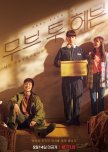
Move to Heaven is a deeply emotional series that balances heartbreak with profound moments of human connection. Even as someone highly empathetic, I found it more stirring and thought-provoking than overwhelmingly sad, largely because I went in knowing the heavy themes—it allowed me to appreciate the nuance without being blindsided. Tang Jun-sang delivers an outstanding, authentic portrayal of Han Geu-ru, a young man on the autism spectrum. Having multiple autistic people in my life, I recognized and appreciated how faithfully the show captures traits like intense focus, stubborn persistence on certain ideas, and quiet brilliance. It never feels stereotypical; it's respectful and insightful. The evolving dynamic between Han Geu-ru and his uncle Cho Sang-gu (Lee Je-hoon) is one of the show's strongest elements—raw, complicated, and ultimately touching as they navigate grief, family, and personal growth together. Overall, I'd absolutely recommend it to others, especially those who enjoy character-driven stories about healing. It's rewatchable for its emotional depth, and I'd be thrilled if Netflix ever greenlights a second season.
Spoilers
While the series excels in so many ways, the Netflix-typical soft, open-ended finale left some threads feeling unresolved, which kept it from a perfect 10/10 for me. I loved watching Cho Sang-gu gradually warm to his role as guardian and truly come to care for Han Geu-ru as family—it felt earned and heartfelt. However, certain moments that could have fully cemented their bond, like Han Geu-ru openly allowing Cho Sang-gu into his personal space (e.g., his room) or Cho Sang-gu more explicitly acknowledging him as his nephew, never quite materialized in the way I hoped. Those small but powerful gestures would have provided the heartwarming closure their relationship deserved, tying everything up more neatly instead of leaving it ambiguously open for potential future seasons. It's a minor frustration in an otherwise beautiful show, but it did make the ending feel a bit incomplete.
Move to Heaven is a deeply emotional series that balances heartbreak with profound moments of human connection. Even as someone highly empathetic, I found it more stirring and thought-provoking than overwhelmingly sad, largely because I went in knowing the heavy themes—it allowed me to appreciate the nuance without being blindsided. Tang Jun-sang delivers an outstanding, authentic portrayal of Han Geu-ru, a young man on the autism spectrum. Having multiple autistic people in my life, I recognized and appreciated how faithfully the show captures traits like intense focus, stubborn persistence on certain ideas, and quiet brilliance. It never feels stereotypical; it's respectful and insightful. The evolving dynamic between Han Geu-ru and his uncle Cho Sang-gu (Lee Je-hoon) is one of the show's strongest elements—raw, complicated, and ultimately touching as they navigate grief, family, and personal growth together. Overall, I'd absolutely recommend it to others, especially those who enjoy character-driven stories about healing. It's rewatchable for its emotional depth, and I'd be thrilled if Netflix ever greenlights a second season.
Spoilers
While the series excels in so many ways, the Netflix-typical soft, open-ended finale left some threads feeling unresolved, which kept it from a perfect 10/10 for me. I loved watching Cho Sang-gu gradually warm to his role as guardian and truly come to care for Han Geu-ru as family—it felt earned and heartfelt. However, certain moments that could have fully cemented their bond, like Han Geu-ru openly allowing Cho Sang-gu into his personal space (e.g., his room) or Cho Sang-gu more explicitly acknowledging him as his nephew, never quite materialized in the way I hoped. Those small but powerful gestures would have provided the heartwarming closure their relationship deserved, tying everything up more neatly instead of leaving it ambiguously open for potential future seasons. It's a minor frustration in an otherwise beautiful show, but it did make the ending feel a bit incomplete.
Was this review helpful to you?


