
 Editorials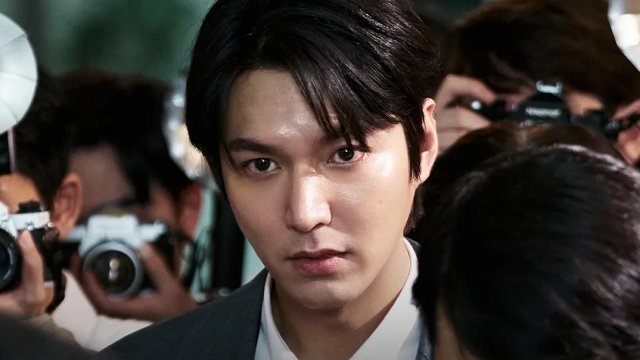




When the truth waits eighteen years — Spoiler Free
━━━━━━━━━━━━━━━━━━Between the Lines
igiam’s reflections on drama, character and hidden meaning
━━━━━━━━━━━━━━━━━━
When the truth waits eighteen years
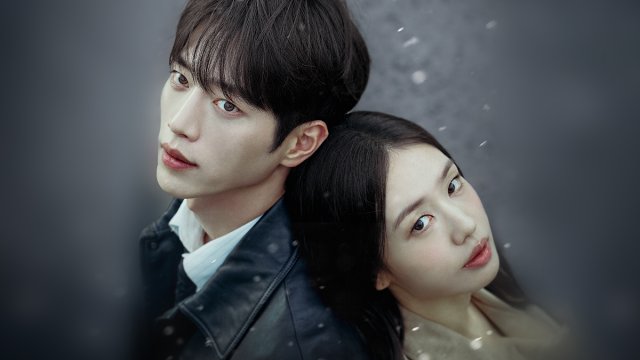
At first glance, Light to the Night feels like a slow-burning crime thriller. Its constant shifts between 1997 and 2015 may seem demanding, but they are far from unnecessary. Every return to the past quietly plants another piece of a puzzle that only becomes clear much later.
Rather than focusing on action or shocking twists, the series patiently explores how lies, guilt, fear, and silence can shape people’s lives for decades. Every witness remembers differently. Every version of the truth is incomplete. The investigation becomes less about finding a culprit and more about understanding why so many people chose to hide what they knew.
What impressed me the most was the relationship between He Yuan Hang and Ran Fang Xu. Their partnership is built on trust, respect, and the belief that every forgotten victim deserves to be heard. Even when time separates them, that bond continues to guide the investigation in unexpected ways.
The drama also deserves praise for avoiding easy answers. It asks the audience to observe carefully, connect details, and remain patient. Many seemingly insignificant scenes later become essential pieces of the story.
If you’re looking for a fast-paced thriller full of constant action, this may not be the right choice. But if you enjoy layered mysteries, character-driven storytelling, and investigations that reward attention to detail, Light to the Night offers a satisfying and emotional journey.
In the end, I didn’t remember the case first.
I remembered the people who refused to stop searching for the truth.
— igiam | Observing Stories Between the Lines
Was this review helpful to you?

This review may contain spoilers
When Returning Is the Real Ending ⚠️Spoiler⚠️
━━━━━━━━━━━━━━━━━━Between the Lines
igiam’s reflections on drama, character and hidden meaning
━━━━━━━━━━━━━━━━━━
Some stories end with victory. Others end with peace.
But this one… ends with a choice.
What moved me the most wasn’t the justice, nor the resolution of truths.
It was the moment she returned.
Not because she had to… but because she remembered.
She remembered the people who raised her, who loved her, who would have been left alone if she never came back.
And that, to me, was the most powerful act in the entire story.
Because love is not always about staying.
Every so often, it is about going back.
The drama gives us everything we expect — closure, consequences, and emotional resolution.
However then it does something more subtle, something deeper.
● It shows us a different life.
● A quieter one.
● A life untouched by pain, where no one was lost, and everything remained in its place.
Not to confuse us — but to make us feel what was sacrificed along the way.
And maybe that’s why this story stays with you.
Not because of what happened… but because of what could have been.
In the end, they didn’t choose the easiest life. They decided the one where no one would be left behind.
And without even thinking…
I knew I would have done the same.
— igiam
Observing Stories Between the Lines
Was this review helpful to you?

This review may contain spoilers
When Victory Costs Everything ⚠️Spoiler⚠️
━━━━━━━━━━━━━━━━━━Between the Lines
igiam’s reflections on drama, character and hidden meaning
━━━━━━━━━━━━━━━━━━
A story of sacrifice, strategy and the quiet cost of justice
Some victories don’t feel like triumph.
They feel like silence.
“The Vendetta of An” is not just a story about revenge — it is a story about what remains after it is fulfilled.
From the beginning, the drama builds a path that feels deliberate, controlled, almost inevitable. Every step, every decision, carries weight. And that is what makes the outcome so powerful.
Because this is not a story where the protagonist loses control.
It is a story where he chooses the end.
What impressed me the most was not only the strategy, but the clarity behind it. His final act is not desperation — it is calculation. A decision made with full awareness of the consequences.
He becomes his own last weapon.
And that changes everything.
The explosion does not give us answers. It gives us distance. It hides the truth instead of showing it, leaving space for interpretation.
Did he survive?
The drama does not confirm it.
Instead, it offers something else.
A quiet scene. A peaceful walk. A world that continues.
But something is missing.
The sound that once existed is no longer there.
And in that silence, the story speaks louder than any explanation.
This is not a clear ending — and yet, it feels complete.
Because the goal was never his survival.
It was justice.
And justice was achieved.
What remains is not victory in the traditional sense, but something deeper:
A sense of closure without comfort.
A life imagined, perhaps lived, perhaps remembered.
—————————————————————————————————————-
And yet, despite this quiet ending, the story never truly confirms his survival.
The explosion, the fire, and the absence of a clear escape all point in one direction — even if the drama chooses not to show it directly.
This is what makes the ending so powerful.
It doesn’t ask you to decide what happened.
It asks you to understand what it cost.
Final thought:
Some endings don’t show you what happened —
they show you what it meant.
igiam | Observing Stories Between the Lines
Was this review helpful to you?

This review may contain spoilers
The real protagonist of Connection ⚠️ (Spoiler Analysis) ⚠️
⚠️ This review contains major spoilers for the ending.━━━━━━━━━━━━━━━━━━
Between the Lines
igiam’s reflections on drama, character and hidden meaning
━━━━━━━━━━━━━━━━━━
💚 Just a personal interpretation after finishing the drama. I’d love to hear what others think.
After finishing this drama, one thought stayed with me: what if the real protagonist of the story is not Jang Jae Gyeong?
Of course, the narrative follows him, and Ji Sung delivers a powerful performance as a detective struggling with addiction, guilt, and the search for the truth. However, if we look at the structure of the story more closely, another character quietly stands at the center of everything.
Park Jun Seo.
Even though he dies early in the story, every major event revolves around him. He is the one who gathers everyone again. He is the one who forces the past to resurface. And he is the one who sets the entire chain of consequences in motion.
In a way, Jae Gyeong becomes the person who carries out Jun Seo’s final will.
What makes Jun Seo such a tragic character is that, despite everything he did, he never completely abandoned the things that once mattered to him.
The password 0617, which is his wife’s birthday, shows that he still carried those feelings in his heart. It also explains why the revelation hurts Choi Ji Yeon so deeply: she believed he had completely turned his back on their life together.
Then there is 0724 – “Friendship Day.”
This memory represents the moment when their friendship was still genuine, before power, greed, and fear corrupted it. While the others chased success and protected their secrets, Jun Seo held on to that memory.
By calling everyone back to the place where everything began, Jun Seo was not simply seeking revenge. He was forcing them to confront the truth they had buried for twenty years.
That is why the title Connection feels so meaningful.
What they once had was friendship.
What they ended up with was only a connection built on secrets, guilt, and shared crimes.
In the end, Jae Gyeong solves the case.
But the story itself belongs to Jun Seo.
And perhaps Jun Seo’s final wish was simple:
for someone to remember the moment when their friendship was still real.
🎯 Friendship didn’t destroy them. Greed, fear, and secrets did.
🤓 Do you also think Jun Seo was the real protagonist, or do you see the story differently?
— igiam | Observing Stories Between the Lines
Was this review helpful to you?

The political intrigue. The revenge plot…
━━━━━━━━━━━━━━━━━━Between the Lines
igiam’s reflections on drama, character and hidden meaning
━━━━━━━━━━━━━━━━━━
I know many viewers loved this drama, and I genuinely understand why. The political intrigue, the revenge plot, and the overall premise had everything I usually enjoy.
Ironically, that's exactly why I kept watching.
Not because I was captivated, but because I kept waiting for the moment when the story would finally make me feel what so many others seemed to experience.
It never happened.
For me, the biggest obstacle wasn't the writing—it was the emotional connection.
Chen Du Ling has beautiful expressions and undeniable screen presence, but in this role I never forgot I was watching an actress portraying a character. I personally missed the natural emotional weight that this kind of story demanded.
I also kept hoping Zhou Yi Ran's character would eventually shift the emotional balance of the drama. I've enjoyed him in previous roles, and I know how expressive he can be. Here, however, his character felt more like emotional support for the female lead than an equal partner in the story, and I never felt he had the opportunity to truly shine.
Many viewers praised the chemistry between the leads. I respect that completely, but I simply didn't experience it the same way. In fact, I barely remember their romantic moments because they never left a lasting impression on me.
I didn't drop this drama.
I finished it because I always want to understand why a story works—or doesn't work—for me. Sometimes the answer only becomes clear at the very end.
For me, *Ashes to Crown* had all the ingredients to become unforgettable.
Unfortunately, despite respecting its ambition and its story, I never formed the emotional connection that would have elevated it beyond a good idea.
And that's the fascinating thing about dramas.
Two people can watch exactly the same story…
…and walk away with completely different hearts.
— igiam
Observing Stories Between the Lines
Was this review helpful to you?
Not a story to comfort, but to understand
━━━━━━━━━━━━━━━━━━Between the Lines
igiam’s reflections on drama, character and hidden meaning
━━━━━━━━━━━━━━━━━━
— At the final stop, we all get off
I didn’t connect with the beliefs shown in this film.
Some rituals felt distant to me, even uncomfortable at times.
But beyond that, there is something much more universal at its core — a message that is deeply human and worth reflecting on.
“The Last Dance” is not really about death. It’s about how we face life, how we deal with loss, and how we understand the time we are given.
One of the lines that stayed with me is:
“Life is like a bus. When it reaches the final stop, you have to get off.”
Simple, but undeniable.
The film also explores fear — especially the fear of living, not just dying.
Through Dominic, we see a very honest perspective: life is difficult, unpredictable, sometimes unfair… but still a gift.
And maybe that’s the point.
You don’t have to agree with everything to learn something from it.
This is not a comforting story.
It’s a reflective one.
igiam | Observing Stories Between the Lines
Was this review helpful to you?

Sometimes, going back is the only way to finally see what was always there.
━━━━━━━━━━━━━━━━━━Between the Lines
igiam’s reflections on drama, character and hidden meaning
━━━━━━━━━━━━━━━━━━
Watching Go Back Couple for the second time felt different… deeper.
When you already know the story, you stop focusing on what happens… and start understanding why it matters.
This drama doesn’t simply talk about going back in time. It speaks about something much more human: the things we fail to see when we are too tired, too hurt, or too used to what we already have.
Love, family, shared memories… all of it slowly becomes invisible — until life gives you the chance to look again.
As Choi Ban Do said, “All journeys are meant to return… you travel to love what you already have.”
And maybe that’s the true meaning of going back.
Not to change everything…
but to finally understand it.
igiam | Between the Lines
Was this review helpful to you?

This review may contain spoilers
When Love Comes Too Late ⚠️Spoiler⚠️
━━━━━━━━━━━━━━━━━━Between the Lines
igiam’s reflections on drama, character and hidden meaning
━━━━━━━━━━━━━━━━━━
There are dramas that hurt because they are unfair… and others that hurt because they are true.
“Kill Me Love Me” belongs to the second.
What drew me into this story was not just the romance, but the emotional mystery behind the male lead. I didn’t fall for him easily — I wanted to understand him. Every decision, every hesitation, every contradiction made me question who he really was beneath everything.
And that is where the story becomes powerful.
Because this is not a story about pure love.
It is a story about consequences.
Knowing the ending would be tragic did not stop me from watching. On the contrary, it made me more attentive to every step that led there. And when it finally happened… it didn’t feel unfair.
It felt inevitable.
What hurt the most was not only his fate, but hers. I expected him to pay the price for his actions — but I didn’t expect her to be part of that cost. And yet, that is what made the story feel even more real.
Their relationship was never stable, never peaceful… but it was undeniably strong. A bond that could not be easily broken, even when everything around them was.
After finishing the drama, I looked into the original novel — and what I found changed my perspective completely.
In the novel, the male lead is far more cruel. He uses her, mistreats her, even poisons her… and only realizes her true value after her death. His punishment is not death, but something far worse: living with the knowledge that he destroyed the only person who truly loved him.
That is the author’s idea of justice.
And suddenly, everything made sense.
The drama adaptation softens his character, allowing the audience to connect with him. But at its core, the story still carries that same message:
Sometimes, justice is not redemption.
Sometimes, justice is regret.
And perhaps that is why this story stays with you.
Not because it gives you what you want… but because it shows you what happens when love is understood too late.
Final thought:
Some stories don’t break your heart.
They quietly teach you to value it — before it’s gone.
igiam | Observing Stories Between the Lines
Was this review helpful to you?

This review may contain spoilers
When Trust Becomes the Real Revenge ⚠️ (Spoiler Analysis) ⚠️
━━━━━━━━━━━━━━━━━━Between the Lines
igiam’s reflections on drama, character and hidden meaning
━━━━━━━━━━━━━━━━━━
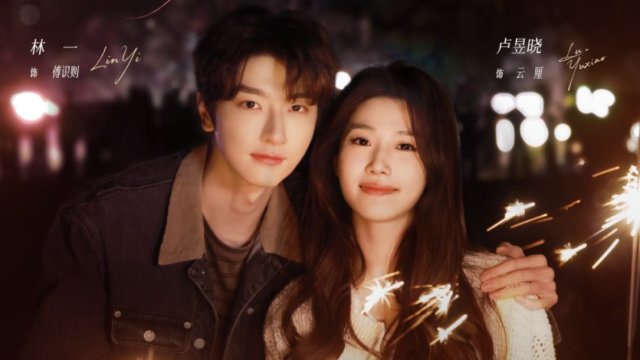
The Double — When Trust Becomes the Real Revenge
Some dramas end with victory.
Others end with love.
But The Double ends with something much rarer: trust.
When I finished the drama, one question stayed with me:
Was Duke Su’s return real, or was it only Xue Li’s emotional illusion?
The final scene is filmed in a dreamlike tone, almost inviting the audience to doubt reality along with her. After everything she has endured, seeing him again feels almost impossible.
Yet two small details reveal the truth.
First, the sound of the horse and Duke Su’s voice urging it forward.
Second, the faint metallic sound of the pendant she once gave him striking against his armor as he rides.
In cinematic language, illusions rarely contain independent environmental sounds before emotional confirmation. Those details ground the moment in reality.
To me, Duke Su truly returns.
The dreamlike atmosphere reflects Xue Li’s disbelief, not a fantasy.
⸻
The meaning behind “The Double”
Interestingly, the original Chinese title 墨雨云间 (Mo Yu Yun Jian) does not literally translate to “The Double.” The international title instead highlights the story’s deeper theme: identity divided and rebuilt.
Xue Li lives under Jiang Li’s name.
She becomes both herself and someone reborn through another life.
The story repeatedly explores duality:
• truth versus appearance
• power versus integrity
• survival versus identity
The “double” is not a twin.
It is the life someone must reconstruct after losing everything.
⸻
Fear versus betrayal
The tragedy of Xue Li’s former husband is not simply weakness.
He does not lose her because of fear.
He loses her because he chooses ambition.
He chooses reputation.
He chooses family pressure.
And ultimately, he chooses betrayal.
The moment he attempts to kill her, the story draws a clear moral line: some actions cannot be undone.
This contrast makes the relationship between Xue Li and Duke Su far more meaningful. Their bond grows slowly, built on observation, strategy, and quiet trust rather than impulsive passion.
⸻
A father who chooses
One of the most touching moments comes when Xue Li says farewell to Jiang Li’s father.
By then, he understands the truth. He knows she is not his daughter by blood.
Yet when she calls him “Father,” he does not reject her.
His acceptance is not ignorance — it is a conscious choice.
In that moment, the drama reminds us that family is not always defined by blood, but sometimes by recognition and gratitude.
⸻
The quiet victory
What makes the ending so powerful is that it does not rely on dramatic declarations.
Instead, the story closes with something quieter and far more meaningful.
After all the conspiracies and betrayals, suspicion between them disappears. What remains is calm certainty.
And perhaps that is the true victory of the story.
Not revenge.
Not power.
But the possibility of peace after the storm.
⸻
Sometimes the most satisfying endings are not the loudest ones.
Sometimes they are simply the ones that leave us believing the characters can finally live.
⸻
igiam | Observing Stories Between the Lines
Was this review helpful to you?

This review may contain spoilers
The Villain Fell. The System Didn’t. ⚠️ (Spoiler Analysis) ⚠️
━━━━━━━━━━━━━━━━━━Between the Lines
igiam’s reflections on drama, character and hidden meaning
━━━━━━━━━━━━━━━━━━
At first glance, the ending of the drama appears decisive.
Kang Shin-jin is exposed. Justice is delivered. The protagonist stands firm as the system’s most visible corruption collapses.
But the story quietly suggests something more unsettling.
Because while the villain falls, the system itself does not.
Instead, it reorganizes.
One of the most revealing moments occurs in a brief conversation between Han Young and Baek Yi Seok near the end of the series. The scene seems simple: a few questions, a calm exchange. Yet within those questions lies something deeper.
Baek asks about the missing USB drive — a device containing information capable of destabilizing the entire structure of power. His tone is not anxious or alarmed. He remains calm, almost analytical. It is not fear that motivates his curiosity, but awareness. Baek understands systems, and people who understand systems rarely ignore information that can reshape them.
He also asks about Se Hui. Earlier in the drama, many characters assumed that Han Young and Se Hui might eventually marry. Baek’s question acknowledges that expectation, yet Han Young’s response closes the door on that possibility. The relationship was never truly viable. Se Hui lives under the shadow of her father’s authority, and Han Young knows that any future with her would always be entangled with that power.
Later, when Han-young checks on her indirectly, it does not necessarily contradict his earlier words. It reads less like romantic attachment and more like responsibility. After all, he used her involvement in his strategy and understands the consequences she must now carry.
What gives this scene its real significance is its contrast with the drama’s final sequence at Soejae. Kang Shin Jin’s downfall does not lead to revolution. Instead, a new circle of power begins to form. Military authority appears in the room. A new leadership structure emerges. And Baek Yi Seok is seated quietly beside the new center of influence.
The drama never declares Baek corrupt.
But it does leave us with a question.
If the system survives every collapse, does justice truly defeat corruption — or merely reset the balance of power?
In that sense, the ending may not be about the fall of a villain at all.
🎯 Perhaps the story was never about the fall of a villain, but about the quiet persistence of the system that produced him.
— igiam | Observing Stories Between the Lines
Was this review helpful to you?

Why injustice hurts more than loss
━━━━━━━━━━━━━━━━━━Between the Lines
igiam’s reflections on drama, character and hidden meaning
━━━━━━━━━━━━━━━━━━
When everything around you starts to collapse… what do you hold on to?
Watching Mad Concrete Dreams feels like witnessing a slow destruction — not only of circumstances, but of trust, dignity, and human limits.
What makes this story so powerful is not just the conflict itself, but how far people are willing to go when they feel they have nothing left to lose… and how easily others take advantage of that moment.
There is anger in this story. Injustice. Manipulation.
But beneath all of that, there is also something else: resistance.
Because sometimes, the real struggle is not about winning…
but about not losing yourself in the process.
igiam | Between the Lines
Was this review helpful to you?


