
 News


 3


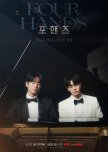
Piano prodigies play with pizzazz
This K-drama stars Song Kang in his second outing as a wannabe prodigy in the world of fine arts. As with Navillera, the primary relationship in the story is not romantic, but bromantic. In both series an unlikely friendship between men from different backgrounds supplies the series with its emotional center of gravity. Unlike Navillera, this time the actor pairs with a man his own age, played by Lee Jun Young. Friendship between the male leads aside, the heartfelt sentiment and generosity of spirit that made Navillera a delight to watch is absent, as the plot wraps (TV-style) musical virtuosity around a story frame replete with bullying, both physical and emotional, as well as cross-generational family in-fighting so stressful that it sours the story's vibe. The acting is superb, and the music provides a pleasant distraction from the violence that makes many episodes kind of downers.
Song plays Kang Pio, a privileged piano prodigy pushed to greatness by his mother’s desperate need for him to succeed because only his success will validate her own life. If Pio has mommy problems, mom has daddy issues of her own, so the family dysfunction typical in K-drama runs strong in this one. The story begins with Kang Pio O in an arts high school when a transfer student on scholarship (the rich and privileged look down in horror!) emerges as a rival. The two quickly strike up a bond over their shared love for and ambition about the piano, a development Pio O’s mother cannot stand since she sees Choi Jeong Yo as an obstacle to her son’s success. Frankly, the tempestuous friendship between Pio and Jeong Yo is one of the most compelling features of this series as each must weigh the attraction of friendship against the rivalry foisted off on them from the outside. Because each has reason to doubt the sincerity of the other's friendship, their not-remotely straightforward pathways toward that amity become more interesting.
Some “only in K-drama” stuff happens, and Choi Jeong Yo disappears in Europe under mysterious circumstances. Midway through the 12 episodes, the plot then jumps forward nine years, and the second half of the series essentially depicts the efforts of the two men, now in their late twenties, to rebuild the trust they once had. Circumstances cleverly reverse their former dynamic: if Pio found their youthful friendship somewhat of a burden, then Jeong Yo has reason to question the adult version. There’s a lot of bullying and emotional torment in this plot, and the twisted family dynamics typical of K-drama overshadow nearly every thing that happens. Those traits either supply the drama or ruin it depending on what you’re tuning in for. There’s a lot more music-making in this series than would typically occur in a series about musicians, but that may be a strength in this case. Worth watching if you’re a fan of Song Kang, don't mind heavy drama, or enjoy a story built around the classical music world. Skip if you’re worn out from excess bullying and shithead K-drama parents.
Was this review helpful to you?


