



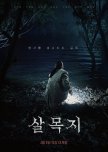
Salmokji: Whispering Water (2026) emerged as one of the most disturbing and visually hypnotic experiences in recent South Korean cinema. Unlike the traditional "slasher" style, this film delves into psychological folk-horror, using local folklore to construct a narrative of guilt and paranoia.
Immersive Sound Design: As the title suggests, sound is a character in its own right. The "whisper" of the water is mixed in a way that makes it seem to come from behind the viewer, creating a constant feeling that someone is right there, invisible.
Atmospheric Horror: The director avoids cheap jump scares. The fear in Whispering Water comes from anticipation, the use of empty spaces, and the bluish, cold cinematography that conveys an almost palpable sense of dampness and mold.
Central Performance: The protagonist delivers a raw performance, especially in scenes where the line between reality and the delirium caused by exhaustion and guilt dissolves.Symbolism: The film is a brilliant metaphor for the subconscious. The drying reservoir represents the mind that can no longer contain repressed secrets. Aesthetics: The beauty of the drone footage over the submerged ruins contrasts terribly with the horror unfolding on land.
Slow pacing: The film is a slow burn. It takes time to build tension, focusing more on the psychological disintegration of the characters than on frenetic action. Ambiguous ending: Following the trend of new Korean horror, the ending doesn't give away all the answers, requiring the viewer to piece together the metaphorical puzzle.
Salmokji: Whispering Water (2026) is a masterpiece of modern horror. It proves that the genre still has room for innovation by blending ancient legends with contemporary anxieties about trauma and responsibility. It's a film that, like the waters of a reservoir, will linger in your mind long after the credits roll.
Immersive Sound Design: As the title suggests, sound is a character in its own right. The "whisper" of the water is mixed in a way that makes it seem to come from behind the viewer, creating a constant feeling that someone is right there, invisible.
Atmospheric Horror: The director avoids cheap jump scares. The fear in Whispering Water comes from anticipation, the use of empty spaces, and the bluish, cold cinematography that conveys an almost palpable sense of dampness and mold.
Central Performance: The protagonist delivers a raw performance, especially in scenes where the line between reality and the delirium caused by exhaustion and guilt dissolves.Symbolism: The film is a brilliant metaphor for the subconscious. The drying reservoir represents the mind that can no longer contain repressed secrets. Aesthetics: The beauty of the drone footage over the submerged ruins contrasts terribly with the horror unfolding on land.
Slow pacing: The film is a slow burn. It takes time to build tension, focusing more on the psychological disintegration of the characters than on frenetic action. Ambiguous ending: Following the trend of new Korean horror, the ending doesn't give away all the answers, requiring the viewer to piece together the metaphorical puzzle.
Salmokji: Whispering Water (2026) is a masterpiece of modern horror. It proves that the genre still has room for innovation by blending ancient legends with contemporary anxieties about trauma and responsibility. It's a film that, like the waters of a reservoir, will linger in your mind long after the credits roll.
Was this review helpful to you?


